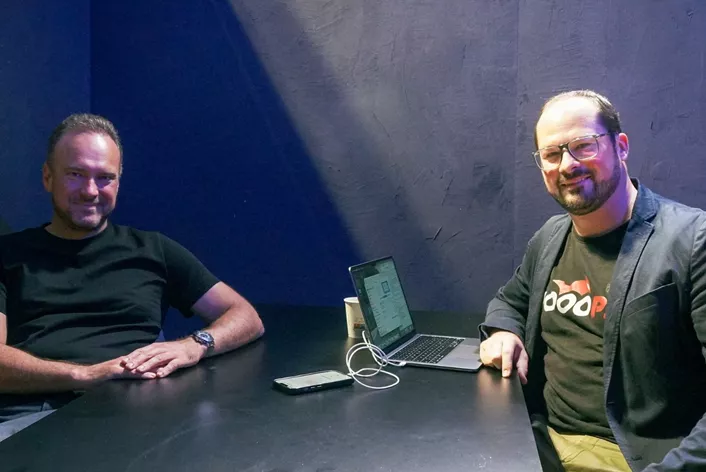
Since its IPO in 2025, Insta360 has been growing rapidly, focusing on software, AI, and community feedback. In a conversation with 1000PS, Vice President of Marketing Max Richter explains how user insights shape product development, why drones are set to become the next platform, and why motorcyclists are among the most important users today.
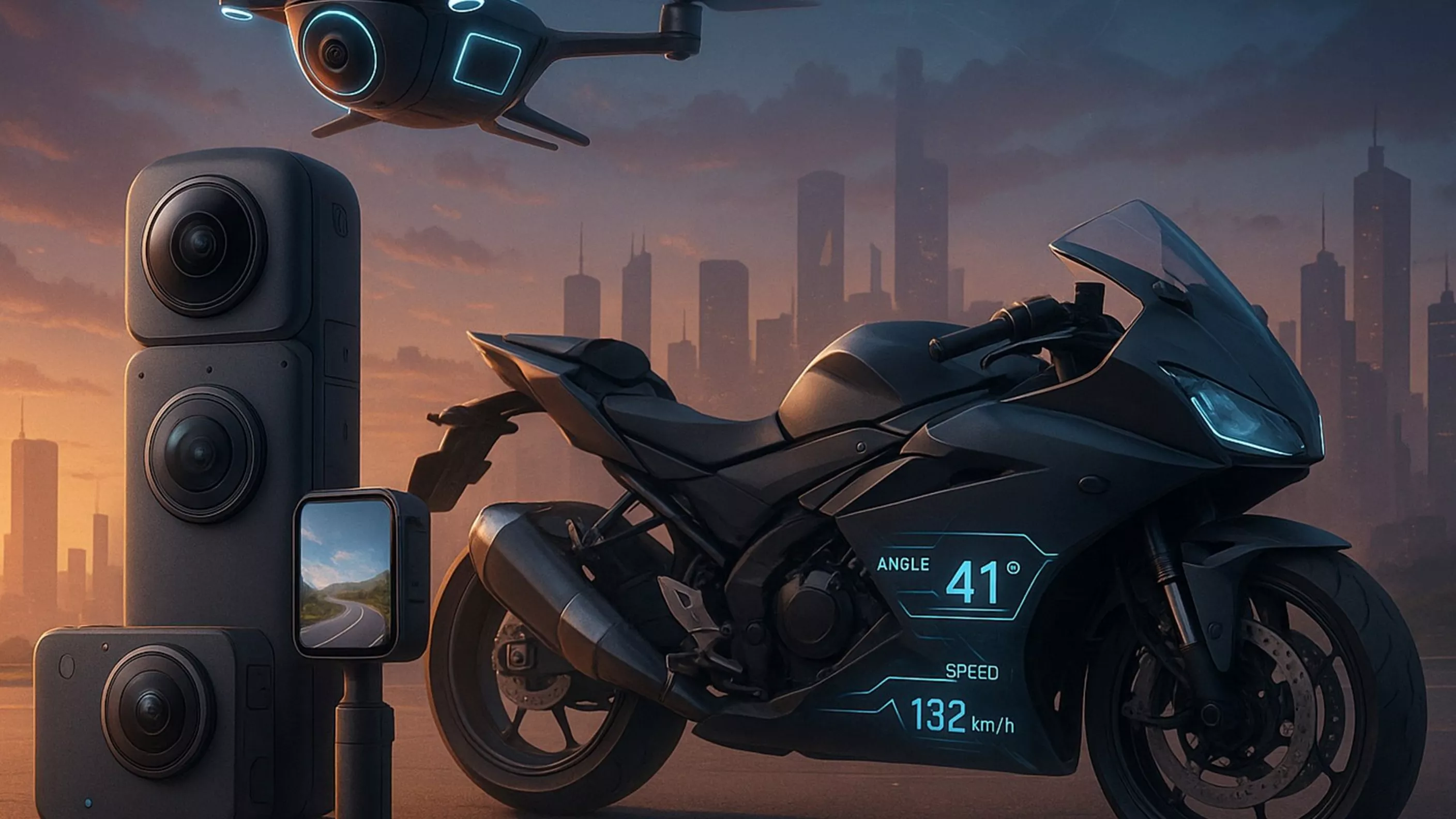
Insta360 - Balancing Innovation, AI, and Privacy
Interview: What's Next for the Motorcycle Community?
In the interview, Insta360 manager Max Richter talks with Poky about AI strategies, the launch of the Antigravity drone brand, and explains why motorcyclists play a key role for the brand.
&width=72&height=72&bgcolor=rgba_39_42_44_0&mode=crop "Author: Poky")
Poky
published on 12/29/2025
3,661 Views
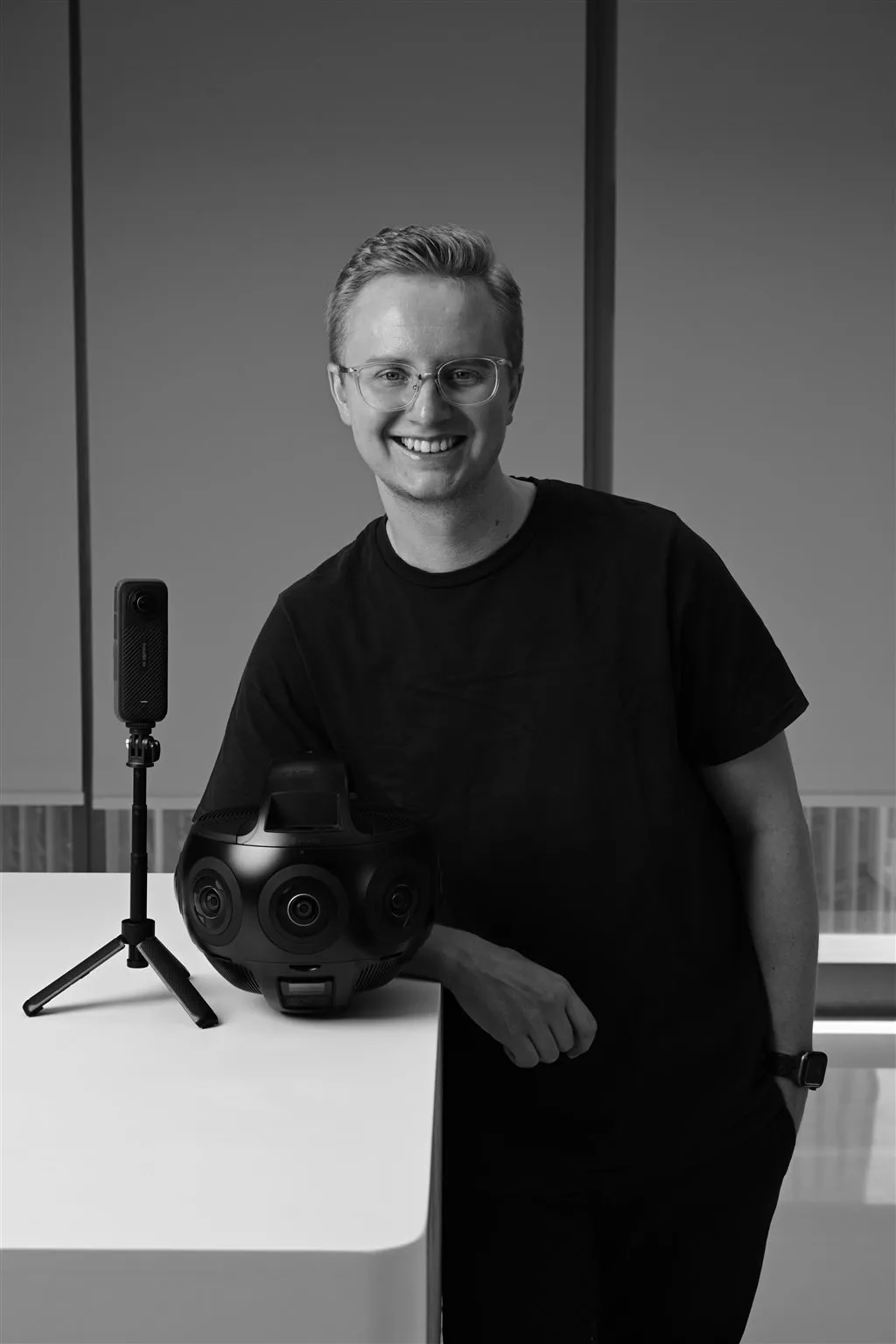
Max Richter answers Poky's questions
Poky: Max, you're sometimes referred to as a Co-Founder and sometimes as Vice President of Marketing. How should we understand that? Can you describe your role at Insta360?
Max Richter: I started at Insta360 nearly ten years ago when the company was still relatively small, with about 50 to 100 people. I wasn't part of the founding team, but I was there early to help build international markets and strengthen community connections. This community marketing is still part of our DNA and sets us apart from competitors.
Richter: The IPO was a milestone, but we're thinking long-term. More than 50% of our employees work in research and development, with half of them being software engineers. This shows that Insta360 isn't just selling hardware; we're delivering a software experience—and AI will continue to enhance it.
Poky: So you're focusing on hardware, software, and community. How do you balance these?
Richter: Community is crucial for gathering feedback and inspiration for new features. For example, the Ace Pro 2 was intended as an action cam, but users began using it like a photo camera. This led to the creation of the Xplorer Bundle variant—leading to a development towards a point-and-shoot camera.
Poky: There are rumors about a drone called "Antigravity." What can you tell us about it?
Richter: Antigravity is our new brand for 360-degree drones. They operate with two lenses like our X series, capturing everything so you can choose the best perspective later. The flying experience is playful, almost as if it were a video game. I can't reveal much more, but something exciting is coming soon.
Poky: At 1000PS, we regularly use your cameras in the motorcycle sector. How important is this segment for you?
Richter: Very important. We're still relatively new to this community, but we've been at the EICMA show three times now and have a broad product lineup, like the Marc-Marquez-X5 Edition and the BMW Edition. Our goal is to create a complete ecosystem for motorcyclists—hardware, accessories, and software featuring GPS and dashboard functions.
Poky: How do you technically address rider needs—wind noise, vibrations, cold?
Richter: We work closely with community testers. They provide us with input on cold resistance, GPS stats, and blur functions for speedometer displays. Partnerships with Sena and Cardo also allow for real-time data synchronization.
Poky: Many users want auto-edit features that recognize riding situations. Is that something you're working on?
Richter: That's definitely conceivable. We've already implemented a new feature: the X5 automatically starts recording as soon as the engine runs. The goal is to make sharing riding scenes as easy as possible.
Poky: You've also revamped the selfie stick clamp—what's new?
Richter: The mount has been completely redesigned to offer more stability. It's already included in the Marc-Marquez kit—the new angular design is immediately noticeable.
Poky: How do you handle privacy concerns, particularly with cloud features and connections to China?
Richter: We comply with all local regulations and do not share any data. All processes adhere to the applicable legal requirements, and we work closely with the respective local regulatory authorities.
Poky: Is the cloud absolutely necessary to fully use the camera?
Richter: Not necessarily. Many standard functions, like editing or post-production, run offline, but cloud features require the internet. The mobile app is central to the 360 experience, although there's also desktop software available.
Poky: How is your revenue distributed between 360 cameras, action cams, and your other products?
Richter: The 360-degree camera remains our flagship—we hold about 70% of the global market share. We're also expanding the wide-angle segment with the Ace Pro 2 and the Go-Series, and introducing new helmet mounts. Drones and smartphone gimbals are next.
Poky: Max, thank you for the conversation!
Richter: Thank you—it's been a pleasure!