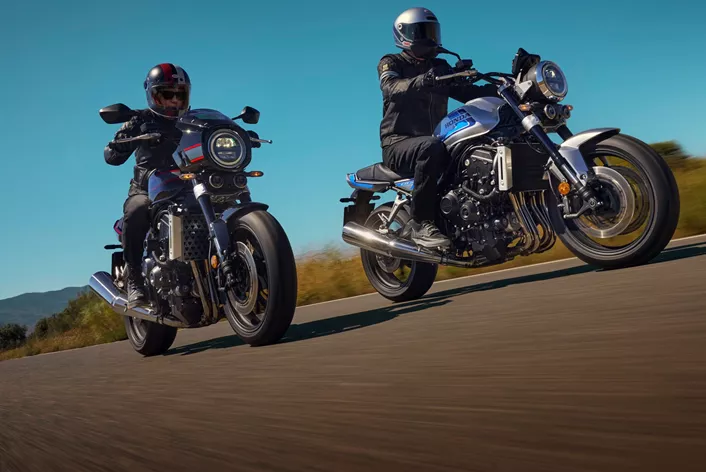
Retro designs have been making a strong comeback in motorcycle manufacturing for years. With the Honda CB1000F 2026 and Kawasaki Z900RS 2026, two Japanese manufacturers are bringing new or updated representatives of this philosophy to the streets. Both models combine classic lines with modern technology – an exciting approach that we will theoretically compare based on the known data.
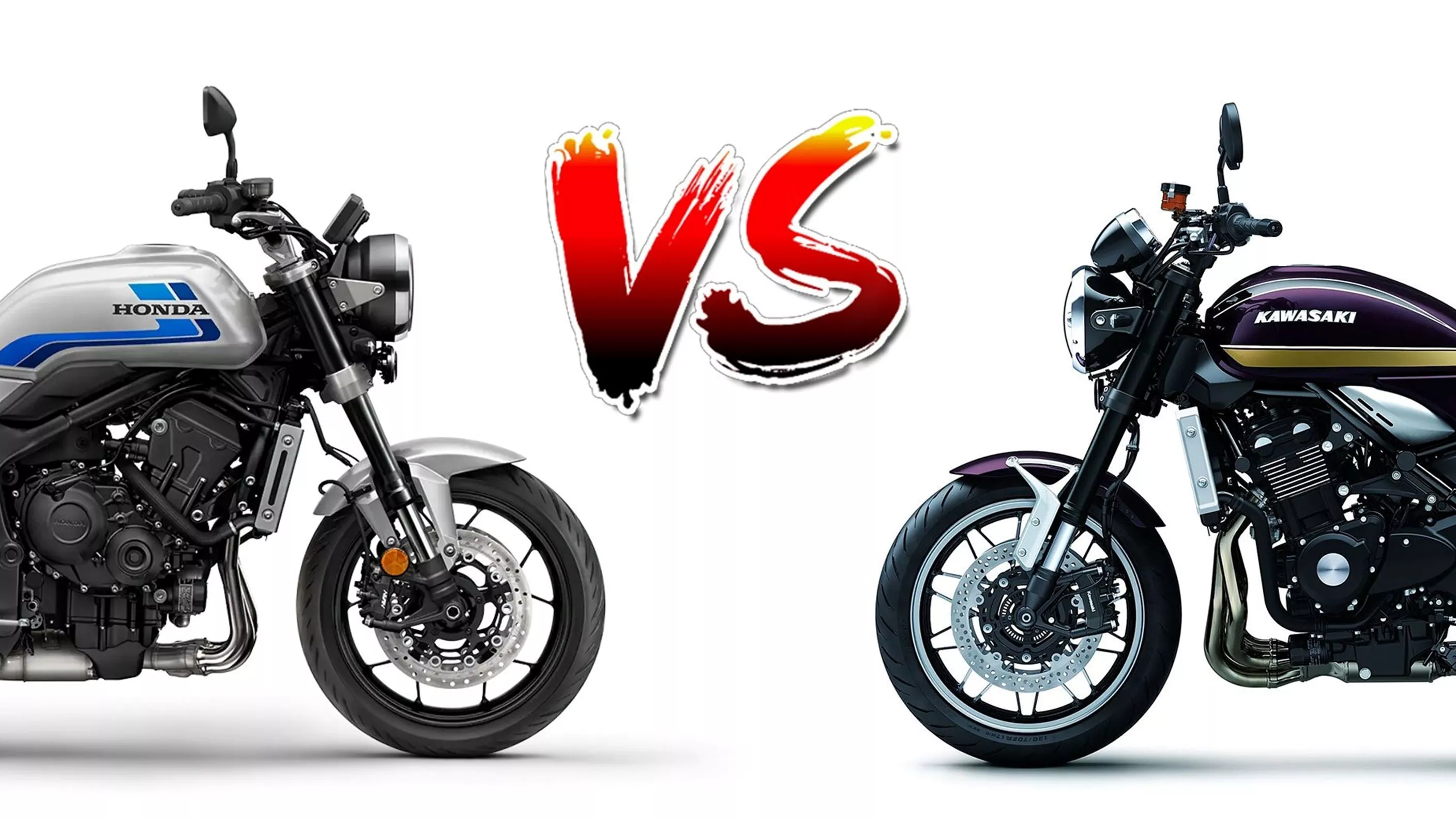
Honda CB1000F vs Kawasaki Z900RS – 2026 Spec Showdown
Theoretical Retro Showdown: Honda Takes on Kawasaki 2026
Before hitting the road for the first test ride, let's dive into the specs: The Honda CB1000F 2026 and Kawasaki Z900RS 2026 in a theoretical showdown. These two retro-inspired inline-fours blend modern tech with classic styling – a thrilling combo on paper already.
&width=72&height=72&bgcolor=rgba_39_42_44_0&mode=crop "Author: Der Horvath")
Der Horvath
published on 1/12/2026
24,226 Views
Design & Concept in Classic Retro Style
With the CB1000F 2026, Honda pays homage to the legendary Bol d’Or series. The retro design incorporates typical 1980s style elements: a round LED headlight, clean lines, and striking color stripes. Technically, it shares its platform with the Hornet 1000, though it has undergone several revisions. Sustainable materials, such as recycled plastic parts, complete the concept.
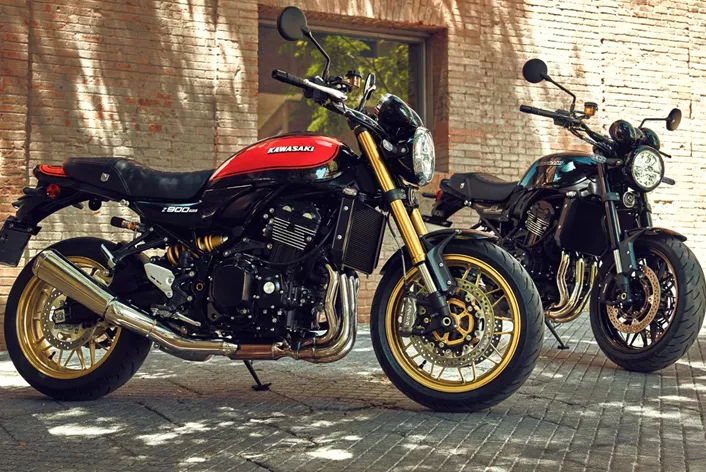
The Z900RS 2026 carries on the legacy of the Z1. Kawasaki sticks with the classic tank shape, upright seating concept, and distinctive megaphone exhaust. For the new model year, the engine, electronics, and ergonomics have been updated – while the design intentionally remains close to the 1970s icon.
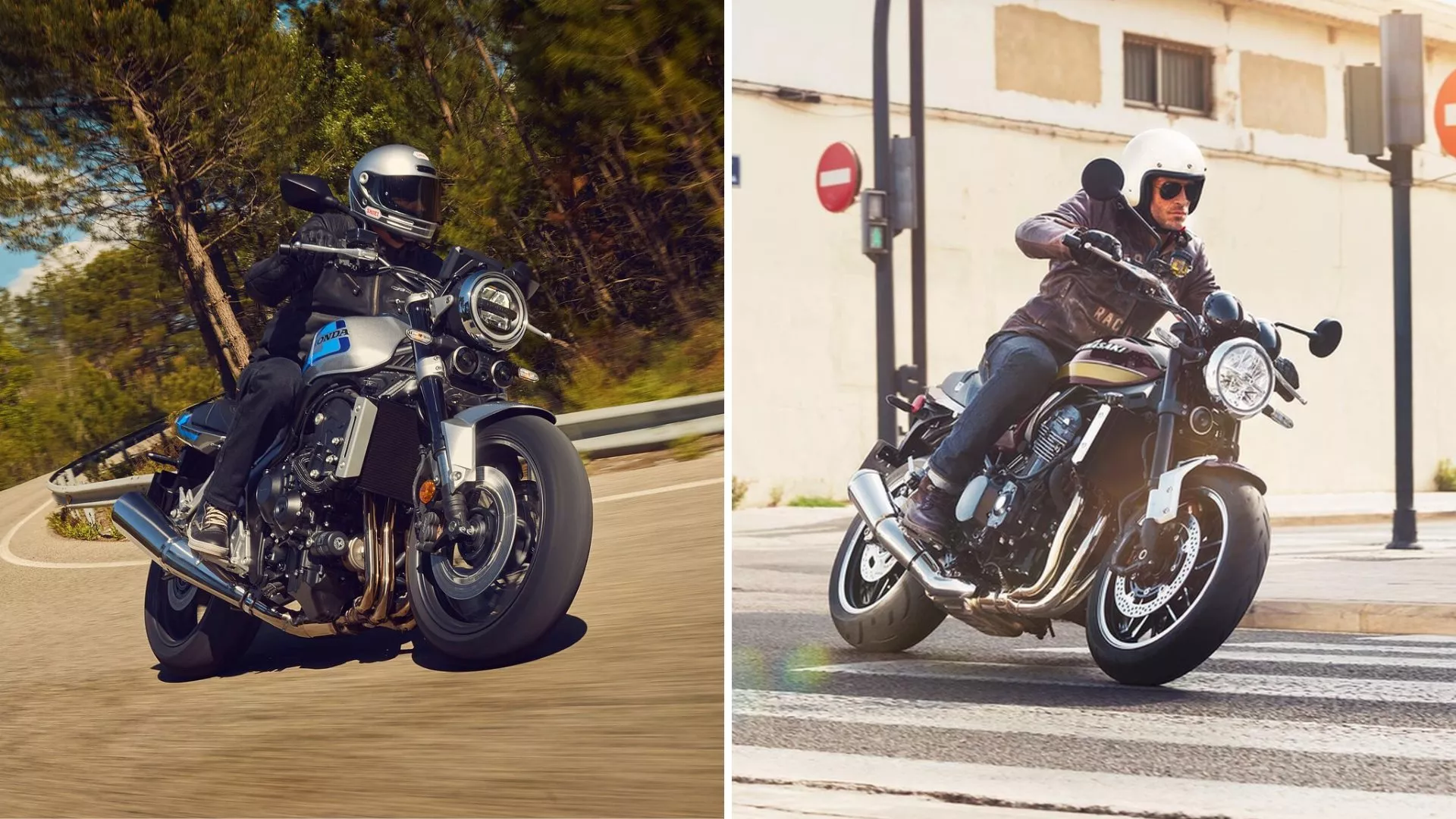
Both retro – but they choose different lines.
Engine & Drive – Fireblade Roots vs. Z-DNA
The CB1000F is powered by an inline-four engine with 999 cc, based on the 2017 Fireblade. The specs show 122 hp at 9,000 rpm and 103 Nm at 8,000 rpm. Power is delivered through a six-speed gearbox with a slipper clutch. Adjustments to the intake and camshafts are aimed at boosting mid-range torque.
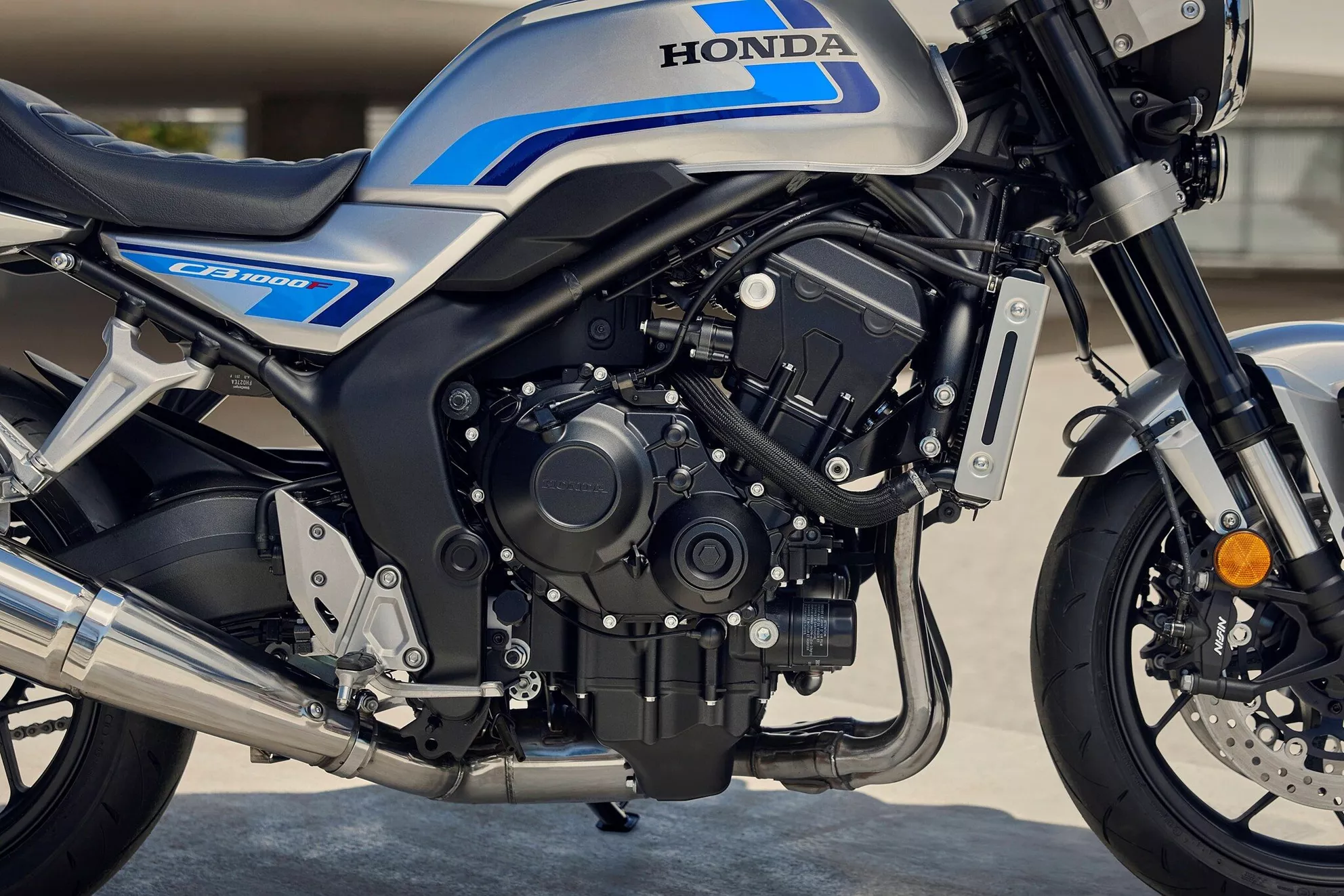
This inline-four engine is also used in the current Hornet 1000.
The Z900RS employs the well-known 948 cc inline-four engine, which traces its roots back to the Z900 but has been revised. Delivering 116 hp at 9,300 rpm and 98 Nm at 7,700 rpm, it promises a smooth power delivery. Modifications to the crankshaft, new camshaft profiles, and the airbox aim to provide responsive throttle action and the signature Z sound.
Suspension & Chassis – Traditional Tech, Modern Tuning
Both motorcycles feature steel frames with upside-down forks and aluminum dual-arm swingarms. The rest of the suspension specs show these retro bikes are closely matched:
| Feature | Honda CB1000F | Kawasaki Z900RS |
|---|---|---|
| Fork Diameter | 41 mm | 41 mm | Fork Adjustability | Fully adjustable | Fully adjustable | Shock Absorber Adjustability | Preload, Rebound | Preload, Rebound | Front Suspension Travel | 130 mm | 120 mm | Rear Suspension Travel | 140 mm | 140 mm | Wheelbase | 1,455 mm | 1,465 mm | Curb Weight | 214 kg | 216 kg | Seat Height | 795 mm | 835 mm |
Electronics & Assist Systems – Progress in Retro Style
The CB1000F features a six-axis IMU (Inertial Measurement Unit) to manage traction control, wheelie control, and cornering ABS. It offers three standard riding modes and two customizable user modes. Additionally, the 5-inch TFT display supports the Honda RoadSync system for smartphone integration.
- How much does a Kawasaki Z900 RS cost?
- Here you will find an overview of the price level of new and used motorbikes!
Kawasaki also equips the Z900RS 2026 with cutting-edge electronics. The new 6-axis IMU enables systems like KCMF (Cornering Management Function) and KIBS (intelligent ABS). A quickshifter (KQS) and cruise control come standard. Throttle control is managed via the electronic ride-by-wire system. However, the instrumentation leans heavily into retro flair with two analog round dials encasing an LCD in the center.
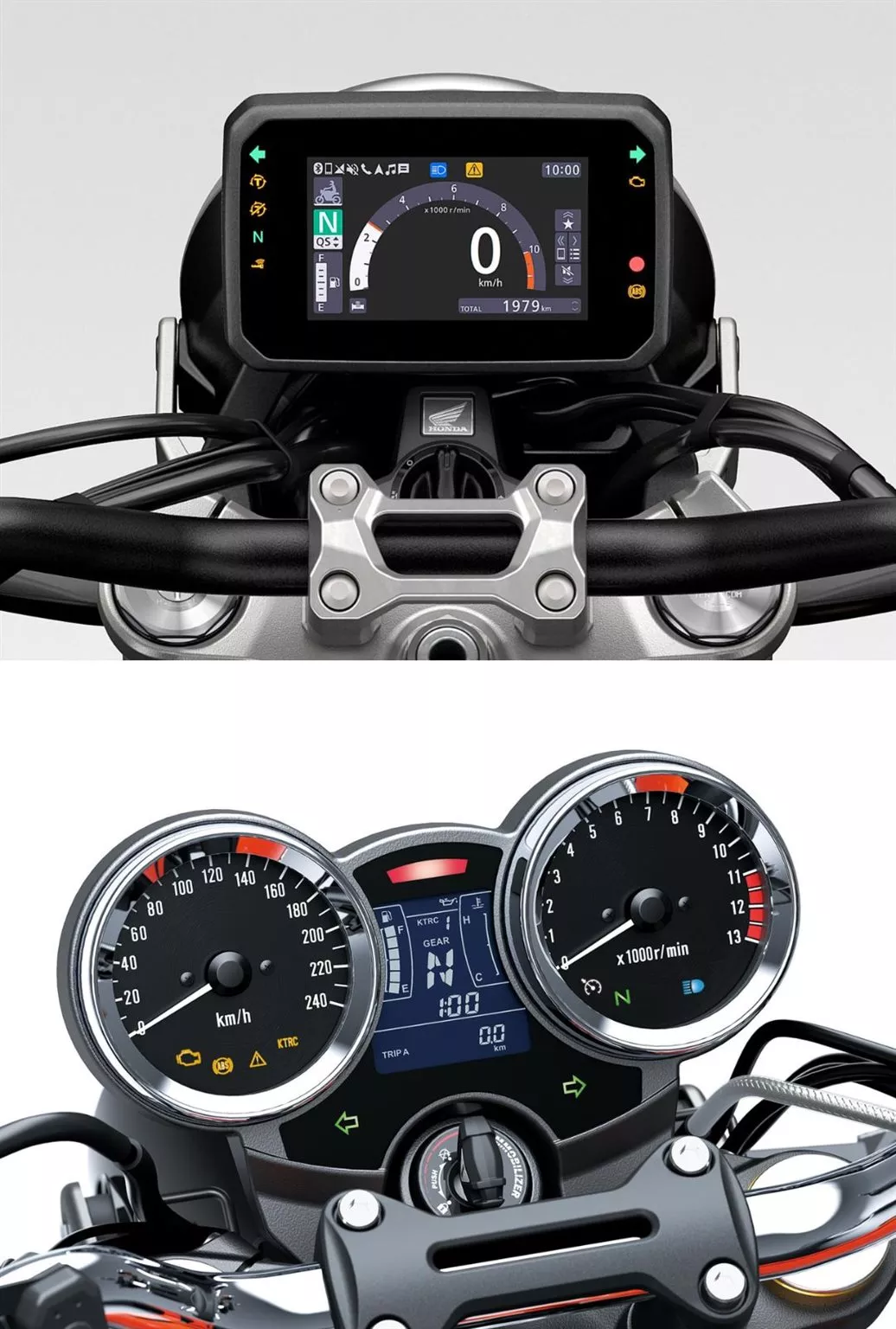
Honda goes modern, Kawasaki goes retro.
Ergonomics & Comfort – Two Approaches for Practicality and Emotion
Honda takes a comfort-focused approach with a moderate seat height, balanced geometry, and targeted everyday usability. Kawasaki, on the other hand, offers a slightly sportier stance, higher seat, and optional Ergo-Fit seats for more customization options. Both manufacturers emphasize good handling in urban traffic and on twisty country roads, but with different characters: the CB1000F is refined, while the Z900RS is traditional and emotional.
Conclusion – Two Modern Classics with Different Focuses
The Honda CB1000F 2026 and Kawasaki Z900RS 2026 demonstrate the versatility of retro interpretation. Honda emphasizes technical precision, sustainability, and balance. Kawasaki maintains an emotional connection to the past with its distinctive sound and classic appearance.
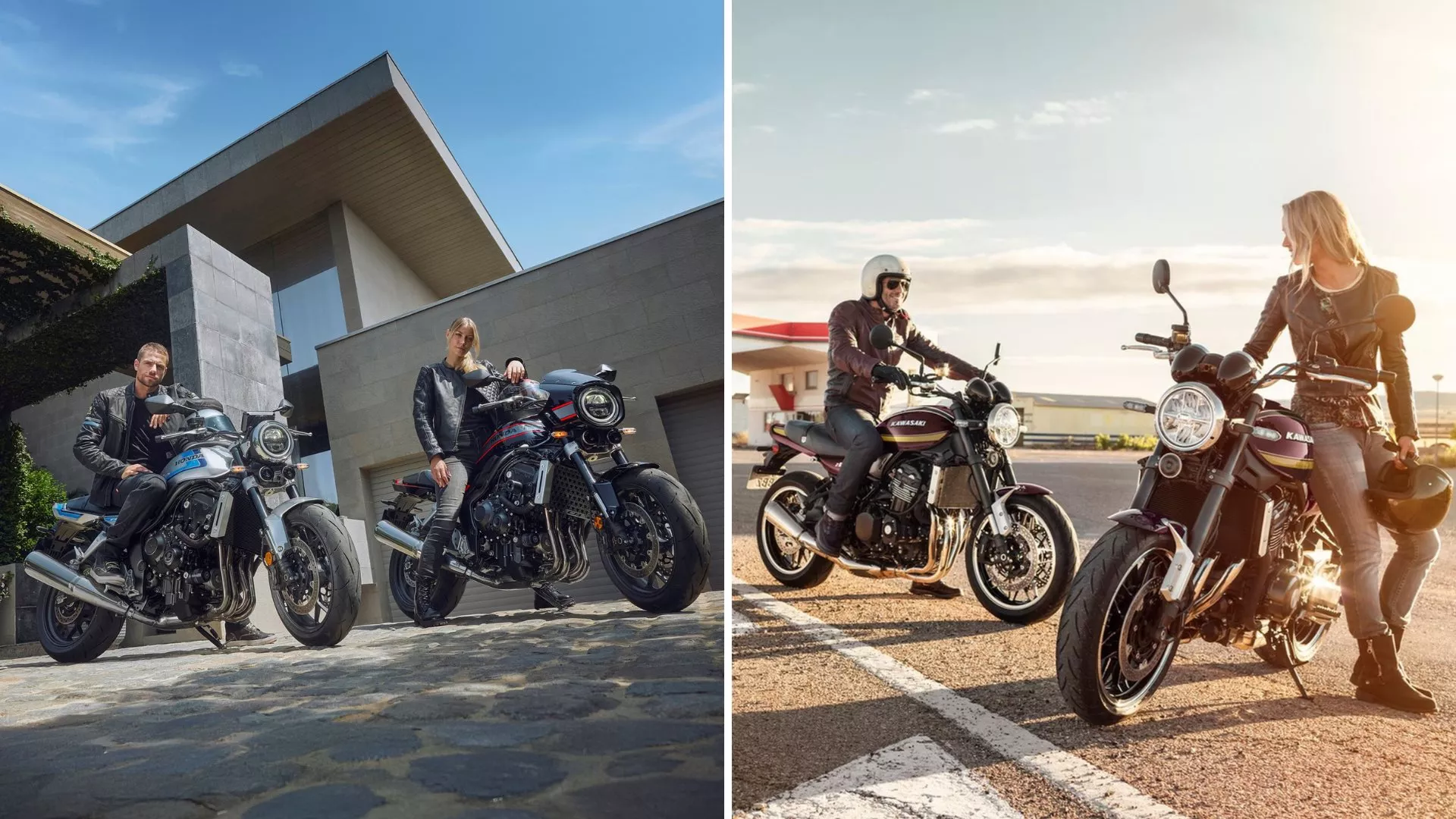
Both models exude coolness – personal taste will be the deciding factor here.
A direct on-road comparison is yet to come – but this theoretical overview already shows that both manufacturers take different approaches to blend retro and modern elements. The practical test next year will reveal how these concepts perform in reality.
Price Comparison – Two Retro Bikes at a Similar Price Point
Price-wise, both retro inline-fours are closely matched. The Honda CB1000F 2026 starts at €12,329 in Germany, including delivery. The Kawasaki Z900RS 2026 is priced at €13,470 including delivery, positioning itself slightly higher. Both models sit in the upper naked bike segment but offer a strong value proposition – especially for riders looking to combine retro style with modern technology.
For more numbers and facts, check here: Honda CB1000F vs. Kawasaki Z900 RS Data Comparison.
Honda CB1000F vs. Kawasaki Z900RS – Key Specs Comparison
| Feature | Honda CB1000F 2026 | Kawasaki Z900RS 2026 |
|---|---|---|
| Engine Type | Inline-four | Inline-four | Displacement | 999 cc | 948 cc | Power | 122 hp at 9,000 rpm | 116 hp at 9,300 rpm | Torque | 103 Nm at 8,000 rpm | 98 Nm at 7,700 rpm | Compression Ratio | 11.7:1 | 11.8:1 | Transmission | 6-speed, Slipper Clutch | 6-speed, Quickshifter (KQS) | Frame | Steel double cradle | Steel trellis | Front Suspension | 41 mm USD fork (Showa, fully adjustable) | 41 mm USD fork (Showa, fully adjustable) | Front Travel | 130 mm | 120 mm | Rear Travel | 140 mm | 140 mm | Front Brake | 2x 310 mm, radial, Nissin 4-piston | 2x 300 mm, radial, Monoblock 4-piston | Rear Brake | 240 mm, single-piston | 250 mm, single-piston | Wheelbase | 1,455 mm | 1,465 mm | Seat Height | 795 mm | 835 mm | Curb Weight | 214 kg | 216 kg | Fuel Capacity | 16 l | 17 l | Fuel Consumption | 5.6 l/100 km | 5.0 l/100 km | Range | approx. 285 km | approx. 340 km | Assist Systems | IMU, Cornering ABS, Traction Control, Wheelie Control, Riding Modes | IMU, KCMF, KIBS, Traction Control, Quickshifter, Cruise Control | Display & Connectivity | 5-inch TFT with RoadSync, Smartphone Integration | TFT Display, Connectivity Function |
All Retro Novelties 2026

- How much does a Honda CB1000F cost?
- Here you will find an overview of the price level of new and used motorbikes!