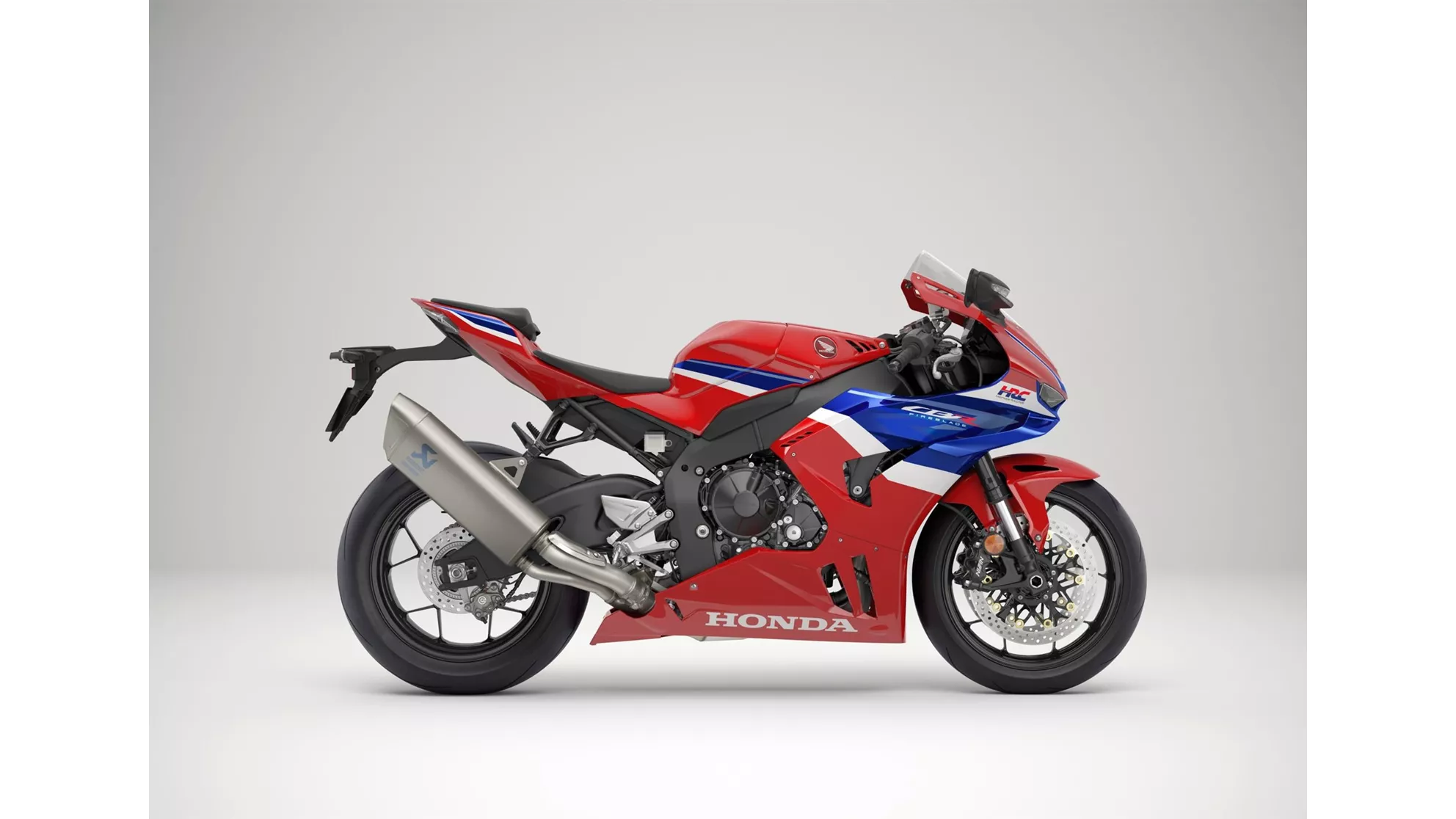
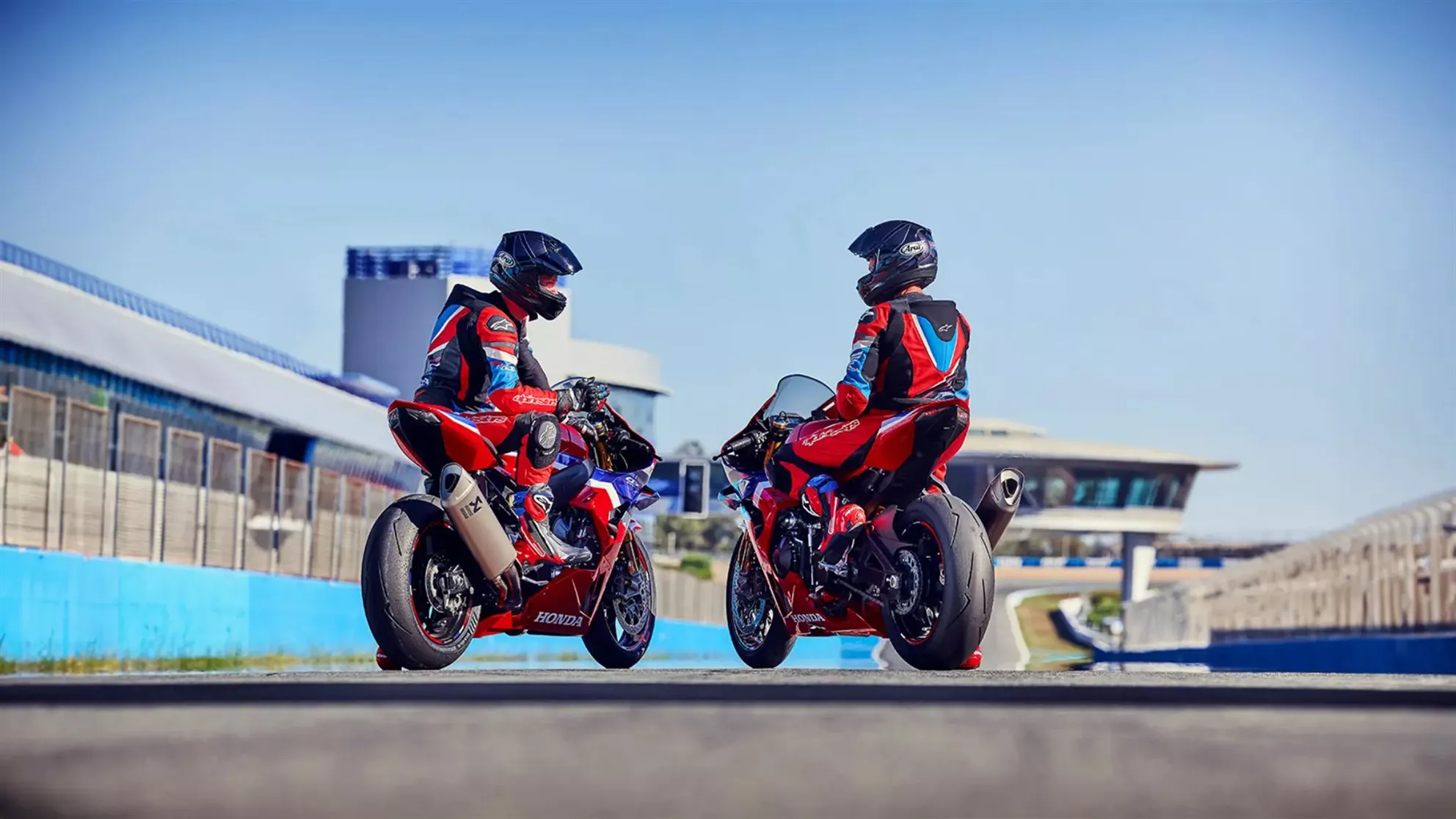
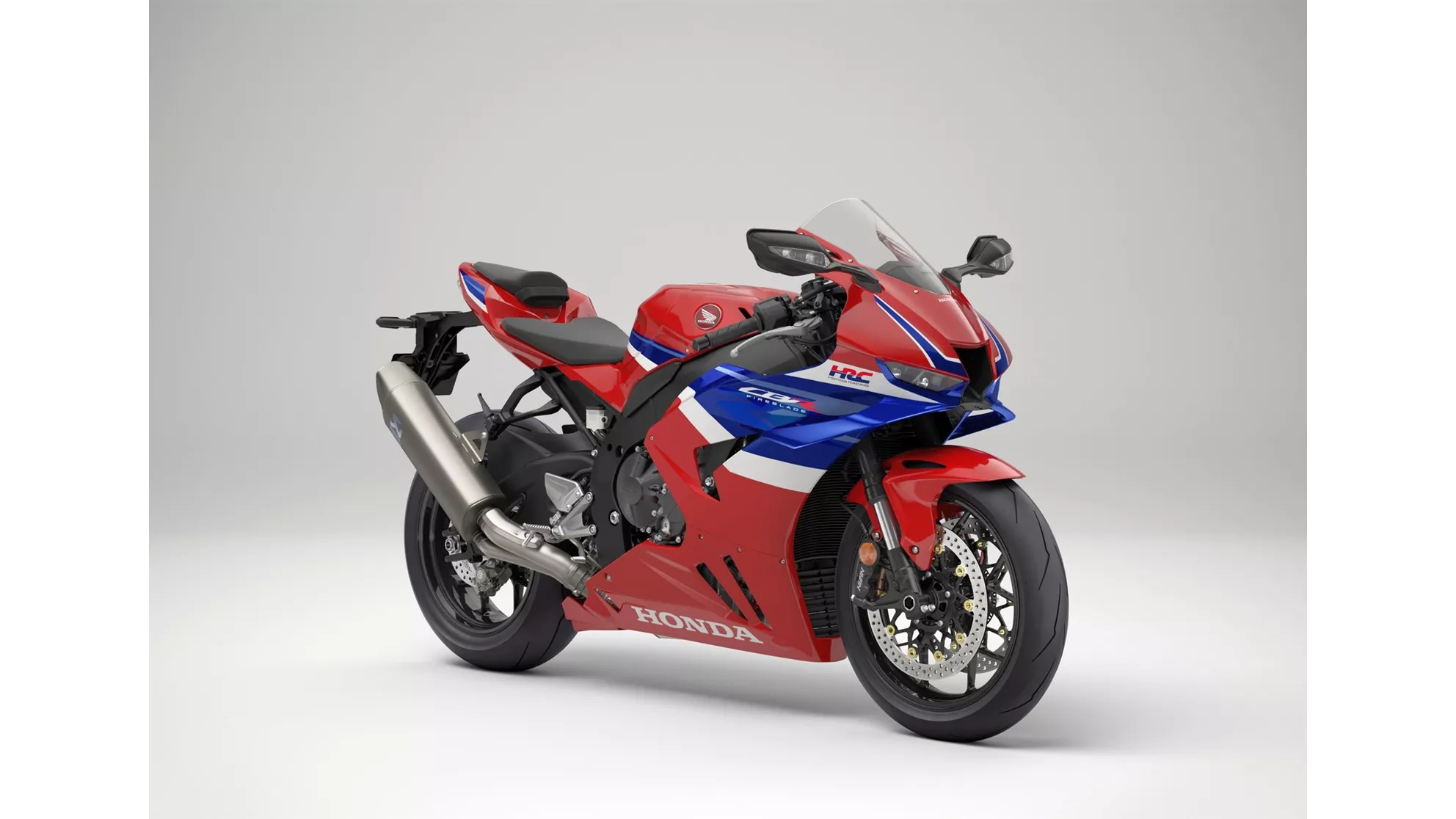
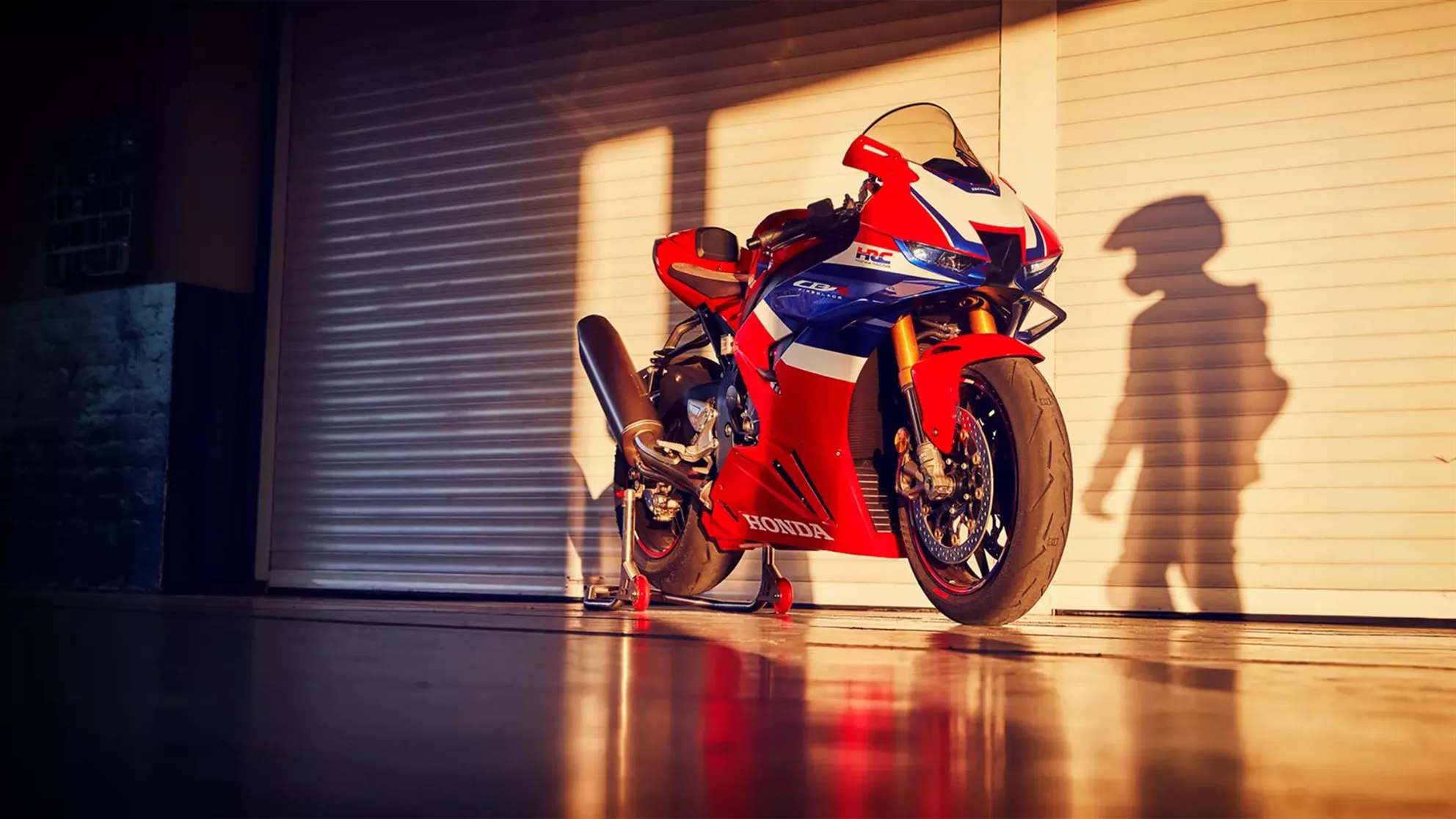
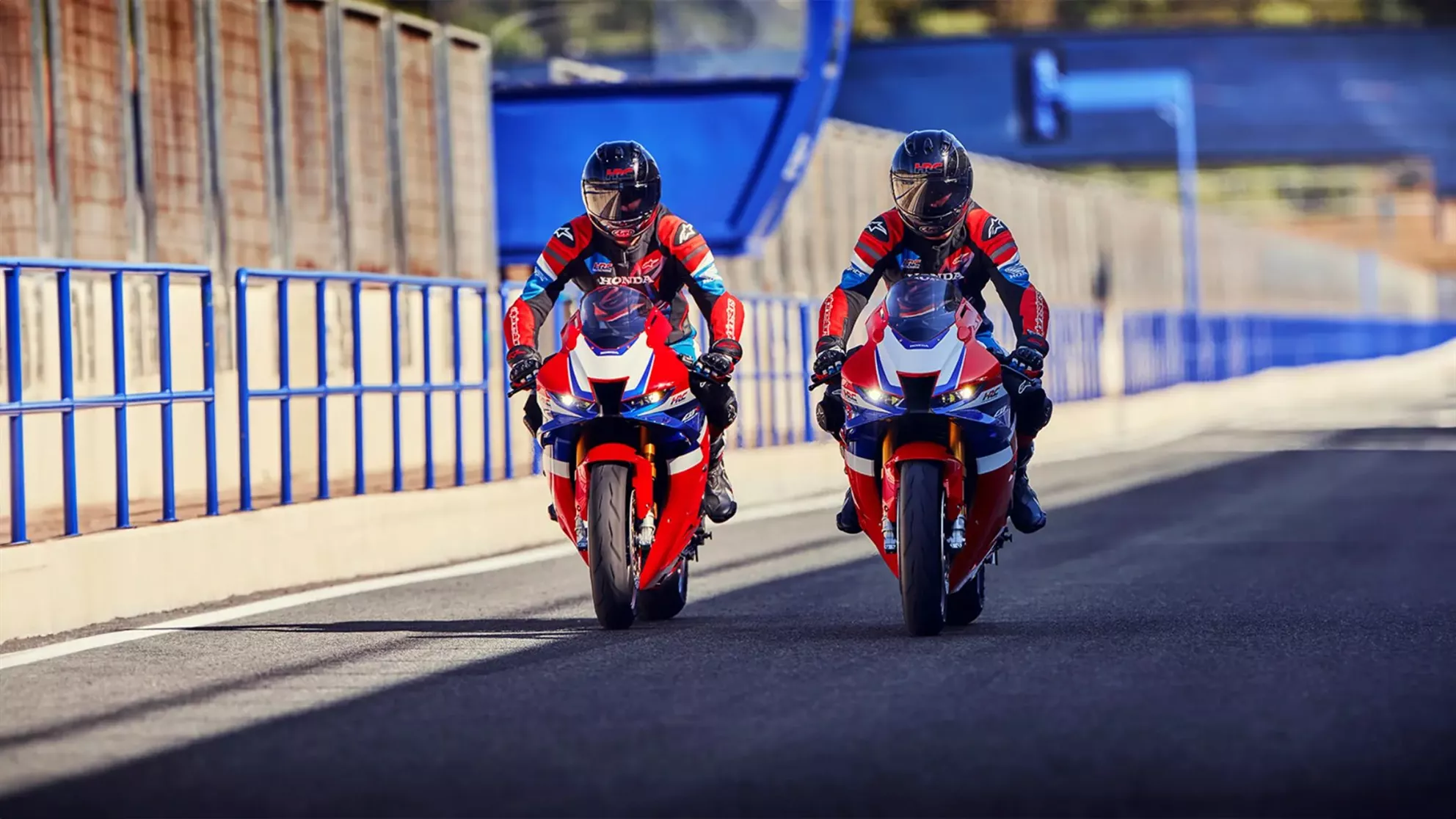
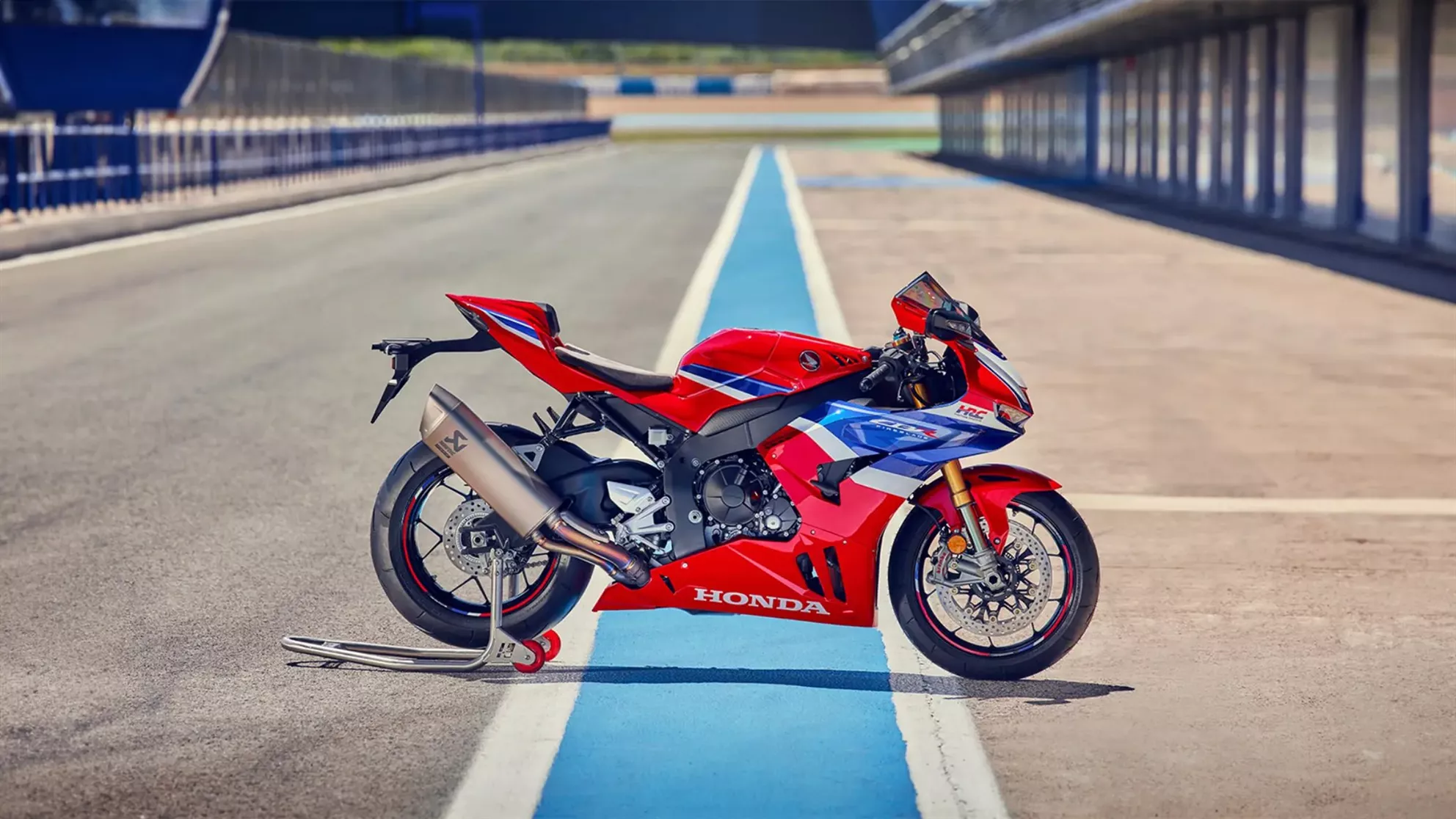
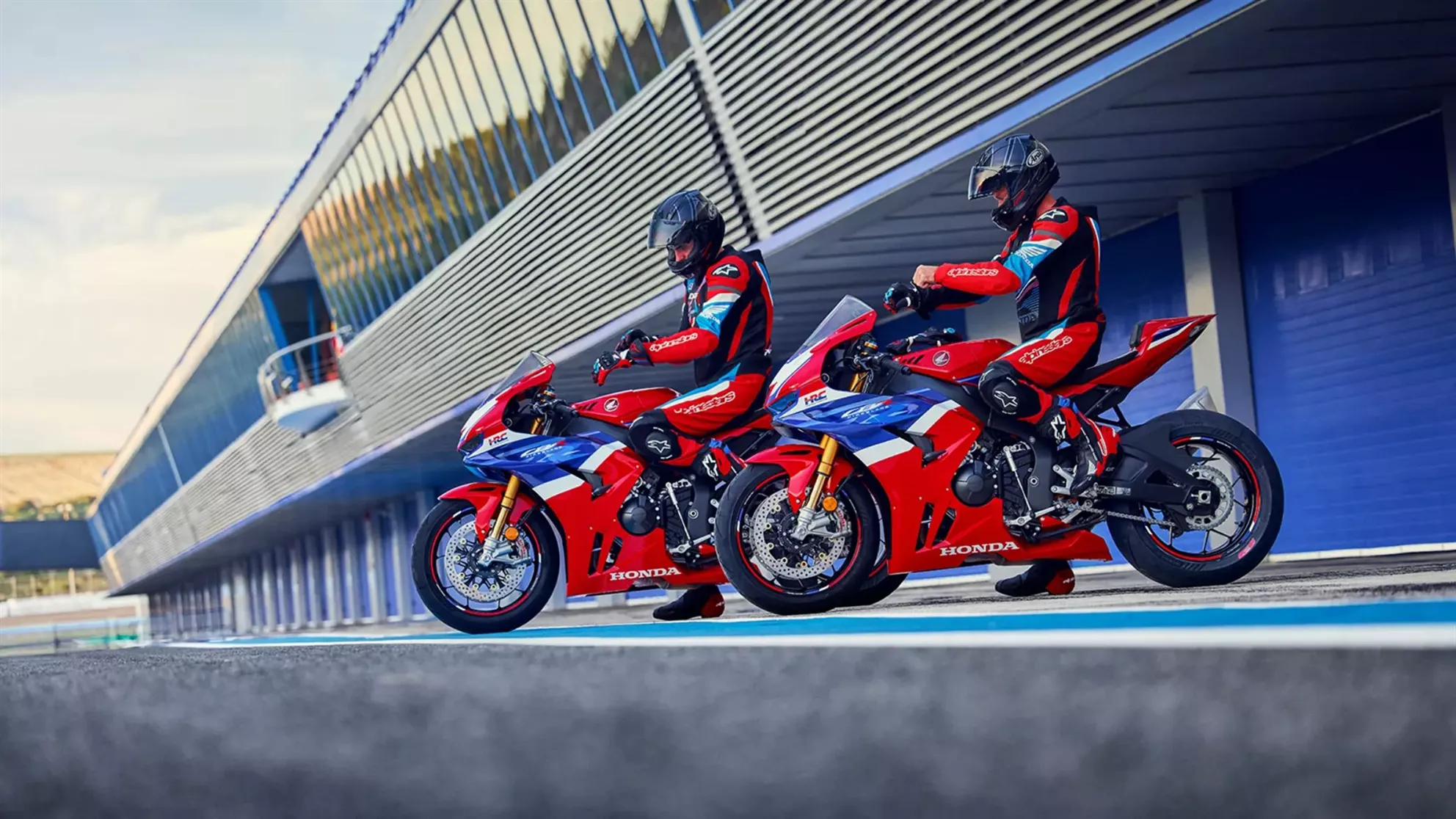
Honda caused a sensation in 2020 with the all-new Fireblade. The iconic brand took its time to transform the previous SC59, introduced in 2008, into a completely revamped and competitive motorcycle. While there were incremental updates to the SC59 over the years, the major overhaul came in 2020 with the SC82 model. Boasting well over 200 hp, a new frame, ride by wire technology, and advanced rider aids, this marked a significant milestone in the Fireblade's history. Despite some minor issues, particularly on the track, Honda addressed these in 2022 with an update that resolved them. With the new EURO5+ emissions standard on the horizon, Honda has once again revamped the Fireblade, implementing numerous changes to ensure it remains a top contender in the market.
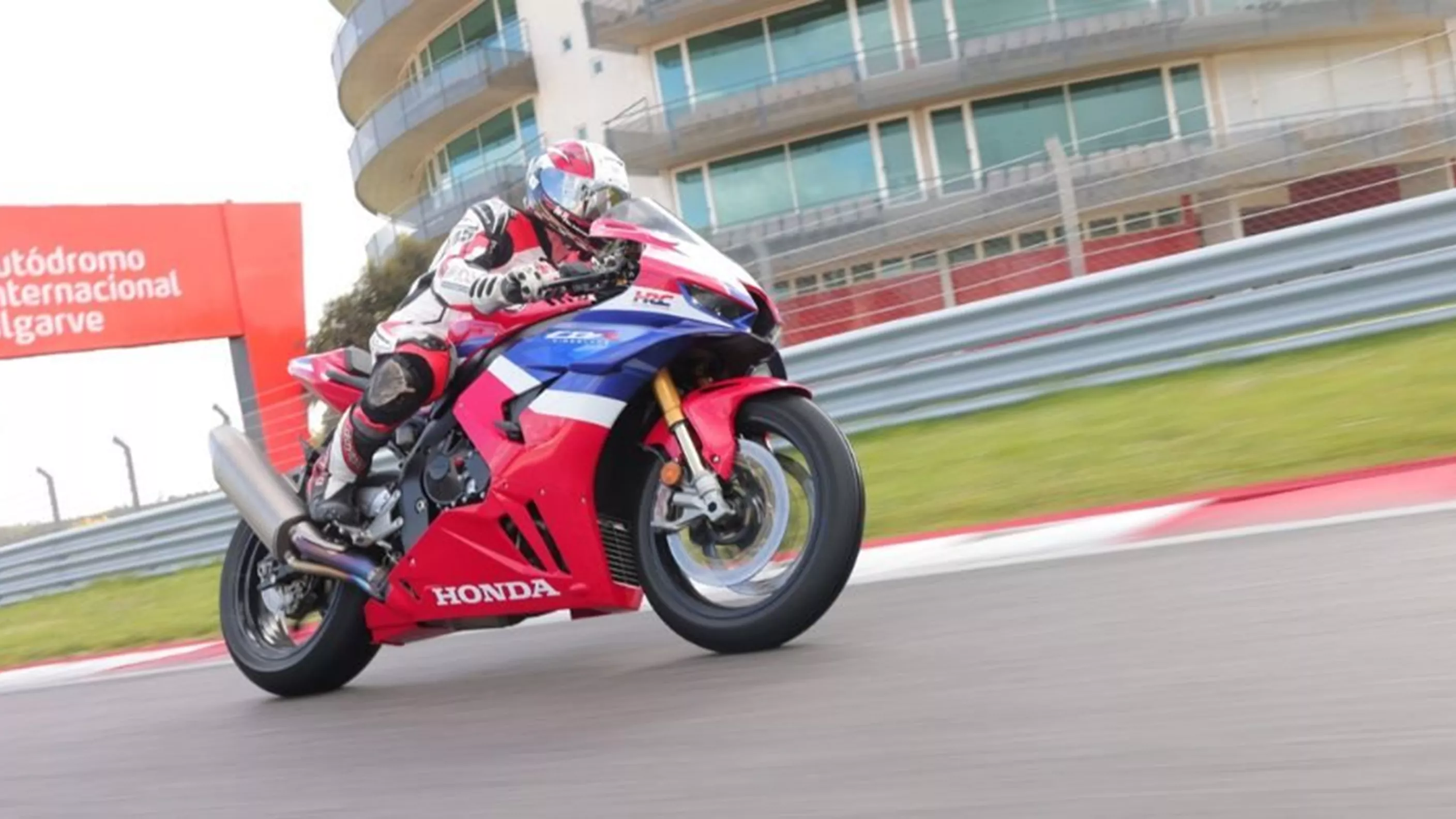
Honda CBR1000RR-R Fireblade 2024 Test
The update of Honda's Fire Blade has it all!
Honda has revised the 2024 Fireblade and made many changes to keep up with the competition in the superbike segment.
&width=72&height=72&bgcolor=rgba_39_42_44_0&mode=crop "Author: Martin_Bauer")
Martin_Bauer
published on 3/13/2024
The engine of the Honda CBR1000RR-R Fireblade 2024
With 217 hp at 14,000 rpm and 113 Nm torque at 12,000 rpm, not much has obviously changed, but in order to be able to deliver this power even in Euro5+, a lot of tricks have been used. The RR-R engine has the same bore and stroke values as the RC213V: 81 mm and 48.5 mm. This will also be retained in model year 2024. However, the valve timing has been changed in terms of valve lift and opening duration. At the same time, the compression ratio was increased from 13.4:1 to 13.6:1. The lighter intake valves (made of titanium) have a diameter of 32.5 mm and are actuated by finger followers, while the exhaust valves measure 28.5 mm in diameter. The valve angle on the intake side is 9°, which reduces the surface area of the combustion chamber and improves combustion efficiency. Also new are elliptical progressive springs for intake and exhaust, while the intake ports have been optimized for gas flow. Friction is further reduced through the use of diamond-like carbon (DLC) coatings on the cams - just like on the RC213V-S. This process was used for the first time on a production motorcycle in model year 2020 and resulted in a 35% reduction in friction losses in the valve train compared to non-DLC-coated cams. In model year 2024, the crankshaft journals and bearing dimensions were further optimized, saving a total of 450 grams of inert mass. Particularly lightweight, forged connecting rods made of TI-64A titanium (a material developed by Honda) save 50 percent in weight compared to the chrome-molybdenum steel versions. They are also 20 g lighter in model year 2024. To cool the pistons, which are now made of more resistant material, multi-point oil nozzles are used, which spray cooling engine oil at several points on the piston crown during each combustion cycle. When this is not required at low engine speeds, ball valves on the nozzles interrupt the oil flow, minimizing oil pressure loss and friction. And the outer flank of the new oil scraper ring has a new shape.
To reduce the overall width, the engine is started by turning the main clutch shaft and not the crankshaft. This design enables a more compact crankshaft. Furthermore, the double use of the primary gear to transmit the rotation of the starter saves additional space. The engine is built short with a small distance between the crankshaft, counter shaft and main shafts. As a result, another 250 g could be saved on the housing. Another important point in the engine modifications is the new design of the gearbox. In the first update of the SC82, Honda optimized the originally much too long overall gear ratio by shortening the secondary gear ratio. Now they have pulled out all the stops and adapted the entire gear ratio. By further shortening the individual gear steps, this not only results in a further reduction in the overall gear ratio, but also a smaller spread between the gears and thus lower speed jumps when changing gear. The titanium exhaust system from Akrapovic is characterized by its moderate dimensions and low weight, which serves to centralize the masses and benefits the lean angle clearance. The exhaust silencer has been given an increased volume (plus 1 liter) and the flap system optimizes both the draft and the peak power. At the same time, noise emissions were reduced by 5 dB(A) in model year 2024. This was particularly important, as the standard silencer on the predecessor was extremely loud when the flap was opened and even caused problems on some racetracks due to the high noise emissions.
Electronics
Honda has spared no effort in this area. While Ride or Throttle by Wire was already in use in 2020, a split throttle valve has now been implemented, allowing for separate control of the opening angle for cylinders 1+2 and 3+4. This system, commonly used in racing electronics, is now a standard feature on the Fireblade for the first time. This enables more precise control of the engine in the lower rev range and at low throttle positions, maximizing power utilization for the rider. As engine speed increases, all throttle valves open simultaneously, delivering increasing thrust up to peak power. Another benefit of the 2-Motor Throttle by Wire is the targeted increase in engine braking torque. During deceleration, when the throttle valves are fully closed, cylinders 3 and 4 open first to enhance engine braking, while cylinders 1 and 2 smoothly open together when throttle is applied for acceleration.
The Honda Selectable Torque Control (HSTC), adjustable in 9 stages, has been enhanced for the 2022 model year. The Fireblade features a slip control system that ensures controlled wheel rotation during drifting by monitoring the slip rate based on front/rear wheel speeds. In 2022, the system was refined to offer more intuitive grip management, with input from HRC riders. The HSTC has been fine-tuned for the updated engine characteristics and transmission gears in the 2024 model year.
Three standard riding modes are available, allowing for customization of engine power and performance characteristics. The Power (P) setting ranges from levels 1 to 5, with 1 providing maximum power. Engine Brake (EB) modulates power at closed throttle across stages 1 to 3, with 1 offering the strongest engine braking controlled by both throttle actuators. Wheelie Control (W) can be adjusted from stages 1 to 3, with 1 providing the least intervention. All settings have been optimized for the 2024 model year.
Wheelie Control utilizes data from the IMU to monitor the lean angle of the CBR1000RR-R, along with front and rear wheel speed sensors, to manage torque at the rear wheel and prevent wheelies without sacrificing acceleration. The CBR1000RR-R also features a Start Mode for race starts, limiting engine speed to 6,000, 7,000, 8,000, or 9,000 rpm - even with the throttle fully open - allowing the rider to focus solely on releasing the clutch and reacting to the starting light.
Chassis and running gear
The frame of the Honda Supersport was and still is made of lightweight aluminum alloys. For the new model, however, a lot of work has been done on rigidity. More is not always better, which is why Honda has removed the stiffening inner ribs, extended the thin-wall area, and optimized the shape of the frame cross-sections for the 2024 model year. A total of 960 grams could be saved on the aluminum structure, while a further 140 grams were saved by using shorter engine mounting bolts. However, the focus of the work was on adjusting the stiffness balance and flex behavior in order to achieve a smooth ride feel and more grip in conjunction with razor-sharp steering precision. Ultimately, the lateral stiffness was reduced by 17% and the torsional stiffness by 15%.
The wheelbase is now 1,455 mm, the steering head angle and caster are 24.7° and 101.9 mm respectively. The weight with a full tank is 201 kg. The front/rear weight distribution is 53/47 percent, while the center of gravity supports quick changes in lean angle. The swingarm is based on the RC213V-S and is composed of 18 individual stamped aluminum parts with different wall thicknesses. It is 622.7 mm long. As with the frame, the horizontal and vertical stiffness are balanced to provide the best grip and feel.
For optimum frame rigidity - and to save additional weight - the upper bracket of the Pro-Link rear suspension is attached to the rear part of the engine block via a mount. This eliminates the upper cross member and also decouples the rear suspension from the steering head. Round, thin-walled aluminum tubes form the very compact subframe. It is attached to the frame from above (not from the sides) in order to make the rear area of the tank and the seat narrower. This results in a compact and aerodynamically efficient riding position. The seat height is 830 mm, whereby the seating position has been slightly modified in model year 2024 to optimize control and freedom of movement for the rider. The handlebar ends are now positioned 19 mm higher and 23 mm narrower, while the footrests are 16 mm lower.
There are two different suspension configurations for the Honda Supersport and the Honda Supersport SP. While the former is based on mechanically adjustable components from the Showa brand, Honda relies on the new 3rd generation electronic suspension from Öhlins for the SP. The Honda Supersport SP is therefore the first production bike in the world to be equipped with an Öhlins 43 mm NPX USD fork of the third S-EC 3.0 (SV) generation. Thanks to the Spool Valve spool valve technology, response, ride quality, and cornering stability are controlled via the suspension stroke and the feeling for the front tire grip is improved. The forks are clamped by upper and lower triple clamps made of forged aluminum; their dimensions also offer more freedom for geometry changes. Matching the race-ready front is an Öhlins TTX36 S-EC 3.0 (SV) shock absorber at the rear, also with spool valve spool valve technology.
The electronically controlled Öhlins suspension elements of the Supersport SP can be fine-tuned as required using the "Öhlins Objective Based Tuning Interface" (OBTi) control software. In addition to the standard settings on the fork and shock absorber, three individual user modes can be configured and saved as required. This allows different settings to be configured for changing conditions such as weather, tire wear, or fuel quantity and then called up or activated while riding. A new feature is a spring preload guide, which recommends the correct spring setting for the front/rear depending on the rider's weight for electronic control. Both variants of the Supersport are based on the electronic steering damper, which adjusts the damping depending on the riding speed and riding condition. Of course, the new superbike also has cornering ABS, which can be operated in various modes. STANDARD, TRACK, and RACE. STANDARD mode is optimized for road use with high braking power and less lean angle, while TRACK mode calculates the braking power for use on racetracks and at significantly higher speeds and harder braking. RACE mode switches off the cornering ABS on the rear wheel and leaves the modulation of the braking force to the rider.
Aerodynamics
Aerodynamics are becoming increasingly important in the world of motorcycles. They play a crucial role in harnessing the immense power of the Honda Supersport while maintaining high stability. In 2020, Honda introduced winglets on the fairing of the Fireblade for the first time. These winglets have been further refined for the new model, based on additional experience, and the rest of the fairing has been optimized to enhance airflow and seamlessly integrate the rider into the aerodynamic profile. The tank cover sits low to reduce frontal area behind the fairing when the rider is in a racing position. The tank cover has been redesigned on the sides to improve knee clearance, and the tank capacity has been increased by 0.4 liters to 16.5 liters. The windshield is positioned at a 35-degree angle (already designed for minimal air resistance) to ensure smooth airflow over the rider and seat cowl.
HRC Race Kit (not for road use)
Honda Racing Corporation (HRC) has once again created a race kit specifically for the Honda CBR1000RR-R, aimed at enhancing its performance on the track. This HRC Race Kit includes an ECU control unit, wiring harness, cylinder head gasket, clutch, rear wheel quick-change device, and a high-performance racing exhaust system.
Driving behavior
A major improvement that is immediately noticeable when sitting on the Honda Supersport is the revised seating position. In the previous model, the seating position was almost too aggressive, especially for the racetrack, putting the rider in a very demanding posture. This was not well-received, especially for street riding. With the higher handlebars and shorter distance to the seat, the result is a much more relaxed and comfortable riding position without compromising on sportiness. Despite meeting the EURO5+ standards, the engine modifications have not led to any noticeable loss in performance. In fact, there have been slight improvements in mid-range power. For track use, the EURO restrictions can be removed to unleash the engine's full potential, resulting in up to +15PS in the mid-range compared to the previous model, a trend likely to continue with the 2024 version.
The new split throttle valves are expected to greatly assist riders, particularly on the racetrack. Power is now only delivered to 2 cylinders with a unique sound when the throttle is applied, ensuring smooth load changes and aiding the rider with gentle load absorption, especially at the apex. The TC control has also been enhanced, offering more precise control options and making it easier for riders to navigate near the limit. The improved frame with increased flexibility helps absorb bumps better, especially at high lean angles where the suspension's effectiveness is limited. This is particularly noticeable on bumpy bends in the acceleration zone, with the new Fireblade handling them better without compromising grip or requiring the rider to back off the throttle.
The new Öhlins suspension on the SP model is a delight on the racetrack, even in automatic mode. The refined control algorithms and new valve technology contribute to better control behavior, allowing for optimal damping settings based on riding conditions. The shorter gear ratio is advantageous on the track, as road gear ratios are typically too long. The electronics now automatically adjust gear ratios based on speed sensors, preventing errors and optimizing control quality. While there are limits to this system, the developers have not specified them yet. However, further testing with the Honda Supersport will reveal more information.
- How much does a Honda CBR1000RR-R Fireblade cost?
- Here you will find an overview of the price level of new and used motorbikes!
&width=60&height=60&bgcolor=rgba_39_42_44_0&mode=crop "Author: Martin_Bauer")
Honda CBR1000RR-R Fireblade 2024 - Experiences and Expert Review
Martin_Bauer
For the fact that Honda has actually only announced an update, hardly a stone has been left unturned on the new Fire Blade. Some of the innovations are of course due to the new EURO standard, but many are really aimed at improving drivability. I am very pleased that, especially in times like these, when more and more manufacturers are withdrawing from the high-performance and expensive superbike segment, Honda is once again using its full development power to improve what is already good and thus show what is technically feasible. Because even if these motorcycles are no longer affordable for many of us, they still demonstrate the know-how or the technical possibilities. And over time, these will also find their way into the 0-8-15 motorcycles from which the majority of motorcyclists will then also benefit.
Honda CBR1000RR-R Fireblade 2024 Test Images
Source: 1000PS