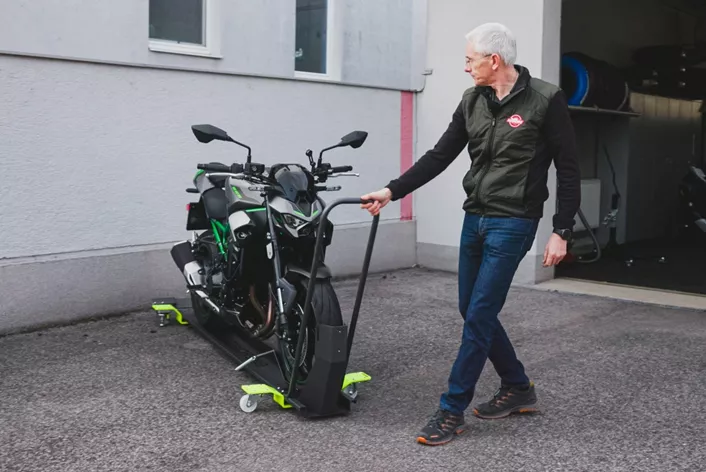
Fuel, air, and ignition - that's all an engine really needs to function. Unfortunately, starting problems often involve more than you might think. If your bike won't start, we have some valuable tips that might help you out.
Motorcycle won't start? This could be the reason!
Tips & Tricks
Starting problems are a frustrating challenge for every rider. In this article, we will shed light on the most common causes of starting difficulties in bikes and offer practical solutions for them.
&width=72&height=72&bgcolor=rgba_39_42_44_0&mode=crop "Author: Der Horvath")
Der Horvath
published on 2/27/2024
52,942 Views
1. Battery Issues
One of the main causes of starting problems often lies in the battery. A weak or discharged battery can result in the bike not starting. A healthy battery should have a voltage in the range of about 12.6 volts. The solution is to charge the battery or replace it with a new one if necessary. However, if you need your bike immediately, you can also bump start it - it's best to get some help for this. Engage the first or second gear, sit in the saddle, and have your bike pushed. Once you have enough momentum, quickly release the clutch - your bike should start then.
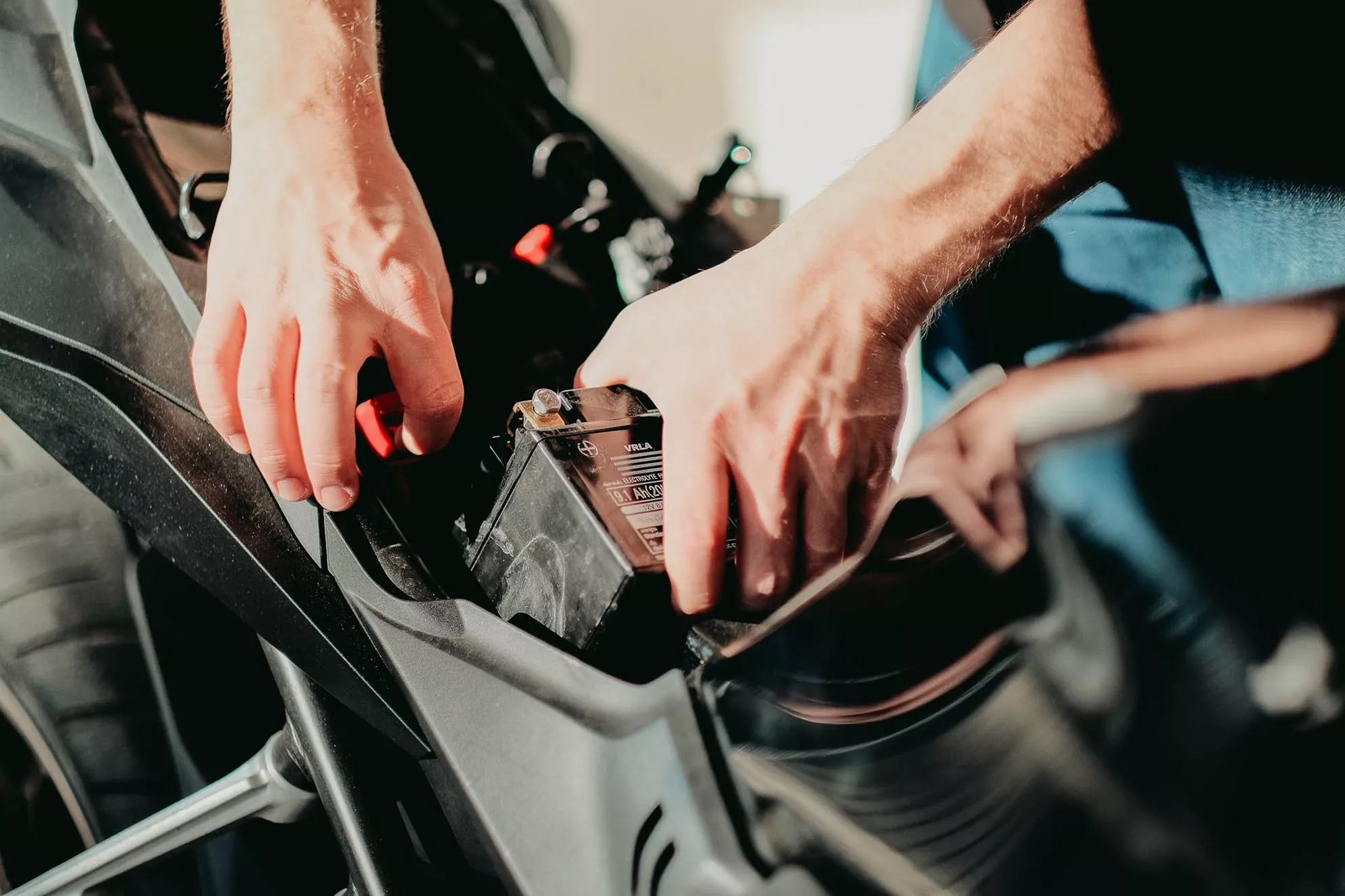
When nothing else helps, a new battery is needed.
If the battery is in good condition, the problem might also lie with the starter. Check it for visible damage and listen for unusual noises. Also, inspect the starter relay for proper functionality. You can measure this with a voltmeter.
2. Fuel System
Another common reason for starting difficulties lies in the fuel system. Make sure the fuel tank contains enough fuel. Sometimes the fuel gauge can be inaccurate, so try adding extra fuel to ensure this isn't the problem. Also, check the fuel filter for clogs. A clean fuel system ensures a smooth engine start. A clogged filter can hinder the fuel flow and lead to starting problems.
3. Ignition
Dirty or worn spark plugs can not only affect combustion efficiency, but they can also cause starting problems. Remove the spark plugs and check their condition. Clean or replace the spark plugs as needed and ensure the electrodes have the correct gap. At the same time, check the ignition coils for damage. A functioning ignition system is crucial for a strong spark at the spark plugs.
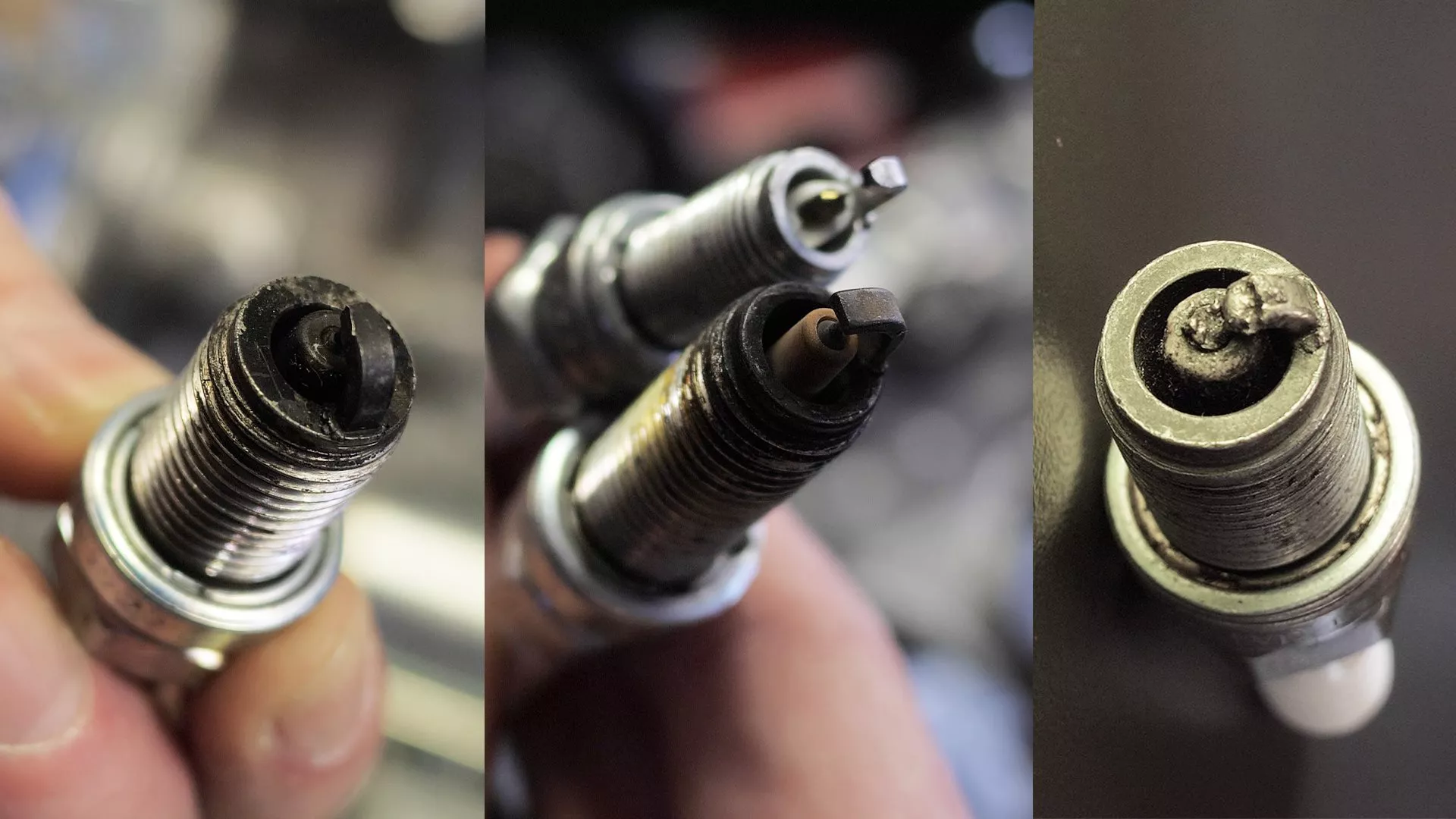
Spark plugs show us when something is wrong. On the left, a sooty spark plug after running too cold. On the right, a melted spark plug after a much too hot engine. In the middle, in the foreground, the nice, rust-brown coated spark plug from ideal operation.
4. Air Filter
A neglected or dirty air filter can impair the airflow to the engine. Make sure the air filter is clean and properly installed to ensure optimal performance.
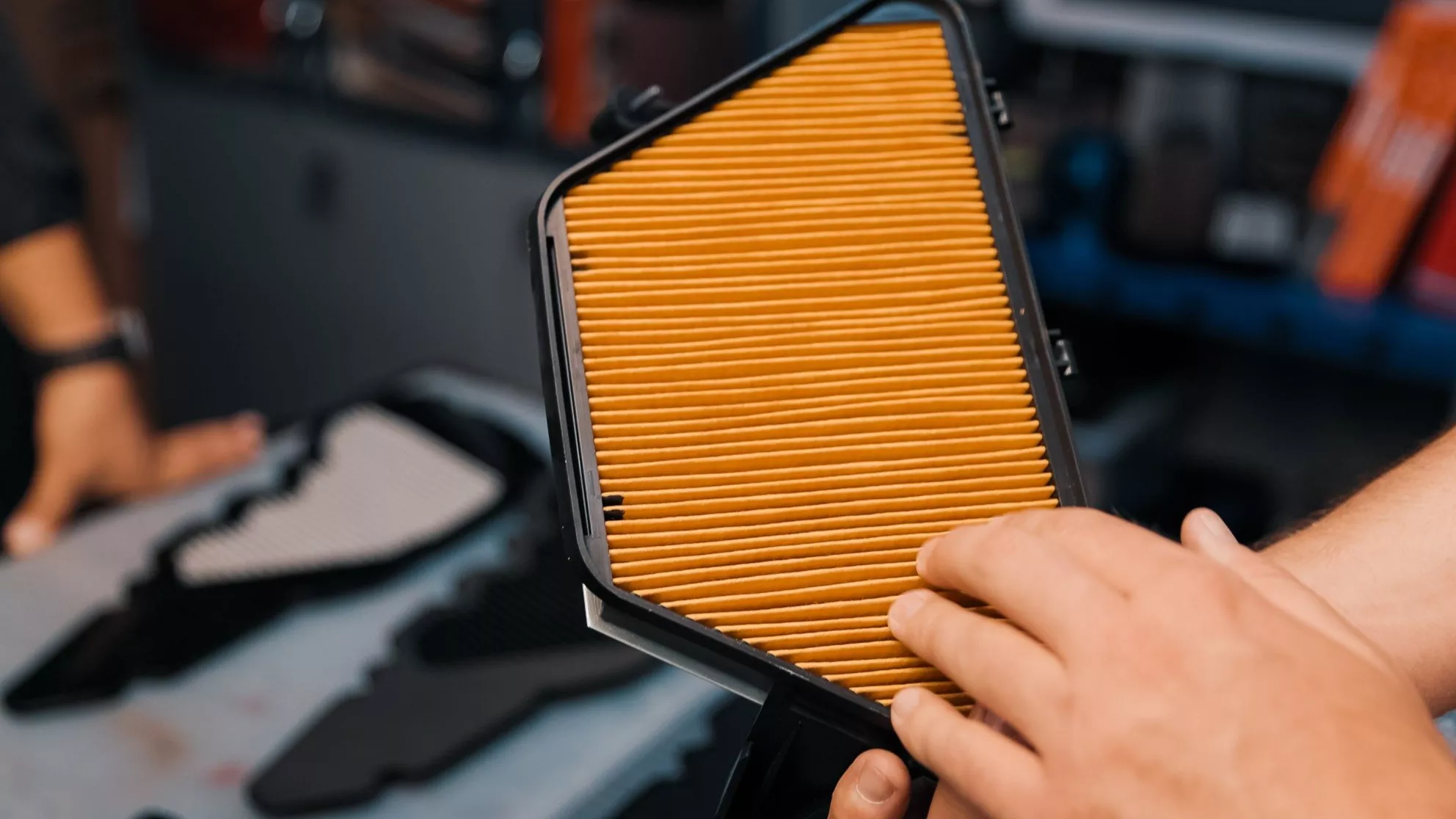
This is how a new air filter should look.
5. Cables and Connections
Examine all electrical cables and connections for damage or loose connections. Sometimes a poor contact can affect starting. Here, too, you can use a voltmeter to check the electrical connections.
Conclusion:
Fixing starting issues requires a systematic approach and a thorough inspection of various components. By performing regular maintenance and paying attention to these key aspects, you can minimize the likelihood of starting difficulties and enhance the riding experience on your bike. However, if problems persist, it is advisable to seek professional assistance to obtain an accurate diagnosis and solution.