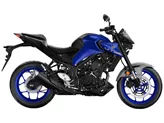
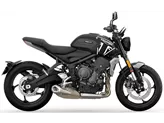
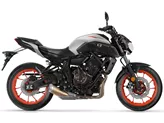
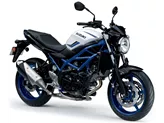
Suzuki SV 650 2016 vs. Yamaha MT-07 2022
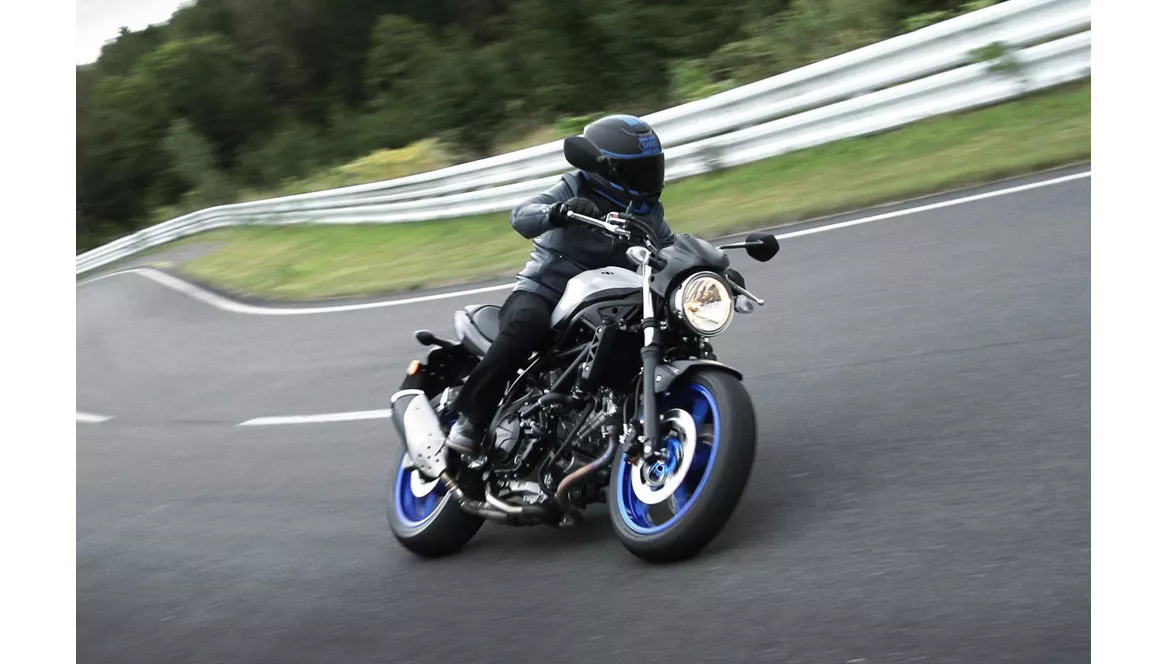
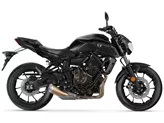
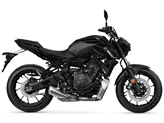
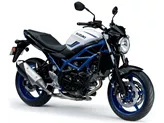
Suzuki SV 650 2016
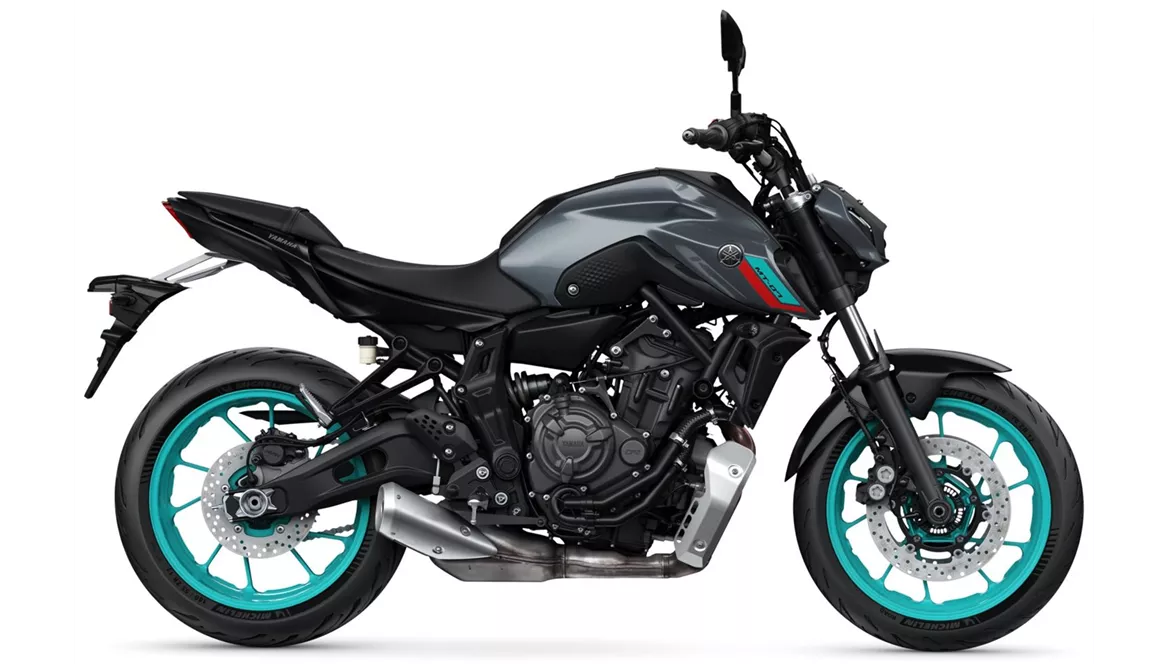
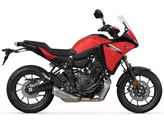
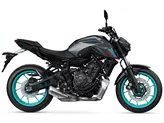
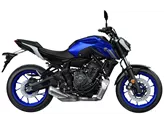
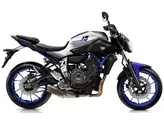
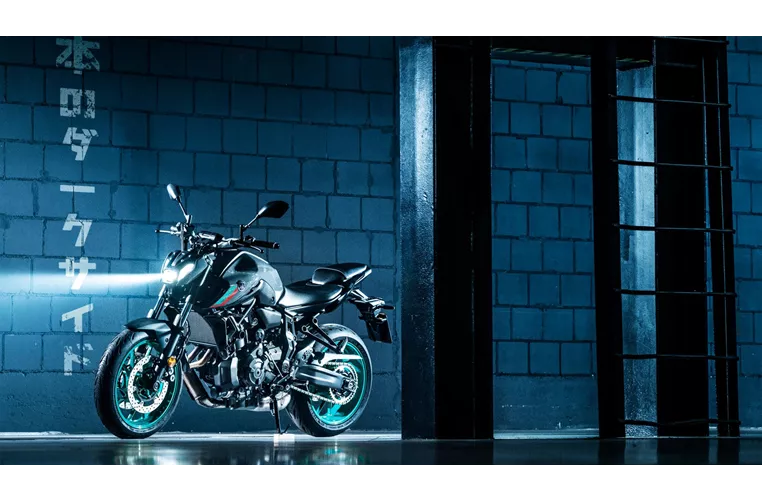
Yamaha MT-07 2022
Overview - Suzuki SV 650 2016 vs Yamaha MT-07 2022
The Suzuki SV 650 model year 2016 and the Yamaha MT-07 model year 2022 are both popular naked bikes with similar engine types, fuel systems, and cooling systems. However, there are some notable differences between the two models.
In terms of engine power, the Suzuki SV 650 2016 has a slightly higher output with 76 HP compared to the Yamaha MT-07 2022's 73.4 HP. The Suzuki also has a torque of 64 Nm, while the Yamaha has a torque of 67 Nm. Both bikes have a 2-cylinder engine and use fuel injection systems.
Both bikes feature a telescopic fork front suspension and a swing arm rear suspension with a monoshock absorber. The chassis of both bikes is made of steel, providing stability and durability. The front brakes on both models are double disk, but the Yamaha MT-07 2022 has a slightly larger diameter at 298 mm compared to the Suzuki SV 650 2016's 290 mm.
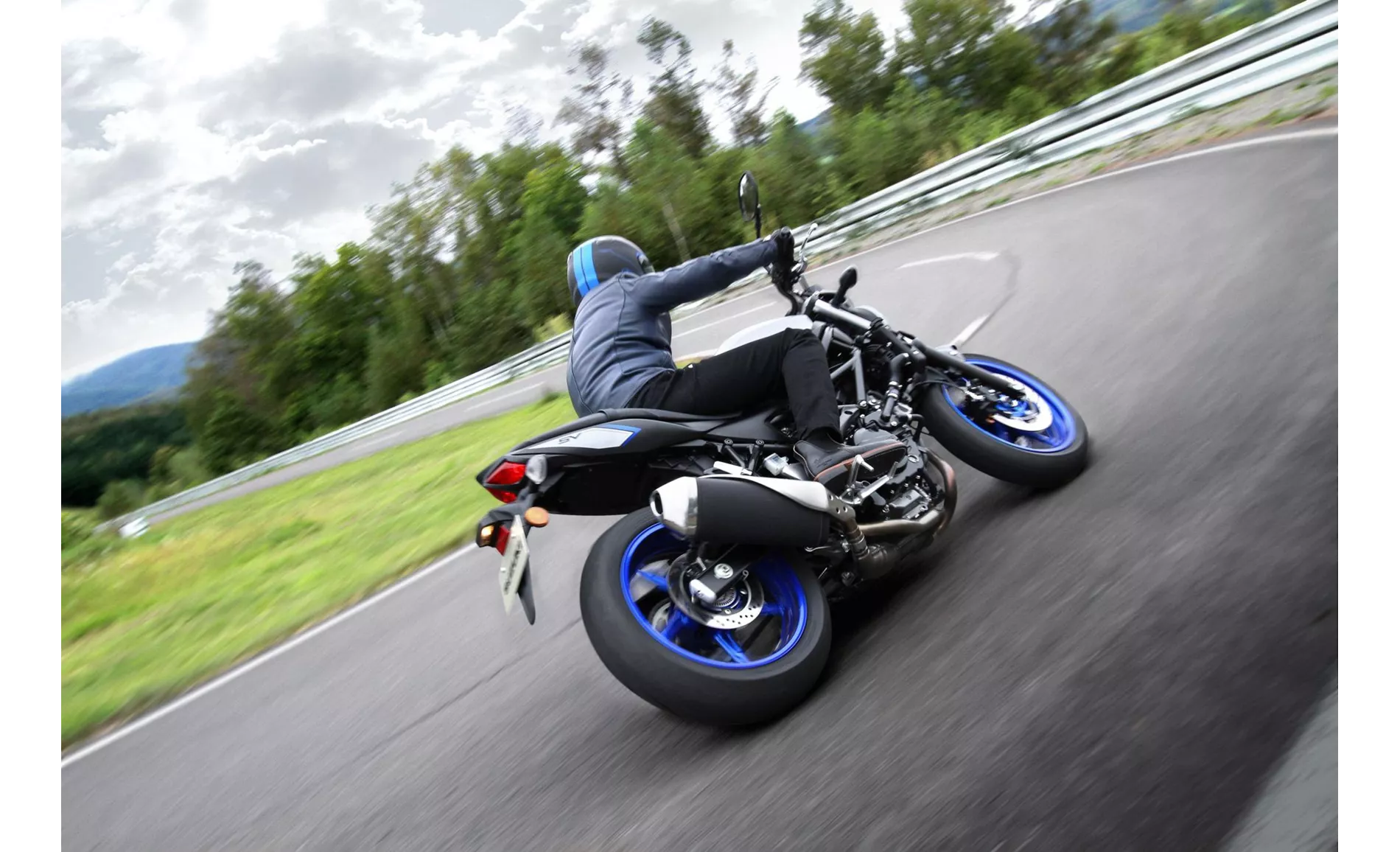
Suzuki SV 650 2016
In terms of dimensions and weights, the Yamaha MT-07 2022 has a slightly wider rear tire at 180 mm compared to the Suzuki SV 650 2016's 160 mm. The wheelbase of the Yamaha is also slightly shorter at 1400 mm, while the Suzuki has a wheelbase of 1445 mm. The seat height of the Yamaha is slightly higher at 805 mm compared to the Suzuki's 785 mm. The Yamaha also has a slightly lower kerb weight with ABS at 184 kg, while the Suzuki weighs 197 kg.
Both bikes come equipped with advanced rider assistance systems such as ABS, ensuring safer braking. The Suzuki SV 650 2016 has a fuel tank capacity of 13.8 liters, while the Yamaha MT-07 2022 has a slightly larger capacity at 14 liters.
In terms of strengths, the Suzuki SV 650 2016 is praised for its agile and powerful engine, delivering a typical V2 sound. It also offers a pleasant and low seating position, making it comfortable for riders. The bike is known for its easy handling and comfortable chassis, as well as brakes with good control.
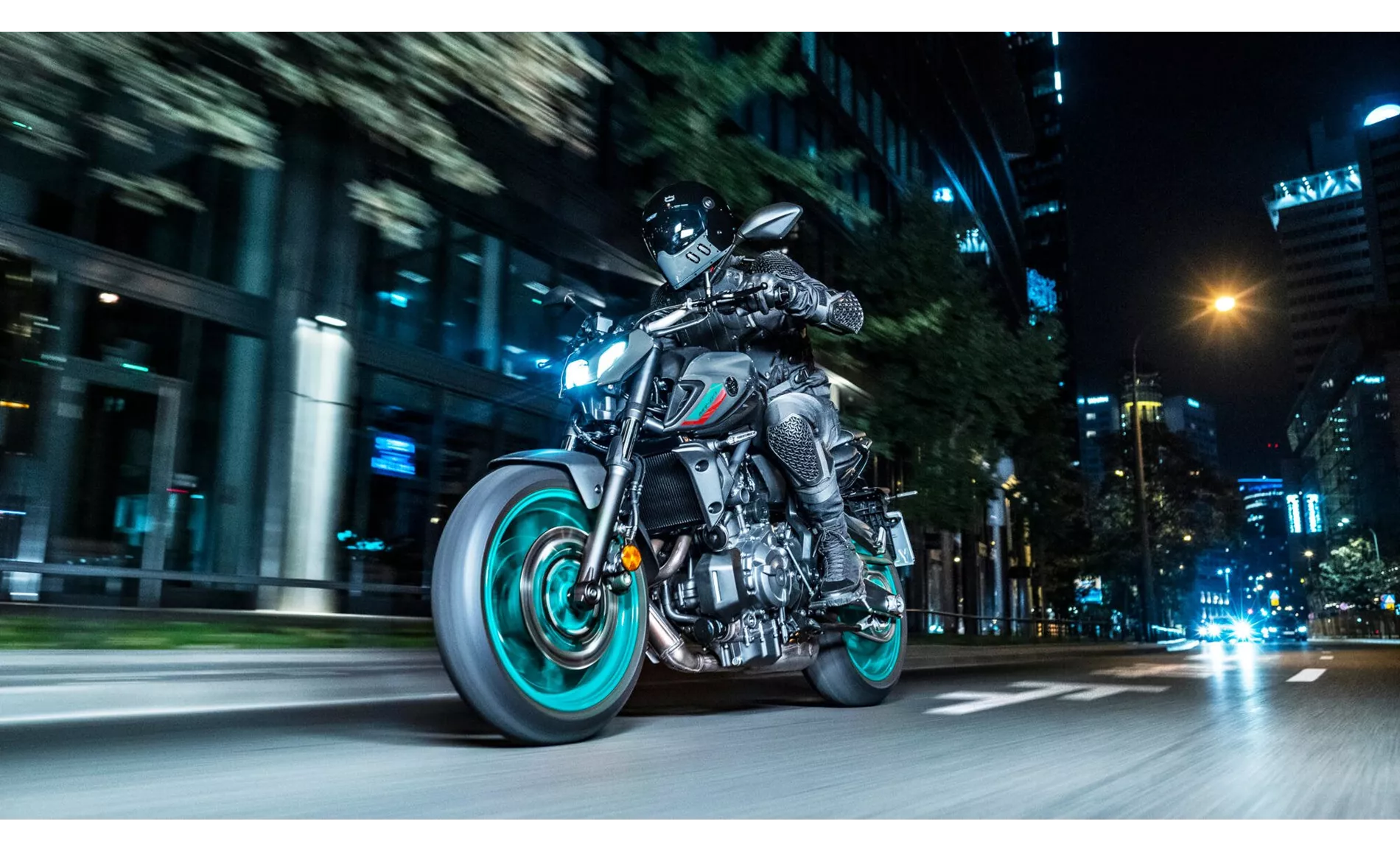
Yamaha MT-07 2022
On the other hand, the Yamaha MT-07 2022 is praised for its lively and powerful engine, providing a good sound experience. It offers a comfortable seating position and has a good braking system. The instruments on the Yamaha are also easy to read, enhancing the overall riding experience.
However, the Suzuki SV 650 2016 has a weakness in its poorly readable digital tachometer, which may be inconvenient for some riders. The Yamaha MT-07 2022, on the other hand, lacks an adjustable chassis and does not have a TFT display.
In summary, both the Suzuki SV 650 2016 and the Yamaha MT-07 2022 are solid naked bikes with their own strengths and weaknesses. The Suzuki offers a powerful and agile engine, comfortable seating position, and easy handling, while the Yamaha provides a lively engine, comfortable ride, and good braking system. Ultimately, the choice between the two models will depend on the rider's preferences and priorities.
Technical Specifications Suzuki SV 650 2016 compared to Yamaha MT-07 2022
Pros and Cons in comparison
Pros and Cons in comparison
Suzuki SV 650 2016
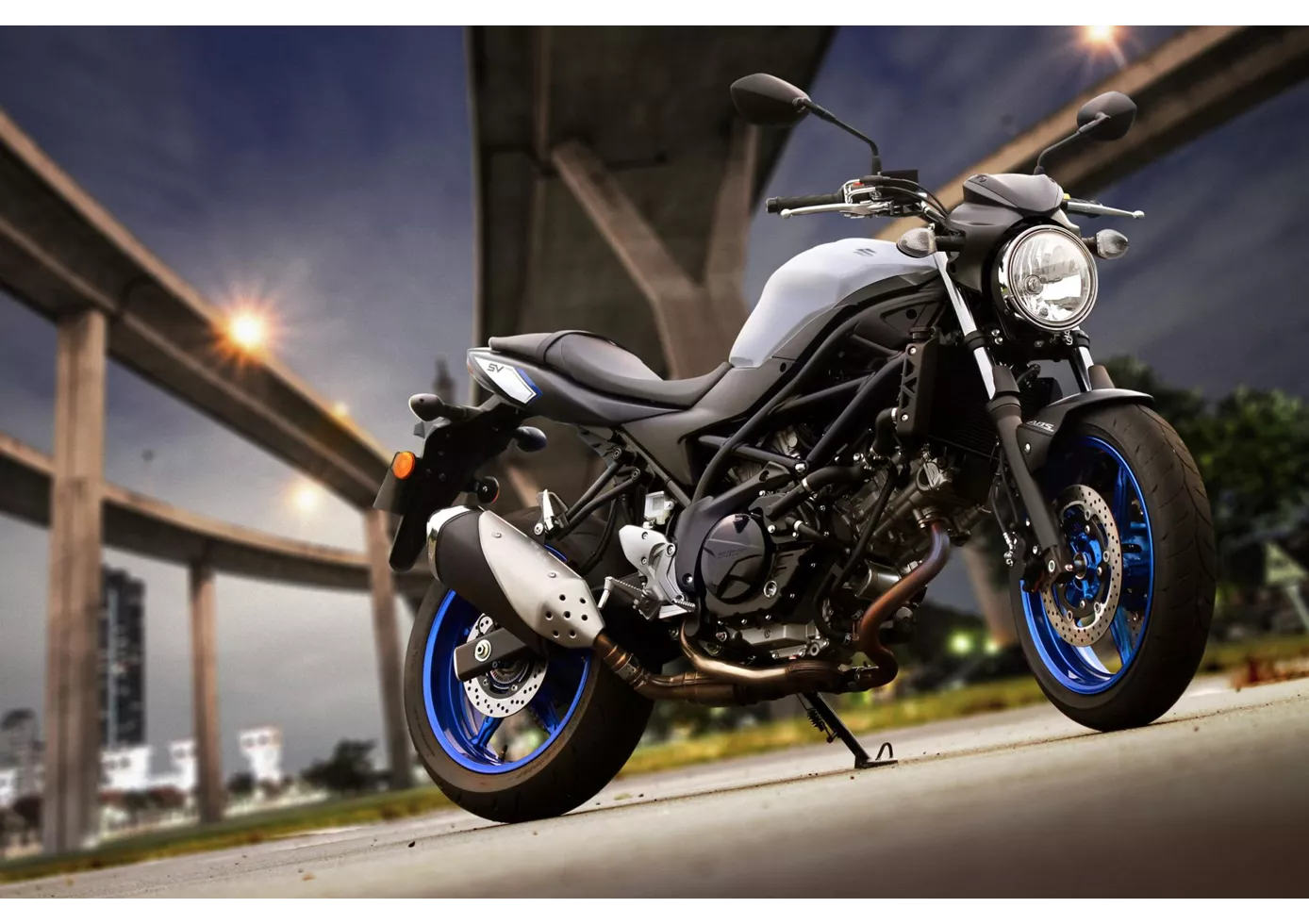
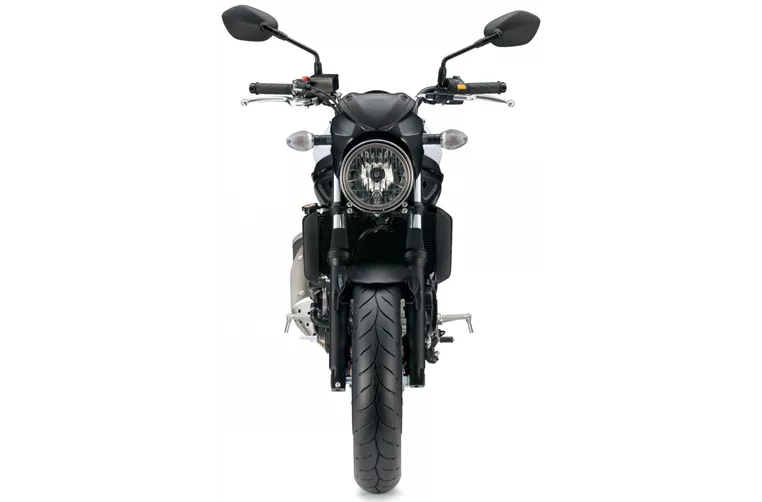
The Suzuki SV 650 is accompanied by a long history of success that is sure to continue for a long time. Its supple V2 impresses with very smooth response and plenty of torque. Compact dimensions help to make the motorbike look very compact. This will be very convenient for beginners. The chassis also scores with playful handling. Unfortunately, the braking effect is not at the level one would expect from such a powerful vehicle.
Yamaha MT-07 2022
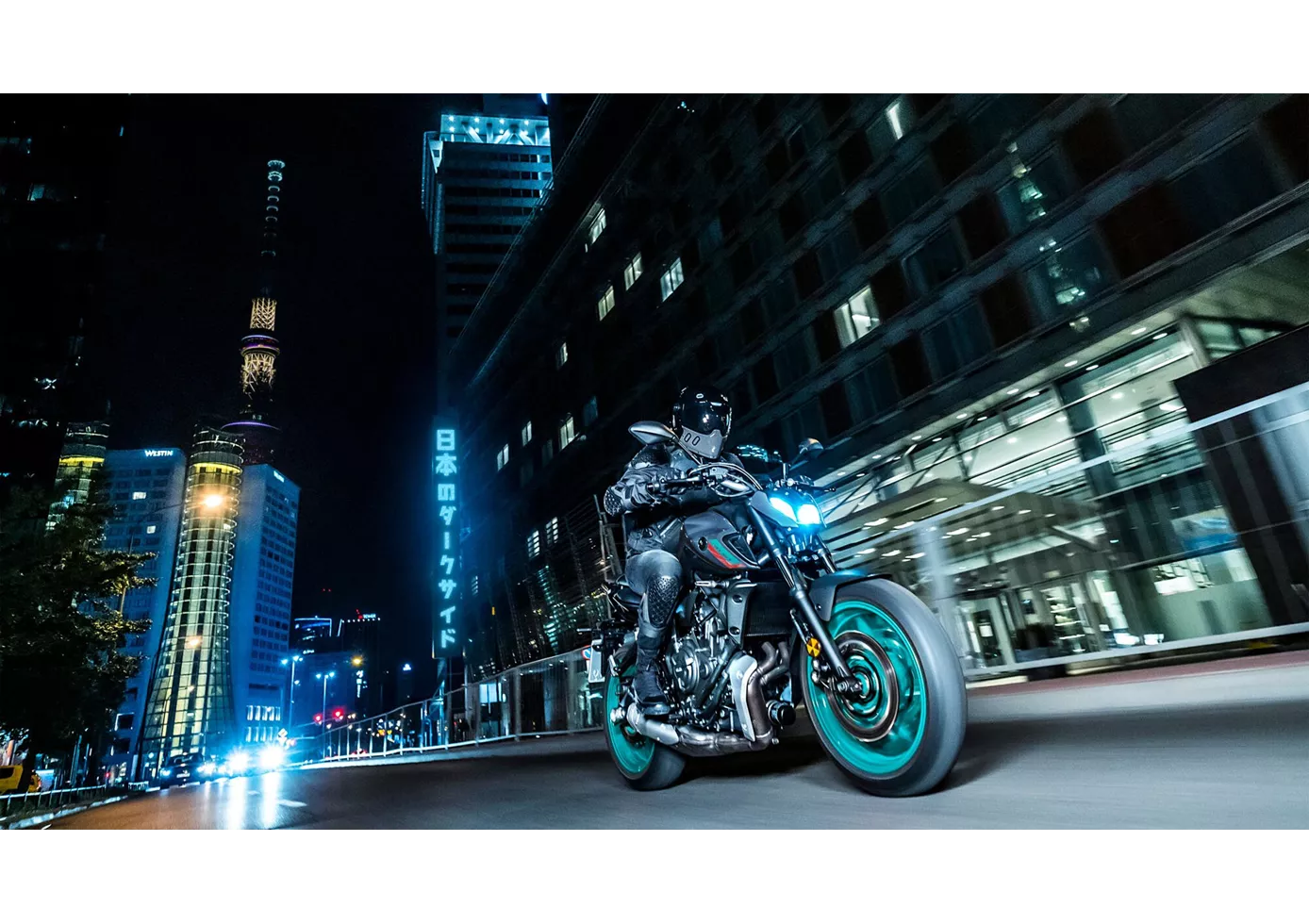
In model year 2023, the MT-07 is still a good and universally usable motorbike. Its problem is the tough competition. In a direct comparison, the engine now seems a bit limp and the equipment a bit uninspiring. The good riding position and uncomplicated handling are still good.
Price Comparison Average Market Price Suzuki SV 650 vs Yamaha MT-07
There are a few key differences between a Suzuki SV 650 2016 and a Yamaha MT-07 2022. In terms of price, the actual average price of a Yamaha MT-07 2022 is about 36% higher. Compared to Yamaha MT-07 2022 there are less Suzuki SV 650 2016 bikes available on the 1000PS.de Marketplace, specifically 11 compared to 52. It takes less time to sell a Suzuki SV 650 with 80 days compared to 109 days for a Yamaha MT-07. Since model year 2005 1000PS.de editors have written 25 reviews for the Suzuki SV 650 and 69 reviews for the Yamaha MT-07 since model year 2013. The first review for the Suzuki SV 650 was published on 26/09/2008 and now has more than 14,200 views. This compares to more than 12,600 views for the first review on Yamaha MT-07 published on 04/11/2013.