Suzuki GSR 750 2011 vs. Kawasaki Z650 2017
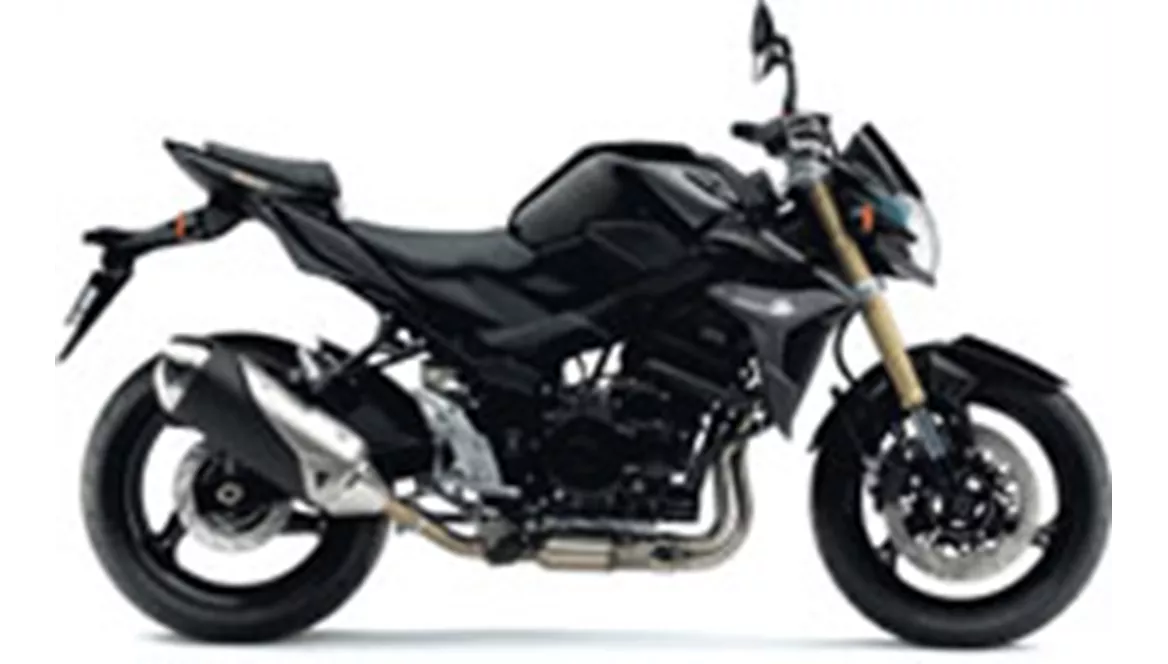
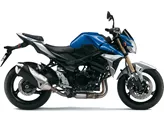
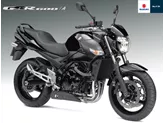
Suzuki GSR 750 2011

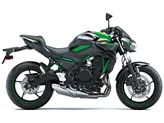
Kawasaki Z650 2017
Overview - Suzuki GSR 750 2011 vs Kawasaki Z650 2017
The Suzuki GSR 750 2011 and the Kawasaki Z650 2017 are both naked bikes with similar engine types, inline configurations. However, there are several differences in their specifications and strengths.
In terms of engine power, the Suzuki GSR 750 2011 has a more powerful engine with 106 HP compared to the Kawasaki Z650 2017's 68.2 HP. This means that the Suzuki GSR 750 2011 will offer more acceleration and top speed capabilities. Additionally, the Suzuki GSR 750 2011 has a higher torque of 80 Nm compared to the Kawasaki Z650 2017's 65.7 Nm, which will provide better low-end power and responsiveness.
Both bikes have different cylinder configurations, with the Suzuki GSR 750 2011 having 4 cylinders and the Kawasaki Z650 2017 having 2 cylinders. The higher number of cylinders in the Suzuki GSR 750 2011 generally results in smoother power delivery and better overall performance.
In terms of chassis, both bikes have steel frames, but the Suzuki GSR 750 2011 has a twin-tube frame while the Kawasaki Z650 2017 has a tubular frame. The twin-tube frame of the Suzuki GSR 750 2011 provides better stability and handling, making it more suitable for aggressive riding. On the other hand, the tubular frame of the Kawasaki Z650 2017 offers a sporty feel and is more compact, making it easier to maneuver in tight spaces.
Suzuki GSR 750 2011
Both bikes have double disc brakes with double piston calipers at the front, ensuring excellent braking performance. The dimensions and weights of the front and rear tires are similar for both bikes, with the only notable difference being the rear tire width, with the Suzuki GSR 750 2011 having a wider tire at 180 mm compared to the Kawasaki Z650 2017's 160 mm. This wider rear tire on the Suzuki GSR 750 2011 provides better traction and stability during cornering.
In terms of dimensions, the Suzuki GSR 750 2011 has a longer wheelbase at 1450 mm compared to the Kawasaki Z650 2017's 1410 mm. This longer wheelbase contributes to better stability at high speeds for the Suzuki GSR 750 2011. The seat height of the Suzuki GSR 750 2011 is also higher at 815 mm compared to the Kawasaki Z650 2017's 790 mm, which may be more comfortable for taller riders.
In terms of weight, the Suzuki GSR 750 2011 is heavier with a kerb weight of 211 kg compared to the Kawasaki Z650 2017's 185 kg. This may affect the maneuverability and agility of the Suzuki GSR 750 2011, especially in tight corners.
Both bikes have different fuel tank capacities, with the Suzuki GSR 750 2011 having a larger capacity at 17.5 liters compared to the Kawasaki Z650 2017's 15 liters. This means that the Suzuki GSR 750 2011 will have a longer range before needing to refuel.
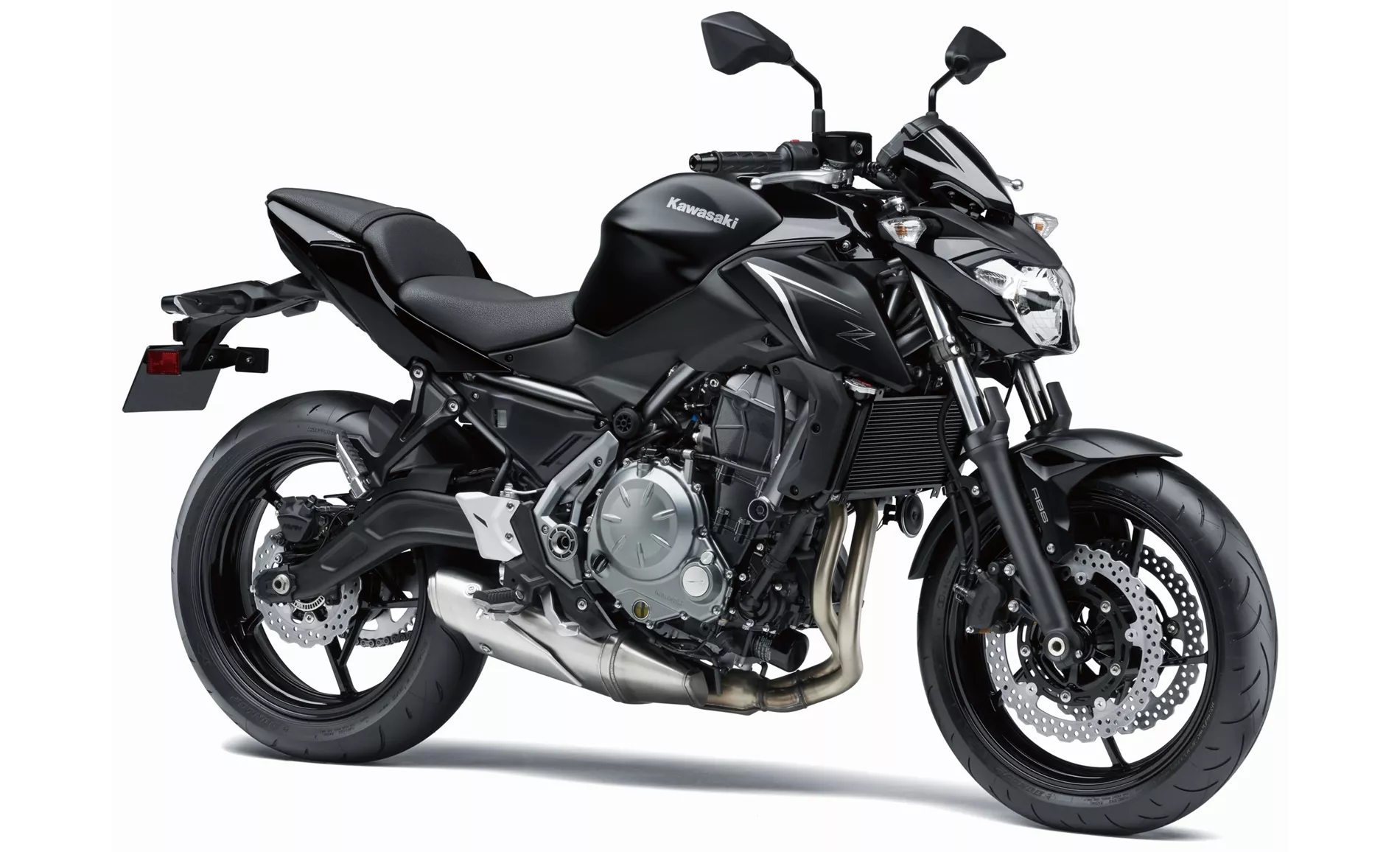
Kawasaki Z650 2017
In terms of strengths, the Suzuki GSR 750 2011 has a powerful engine, aggressive looks, optimum comfort, and a firm, sporty chassis. These qualities make it a suitable choice for riders looking for a bike with both performance and comfort.
On the other hand, the Kawasaki Z650 2017 offers even power delivery, a sporty chassis, compact dimensions, and a negative display. The even power delivery of the Kawasaki Z650 2017 ensures a smooth and predictable riding experience, while the sporty chassis and compact dimensions make it agile and easy to handle. The negative display adds a modern and stylish touch to the bike's overall design.
In terms of weaknesses, the Suzuki GSR 750 2011 may require additional investments for extreme speeds, indicating that some modifications or upgrades may be necessary to fully unleash its potential. On the other hand, the Kawasaki Z650 2017 may be a little too small for tall riders, potentially compromising comfort for those with a larger stature.
Overall, both the Suzuki GSR 750 2011 and the Kawasaki Z650 2017 have their own strengths and weaknesses. The Suzuki GSR 750 2011 is more powerful and offers a more aggressive riding experience, while the Kawasaki Z650 2017 is more compact and offers a sporty yet comfortable ride. Ultimately, the choice between the two will depend on the rider's preferences and priorities.
Technical Specifications Suzuki GSR 750 2011 compared to Kawasaki Z650 2017
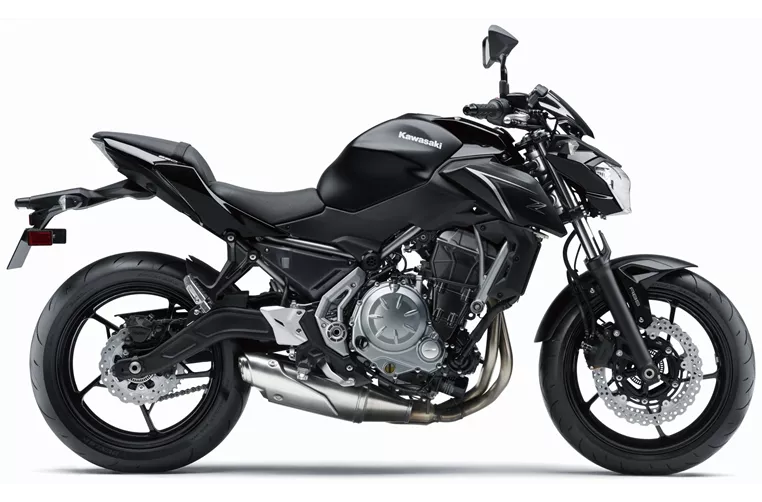
Pros and Cons in comparison
Pros and Cons in comparison
Suzuki GSR 750 2011

A razor-sharp design with an aggressive front and narrow rear - just as speedy street raiders have always wanted. It is a pity that the rear swingarm was neglected (officially for weight reasons, unofficially for cost reasons), and the front dual-piston brake system seems a little weak. However, the performance during the ride, both at high speed and in tight corners, is quite good.
Kawasaki Z650 2017
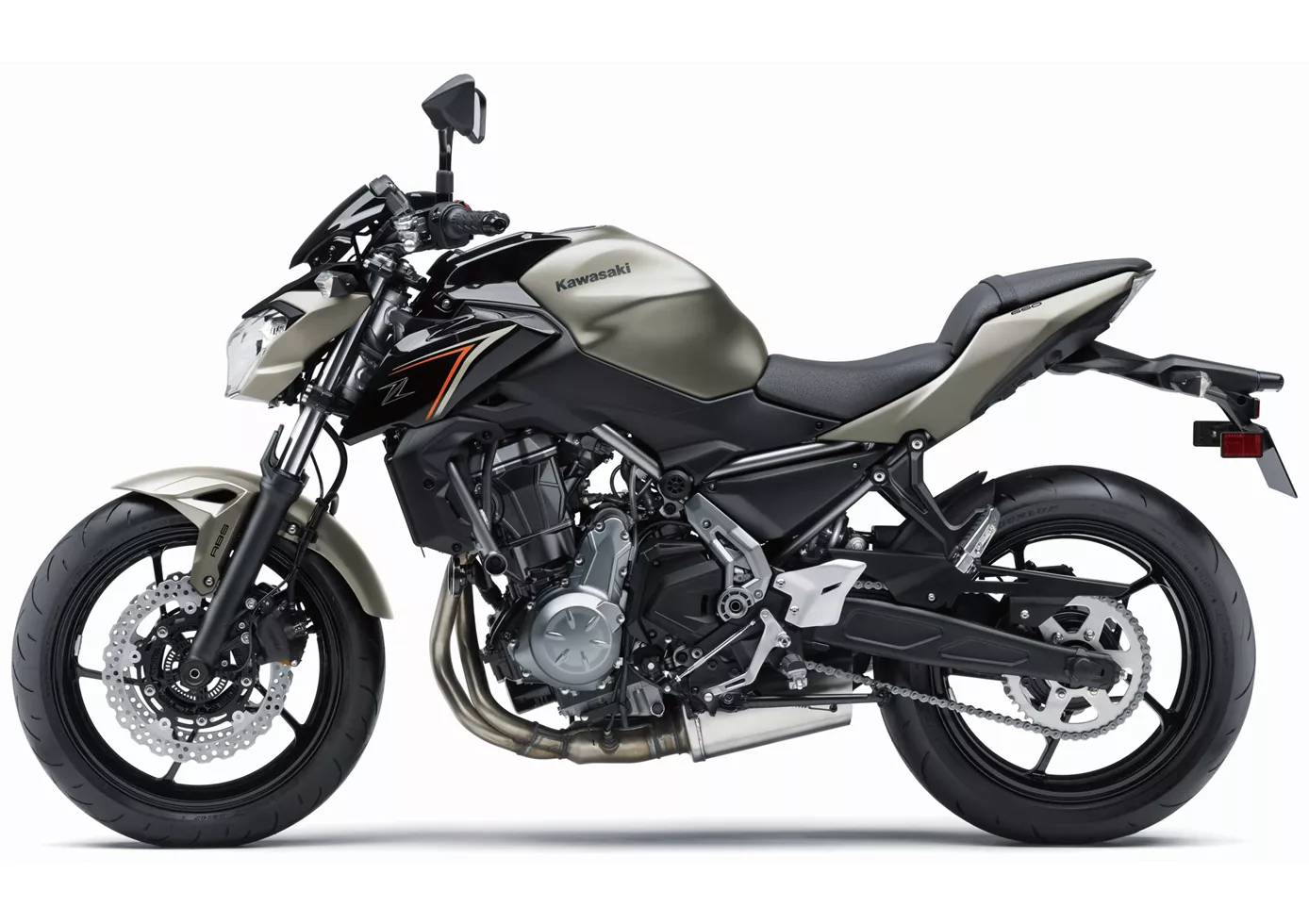
The Kawasaki Z 650 is the tip of the middle class for small male and female riders. On its compact dimensions, you probably won't feel comfortable as a giant. Heart-warming feelings, however, come from the engine, which delights with a very smooth pull. On the chassis side, a Kawasaki-typical tight set-up was chosen, which finds a great compromise in everyday use. The negative display is very easy to read and is reminiscent of its predecessor, the ER-6n - very nice!
Price Comparison Average Market Price Suzuki GSR 750 vs Kawasaki Z650
There are a few key differences between a Suzuki GSR 750 2011 and a Kawasaki Z650 2017. In terms of price, the actual average price of a Kawasaki Z650 2017 is about 3% higher. Compared to Kawasaki Z650 2017 there are more Suzuki GSR 750 2011 bikes available on the 1000PS.de Marketplace, specifically 13 compared to 11. It takes less time to sell a Suzuki GSR 750 with 53 days compared to 76 days for a Kawasaki Z650. Since model year 2011 1000PS.de editors have written 12 reviews for the Suzuki GSR 750 and 31 reviews for the Kawasaki Z650 since model year 2017. The first review for the Suzuki GSR 750 was published on 05/10/2010 and now has more than 5,400 views. This compares to more than 25,000 views for the first review on Kawasaki Z650 published on 08/11/2016.