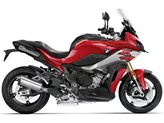
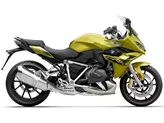
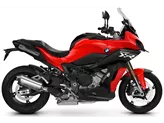
BMW R 1200 GS 2013 vs. BMW S 1000 XR 2016
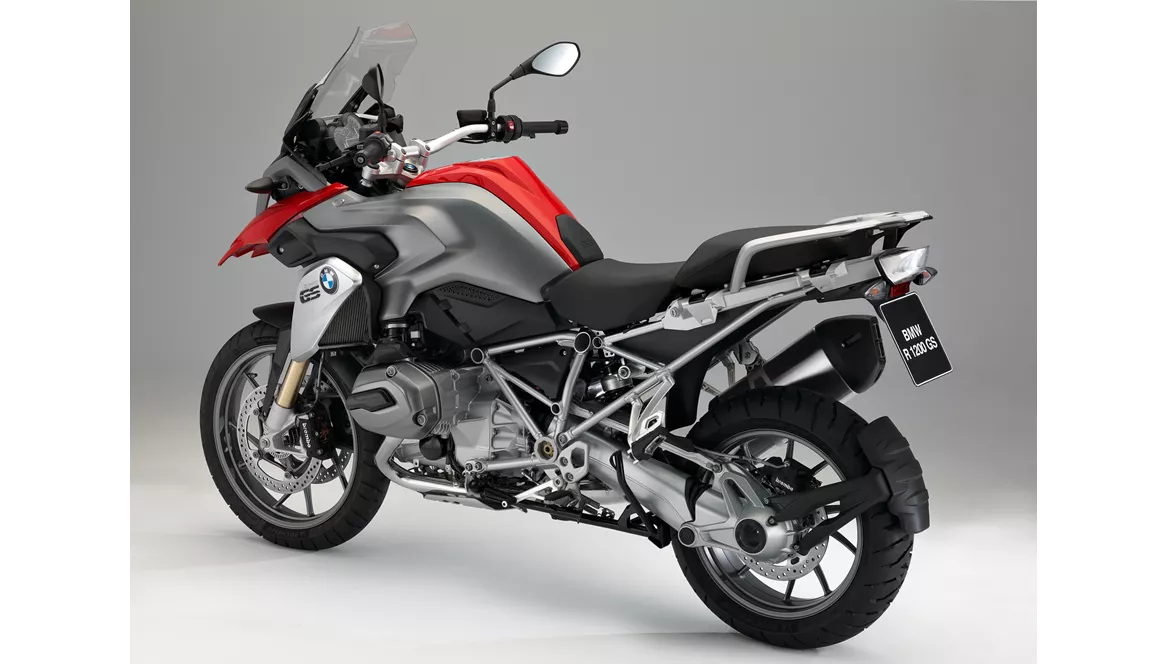
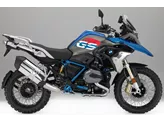
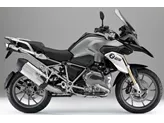
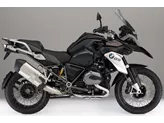
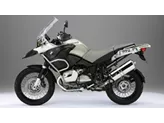
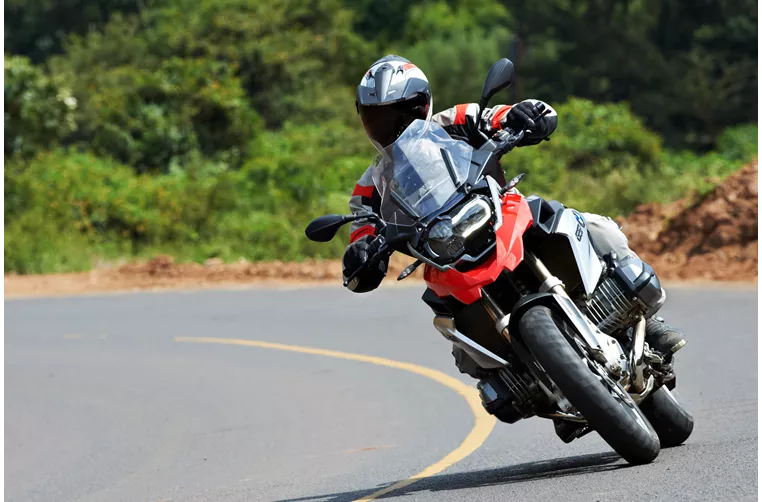
BMW R 1200 GS 2013
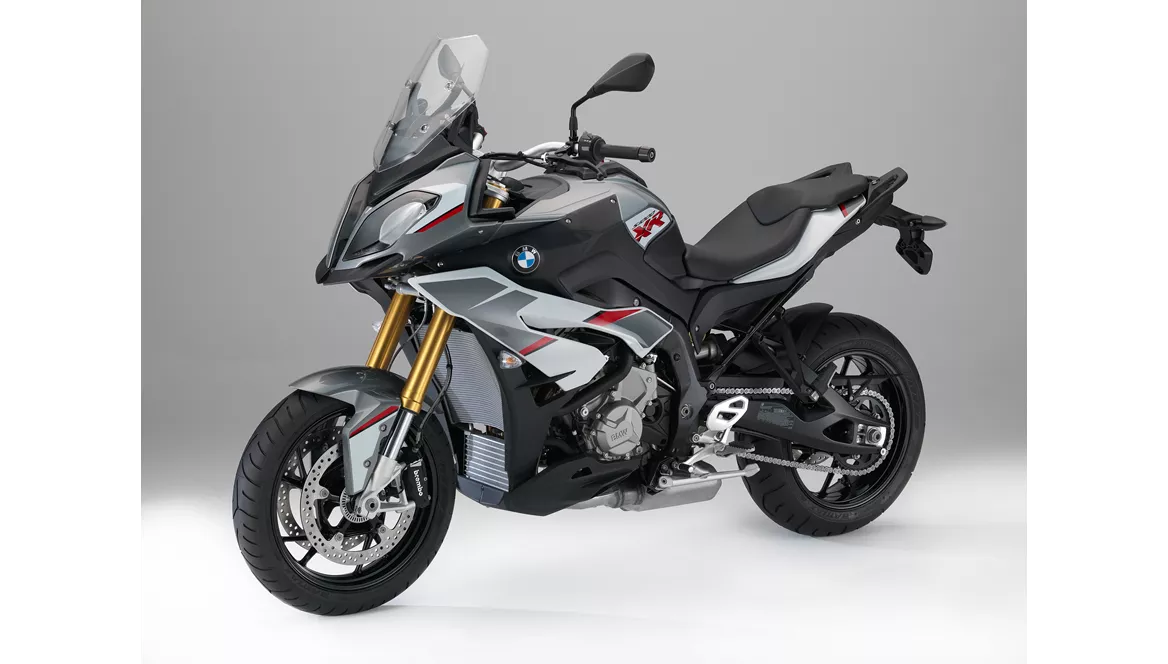
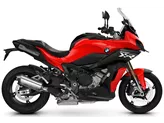
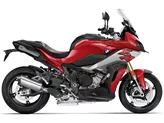
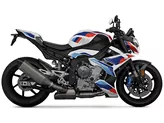
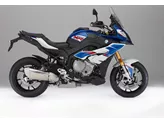
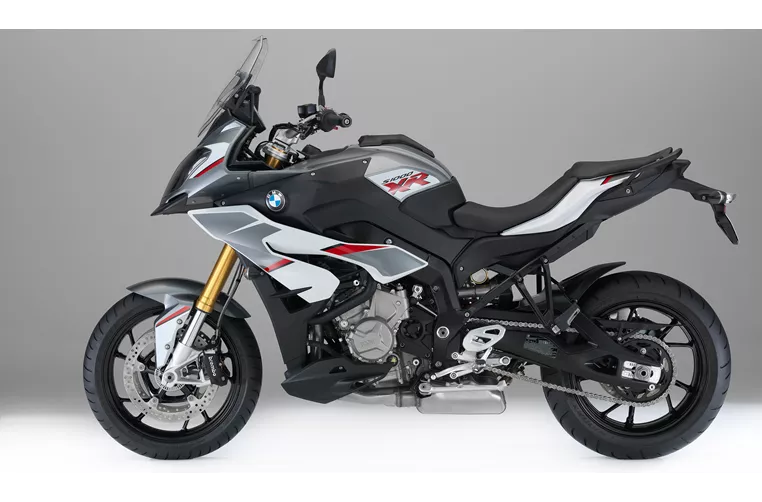
BMW S 1000 XR 2016
Overview - BMW R 1200 GS 2013 vs BMW S 1000 XR 2016
The BMW R 1200 GS model year 2013 and the BMW S 1000 XR model year 2016 are both high-performance motorcycles from BMW, but they have some key differences in terms of their technical specifications and strengths.
Starting with the engine and drive train, the BMW R 1200 GS 2013 is equipped with a Boxer engine, while the BMW S 1000 XR 2016 has an in-line engine. The R 1200 GS has a larger bore of 101 mm compared to the S 1000 XR's 80 mm, which indicates that the R 1200 GS may have a higher capacity for combustion and potentially more power. However, the S 1000 XR has a higher engine power of 160 HP compared to the R 1200 GS's 125 HP. The S 1000 XR also has a higher torque of 112 Nm compared to the R 1200 GS's 125 Nm. In terms of transmission, the R 1200 GS uses a prop shaft, while the S 1000 XR uses a chain.
Moving on to the suspension, the R 1200 GS has a front suspension strut with preload adjustment, while the S 1000 XR has a telescopic fork with compression and rebound adjustment. Both motorcycles have a single swing arm rear suspension with preload and compression/rebound adjustment.
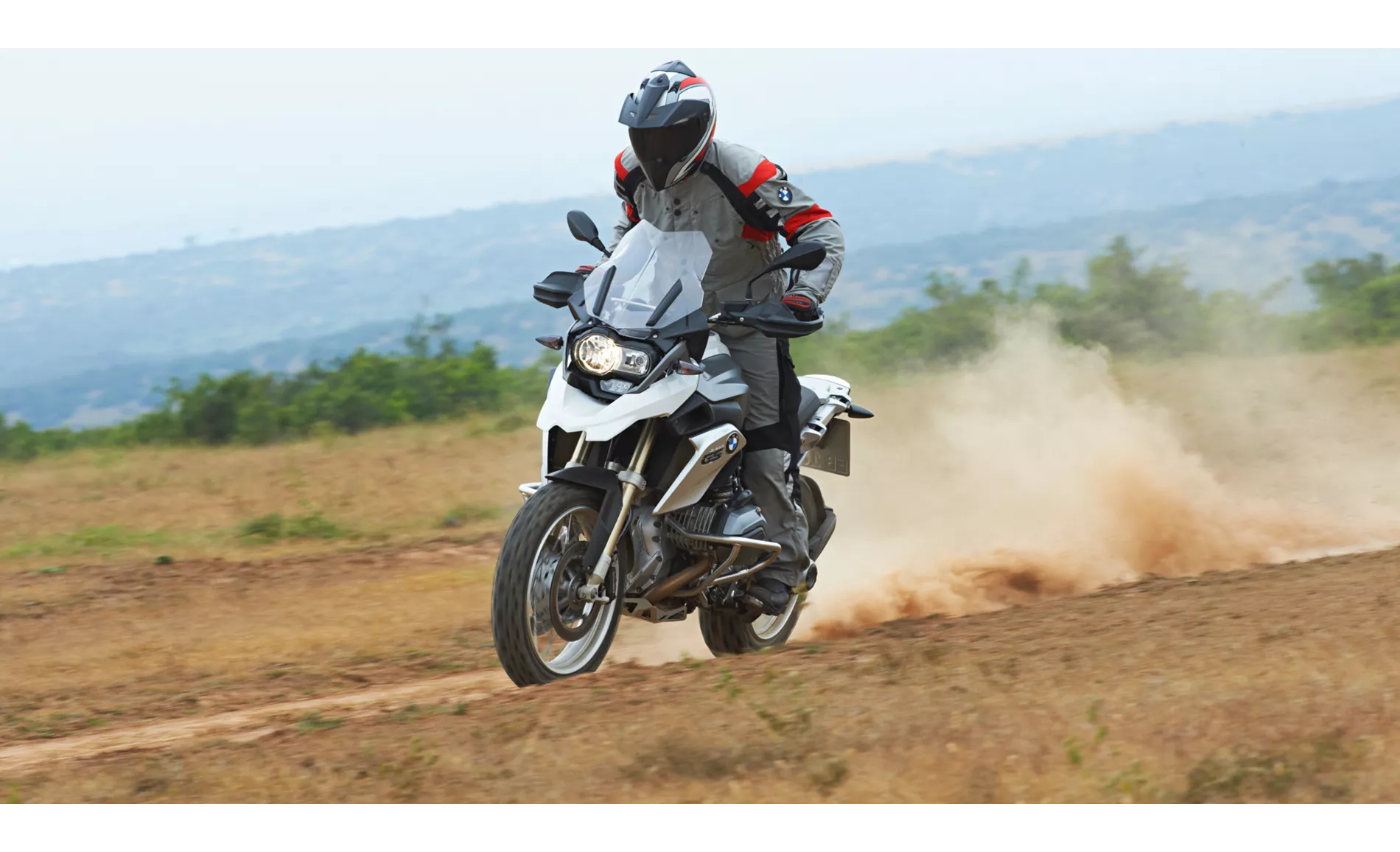
BMW R 1200 GS 2013
In terms of chassis, the R 1200 GS has a steel frame with a twin tube design that also acts as a load-bearing engine. On the other hand, the S 1000 XR has an aluminum frame with a twin tube design.
Both motorcycles have double disk front brakes, but the R 1200 GS has a front tire width of 120 mm and a diameter of 19 inches, while the S 1000 XR has a front tire width of 120 mm and a diameter of 17 inches. The rear tire width is wider on the S 1000 XR at 190 mm compared to the R 1200 GS's 170 mm. Both motorcycles have a rear tire diameter of 17 inches.
In terms of dimensions and weights, the S 1000 XR has a slightly longer wheelbase of 1548 mm compared to the R 1200 GS's 1507 mm. The seat height is also slightly lower on the S 1000 XR at 840 mm compared to the R 1200 GS's 850 mm. The S 1000 XR is lighter with a kerb weight of 228 kg compared to the R 1200 GS's 238 kg. Both motorcycles have a fuel tank capacity of 20 liters.
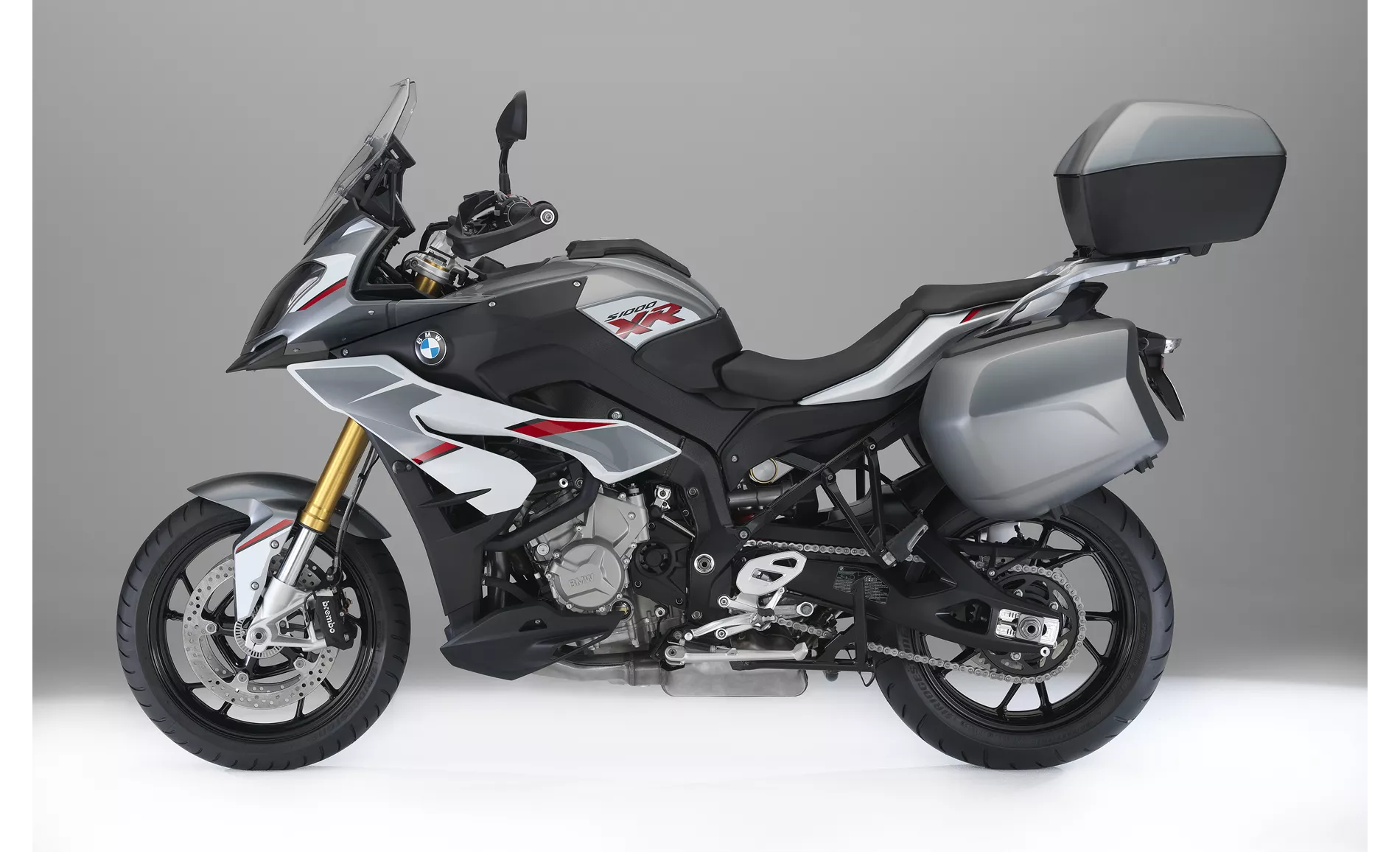
BMW S 1000 XR 2016
Now, let's discuss the strengths and weaknesses of each motorcycle. The BMW R 1200 GS 2013 is praised for its new engine, top chassis, high comfort, and suitability for both traveling and everyday use. It does not have any reported weaknesses.
On the other hand, the BMW S 1000 XR 2016 is praised for its sharp engine, sharp design, high-quality workmanship, stable road holding, and standard ABS and ASC. It also has a comfortable seat and successful ergonomics, even for tall riders. However, it does have some reported weaknesses, including slight vibrations from the engine and a potential need for better wind protection.
In conclusion, the BMW R 1200 GS 2013 and the BMW S 1000 XR 2016 are both impressive motorcycles with their own unique strengths and weaknesses. The R 1200 GS excels in comfort and versatility, while the S 1000 XR offers a more powerful engine and a sportier design. Ultimately, the choice between the two will depend on the rider's preferences and intended use.
Technical Specifications BMW R 1200 GS 2013 compared to BMW S 1000 XR 2016
Pros and Cons in comparison
Pros and Cons in comparison
BMW R 1200 GS 2013
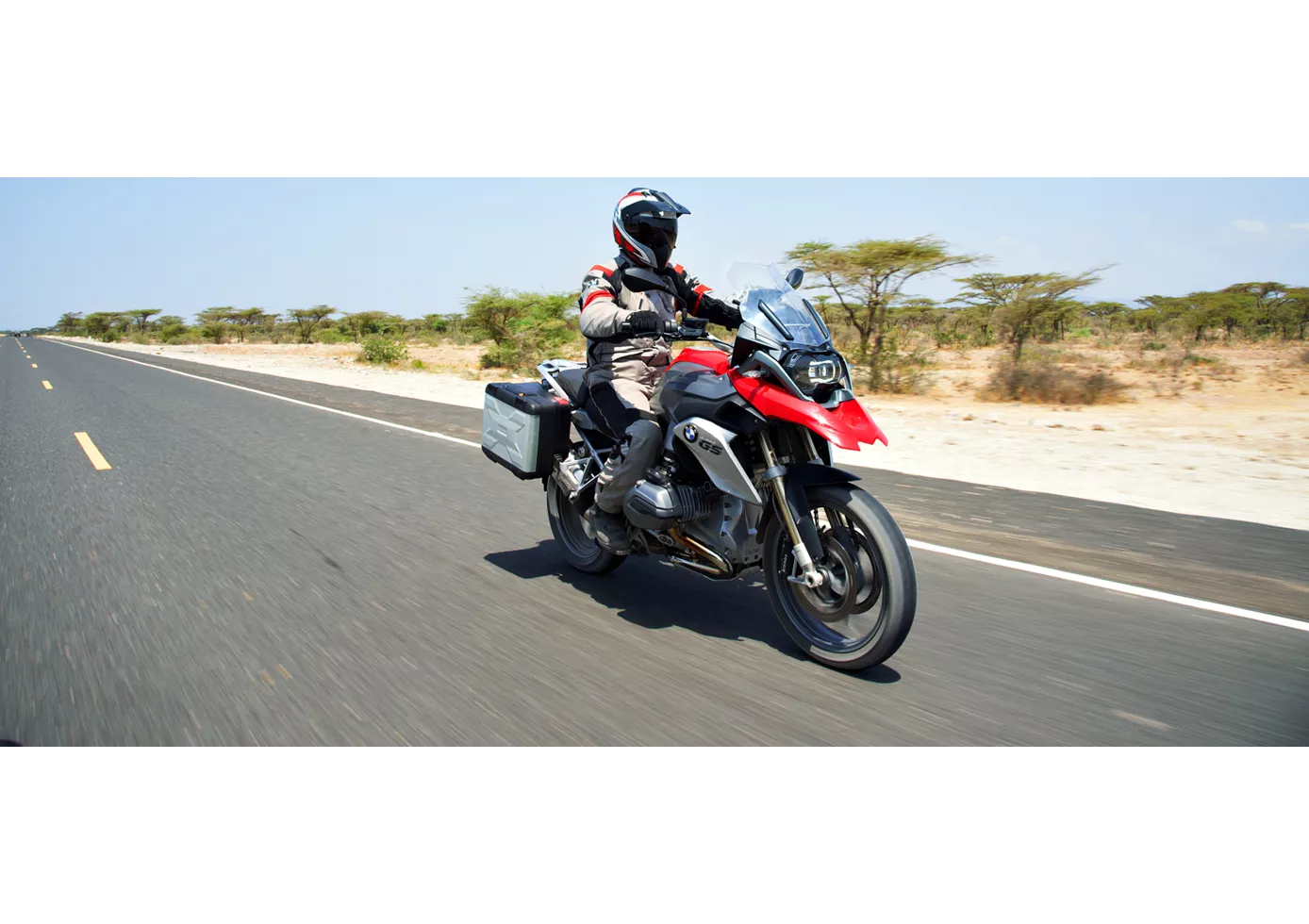
For over 35 years, BMW has continued to expand the boxer range and is consistently working on the evolution of the GS. In addition to the EURO4 update of the engine with new catalytic converter and mapping, there are now even more features such as the Dynamic ESA Next Generation with automatic riding position compensation, which further improves stability and comfort for the rider. With its subtle colour scheme, the Exclusive version is intended for friends of a neat and subdued appearance and, unlike the flashier Rallye variant, is designed more for the road. Many features are at extra cost, but GS customers usually don't care - 90 percent are ordered with full equipment.
BMW S 1000 XR 2016
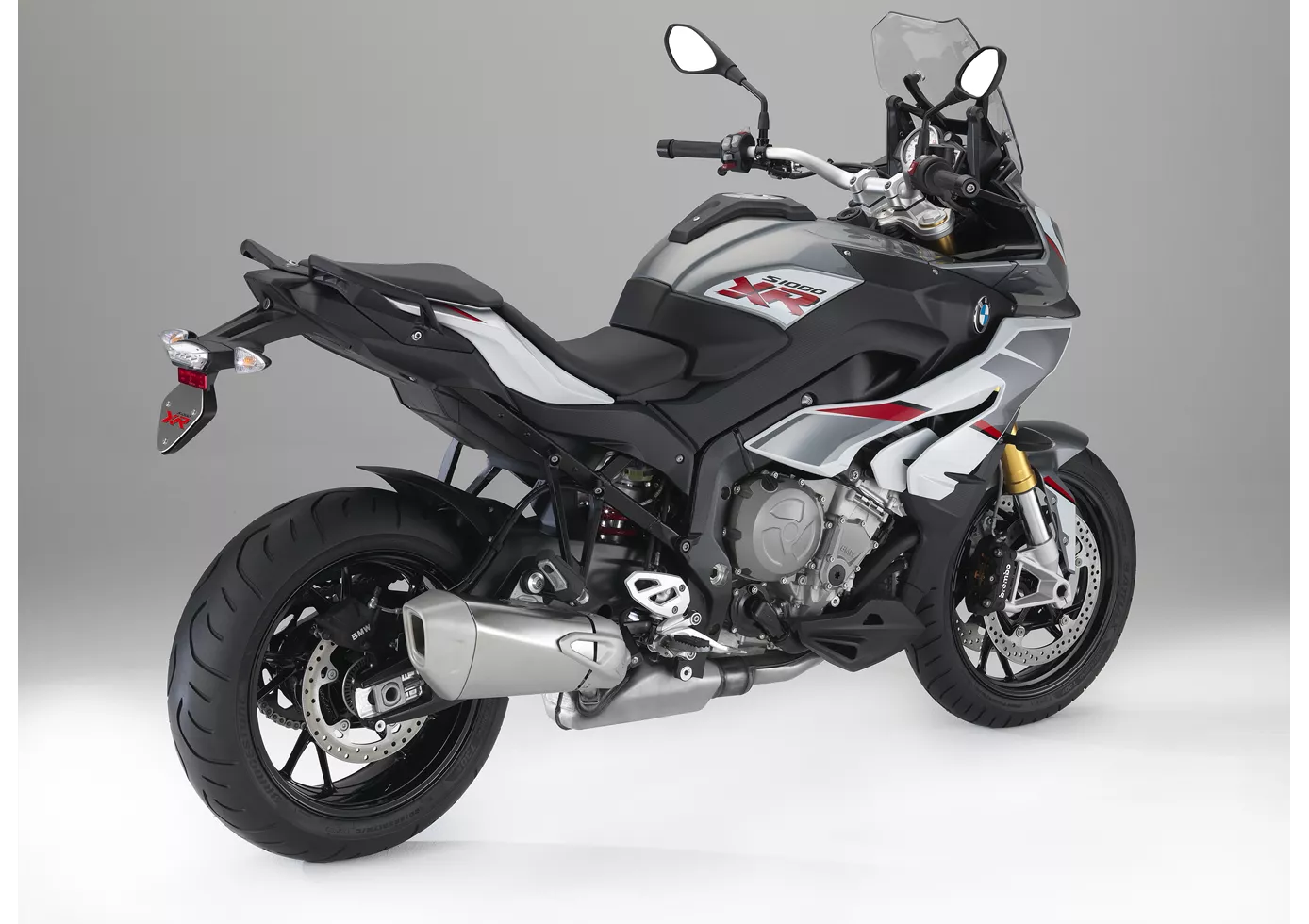
The S 1000 XR, with its now 165 hp Supersport power unit combined with the geometry and comfort of a Bigenduro, is one of the fastest motorbikes on the public road. The extensive range of accessories makes it even faster or even more comfortable, as required. However, with a seat height of 840 mm and a long crotch arch, it is only conditionally suitable for smaller riders. The 790 mm high seat, however, remedies this. The brakes are as strong as the engine, the XR convinces with precision and above all stability. Despite the insane performance, you feel well and safe, as you would expect from a BMW.
Price Comparison Average Market Price BMW R 1200 GS vs BMW S 1000 XR
There are a few key differences between a BMW R 1200 GS 2013 and a BMW S 1000 XR 2016. In terms of price, the actual average price of a BMW S 1000 XR 2016 is about 6% higher. A BMW R 1200 GS 2013 experiences a loss of 240 GBP in one year and 680 GBP in two years of ownership. This is offset by a loss of 980 GBP and 2,690 GBP for a BMW S 1000 XR 2016. Compared to BMW S 1000 XR 2016 there are more BMW R 1200 GS 2013 bikes available on the 1000PS.de Marketplace, specifically 44 compared to 19. It takes less time to sell a BMW R 1200 GS with 60 days compared to 89 days for a BMW S 1000 XR. Since model year 2005 1000PS.de editors have written 98 reviews for the BMW R 1200 GS and 40 reviews for the BMW S 1000 XR since model year 2015. The first review for the BMW R 1200 GS was published on 20/01/2004 and now has more than 19,100 views. This compares to more than 16,000 views for the first review on BMW S 1000 XR published on 21/10/2014.