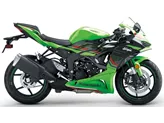
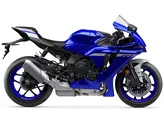
Yamaha R9 2026 vs. Suzuki GSX-R1000R 2026

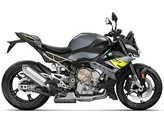
Yamaha R9 2026
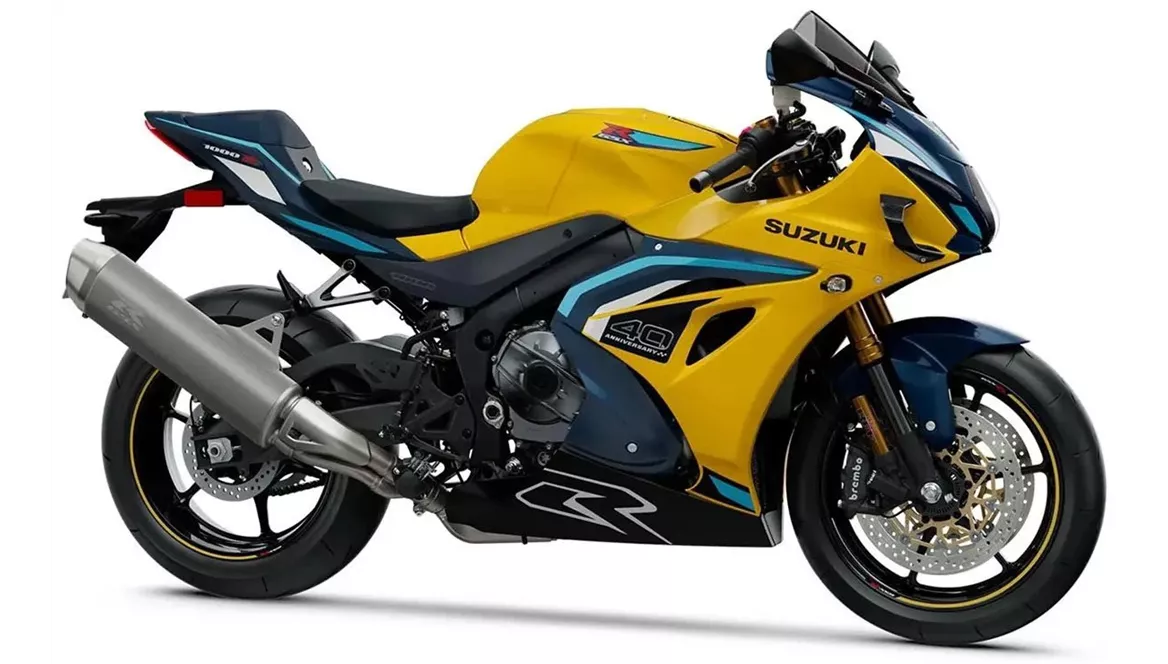
Yamaha R9 2026

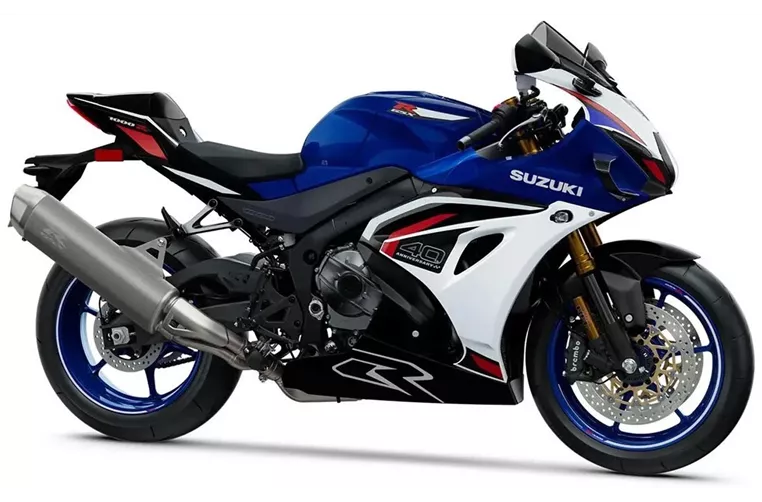
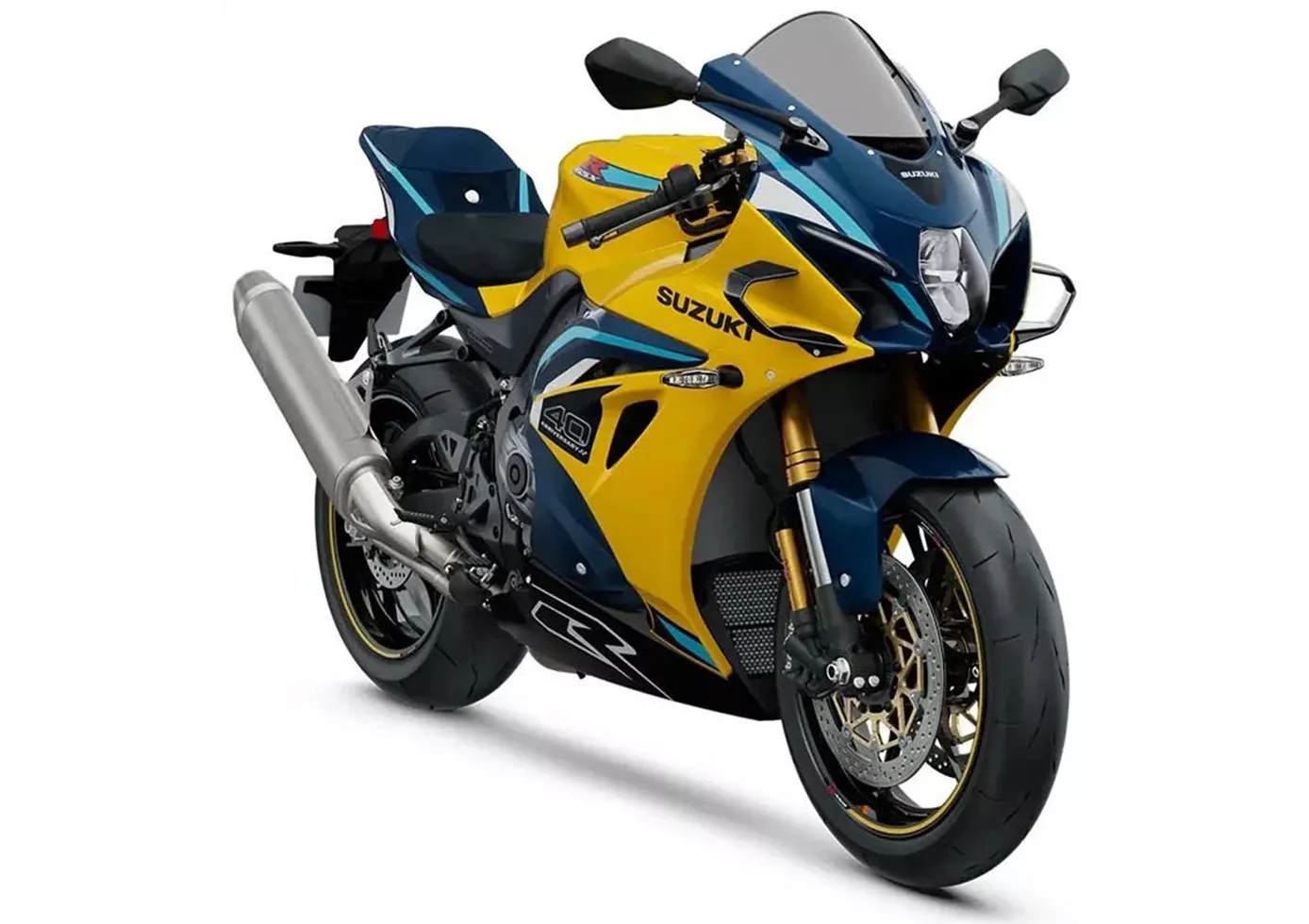
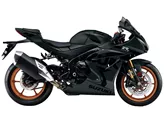
Suzuki GSX-R1000R 2026

Suzuki GSX-R1000R 2026

Loading...

Overview - Yamaha R9 2026 vs Suzuki GSX-R1000R 2026

Yamaha R9 2026
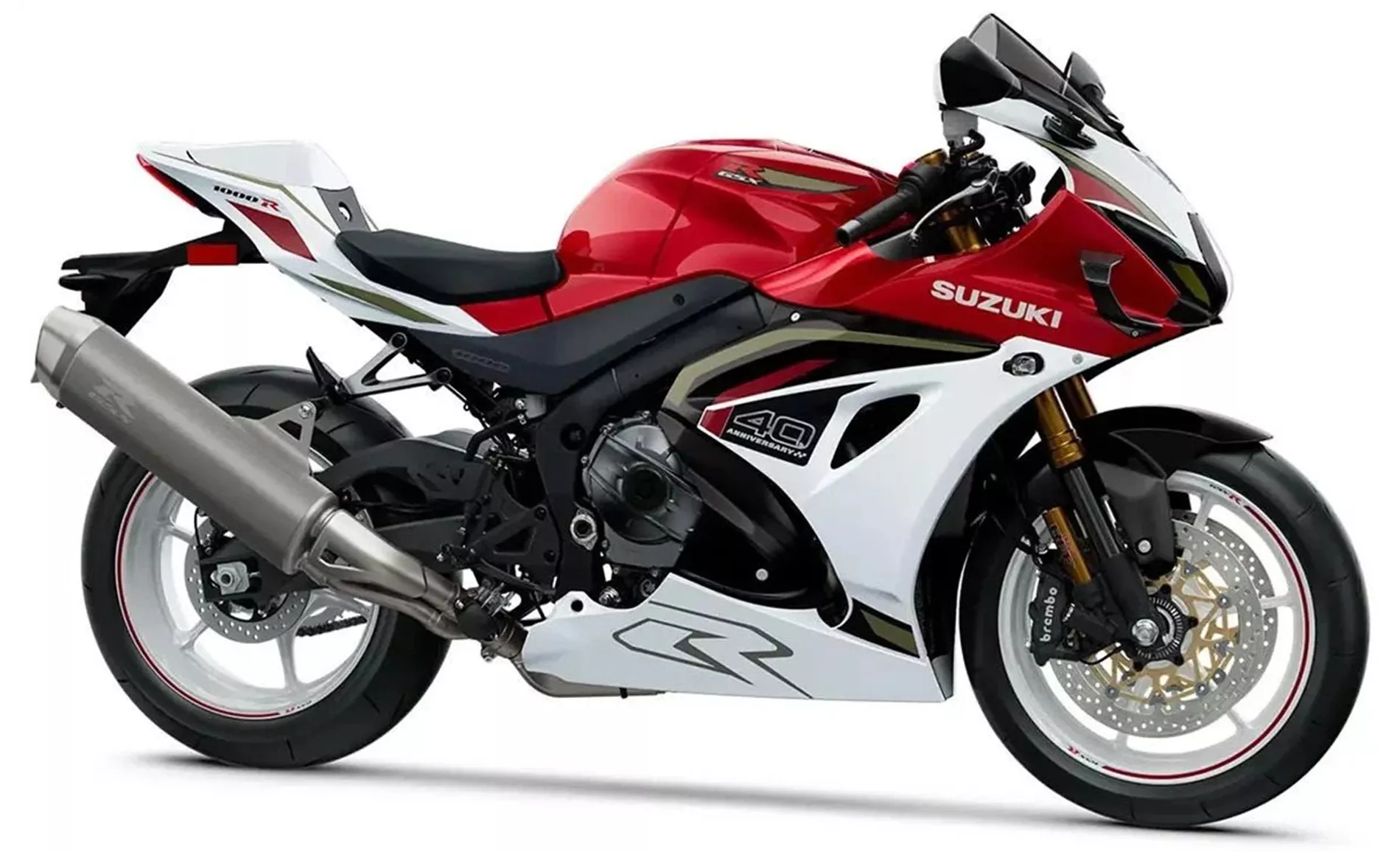
Yamaha R9 2026

Suzuki GSX-R1000R 2026

Suzuki GSX-R1000R 2026

Technical Specifications Yamaha R9 2026 compared to Suzuki GSX-R1000R 2026

Yamaha R9 2026
Suzuki GSX-R1000R 2026

Engine and Drive Train

Engine typeEngine typeIn lineEngine typeIn line
BoreBore78 mmBore76 mm
StrokeStroke62.1 mmStroke55.1 mm
Engine powerEngine power119 HPEngine power195 HP
Rpm at Max. PowerRpm at Max. Power10,000 rpmRpm at Max. Power13,200 rpm
TorqueTorque93 NmTorque110 Nm
Rpm at TorqueRpm at Torque7,000 rpmRpm at Torque11,000 rpm
Compression RatioCompression Ratio11.5 Compression Ratio13.8
Fuel systemFuel systemInjectionFuel systemInjection
StarterStarterElectricStarterElectric
Clutch TypeClutch TypeMultiplate in oil-bathClutch TypeMultiplate in oil-bath
TransmissionTransmissionChainTransmissionChain
Transmission TypeTransmission TypeGearshiftTransmission TypeGearshift
Number of gearsNumber of gears6Number of gears6
CylindersCylinders3Cylinders4
StrokesStrokes4-StrokeStrokes4-Stroke
Valves per cylinderValves per cylinder4Valves per cylinder4
ValvesValvesDOHCValvesDOHC, Drag lever
CoolingCoolingliquidCoolingliquid
DisplacementDisplacement890 ccmDisplacement999.8 ccm

Assistance Systems

Advanced Rider Assistance SystemsAdvanced Rider Assistance SystemsABS, Riding modes, Cornering ABS, Ride by Wire, Quickshifter, Shift assistant with blipper, Cruise control, Traction control, Anti-wheelie, Modern electronicsAdvanced Rider Assistance SystemsABS, Anti-slipping control, Quickshifter, Traction control, Modern electronics, Electronic throttle control, Engine management

Dimensions and Weights

Front tyre widthFront tyre width120 mmFront tyre width120 mm
Front tyre heightFront tyre height70 %Front tyre height70 %
Front tyre diameterFront tyre diameter17 inchFront tyre diameter17 inch
Rear tyre widthRear tyre width180 mmRear tyre width190 mm
Rear tyre heightRear tyre height55 %Rear tyre height55 %
Rear tyre diameterRear tyre diameter17 inchRear tyre diameter17 inch
LengthLength2,070 mmLength2,075 mm
WidthWidth705 mmWidth705 mm
HeightHeight1,180 mmHeight1,145 mm
WheelbaseWheelbase1,420 mmWheelbase1,420 mm
Seat HeightSeat Height830 mmSeat Height825 mm
Kerb Weight (with ABS)Kerb Weight (with ABS)195 kgKerb Weight (with ABS)203 kg
Fuel Tank CapacityFuel Tank Capacity14 lFuel Tank Capacity16 l
RangeRange280 kmRange235 km
Combined CO2 emissionsCombined CO2 emissions116 g/kmCombined CO2 emissions158 g/km
Combined fuel consumptionCombined fuel consumption5 l/100kmCombined fuel consumption6.8 l/100km
Ground clearanceGround clearance140 mmGround clearance130 mm

Equipment

EquipmentEquipmentConnectivity, LED daytime running lights, LED-Headlights, TFT display, Modern electronics, LightingEquipmentLED daytime running lights, LED-Headlights, Modern electronics, Lighting

Pros and Cons in comparison

Pros and Cons in comparison

Yamaha R9 2026

Yamaha R9 2026

The Yamaha R9 isn’t a feel-good motorbike for leisurely country road rides – and that’s just as well. It appeals to ambitious riders looking for a sporty machine that’s just as thrilling off the race track. The engine is outstanding, the suspension is top-notch, and the brakes are excellent. It’s only the demanding ergonomics that make the Yamaha R9 less appealing to long-distance riders or leisurely bikers. However, anyone looking for a sharp country-road machine with track-day potential will find the R9 to be an extremely well-rounded and, for what it offers, even good-value package. You absolutely must take it for a test ride! That’s the only way to find out whether you’re the sort of rider suited to the Yamaha R9’s physical and direct character.

wide usable power range

good automatic gearbox with extended functionality

suitable for both road and track use

comprehensive electronics

good suspension, good brakes

Low-mounted handlebar stems, which result in uncomfortable ergonomics for the wrists and neck

Suzuki GSX-R1000R 2026

Suzuki GSX-R1000R 2026

The new GSXR does not score with exuberant innovations and is not a radical break with the past, but a very consistent further development of a classic superbike in a modern context. The new GSX-R1000R may not be the loudest or wildest superbike in its class, but it may be one of the easiest to access and with a high level of road capability. The very well-balanced engine gives the 1000 a very wide range of use and, with an attractive price of € 20,569 (Germany) and € 23,790 (Austria), makes it a serious competitor, especially for road use. With a moderate riding position, it can also impress on longer journeys. And the somewhat tamer power peak, which at 195 Horsepower is still impressive, will probably be easier to handle for most riders than today's often very pointed superbikes. So anyone who appreciated the all-round qualities of the old GSXR1000 will also be delighted with the new one, which not only fulfils the new EURO 5+, but is now more sensitive and even more harmonious in many areas. It's nice to see that Suzuki is continuing the sporty spirit of the GSXR series. Perhaps we will see a GSXR600 or a GSXR750 again in the future? I would be delighted...
All-round qualities

Wide performance spectrum

Well-tuned standard suspension

Price

Driving aids not separately adjustable

No ABS deactivation for the rear wheel

Display

Price Comparison Average Market Price Yamaha R9 vs Suzuki GSX-R1000R

Price Yamaha R9

Model year
Current average market prices

Price Suzuki GSX-R1000R

Model year
Current average market prices

Alternative Comparisons