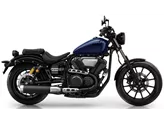
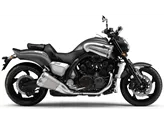
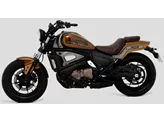
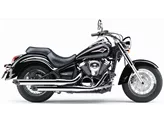
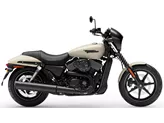
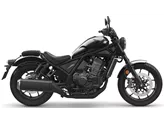
Kawasaki Vulcan S 2026 vs. Yamaha V-MAX 2016
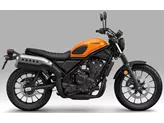
Kawasaki Vulcan S 2026
Kawasaki Vulcan S 2026

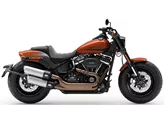
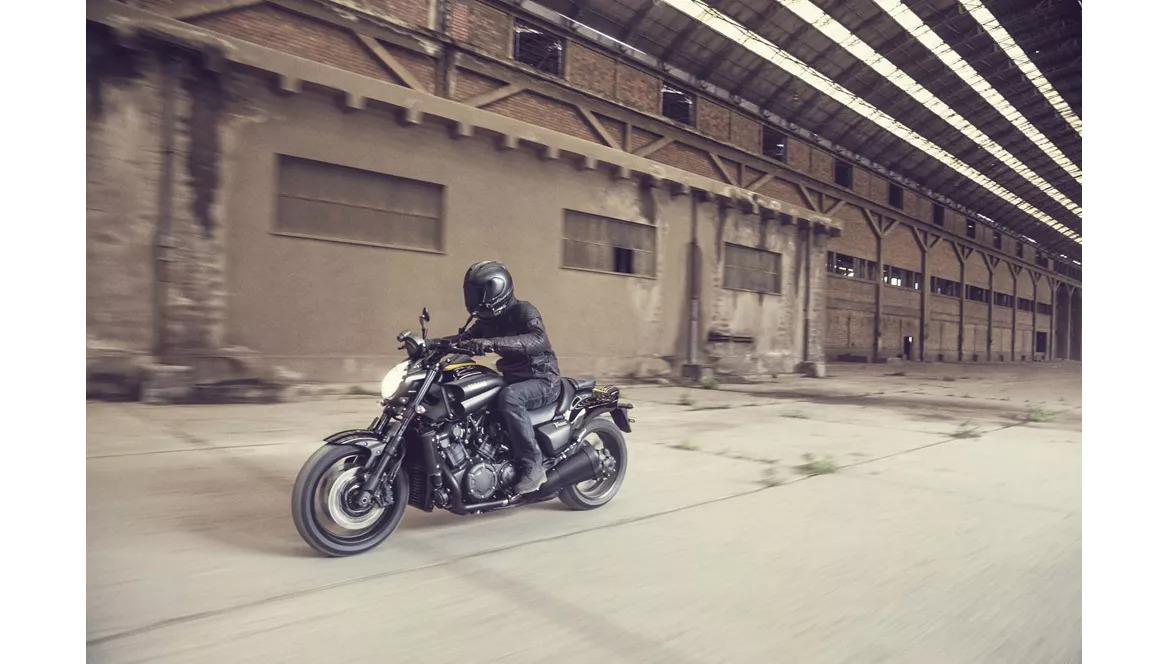
Yamaha V-MAX 2016

Yamaha V-MAX 2016

Loading...

Technical Specifications Kawasaki Vulcan S 2026 compared to Yamaha V-MAX 2016
Kawasaki Vulcan S 2026
Yamaha V-MAX 2016

Engine and Drive Train

BoreBore83 mmBore90 mm
StrokeStroke60 mmStroke66 mm
Engine powerEngine power61 HPEngine power199 HP
Rpm at Max. PowerRpm at Max. Power7,500 rpmRpm at Max. Power9,000 rpm
TorqueTorque62.4 NmTorque166.8 Nm
Rpm at TorqueRpm at Torque6,600 rpmRpm at Torque6,500 rpm
Compression RatioCompression Ratio10.8 Compression Ratio11.3
Clutch TypeClutch TypeMultiplate in oil-bathClutch TypeMultiplate in oil-bath
TransmissionTransmissionChainTransmissionProp shaft
Number of gearsNumber of gears6Number of gears5
CylindersCylinders2Cylinders4
StrokesStrokes4-StrokeStrokes4-Stroke
DisplacementDisplacement649 ccmDisplacement1,679 ccm

Suspension Front

Front suspensionFront suspensionTelescopic forkFront suspensionTelescopic fork

Suspension Rear

Shock absorberShock absorberMonoshockShock absorberMonoshock

Chassis

FrameFrameSteelFrameAluminium

Brakes Front

TypeTypeSingle diskTypeDouble disk

Brakes Rear

TypeTypeDiscTypeDisc

Dimensions and Weights

Front tyre widthFront tyre width120 mmFront tyre width120 mm
Front tyre heightFront tyre height70 %Front tyre height70 %
Front tyre diameterFront tyre diameter18 inchFront tyre diameter18 inch
Rear tyre widthRear tyre width160 mmRear tyre width200 mm
Rear tyre heightRear tyre height60 %Rear tyre height50 %
Rear tyre diameterRear tyre diameter17 inchRear tyre diameter18 inch
LengthLength2,310 mmLength2,395 mm
WidthWidth880 mmWidth820 mm
HeightHeight1,100 mmHeight1,190 mm
WheelbaseWheelbase1,575 mmWheelbase1,700 mm
Seat HeightSeat Height705 mmSeat Height775 mm
Fuel Tank CapacityFuel Tank Capacity14 lFuel Tank Capacity15 l
License compliancyLicense compliancyALicense compliancyA

Pros and Cons in comparison

Pros and Cons in comparison

Kawasaki Vulcan S 2026
Kawasaki Vulcan S 2026

No matter which platform Kawasaki puts the 650 cubic two-cylinder in, the result is always a great motorbike! Even though the engine is unusually rev-happy for a cruiser, it results in a cruiser that actually qualifies as a sports cruiser when paired with the sporty chassis set-up. The only brake is the limited lean angle clearance, but this will not deter lovers of hearty footrest grinding. With such a good bike, we hope that Kawasaki will follow suit - after all, the Vulcan S has been with us almost unchanged since 2015.

powerful engine

chassis tuning with sporty Kawasaki DNA

real cruiser seating position

easy-to-read display

potential in tuning

Appearance a little outdated

moderate wind protection

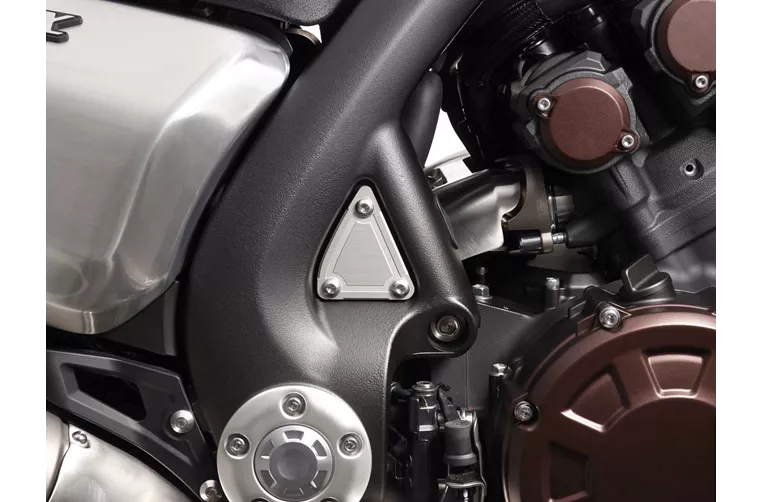
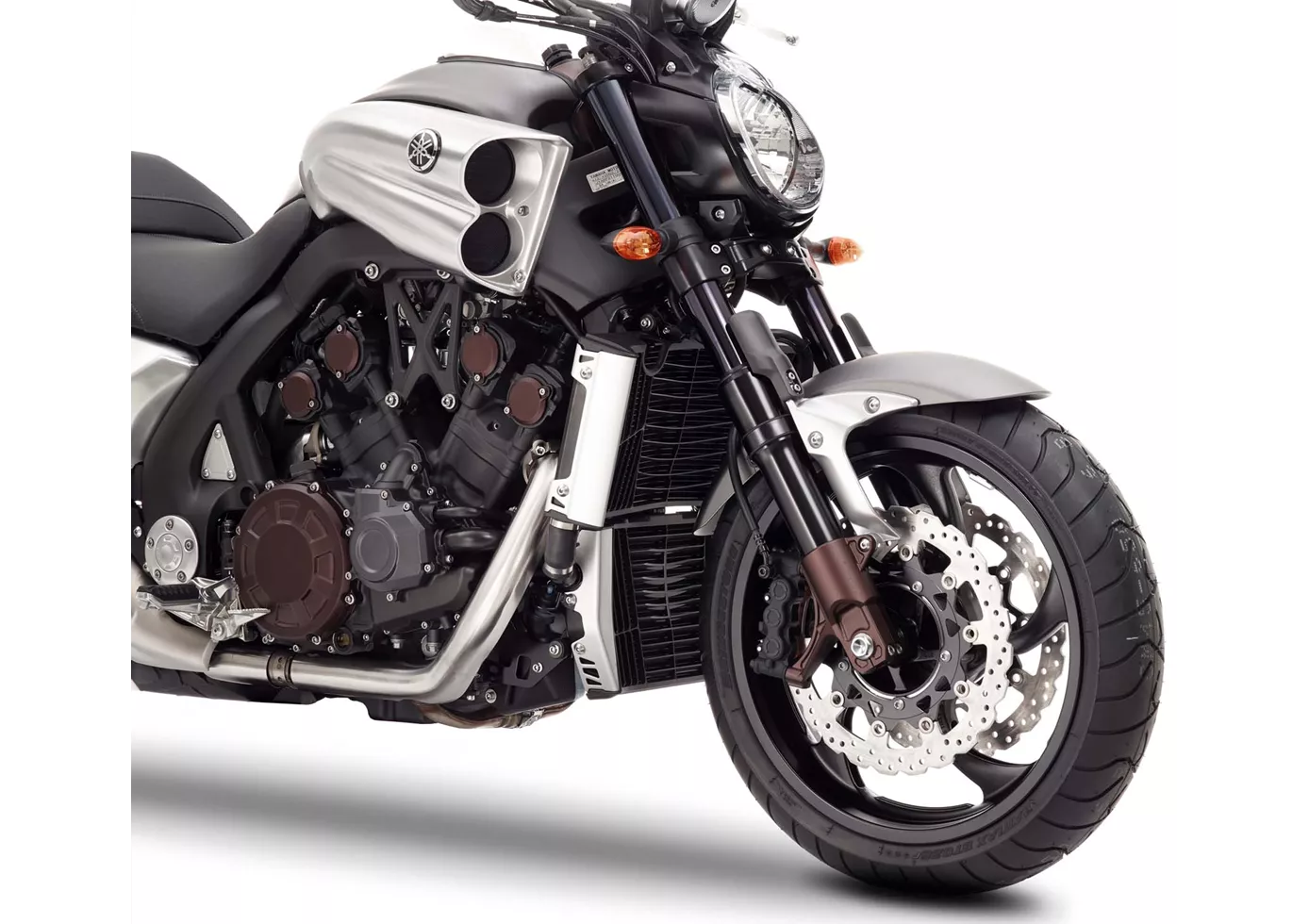
Yamaha V-MAX 2016

Yamaha V-MAX 2016

The big Vmax from Yamaha is a unique bike. This applies to the technical side, with the largest V4 engine in a bike of all time, as well as to the emotional side of riding a Vmax. Few bikes can offer such brute grunt in every riding situation, and even fewer of them are cruisers. Although its stubborn turning behaviour detracts from the riding pleasure, the seating position is quite cramped and the sound could be more indicative of the massive displacement, the propulsion is addictive. The Vmax 1700 is definitely a niche product, but also an absolutely awe-inspiring, unique bike.
Very powerful V4 engine, with an insane amount of torque in every situation

Well-damped suspension

Beautiful workmanship

Very potent brakes

High fuel consumption

seating position rather cramped with a wide leg spread

extremely stubborn steering behaviour of the used test machine

suspension cannot fully suppress movements when leaning

sound of the powerful V4 could be more perceptible

Price Comparison Avarage Market Price Kawasaki Vulcan S vs Yamaha V-MAX

Price Kawasaki Vulcan S

Model year
Current average market prices

Price Yamaha V-MAX

Model year
Current average market prices

Alternative Comparisons