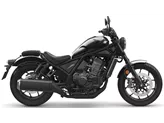
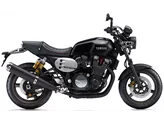
Triumph Bonneville Speedmaster 2018 vs. Yamaha XJR 1300 2016
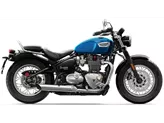
Triumph Bonneville Speedmaster 2018
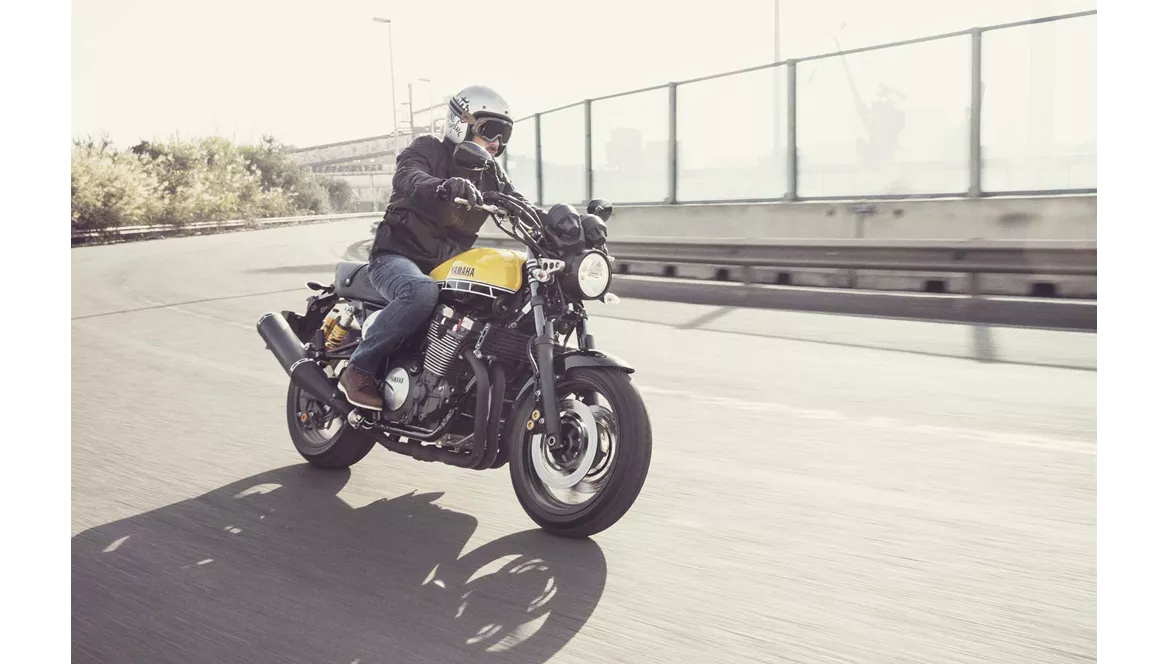
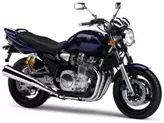
Yamaha XJR 1300 2016
Overview - Triumph Bonneville Speedmaster 2018 vs Yamaha XJR 1300 2016
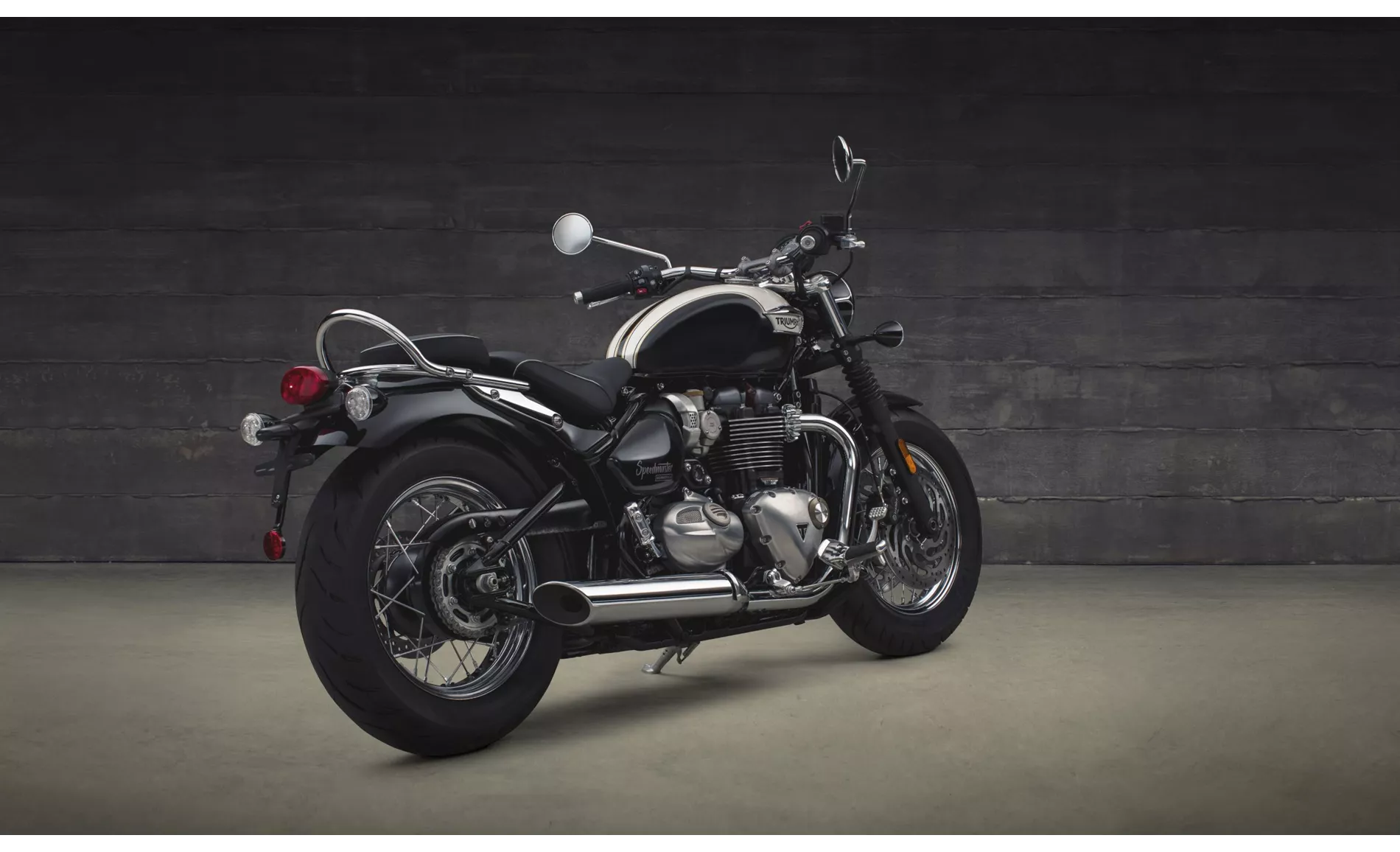
Triumph Bonneville Speedmaster 2018
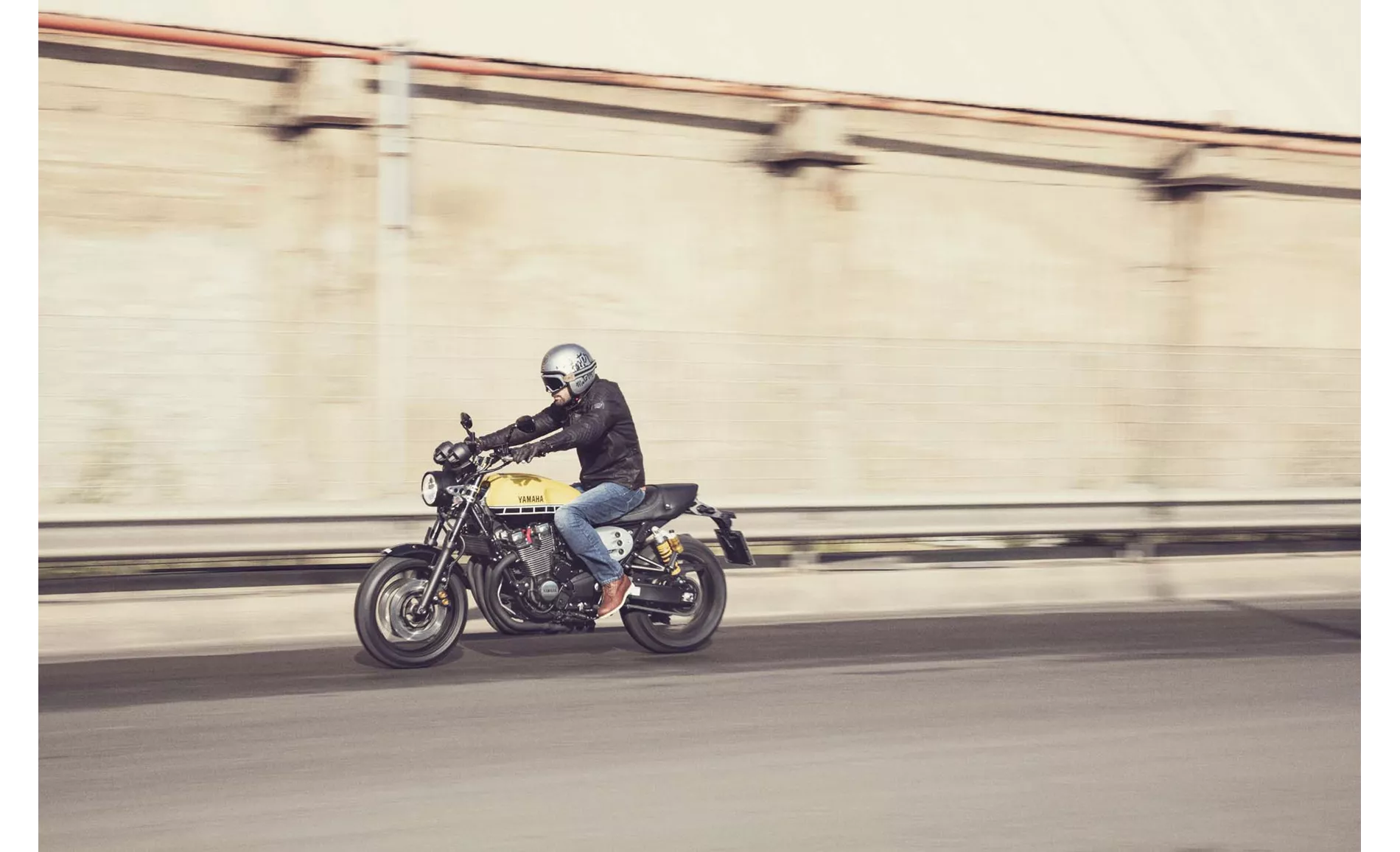
Yamaha XJR 1300 2016
Technical Specifications Triumph Bonneville Speedmaster 2018 compared to Yamaha XJR 1300 2016
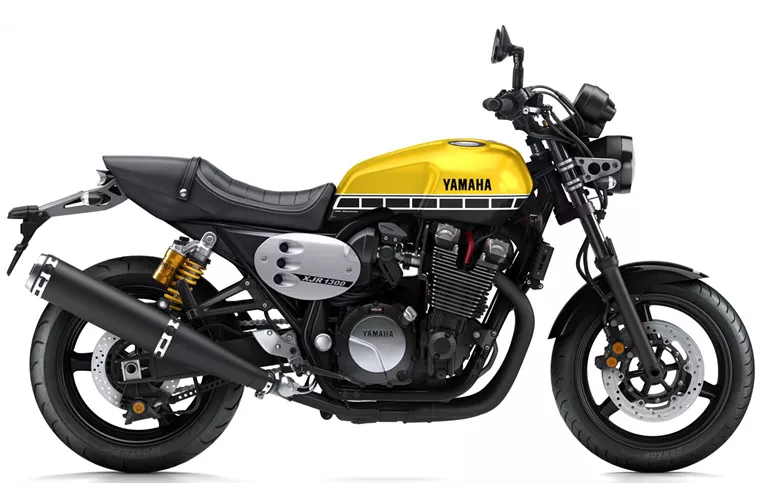
Pros and Cons in comparison
Pros and Cons in comparison
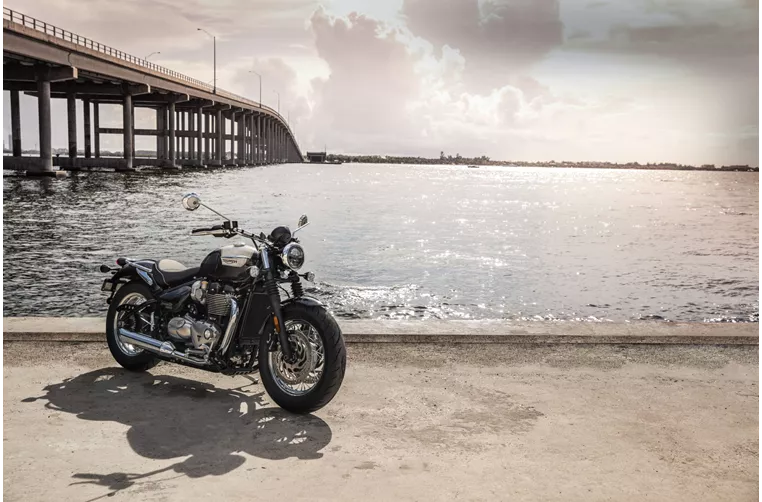
Triumph Bonneville Speedmaster 2018
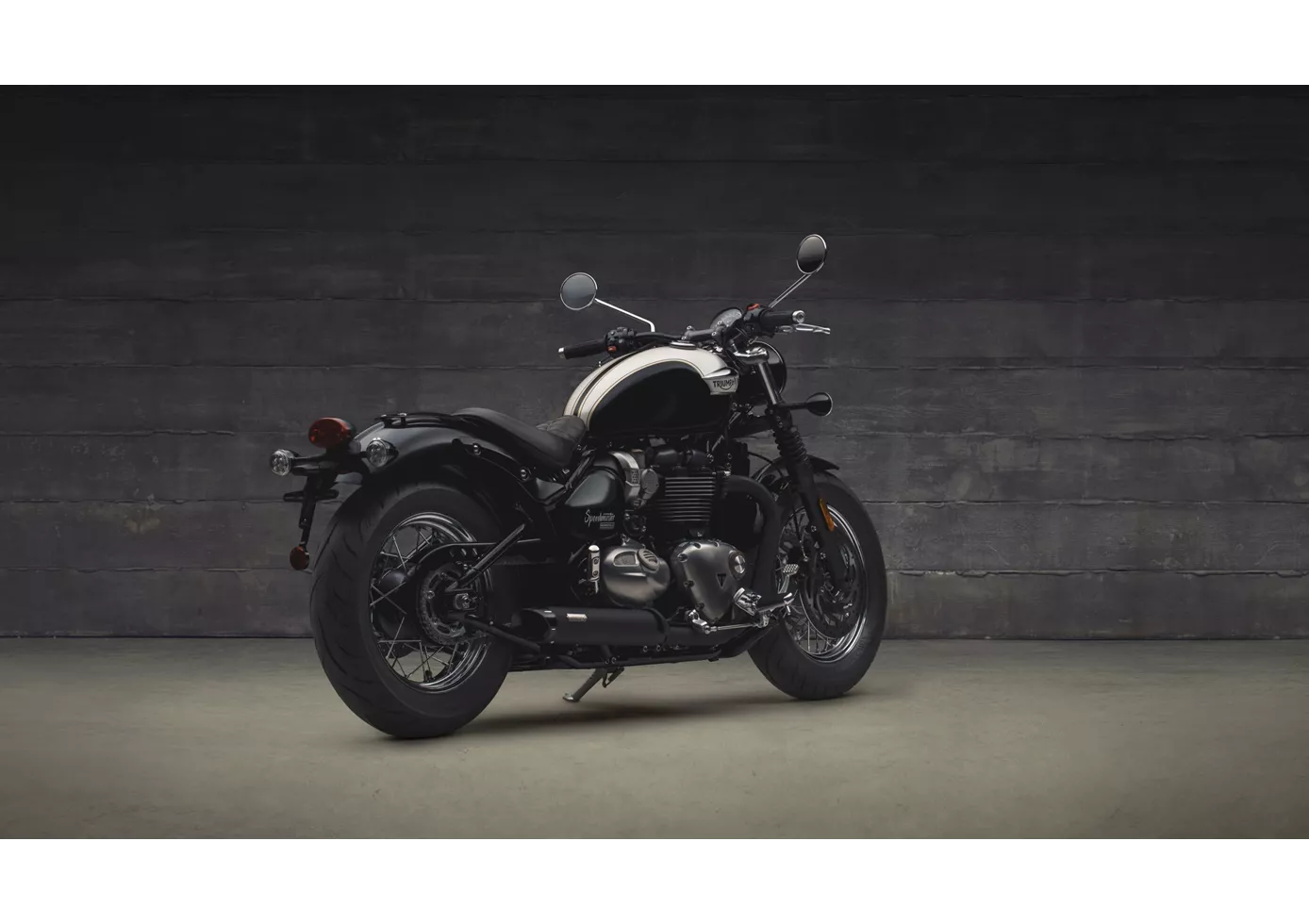
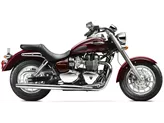
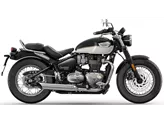
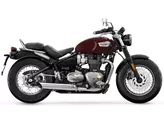
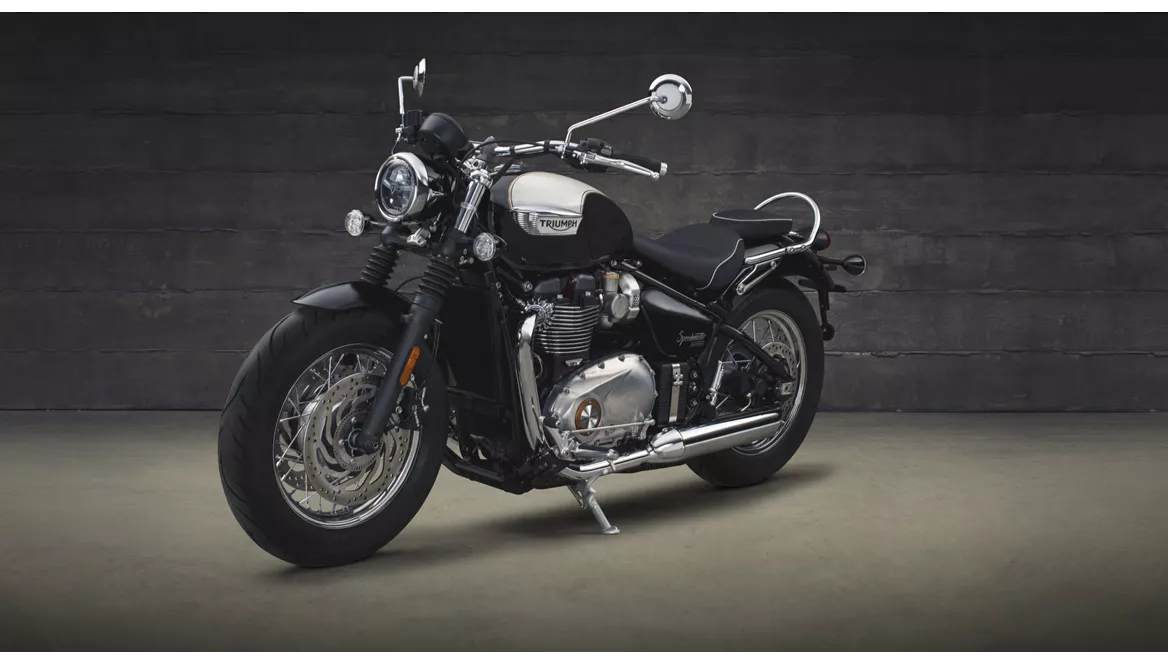
Even though the beach bar handlebars, the seat height of only 705 mm and the torque-heavy engine of the Triumph Speedmaster invite you to relax and glide with the classic cruiser, there is more speed in the latest Bonneville bike than you would expect. A 310 mm double-disc brake, generous suspension travel, adjustable levers as well as two riding modes and a traction control that can be switched off guarantee a rather sporty performance. But you really feel comfortable when you sit back and enjoy the deep roar of the British parallel twin - and maybe even let the cruise control do the work.
Yamaha XJR 1300 2016
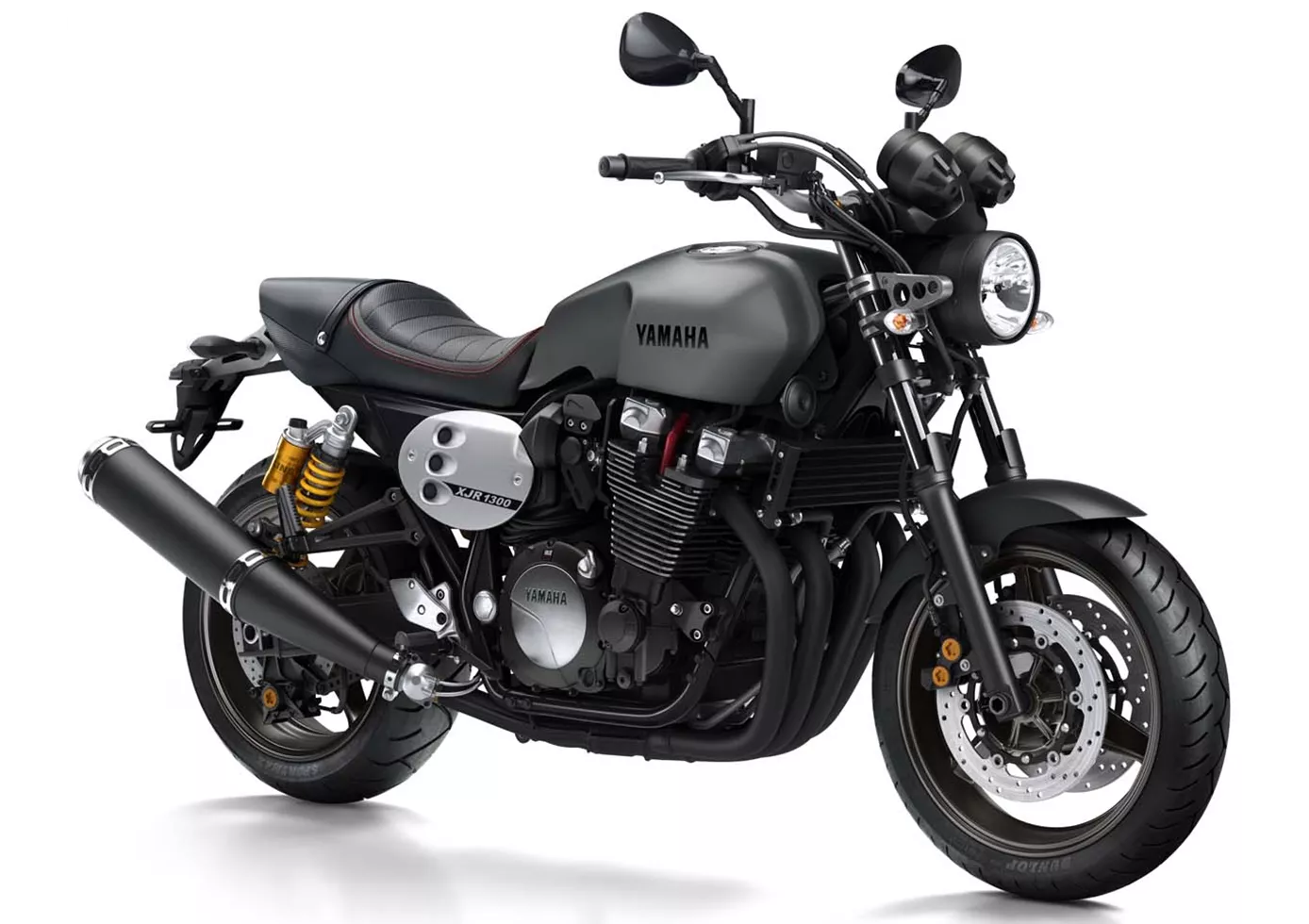
In the 2015 model year, the Yamaha XJR 1300 represents the last stage of evolution and possibly also the last chance for a really fat air-cooled four-cylinder. Yamaha has had a tradition in this segment for decades, and in recent years it has become cool to use such motorbikes as the basis for caferacer conversions. The XJR 1300 doesn't look artificial, but honest. If you like four-cylinder engines, you've come to the right place. In addition to its cool looks, rich torque and casual riding feel, the bike also offers a lot of practical benefits. Both in the city and on long tours, you have a lot of fun with the motorbike. Unlike the Racer, a few small additional accessories would do it good so that it can show its full potential in front of the cafe.