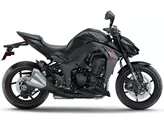
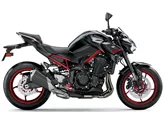
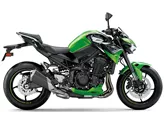
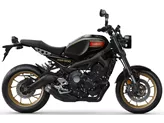
Kawasaki Z900 RS 2022 vs. Kawasaki Z900 2021
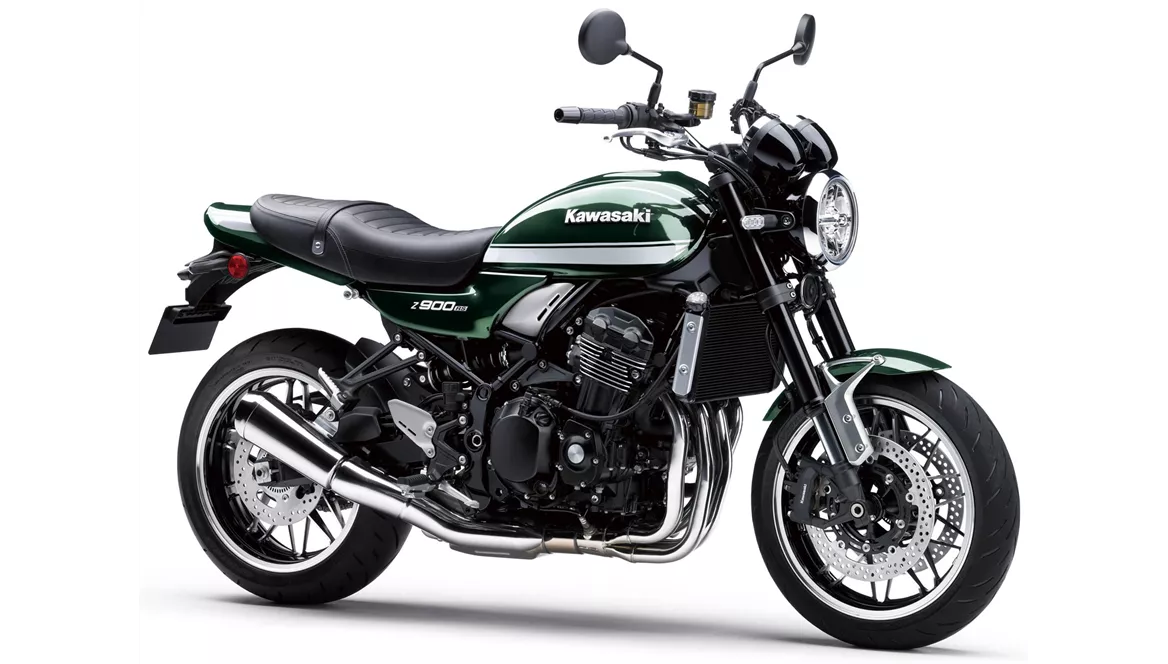
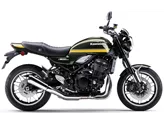
Kawasaki Z900 RS 2022
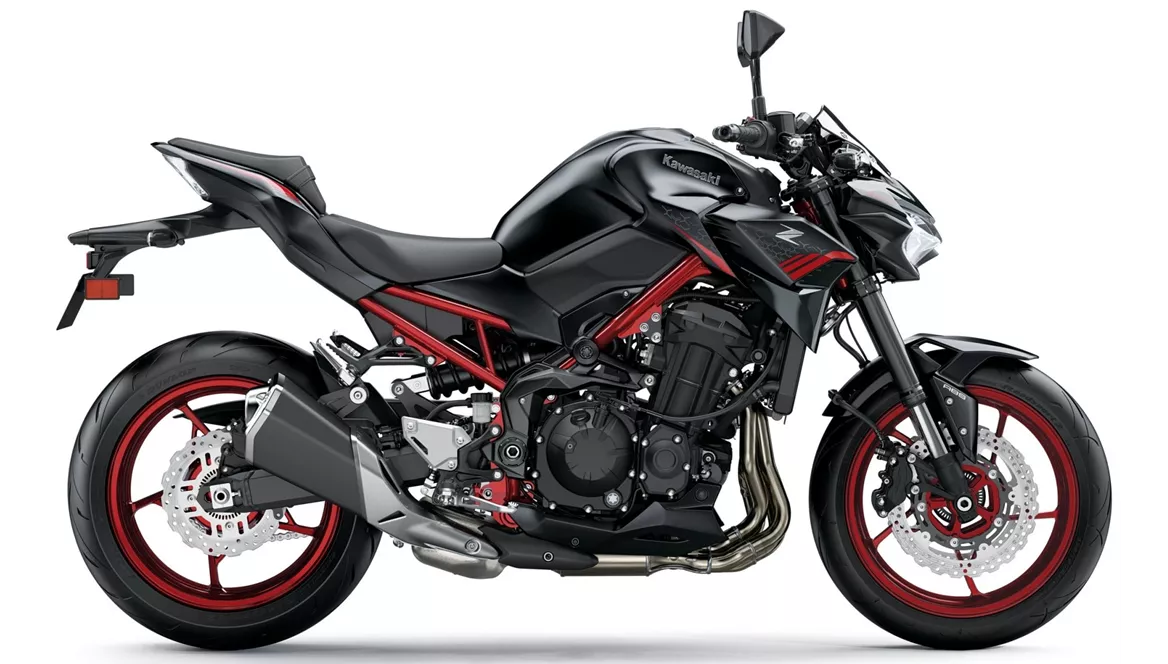
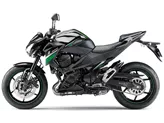
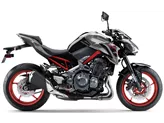
Kawasaki Z900 2021
Overview - Kawasaki Z900 RS 2022 vs Kawasaki Z900 2021
The Kawasaki Z900 RS model year 2022 and the Kawasaki Z900 model year 2021 are both naked bikes from Kawasaki with similar technical specifications. However, there are some notable differences between the two models.
Starting with the Kawasaki Z900 RS 2022, it features a beautiful design that pays homage to the classic Z1 model. It is equipped with a powerful in-line four-cylinder engine that produces 111 horsepower, providing ample power for thrilling rides. The bike also offers stable handling, thanks to its upside-down telescopic fork front suspension and swing arm rear suspension with a monoshock absorber. The suspension can be adjusted for compression, preload, and rebound, allowing riders to fine-tune their riding experience.
In terms of braking, the Z900 RS 2022 comes with double disk brakes on the front, each with four pistons, ensuring powerful and reliable stopping power. The bike also features advanced rider assistance systems such as ABS and traction control, enhancing safety and control on the road. The chassis of the Z900 RS 2022 is made of steel, providing a sturdy and durable frame for the bike.
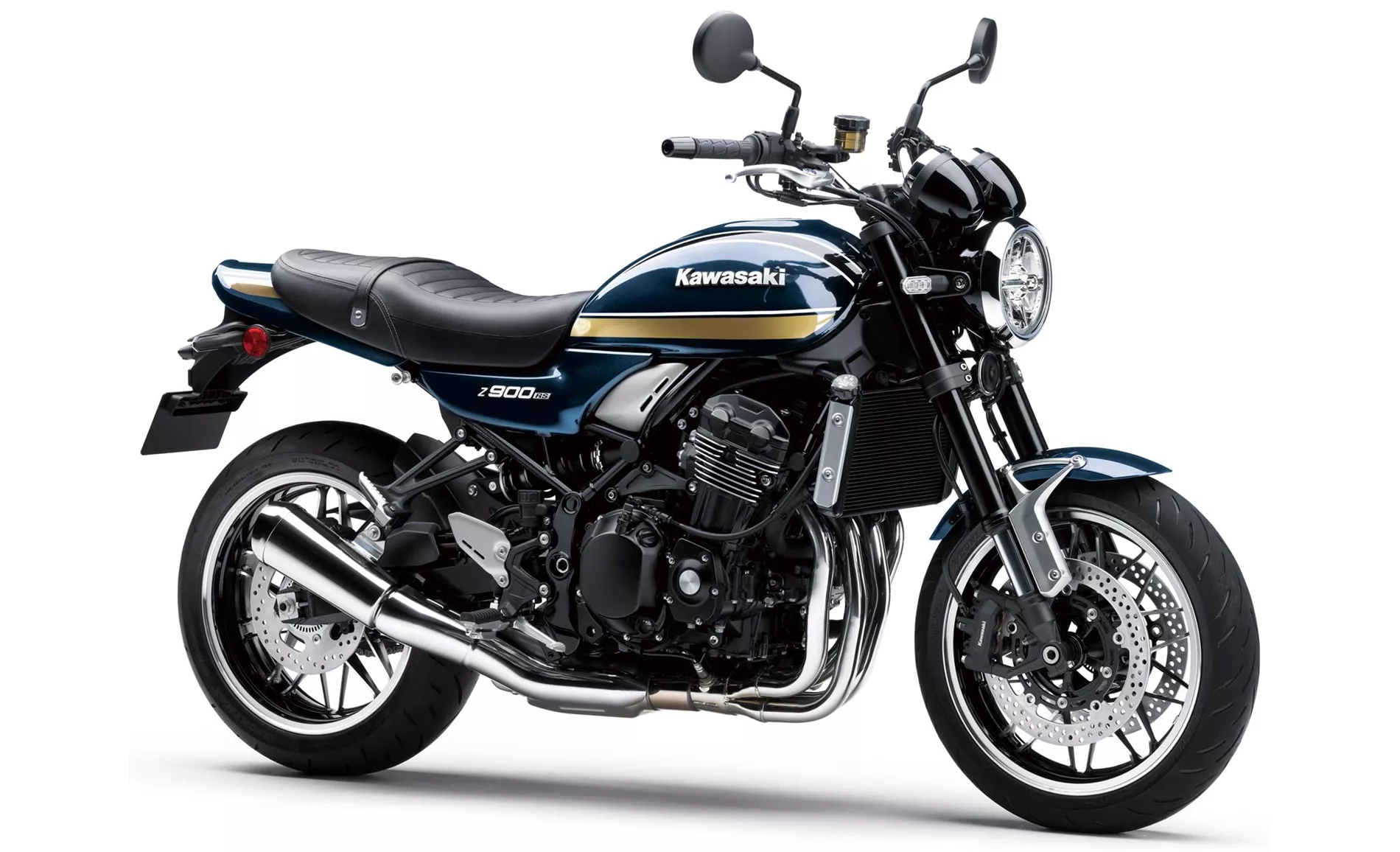
Kawasaki Z900 RS 2022
In terms of dimensions and weights, the Z900 RS 2022 has a front tire width of 120mm and a rear tire width of 180mm, both with a diameter of 17 inches. The wheelbase is 1470mm, and the seat height is 835mm. The bike has a kerb weight of 215kg with ABS.
Moving on to the Kawasaki Z900 2021, it shares many similarities with the Z900 RS 2022 in terms of technical specifications. It is also equipped with an in-line four-cylinder engine with a displacement of 948cc, producing 125.4 horsepower. The bike offers intuitive handling and good equipment, making it a popular choice among riders. Its aggressive looks and value for money are additional strengths of the Z900 2021.
The Z900 2021 features upside-down telescopic fork front suspension and swing arm rear suspension with a monoshock absorber, similar to the Z900 RS 2022. The suspension can be adjusted for preload and rebound, allowing riders to customize their riding experience. The chassis of the Z900 2021 is made of steel and features a double cradle frame.
In terms of braking, the Z900 2021 also comes with double disk brakes on the front with four pistons. However, it offers additional rider assistance systems such as ABS, riding modes, ride by wire, and traction control, providing enhanced safety and control.
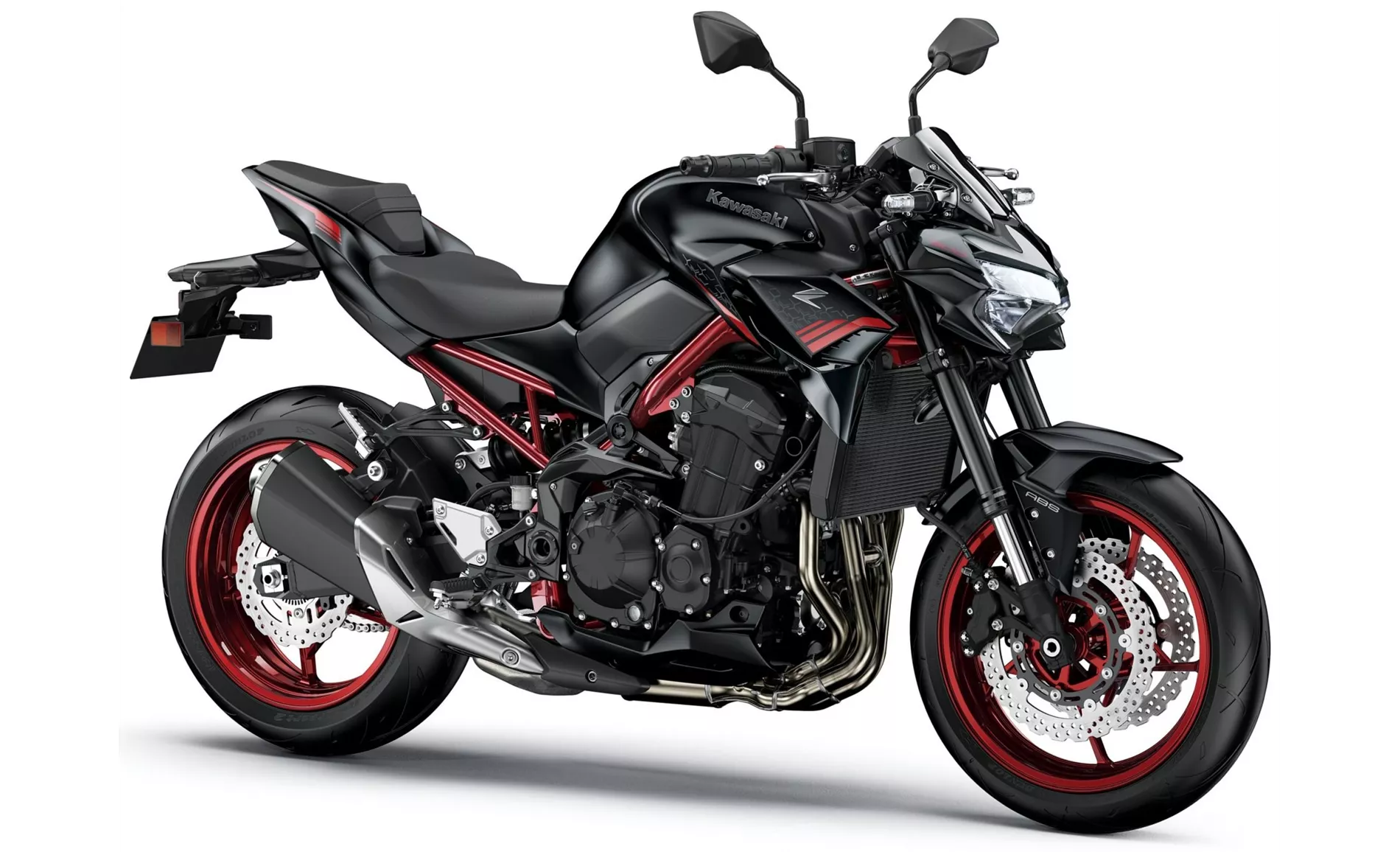
Kawasaki Z900 2021
In terms of dimensions and weights, the Z900 2021 has a front tire width of 120mm and a rear tire width of 180mm, both with a diameter of 17 inches. The wheelbase is slightly shorter than the Z900 RS 2022 at 1450mm, and the seat height is 795mm. The bike has a kerb weight of 210kg with ABS.
In terms of weaknesses, the Kawasaki Z900 RS 2022 does not offer an optional quickshifter, which may be a drawback for some riders. Similarly, the Kawasaki Z900 2021 also lacks a quickshifter option. Additionally, the Z900 2021 faces competition from other bikes that feature a 6-axis IMU, providing advanced electronic capabilities.
Overall, both the Kawasaki Z900 RS 2022 and the Kawasaki Z900 2021 are powerful and capable naked bikes with their own strengths and weaknesses. The Z900 RS 2022 stands out with its beautiful design and comfortable seating position, while the Z900 2021 offers intuitive handling and good equipment. Ultimately, the choice between the two models depends on the rider's preferences and priorities.
Technical Specifications Kawasaki Z900 RS 2022 compared to Kawasaki Z900 2021
Pros and Cons in comparison
Pros and Cons in comparison
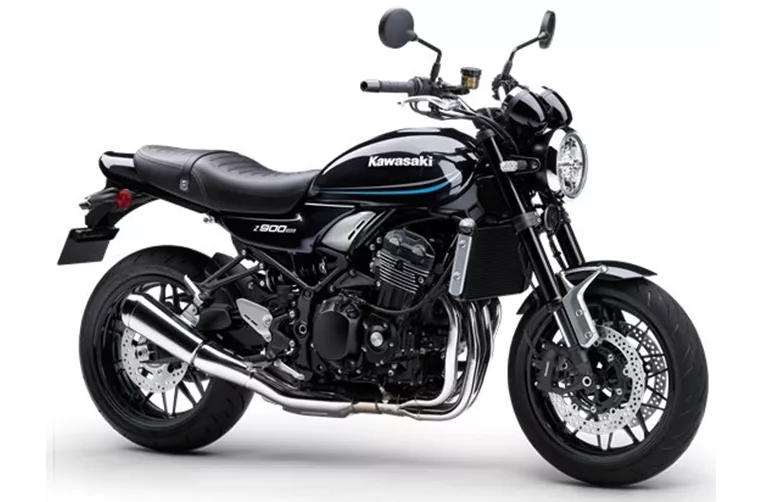
Kawasaki Z900 RS 2022
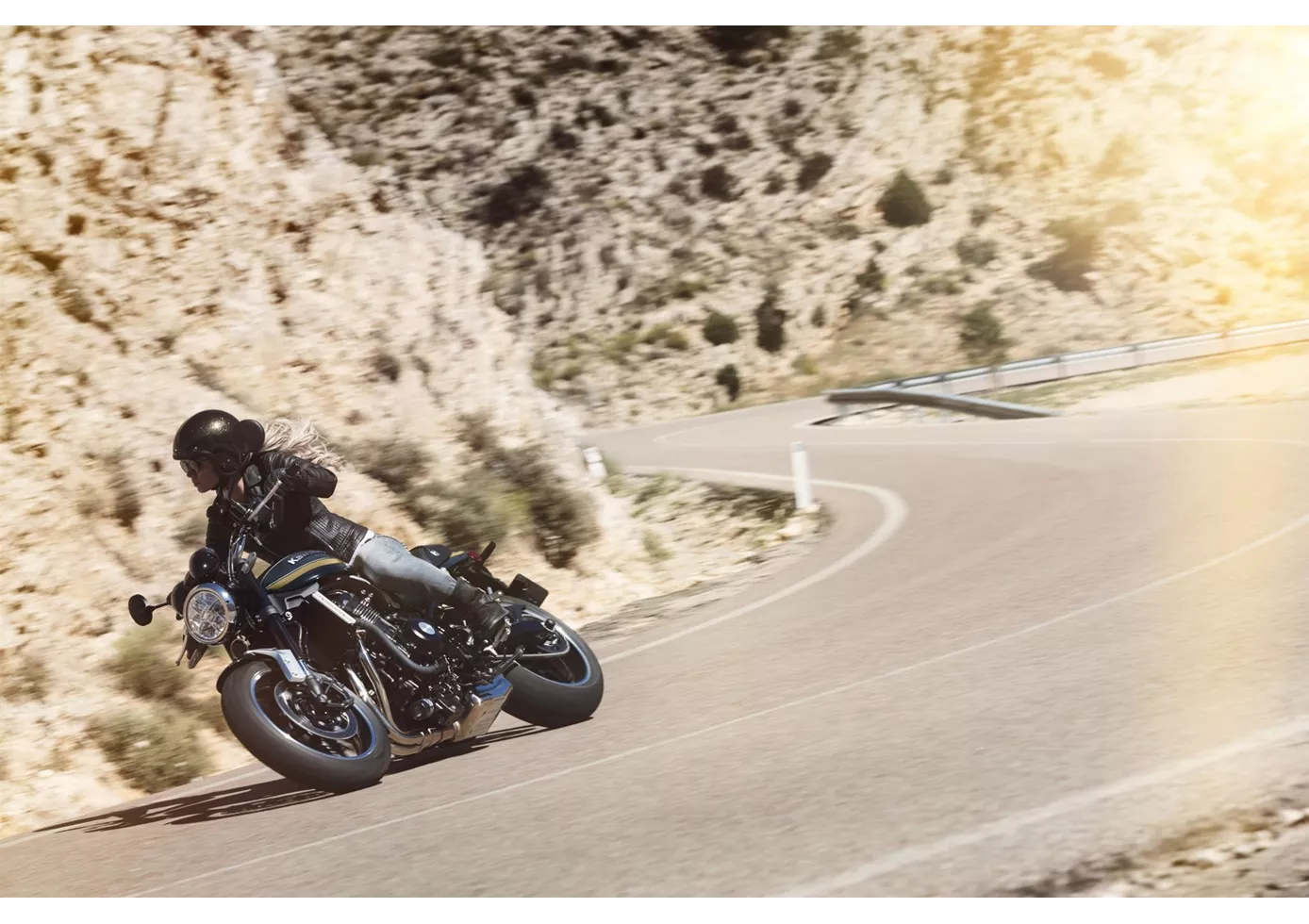
The Kawasaki Z900 RS is the perfect blend of classic design and modern technology. The silky-smooth four-cylinder engine offers linear power delivery and impressive elasticity in all rev ranges. The suspension combines comfort and stability, ideal for long distances and sporty rides. Despite the lack of wind protection, the Z900 RS impresses with a comfortable riding position and agile handling characteristics. Visually, it is reminiscent of the legendary Z1, while modern features such as traction control and high-quality workmanship round off the overall package. For anyone looking for a retro look with modern performance, the Z900 RS is a reliable and versatile companion - both for everyday use and when touring.
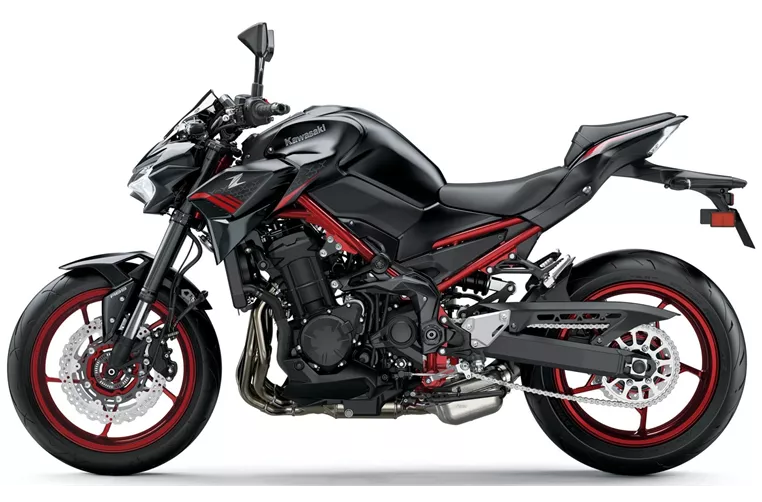
Kawasaki Z900 2021
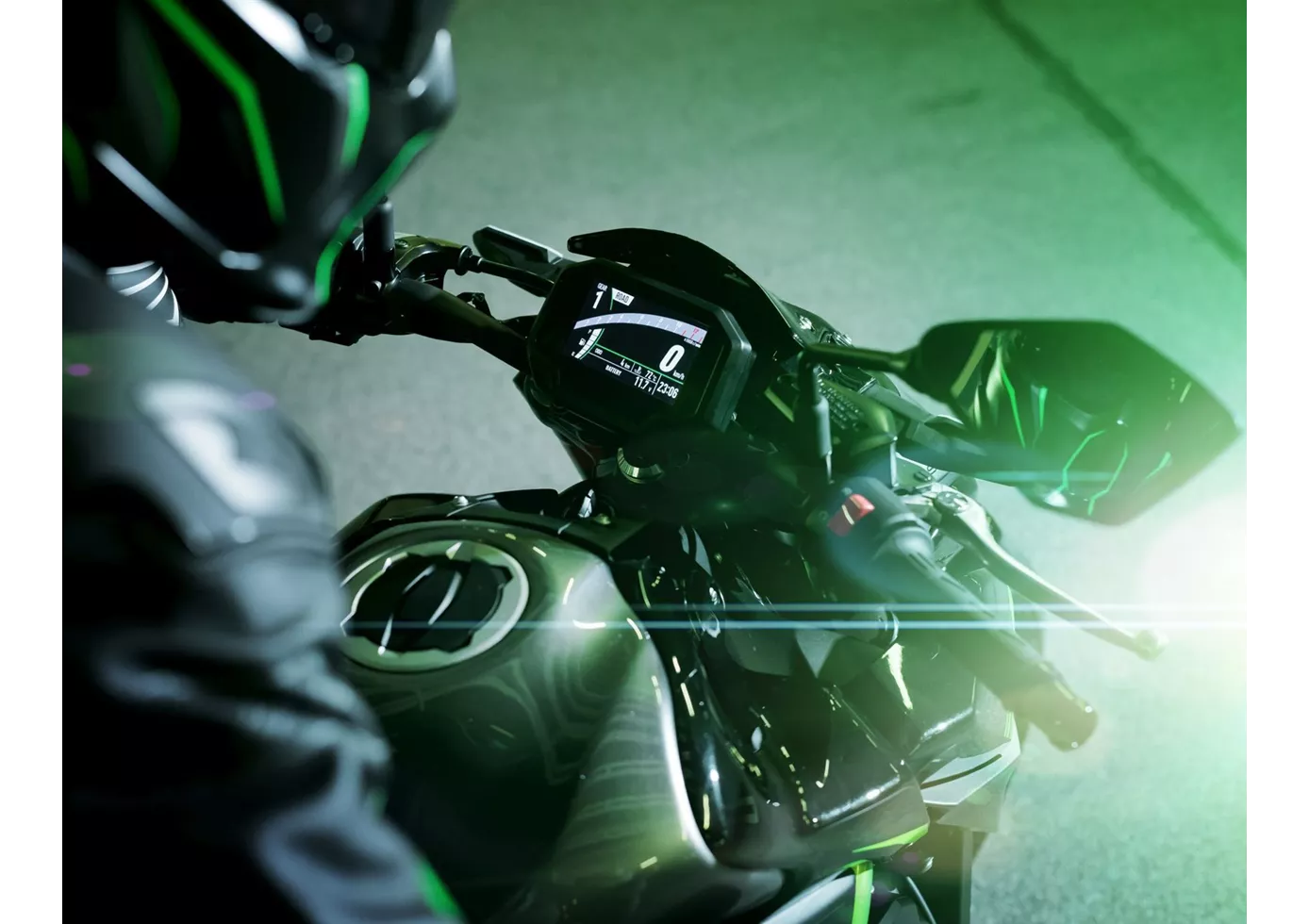
The Kawasaki Z900 may not be up to scratch when it comes to modern, lean angle-dependent electronic features, but it's relatively cheap and you shouldn't underestimate the fan base of the good old inline four - the Z900 is one of the cheapest ways to own such a great engine with just under a litre of displacement in a sporty naked bike! The higher weight is noticeable, but not massively annoying, because the handling and stability are quite alright. In terms of "outdated" electronics, the most annoying thing is the missing shift assistant, which is not even available as an option. Overall, however, the Z900 is a great naked bike with a great price-performance ratio.
Price Comparison Average Market Price Kawasaki Z900 RS vs Kawasaki Z900
There are a few key differences between a Kawasaki Z900 RS 2022 and a Kawasaki Z900 2021. In terms of price, the actual average price of a Kawasaki Z900 RS 2022 is about 36% higher. Compared to Kawasaki Z900 2021 there are less Kawasaki Z900 RS 2022 bikes available on the 1000PS.de Marketplace, specifically 22 compared to 33. It takes less time to sell a Kawasaki Z900 with 107 days compared to 127 days for the Kawasaki Z900 RS. Since model year 2018 1000PS.de editors have written 26 reviews for the Kawasaki Z900 RS and 46 reviews for the Kawasaki Z900 since model year 2017. The first review for the Kawasaki Z900 RS was published on 06/09/2017 and now has more than 63,700 views. This compares to more than 93,200 views for the first review on Kawasaki Z900 published on 11/11/2016.