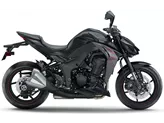
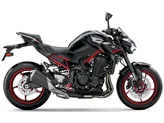
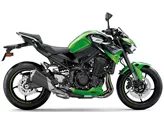
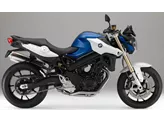
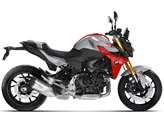
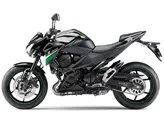
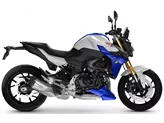
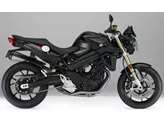
Kawasaki Z900 2021 vs. BMW F 800 R 2015
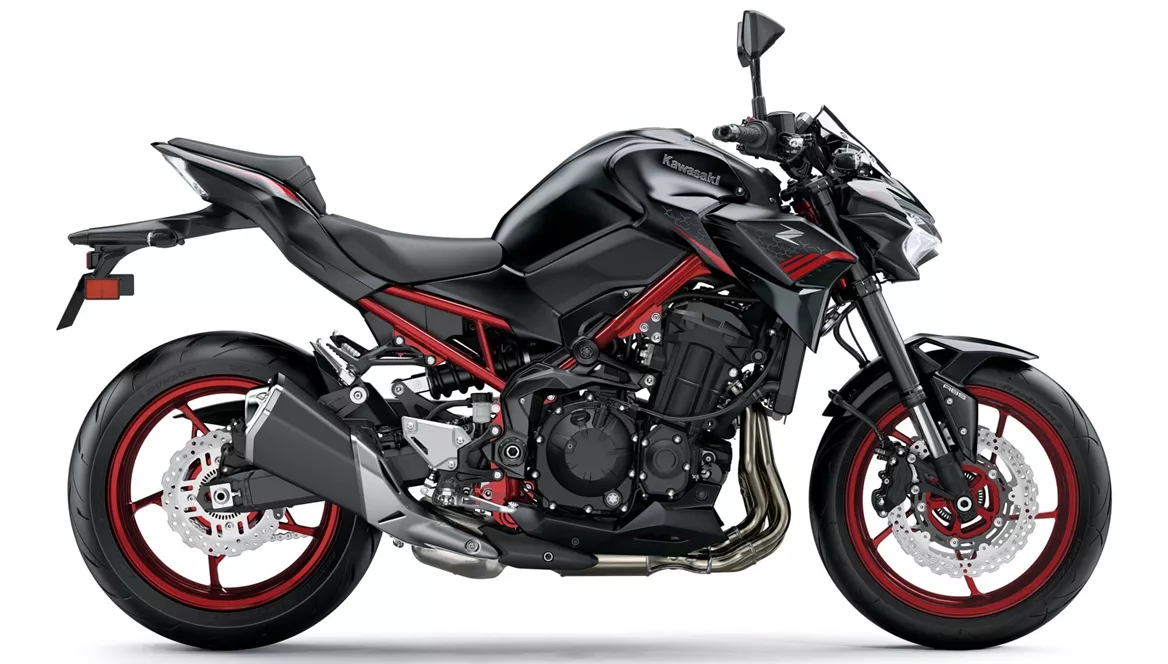
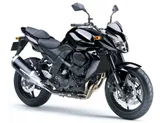
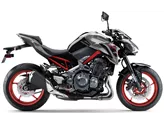
Kawasaki Z900 2021

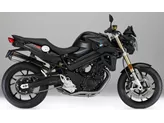
BMW F 800 R 2015
Overview - Kawasaki Z900 2021 vs BMW F 800 R 2015
The Kawasaki Z900 2021 and the BMW F 800 R 2015 are both naked bikes that offer a thrilling riding experience. However, there are several key differences between the two models.
In terms of engine power, the Kawasaki Z900 2021 takes the lead with 125.4 HP, while the BMW F 800 R 2015 falls slightly behind with 90 HP. The Z900 also has a higher torque of 98.6 Nm compared to the F 800 R's 86 Nm. This means that the Z900 will provide a more powerful and exhilarating ride.
Both bikes feature upside-down telescopic forks for the front suspension and swing arm suspension for the rear. The chassis of the Z900 is made of steel, while the F 800 R features an aluminum frame. The Z900 has a double cradle frame type, while the F 800 R has a twin tube, load-bearing engine frame type. These differences in frame material and type may affect the overall weight and handling of the bikes.
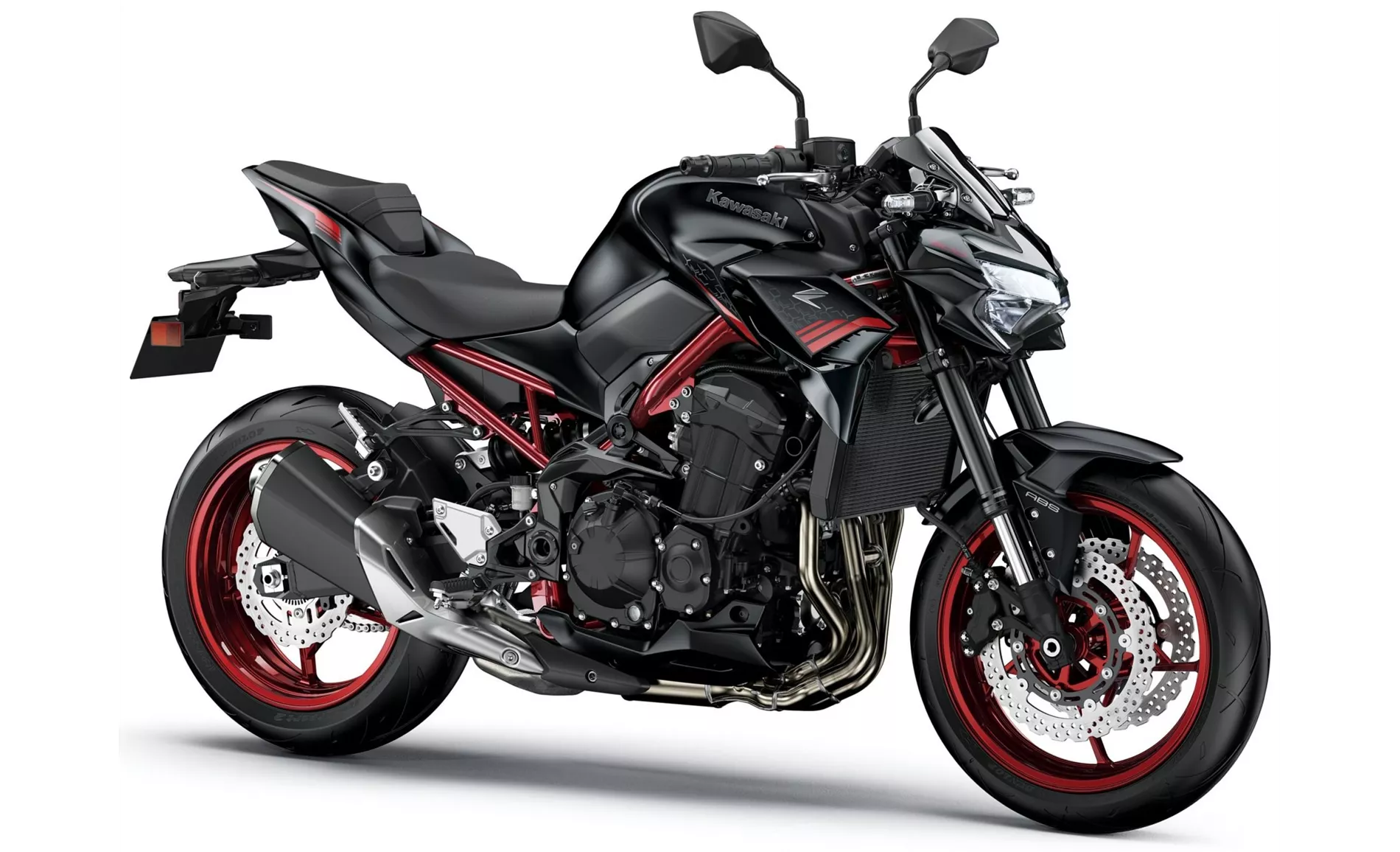
Kawasaki Z900 2021
When it comes to braking technology, both bikes have double disk brakes with four pistons. However, the Z900 utilizes petal technology for its brakes, while the F 800 R features radial technology. These variations in braking technology may result in slight differences in braking performance and feel.
In terms of advanced rider assistance systems, the Z900 2021 offers ABS, riding modes, ride by wire, and traction control. On the other hand, the F 800 R 2015 features electronically adjustable suspension. These systems enhance the overall safety and performance of the bikes, providing riders with added confidence and control.
In terms of dimensions and weights, both bikes have the same front and rear tire widths and diameters. However, the Z900 has a slightly shorter wheelbase of 1450 mm compared to the F 800 R's 1520 mm. The seat height of the Z900 is 795 mm, while the F 800 R has a seat height of 790-820 mm. These differences in wheelbase and seat height may affect the overall maneuverability and comfort of the bikes.

BMW F 800 R 2015
In terms of strengths, the Kawasaki Z900 2021 offers a powerful four-cylinder engine, intuitive handling, good equipment, aggressive looks, and value for money. On the other hand, the BMW F 800 R 2015 boasts high-quality equipment such as ESA, RDC, and ASC, and is very universally usable, providing a fast yet comfortable ride.
However, the Z900 2021 has a weakness in that it lacks a quickshifter option and its competitors have advanced features like a 6-axis IMU. On the other hand, the F 800 R 2015 may become relatively high-priced when adding all the extras and lacks the certain "cult" status of other popular models like the Monster or Street Triple.
In conclusion, the Kawasaki Z900 2021 and the BMW F 800 R 2015 are both impressive naked bikes that offer unique features and riding experiences. The Z900 excels in terms of power and value for money, while the F 800 R offers high-quality equipment and versatility. Ultimately, the choice between the two will depend on the rider's preferences and priorities.
Technical Specifications Kawasaki Z900 2021 compared to BMW F 800 R 2015
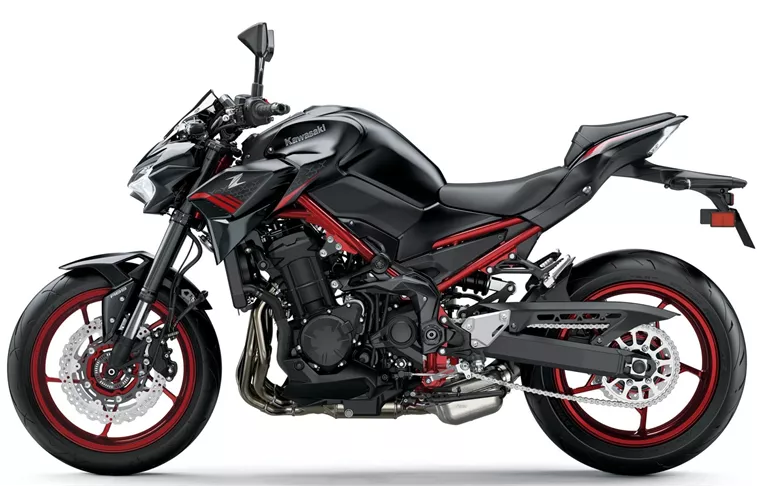

Pros and Cons in comparison
Pros and Cons in comparison
Kawasaki Z900 2021
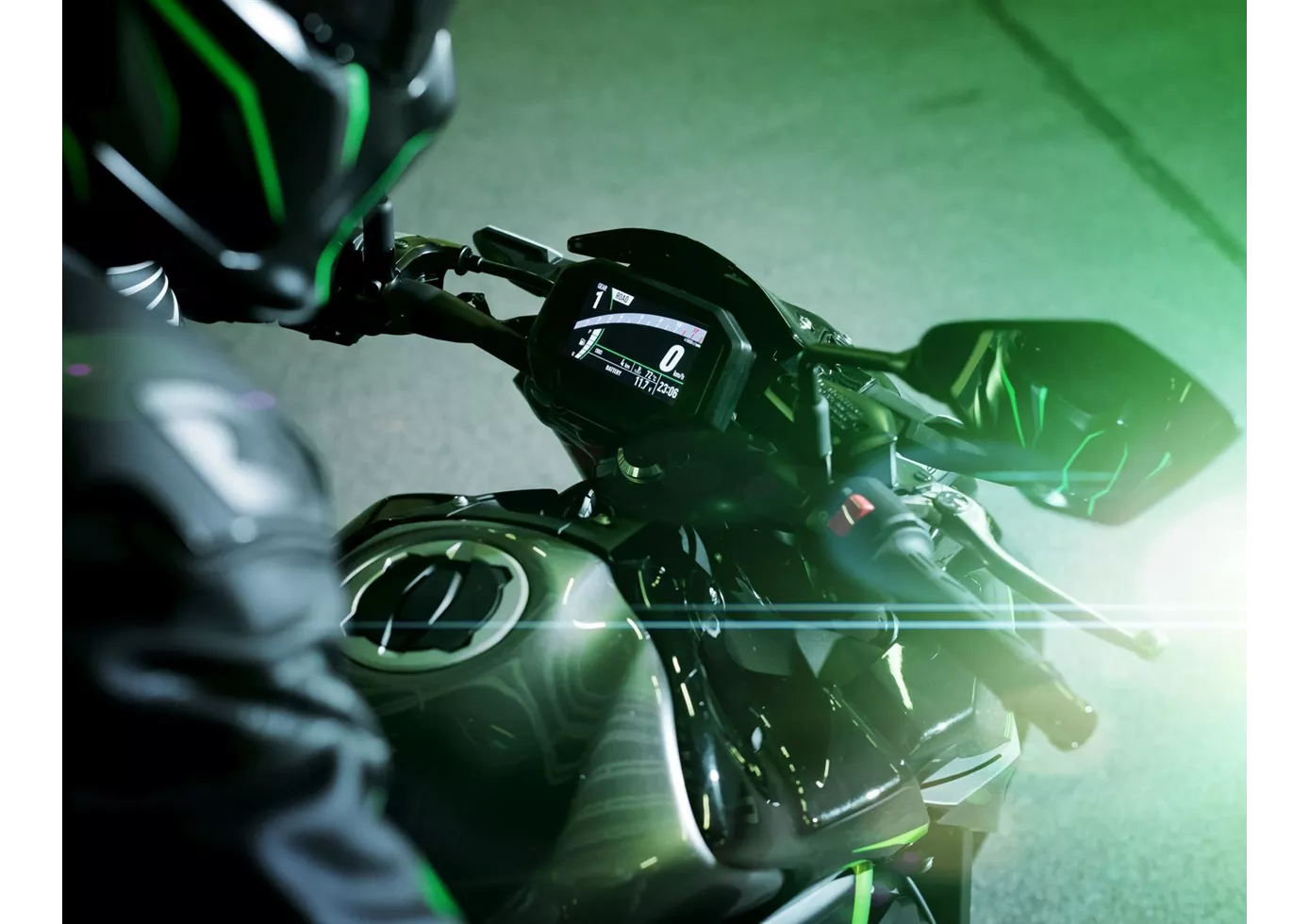
The Kawasaki Z900 may not be up to scratch when it comes to modern, lean angle-dependent electronic features, but it's relatively cheap and you shouldn't underestimate the fan base of the good old inline four - the Z900 is one of the cheapest ways to own such a great engine with just under a litre of displacement in a sporty naked bike! The higher weight is noticeable, but not massively annoying, because the handling and stability are quite alright. In terms of "outdated" electronics, the most annoying thing is the missing shift assistant, which is not even available as an option. Overall, however, the Z900 is a great naked bike with a great price-performance ratio.
BMW F 800 R 2015

With a EURO4 engine, new riding modes, new instruments and new colours, the F 800 R starts the new season. It is recognisable at first glance only by the end cap on the stately stainless steel exhaust. It is one of those full-grown motorbikes that, despite its considerable sporting potential, was designed for the widest possible user group. Therefore, it is absolutely beginner-friendly (throttled), but can also inspire an experienced audience. Its character remains somewhat pragmatic, but the unmistakable, hollow sound of the inline two compensates for this.
Price Comparison Average Market Price Kawasaki Z900 vs BMW F 800 R
There are a few key differences between a Kawasaki Z900 2021 and a BMW F 800 R 2015. In terms of price, the actual average price of a Kawasaki Z900 2021 is about 27% higher. Compared to BMW F 800 R 2015 there are more Kawasaki Z900 2021 bikes available on the 1000PS.de Marketplace, specifically 33 compared to 14. It takes less time to sell a BMW F 800 R with 89 days compared to 107 days for the Kawasaki Z900. Since model year 2017 1000PS.de editors have written 46 reviews for the Kawasaki Z900 and 20 reviews for the BMW F 800 R since model year 2009. The first review for the Kawasaki Z900 was published on 11/11/2016 and now has more than 93,200 views. This compares to more than 8,900 views for the first review on BMW F 800 R published on 10/10/2008.