BMW S 1000 RR 2010 vs. Yamaha R1 2020
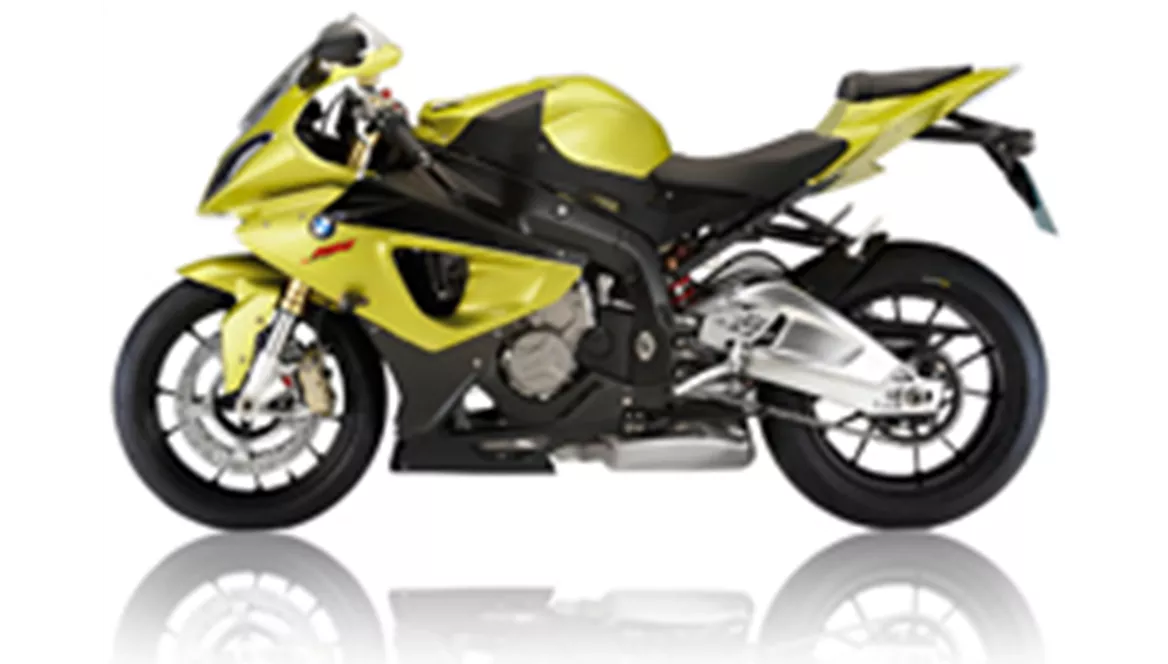
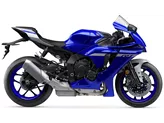
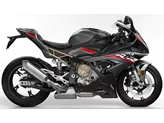
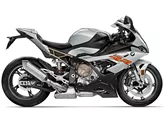
BMW S 1000 RR 2010
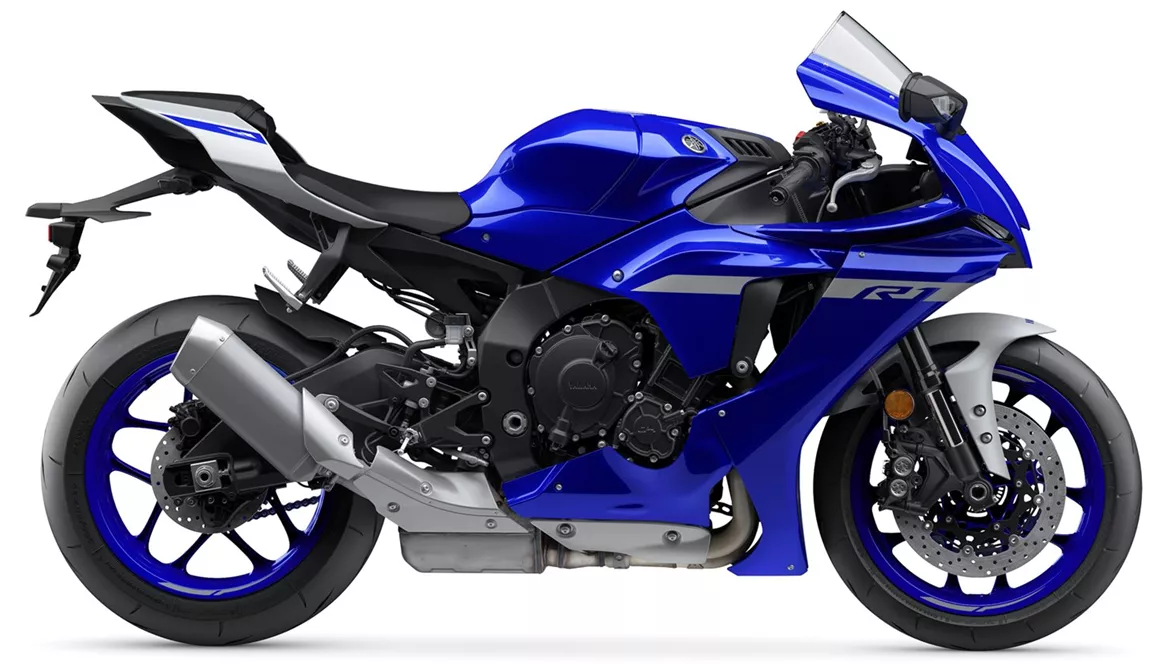
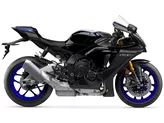
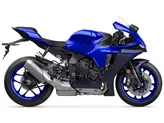
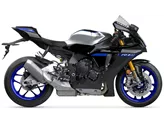
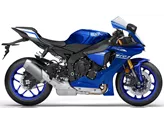
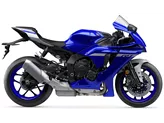
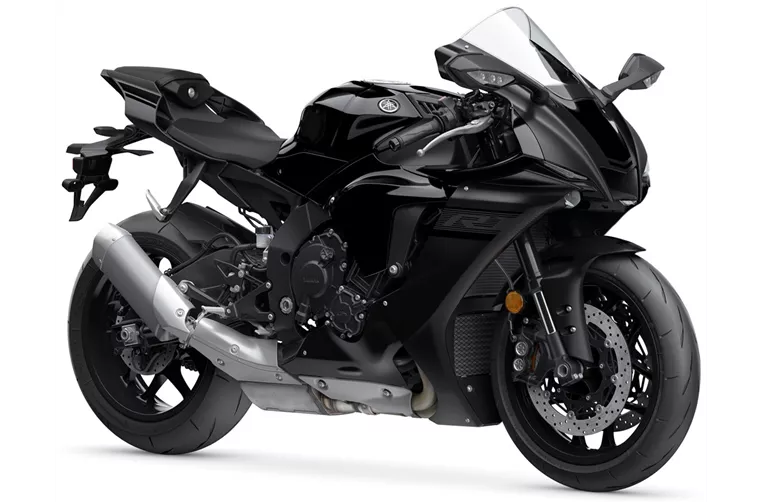
Yamaha R1 2020
Overview - BMW S 1000 RR 2010 vs Yamaha R1 2020
When comparing the BMW S 1000 RR model year 2010 and the Yamaha R1 model year 2020, several factors come into play. Starting with the technical specifications, the BMW S 1000 RR has a bore of 80 mm and a stroke of 49.7 mm, while the Yamaha R1 has a slightly smaller bore of 79 mm and a stroke of 50.9 mm. In terms of engine power, the BMW S 1000 RR boasts 192 HP, while the Yamaha R1 takes the lead with 200 HP. Both bikes have a torque of around 112 Nm and a compression ratio of 13. They also share the same number of cylinders (4) and a displacement of around 1000 ccm.
Moving on to the suspension, the BMW S 1000 RR features a telescopic fork at the front, while the Yamaha R1 is equipped with an upside-down telescopic fork. Both bikes have an aluminum frame, with the BMW S 1000 RR having a twin tube frame type and the Yamaha R1 featuring a Deltabox frame type. The front brakes on both bikes are double disk type, ensuring effective stopping power.
BMW S 1000 RR 2010
In terms of dimensions and weights, both bikes have the same front and rear tire width of 120 mm and 190 mm, respectively. However, there are differences in other aspects. The BMW S 1000 RR has a longer wheelbase of 1432 mm compared to the Yamaha R1's 1405 mm. The seat height of the BMW S 1000 RR is 820 mm, while the Yamaha R1 sits slightly higher at 855 mm. The BMW S 1000 RR also has a higher kerb weight of 207 kg (with ABS) compared to the Yamaha R1's 199 kg. Both bikes have a fuel tank capacity of around 17 liters, with the BMW S 1000 RR having a slightly larger capacity of 17.5 liters.
Now, let's discuss the strengths and weaknesses of each bike. The BMW S 1000 RR 2010 is known for its superior performance, thanks to its powerful engine and well-functioning driving aids. It is also praised for its speed and optimal price. On the other hand, it has weaknesses in terms of agility, complicated handling, and braking stability, which can be attributed to its high weight.
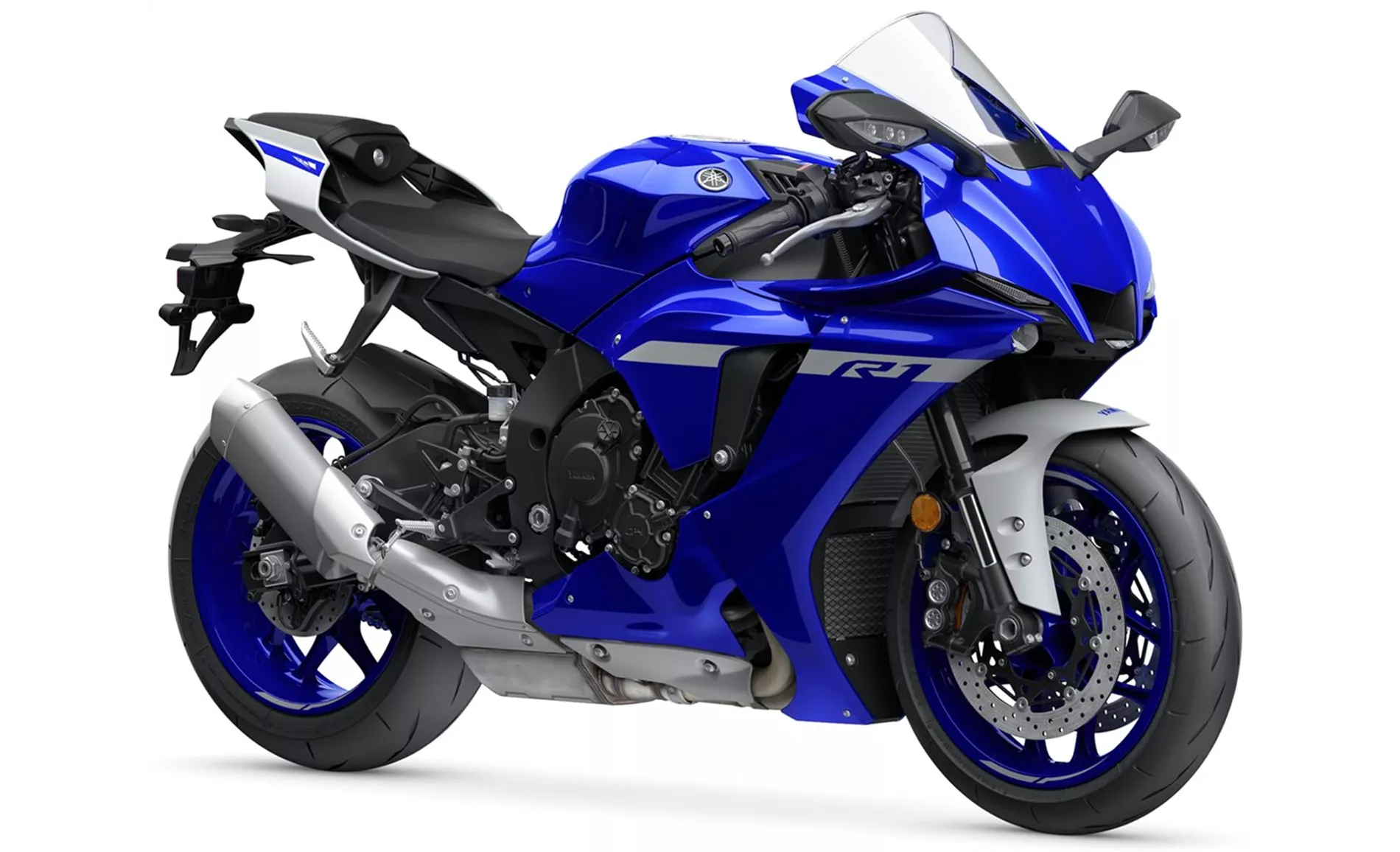
Yamaha R1 2020
In contrast, the Yamaha R1 2020 boasts a powerful engine that delivers a clean response and produces a great, but not intrusive sound. It also features a stable chassis and high-quality electronics, contributing to its overall impressive performance. However, one weakness of the Yamaha R1 is that its brakes may not be entirely satisfactory on the race track.
In conclusion, while the BMW S 1000 RR 2010 offers superior performance and a competitive price, the Yamaha R1 2020 excels in terms of engine power, clean response, and overall quality. Ultimately, the choice between the two will depend on individual preferences and priorities.
Technical Specifications BMW S 1000 RR 2010 compared to Yamaha R1 2020
Pros and Cons in comparison
Pros and Cons in comparison
BMW S 1000 RR 2010
The BMW can still score points with hard facts in 2015. If you like top performance, you have to buy the BMW. It turns out incredibly powerful at the top and drives away the rest of the field from 200. Big and heavy riders will be able to benefit from this even more. BMW didn't make it easy for themselves with this bike and put together a very universal motorbike. If you were to do a comparison test with 50 different riders (from rookie to pro), the BMW would have the best average of all 1000cc bikes. The electronic chassis, but also the riding aids, make the pros fast and the beginners safe on the road. A top recommendation for a very broad target group. Very fast hobby riders will not be 100% satisfied with the standard suspension. If you don't want to modify the chassis, you should rather go for an R1M, a Panigale S or an RSV RF. If you want to convert anyway, the S 1000 RR is the strongest and most universal base. Surprisingly, the powerful machine also rides very well on country roads. All in all, it looks like a compromise, but it never feels like one in practice.
Yamaha R1 2020
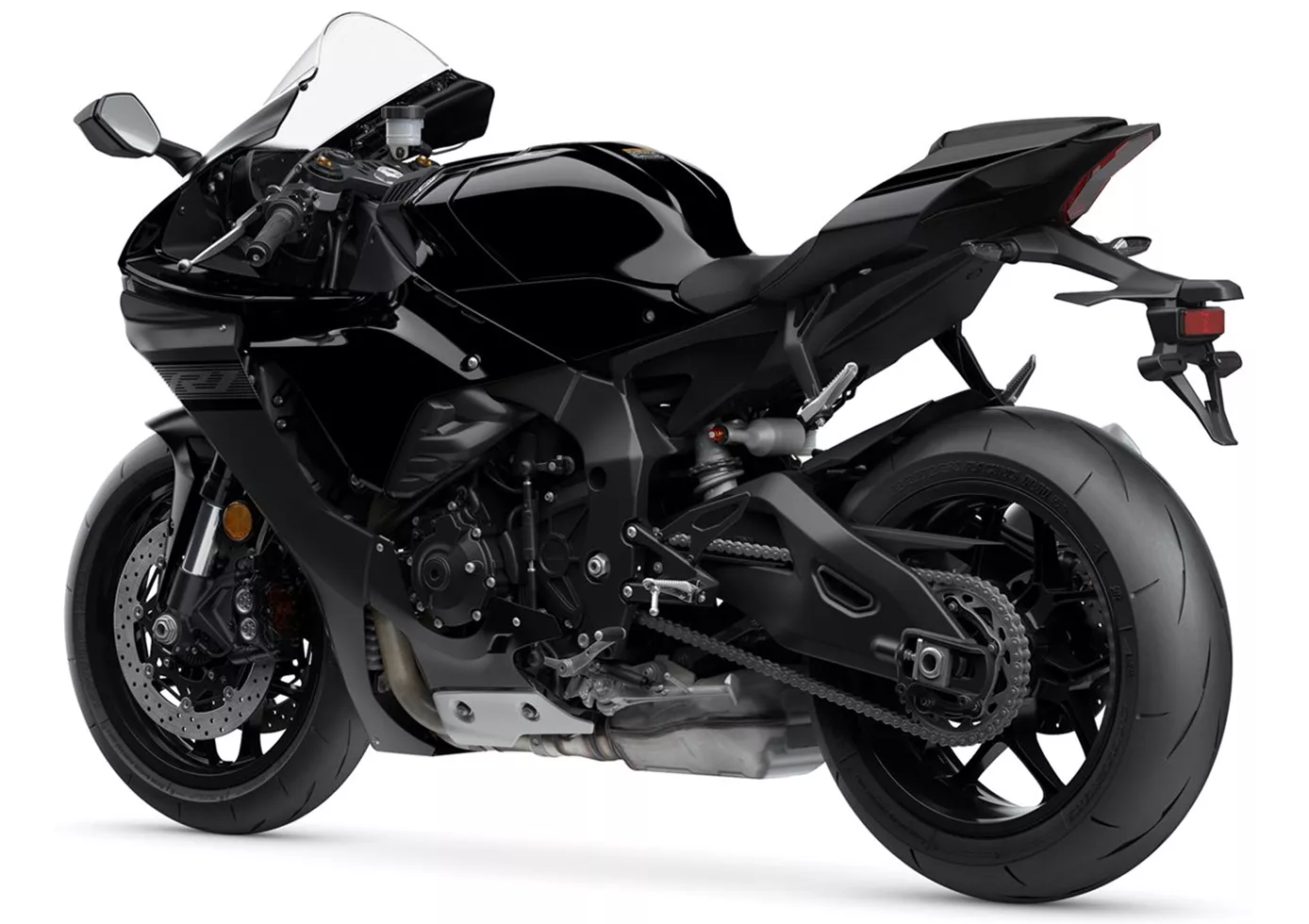
The Yamaha YZF-R1 is mature and makes countless racetrack pilots happy. The engine shines with lightness and agility, the seating position surprises positively and the handling is radical but still "suitable for the masses". The machine immediately stands out visually and also because of the heart-warming sound. Especially on the country road, the bike scores with its well-known strengths: great engine, great electronics, great package! A real pleasure to ride!
Price Comparison Average Market Price BMW S 1000 RR vs Yamaha R1
There are a few key differences between a BMW S 1000 RR 2010 and a Yamaha R1 2020. In terms of price, the actual average price of a Yamaha R1 2020 is about 125% higher. A BMW S 1000 RR 2010 experiences a loss of 1,100 GBP in one year of ownership. This is offset by a loss of 1,250 GBP for a Yamaha R1 2020. Compared to Yamaha R1 2020 there are less BMW S 1000 RR 2010 bikes available on the 1000PS.de Marketplace, specifically 6 compared to 9. It takes less time to sell a BMW S 1000 RR with 52 days compared to 86 days for a Yamaha R1. Since model year 2010 1000PS.de editors have written 135 reviews for the BMW S 1000 RR and 80 reviews for the Yamaha R1 since model year 2005. The first review for the BMW S 1000 RR was published on 16/04/2008 and now has more than 4,000 views. This compares to more than 3,900 views for the first review on Yamaha R1 published on 28/04/2003.