BMW R nineT Scrambler 2019 vs. BMW R 1200 GS 2015
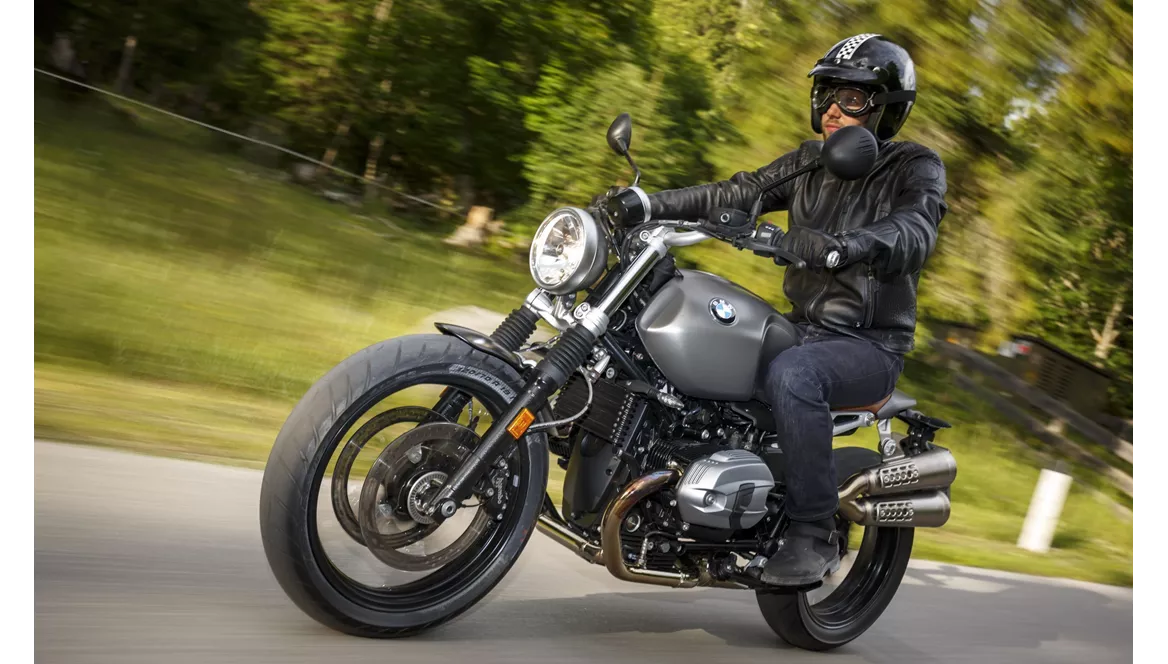
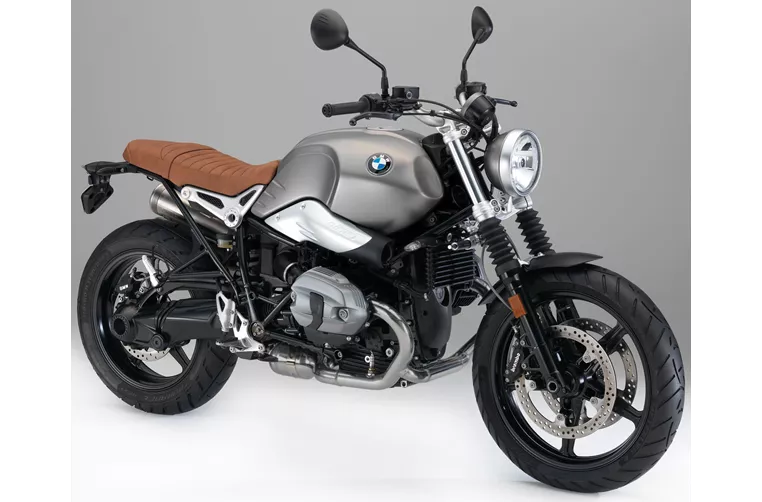
BMW R nineT Scrambler 2019
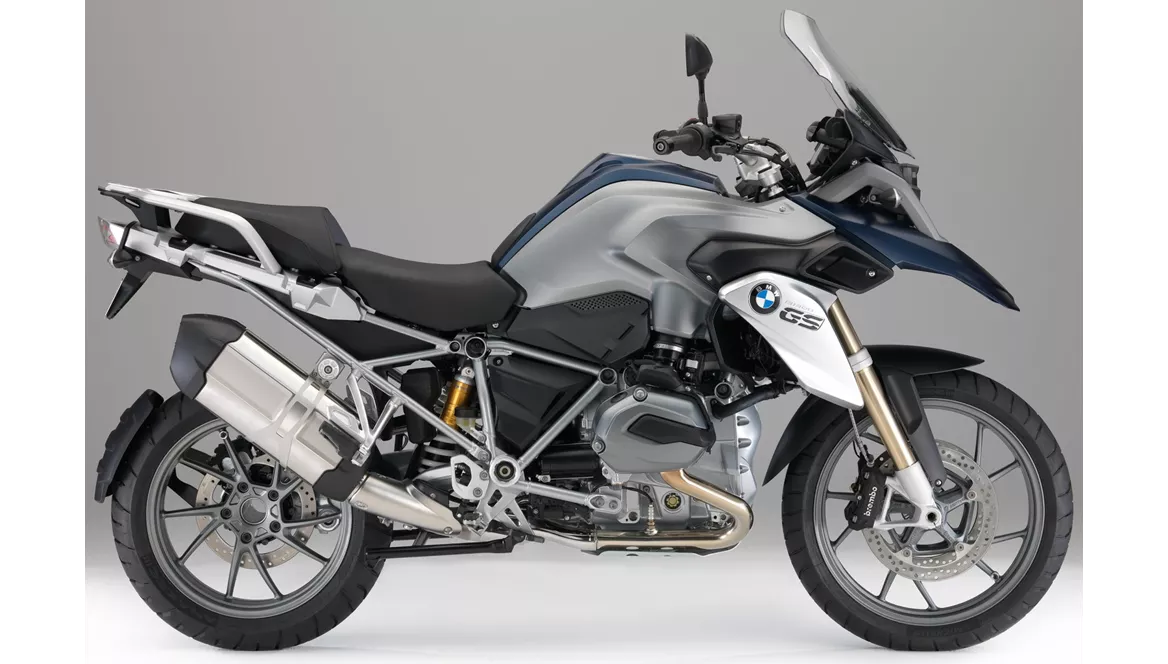
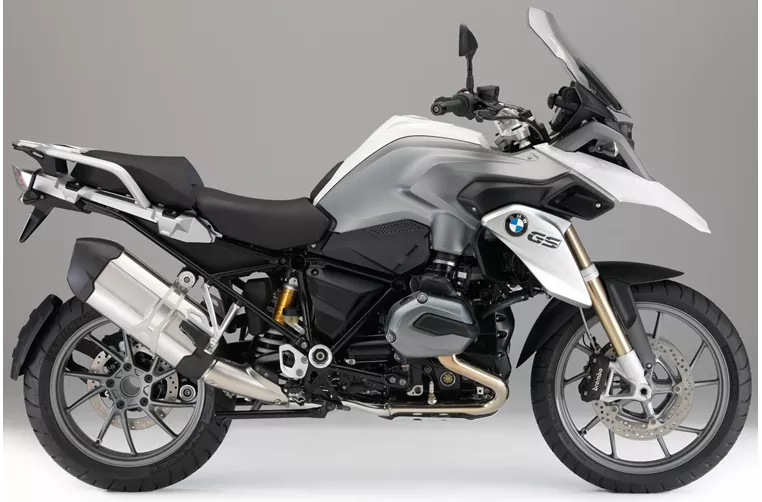
BMW R 1200 GS 2015
Overview - BMW R nineT Scrambler 2019 vs BMW R 1200 GS 2015
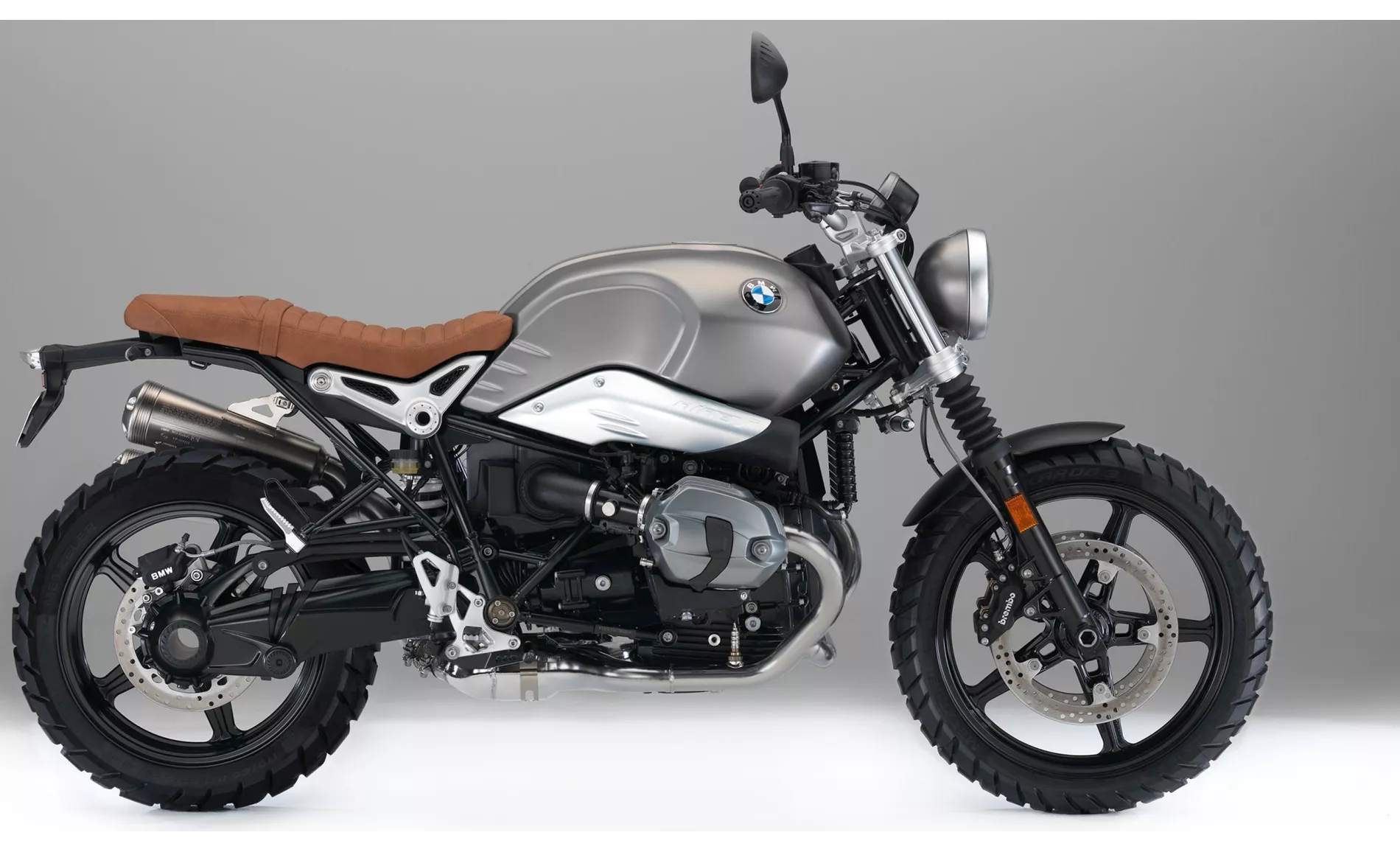
BMW R nineT Scrambler 2019
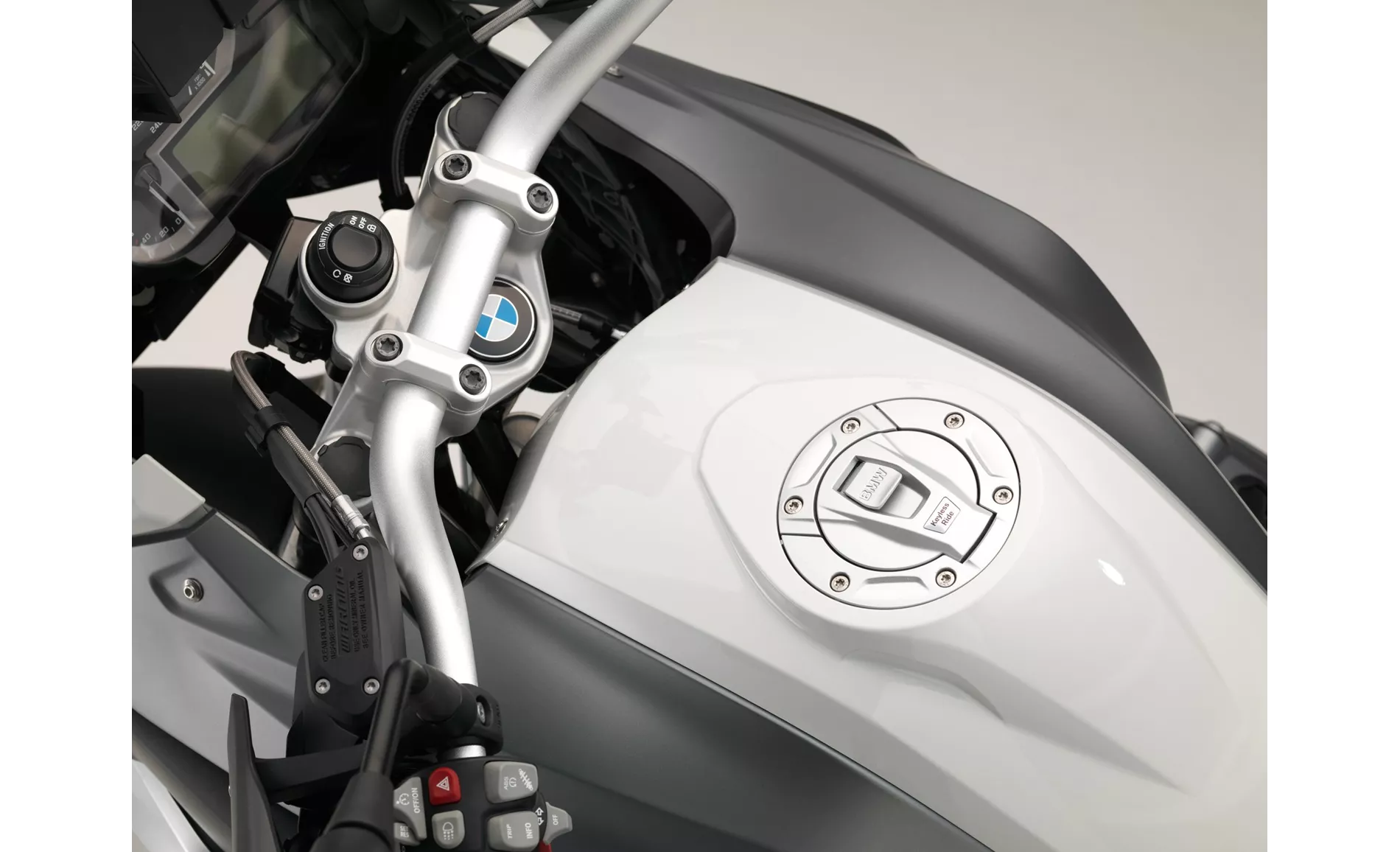
BMW R 1200 GS 2015
Technical Specifications BMW R nineT Scrambler 2019 compared to BMW R 1200 GS 2015
Pros and Cons in comparison
Pros and Cons in comparison
BMW R nineT Scrambler 2019
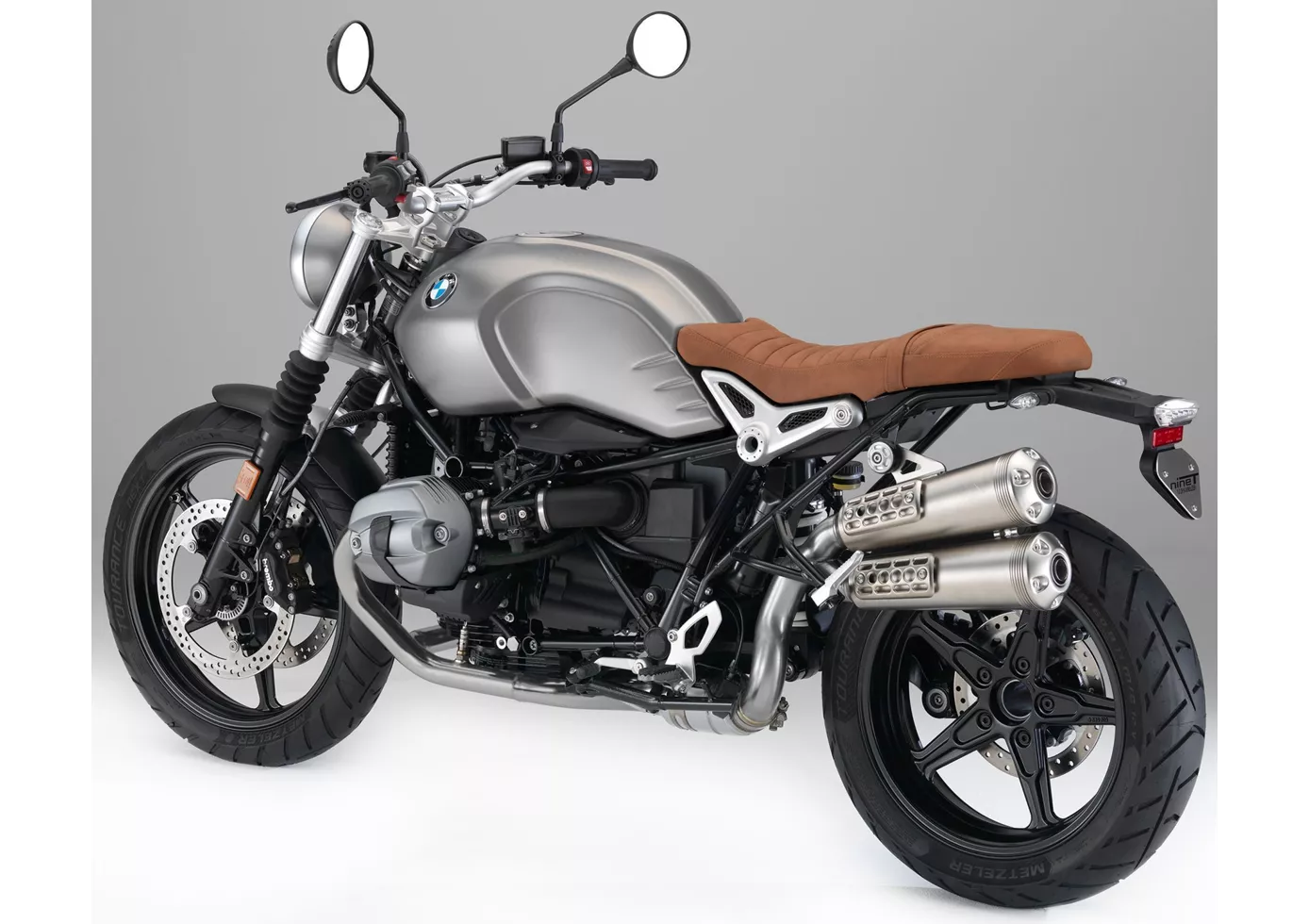
There's really no point in trying to figure out why the R nineT is so popular, the concept is obviously an excellent fit for today. The BMW R nineT Scrambler also works excellently, relying on the same "old" boxer engine with air cooling, which BMW has miraculously made Euro4-compatible without sacrificing performance or character. The chassis is softer, the wheelbase longer and the equipment more spartan - but under the alias Scrambler this is perfectly acceptable, after all the focus is on comfortable riding. The optional one-man saddle is a bit hard, but the R nineT Scrambler is by no means uncomfortable, and the riding position is particularly convincing. So if you can live with less equipment, steel instead of aluminium and simpler suspension elements, you can save a lot of money with the Scrambler - which you can then best invest in customising!
BMW R 1200 GS 2015
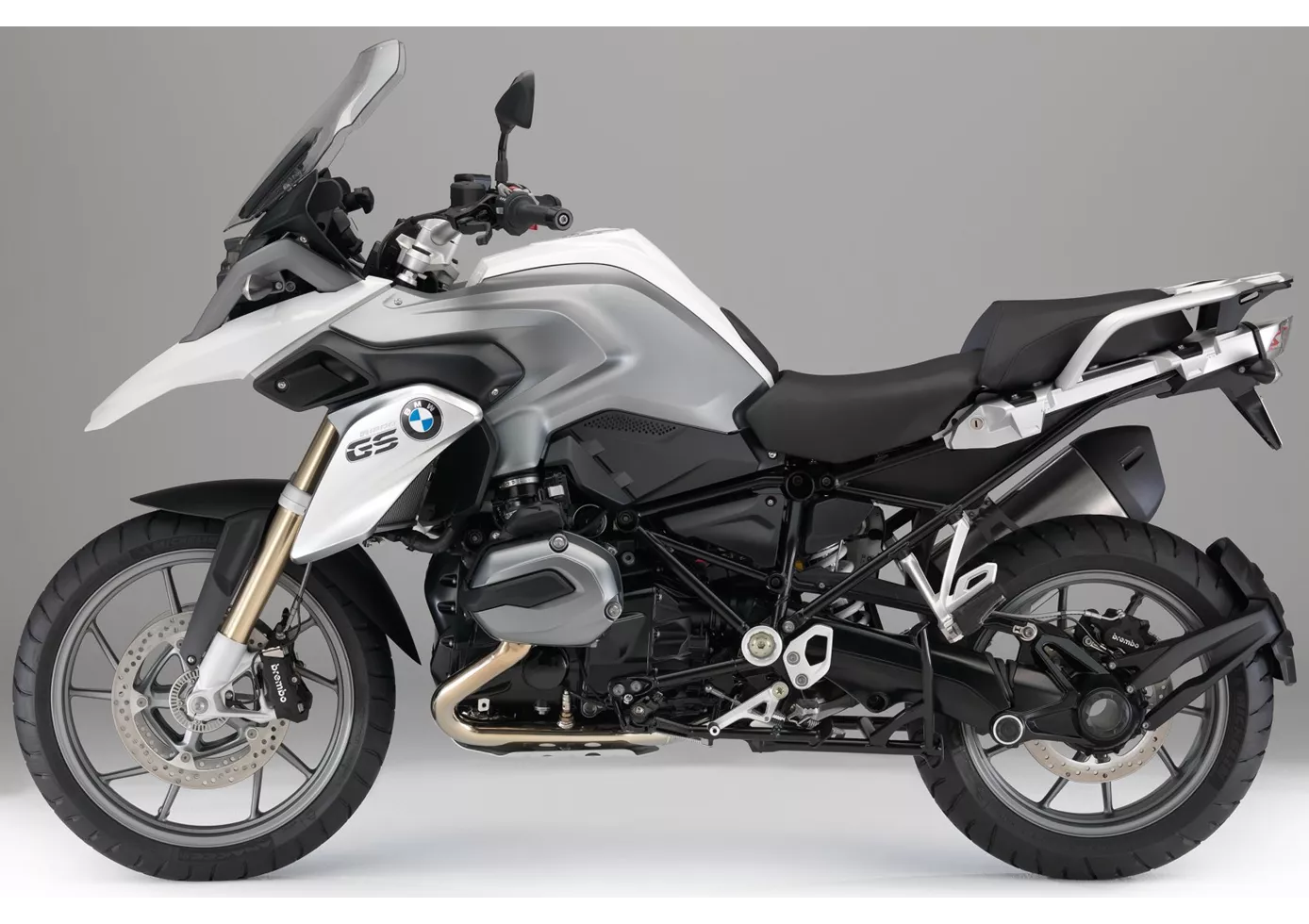
A GS is at home almost anywhere - but only to a limited extent on the racetrack. It's a pleasure to feel the power of the partially water-cooled boxer twin cylinder on the exit of the bend - 125 hp only seems much weaker on paper than 150 or even 160 hp on the competition. With 125 Newton metres of torque, the acceleration from the bottom is superb anyway and the GS, at 238 kilos ready to ride, does not carry too much flab despite its bulky appearance. In very tight corners, the low centre of gravity also has a positive effect - the BMW R 1200 GS is very hard to crack! Even the front telelever suspension, which suppresses the front wheel's tendency to sink in when braking, fits perfectly into the overall package on the GS and can only slightly detract from its sporty character.