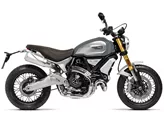
BMW R nineT 2014 vs. Kawasaki Z900 2020
.jpg?format=webp&quality=80&trim.threshold=80&trim.percentpadding=1&scale=both&width=1168&height=664&bgcolor=rgba_39_42_44_0&mode=pad "BMW R nineT 2014")
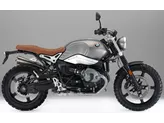
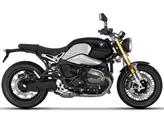
BMW R nineT 2014
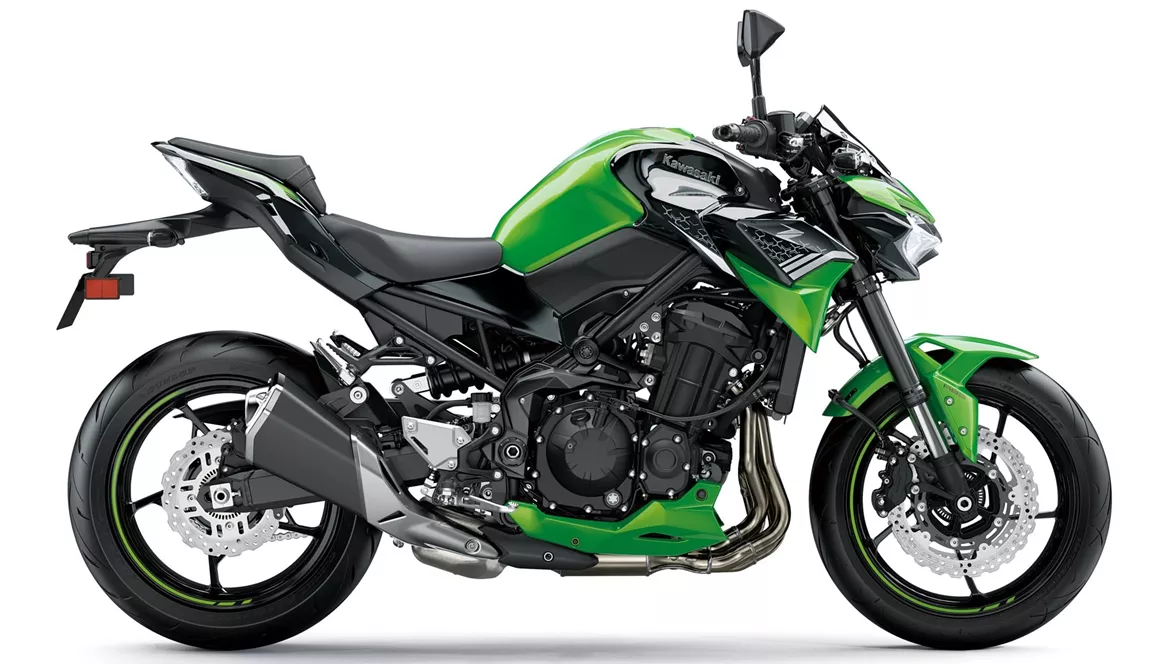
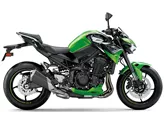
Kawasaki Z900 2020
Overview - BMW R nineT 2014 vs Kawasaki Z900 2020
The BMW R nineT 2014 and the Kawasaki Z900 2020 are both naked bikes that offer a thrilling riding experience. However, they have distinct differences in terms of their technical specifications and strengths.
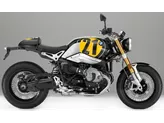
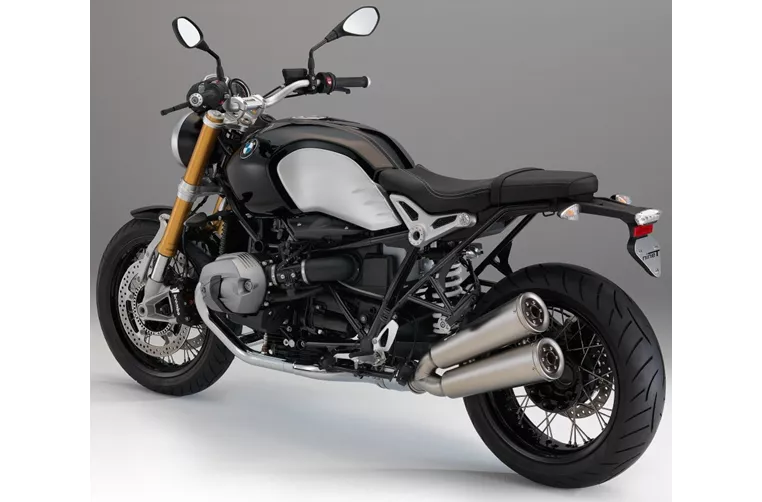
Starting with the BMW R nineT 2014, it is equipped with a Boxer engine that delivers 110 HP of power and 119 Nm of torque. The engine has 2 cylinders and is cooled by oil-air. With a displacement of 1170 ccm, the R nineT provides a smooth and powerful performance on the road. The front suspension features a telescopic fork, while the rear suspension is a Paralever system. The frame type is load-bearing engine, which enhances the bike's stability. The braking system consists of double disk brakes with four pistons and radial technology. The front and rear tires have a width of 120 mm and a diameter of 17 inches. The wheelbase measures 1476 mm, and the seat height is 785 mm. With a kerb weight of 222 kg (with ABS), the R nineT offers a solid and stable ride.
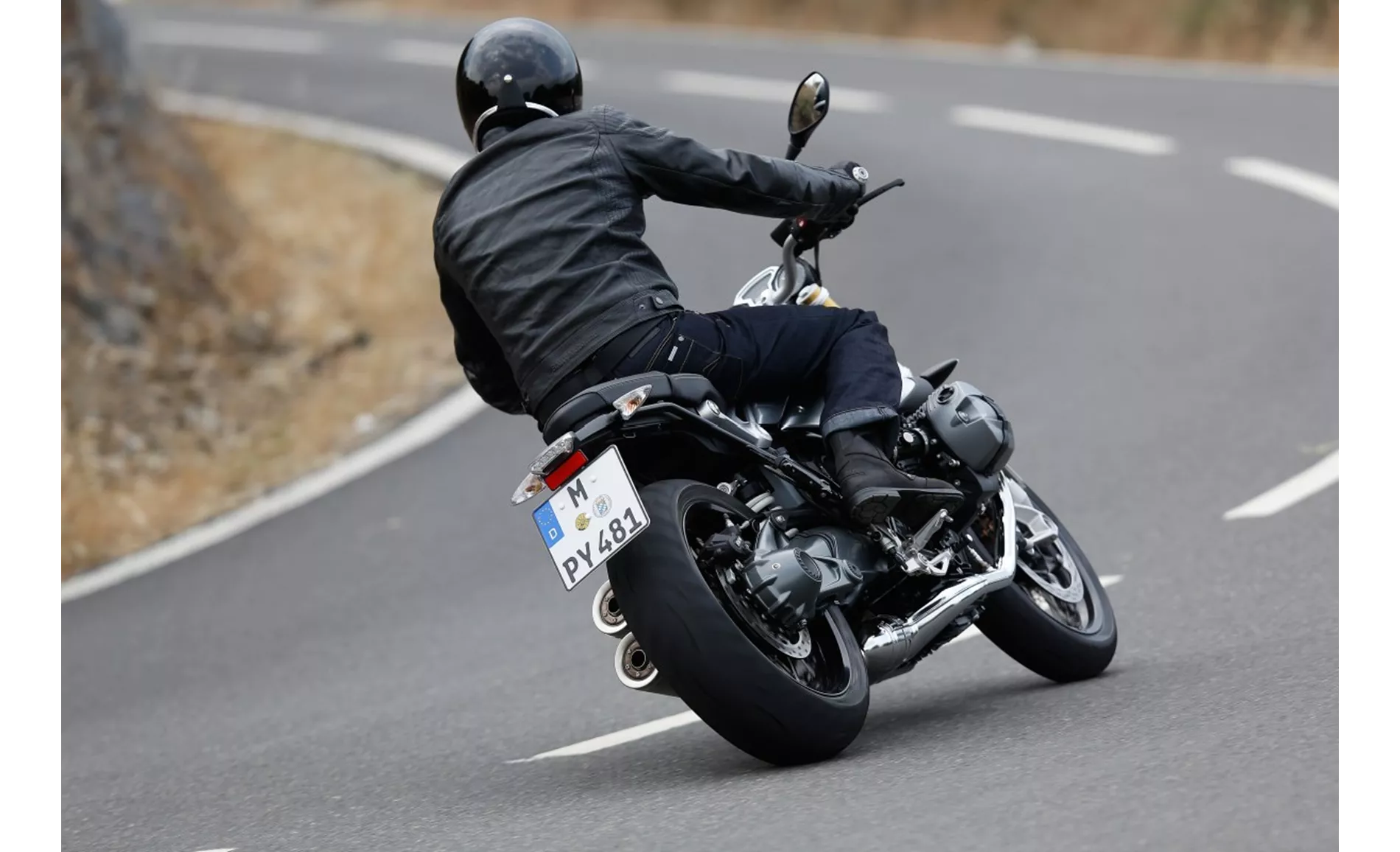
BMW R nineT 2014
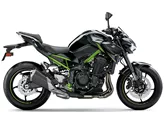
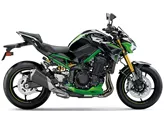
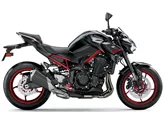
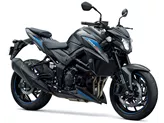
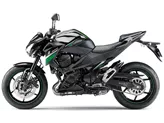
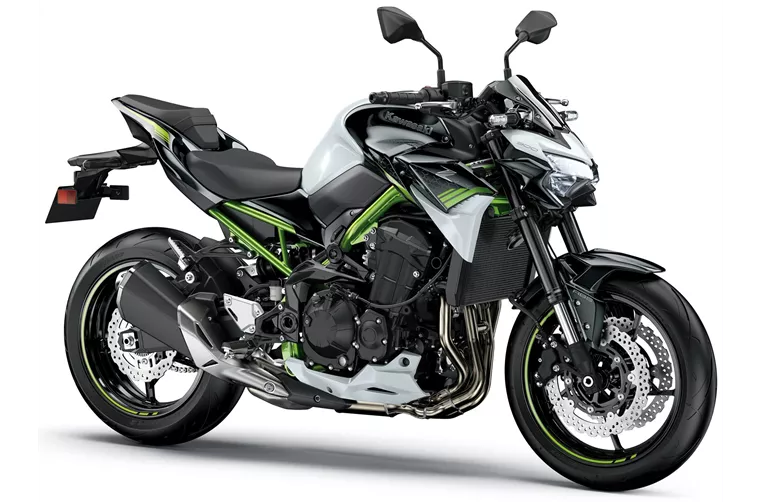
On the other hand, the Kawasaki Z900 2020 is powered by an in-line engine that generates 125.4 HP of power and 98.6 Nm of torque. The engine has 4 cylinders and is cooled by liquid. With a displacement of 948 ccm, the Z900 delivers impressive performance and acceleration. The front suspension features an upside-down telescopic fork, while the rear suspension is a swing arm system. The frame type is a double cradle, which provides excellent stability and handling. The braking system consists of double disk brakes with four pistons and petal technology. The front and rear tires have the same specifications as the R nineT, with a width of 120 mm and a diameter of 17 inches. The wheelbase measures 1450 mm, and the seat height is 795 mm. With a kerb weight of 210 kg (with ABS), the Z900 is relatively lightweight and agile.
In terms of strengths, the BMW R nineT 2014 stands out for its aesthetics, powerful engine, reliable fork, and excellent workmanship. The R nineT's classic design and attention to detail make it a visually appealing bike. The engine delivers strong performance, allowing riders to experience thrilling acceleration. The telescopic fork provides a smooth and controlled ride, enhancing the bike's handling. Additionally, the R nineT is known for its high-quality construction and craftsmanship.
On the other hand, the Kawasaki Z900 2020 has several strengths that make it a popular choice among riders. Its powerful four-cylinder engine offers impressive acceleration and top speed, providing an exhilarating riding experience. The Z900's great handling allows for precise control and maneuverability, making it suitable for both city riding and long-distance journeys. The bike also comes with good equipment, ensuring a comfortable and convenient ride. Its aggressive looks and modern design make it visually appealing, while its value for money is another advantage.
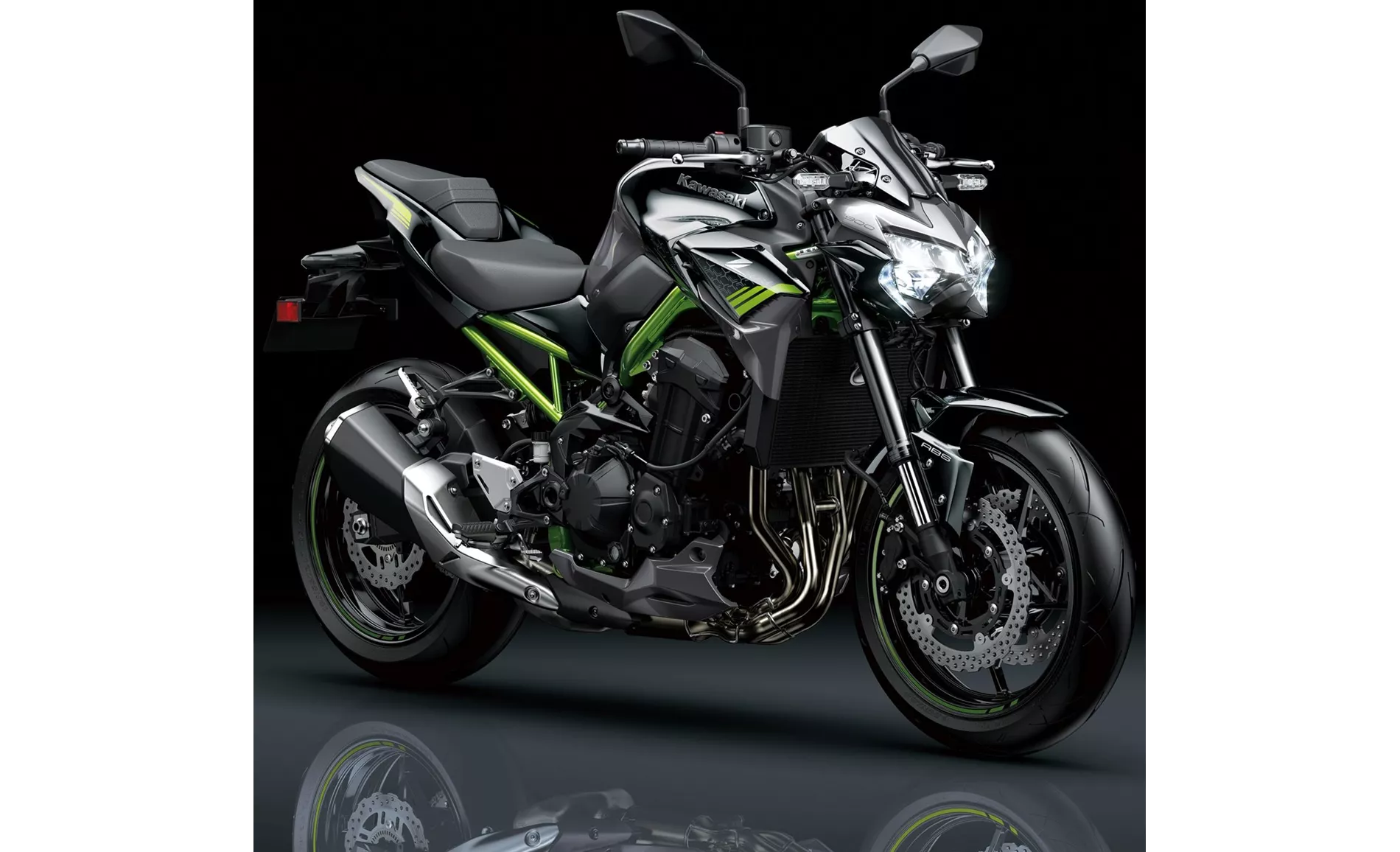
Kawasaki Z900 2020
However, both bikes have their weaknesses. The BMW R nineT 2014 has been criticized for having a touch too little rebound damping in the shock absorber, which may affect the bike's suspension performance. On the other hand, the Kawasaki Z900 2020 has been noted for its somewhat tiring menu navigation and the absence of a quickshifter option, which could be a drawback for riders seeking a more seamless gear shifting experience.
In conclusion, the BMW R nineT 2014 and the Kawasaki Z900 2020 are both powerful and exciting naked bikes, each with its own strengths and weaknesses. The R nineT offers a classic design, a strong engine, and excellent workmanship, while the Z900 boasts a powerful four-cylinder engine, great handling, and good equipment. Ultimately, the choice between these two bikes will depend on personal preferences and priorities.
Technical Specifications BMW R nineT 2014 compared to Kawasaki Z900 2020
Pros and Cons in comparison
Pros and Cons in comparison
BMW R nineT 2014
.jpg?format=webp&quality=80&trim.threshold=80&trim.percentpadding=1&scale=both&width=1388&height=980&bgcolor=rgba_39_42_44_0&mode=pad "BMW R nineT 2014")
What more can be said about the BMW R nineT? Since its release in 2014, it has been a real perennial favourite in the customising scene and also at BMW itself. Its ingredients, however, are of very high quality and explain why the result is so coherent. The boxer engine, full of character, is a real joy every time you pull the throttle and, thanks to the wonderful sound, it never gets boring in the long run. Despite the relatively high weight, the BMW is pleasant to ride thanks to the high-quality chassis and finds a balanced mixture between cruiser and sporty naked bike. The look is of course a matter of taste, but the sales figures suggest that BMW must have done something right. And even if you don't like the standard look, accessories are a dime a dozen.
Kawasaki Z900 2020
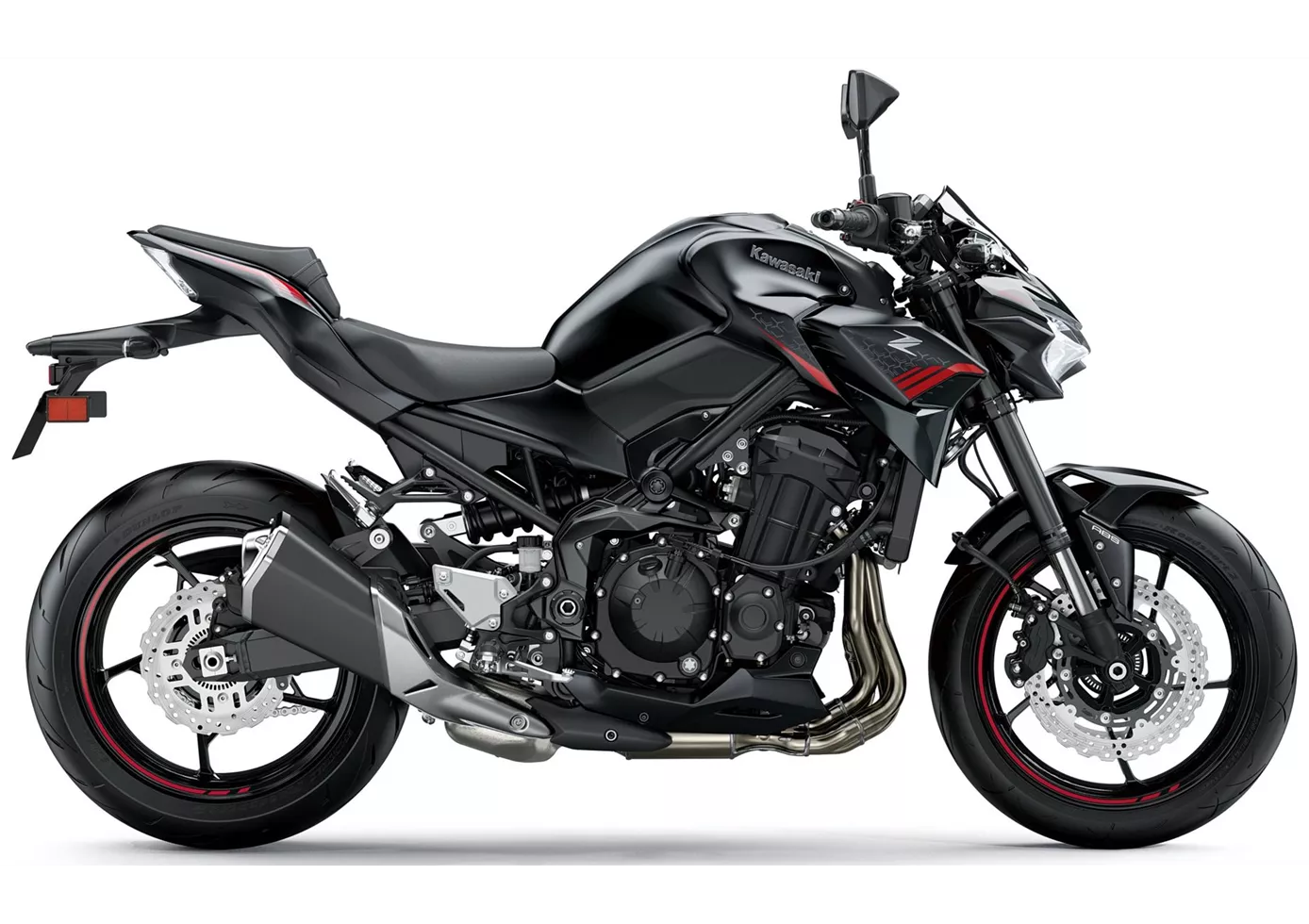
The Kawasaki Z900 may not be up to scratch when it comes to modern, lean angle-dependent electronic features, but it's relatively cheap and you shouldn't underestimate the fan base of the good old inline four - the Z900 is one of the cheapest ways to own such a great engine with just under a litre of displacement in a sporty naked bike! The higher weight is noticeable, but not massively annoying, because the handling and stability are quite alright. In terms of "outdated" electronics, the most annoying thing is the missing shift assistant, which is not even available as an option. Overall, however, the Z900 is a great naked bike with a great price-performance ratio.
Price Comparison Average Market Price BMW R nineT vs Kawasaki Z900
There are a few key differences between a BMW R nineT 2014 and a Kawasaki Z900 2020. In terms of price, the actual average price of a BMW R nineT 2014 is about 27% higher. Compared to Kawasaki Z900 2020 there are less BMW R nineT 2014 bikes available on the 1000PS.de Marketplace, specifically 7 compared to 34. It takes less time to sell a BMW R nineT with 81 days compared to 124 days for a Kawasaki Z900. Since model year 2014 1000PS.de editors have written 57 reviews for the BMW R nineT and 46 reviews for the Kawasaki Z900 since model year 2017. The first review for the BMW R nineT was published on 17/10/2013 and now has more than 17,000 views. This compares to more than 93,200 views for the first review on Kawasaki Z900 published on 11/11/2016.