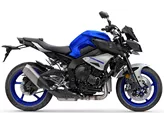
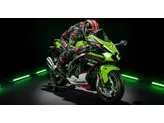
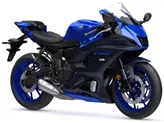
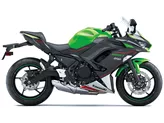
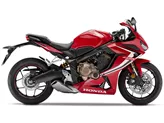
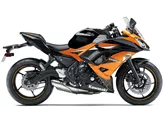
Yamaha R1 2009 vs. Kawasaki Ninja 650 2021
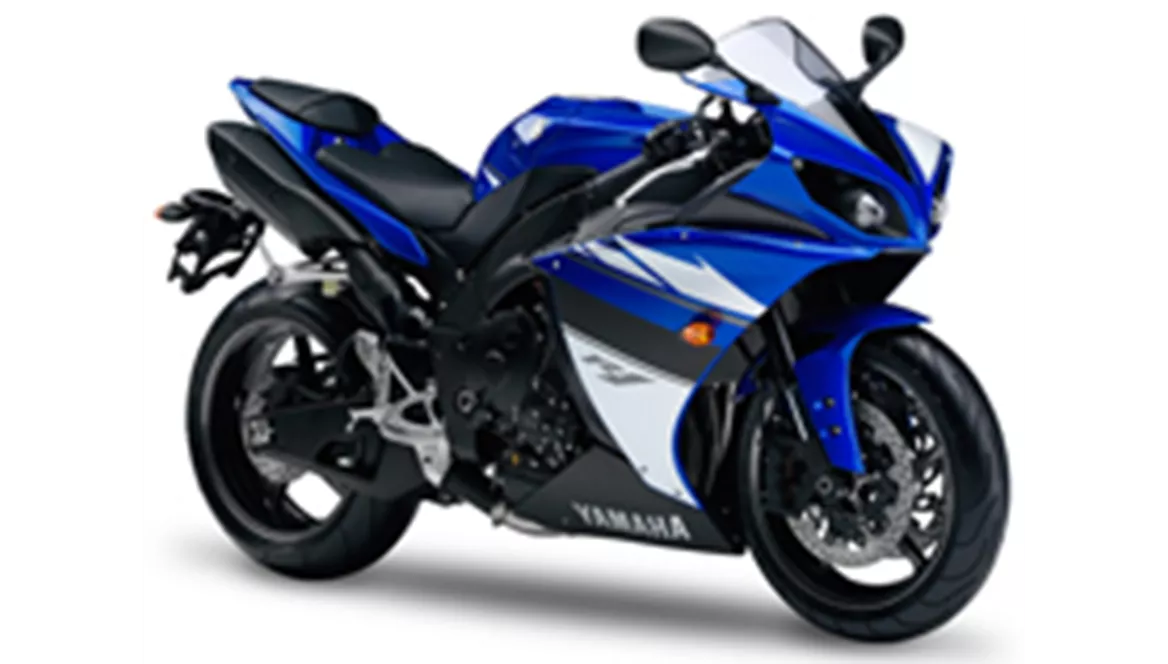
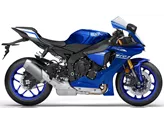
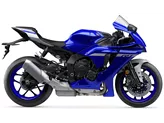
Yamaha R1 2009
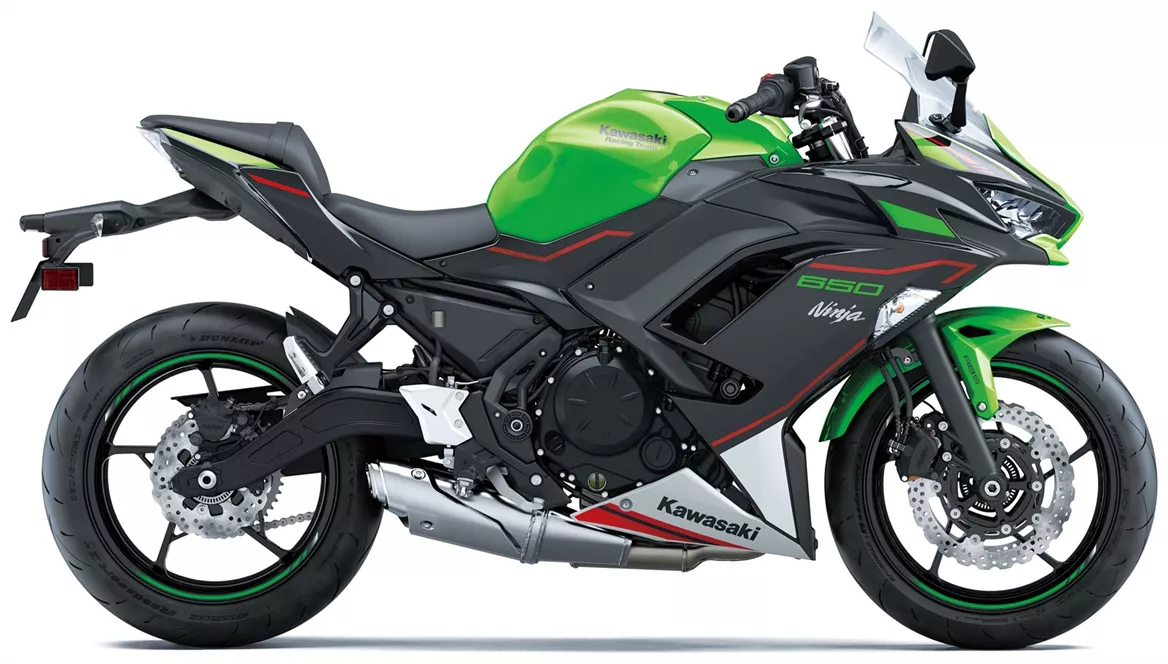
Yamaha R1 2009

Kawasaki Ninja 650 2021

Kawasaki Ninja 650 2021

Loading...

Technical Specifications Yamaha R1 2009 compared to Kawasaki Ninja 650 2021
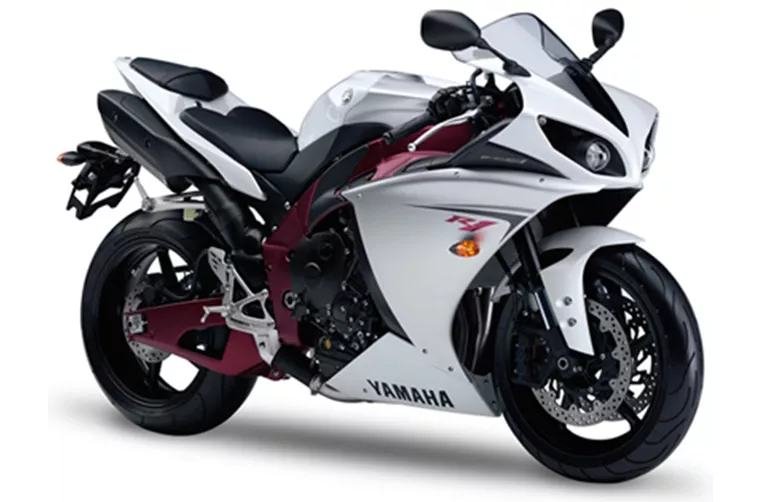
Yamaha R1 2009
Kawasaki Ninja 650 2021

Engine and Drive Train

Engine typeEngine typeIn lineEngine typeIn line
BoreBore78 mmBore83 mm
StrokeStroke52.2 mmStroke60 mm
Engine powerEngine power182 HPEngine power68.2 HP
Rpm at Max. PowerRpm at Max. Power12,500 rpmRpm at Max. Power8,000 rpm
TorqueTorque115.5 NmTorque65.7 Nm
Rpm at TorqueRpm at Torque10,000 rpmRpm at Torque7,000 rpm
Compression RatioCompression Ratio12.7 Compression Ratio10.8
Clutch TypeClutch TypeMultiplate in oil-bathClutch TypeMultiplate in oil-bath
TransmissionTransmissionChainTransmissionChain
Number of gearsNumber of gears6Number of gears6
CylindersCylinders4Cylinders2
StrokesStrokes4-StrokeStrokes4-Stroke
ValvesValvesDOHCValvesDOHC
CoolingCoolingliquidCoolingliquid
DisplacementDisplacement998 ccmDisplacement649 ccm

Suspension Front

Front suspensionFront suspensionTelescopic forkFront suspensionTelescopic fork

Suspension Rear

SuspensionSuspensionSwing armSuspensionSwing arm

Chassis

FrameFrameAluminiumFrameSteel
Frame typeFrame typeDeltaboxFrame typeTubular

Brakes Front

TypeTypeDouble diskTypeDouble disk

Brakes Rear

TypeTypeDiscTypeDisc

Dimensions and Weights

Front tyre diameterFront tyre diameter17 inchFront tyre diameter17 inch
Rear tyre diameterRear tyre diameter17 inchRear tyre diameter17 inch
LengthLength2,070 mmLength2,055 mm
WidthWidth715 mmWidth740 mm
HeightHeight1,130 mmHeight1,135 mm
WheelbaseWheelbase1,415 mmWheelbase1,410 mm
Seat HeightSeat Height835 mmSeat Height790 mm
Fuel Tank CapacityFuel Tank Capacity18 lFuel Tank Capacity15 l
License compliancyLicense compliancyALicense compliancyA

Pros and Cons in comparison

Pros and Cons in comparison

Yamaha R1 2009
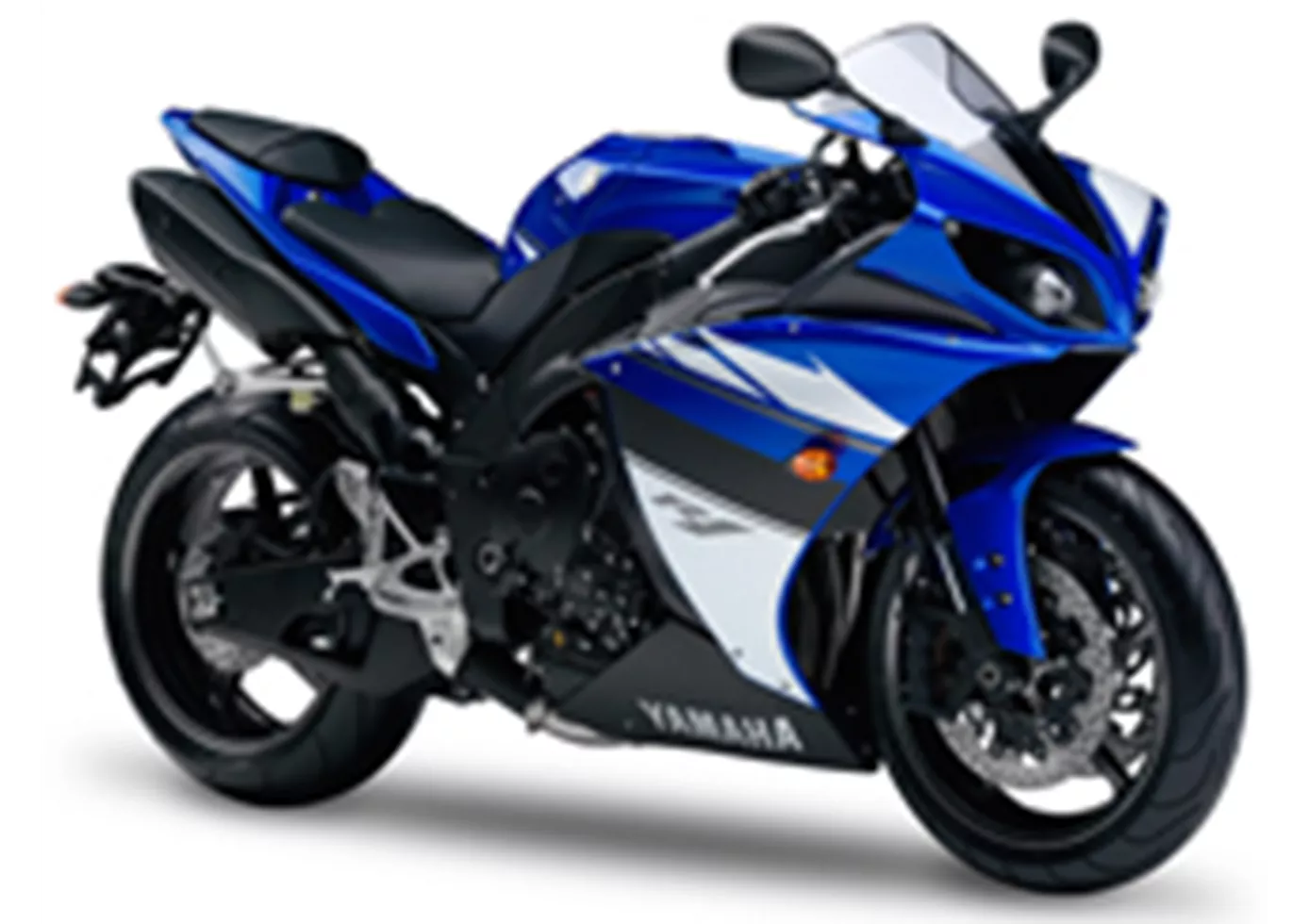
Yamaha R1 2009

Of course, the new R1 engine also passed all the tough Yamaha stress tests and comes with the same guarantees as other Yamaha motorbikes. Because until now, it was precisely the issues of durability and reliability that prevented series production of such an engine.

Sophisticated sound

good feeling for power delivery

easy handling

hydraulic spring preload

high level of workmanship.

Suboptimal seating position

somewhat difficult cornering over long distances.

Kawasaki Ninja 650 2021

Kawasaki Ninja 650 2021

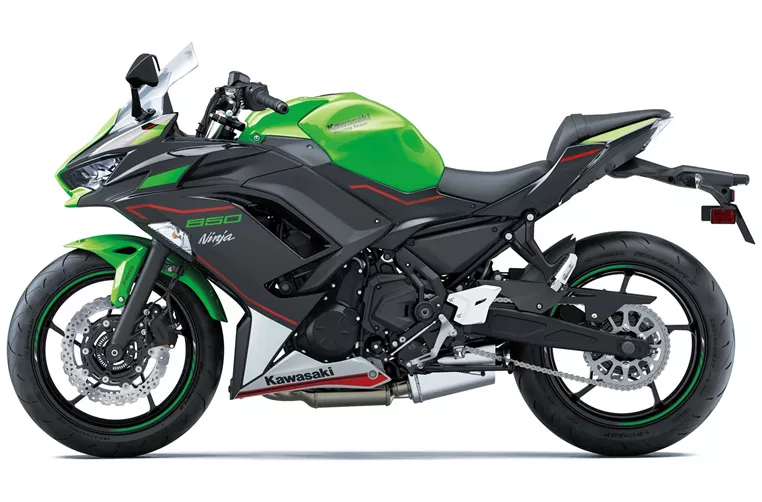
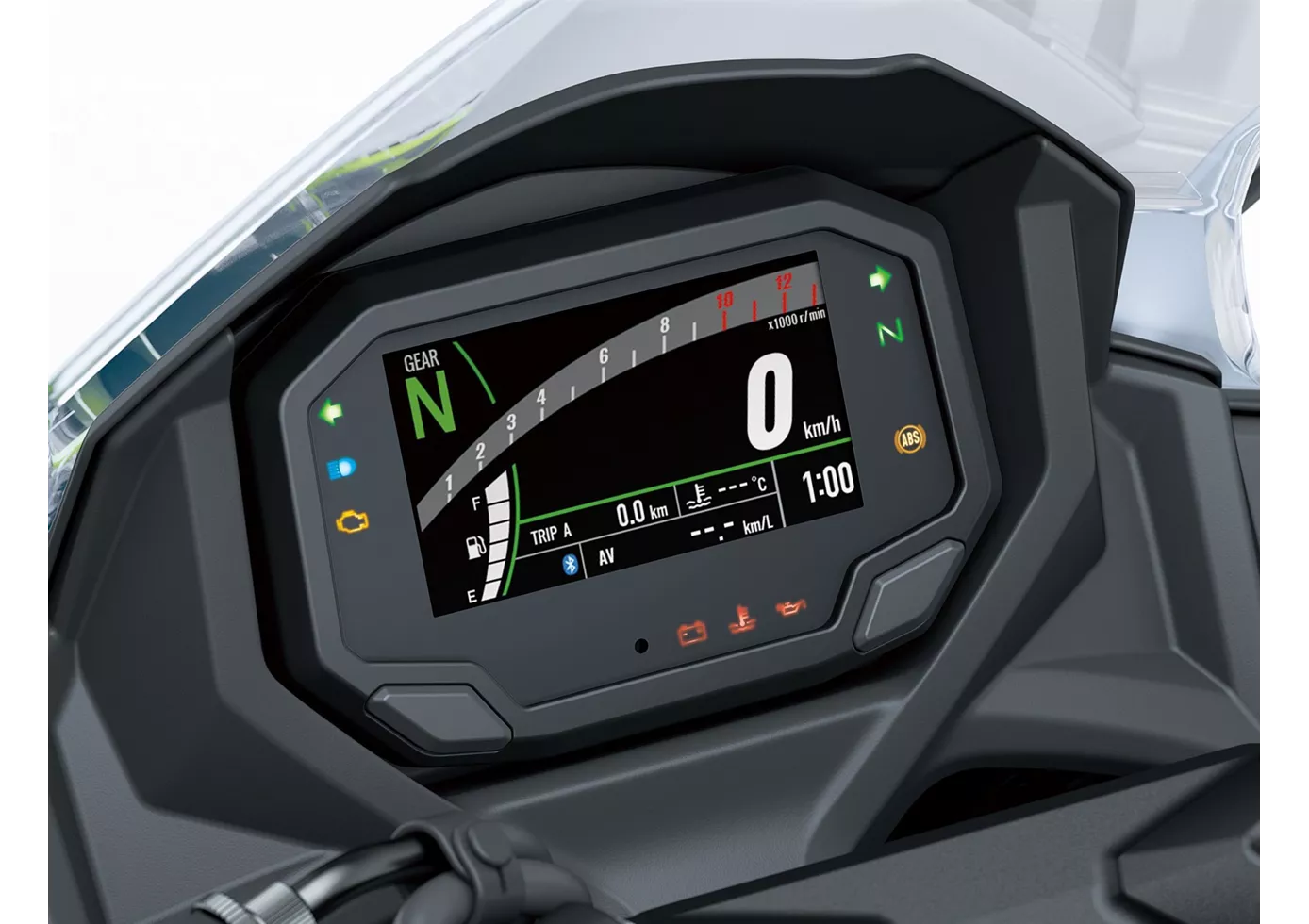
Save the sport tourer! With the Ninja 650, Kawasaki has created an exemplary representative of this class and (hopefully) solved the problem of the new generation. The stable chassis and the decent two-cylinder will delight beginners and advanced riders alike, even at a brisker pace. The front brake is a little too well intentioned, lacking a transparent pressure point despite basically good braking performance. Another plus is the TFT display, which we don't find in the competition at the moment, as well as the grown-up look, which is strongly oriented towards the larger Ninja models.
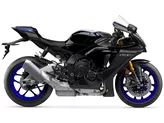
one of the last of its kind

powerful two-cylinder

comfortable seat suitable for touring

compact dimensions

beginner-friendly seat height

stable chassis

TFT display with connectivity

sporty look

Overall too dainty for tall riders

Front brake pressure point

Limited suitability for touring with two people

Price Comparison Avarage Market Price Yamaha R1 vs Kawasaki Ninja 650

Price Yamaha R1

Model year
Current average market prices

Price Kawasaki Ninja 650

Model year
Current average market prices

Alternative Comparisons