BMW R 1200 GS 2016 vs. Ducati Multistrada 1200 2017
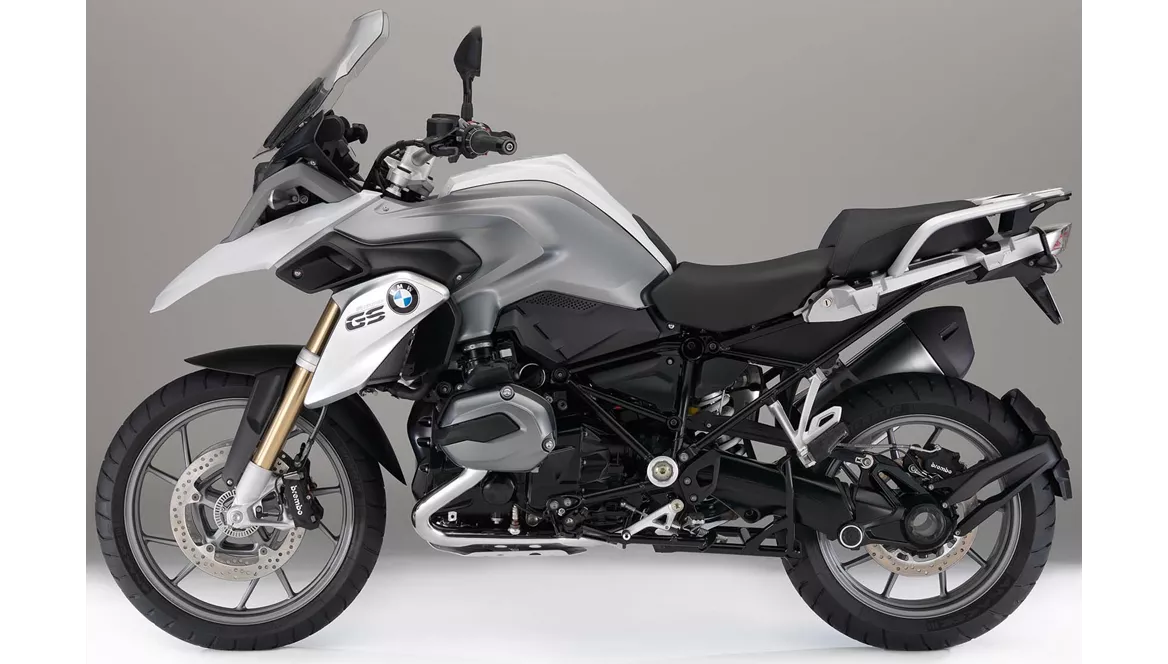
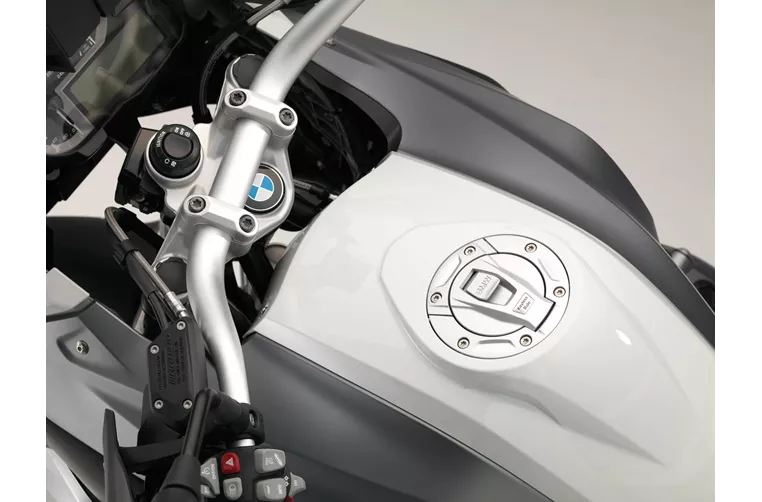
BMW R 1200 GS 2016
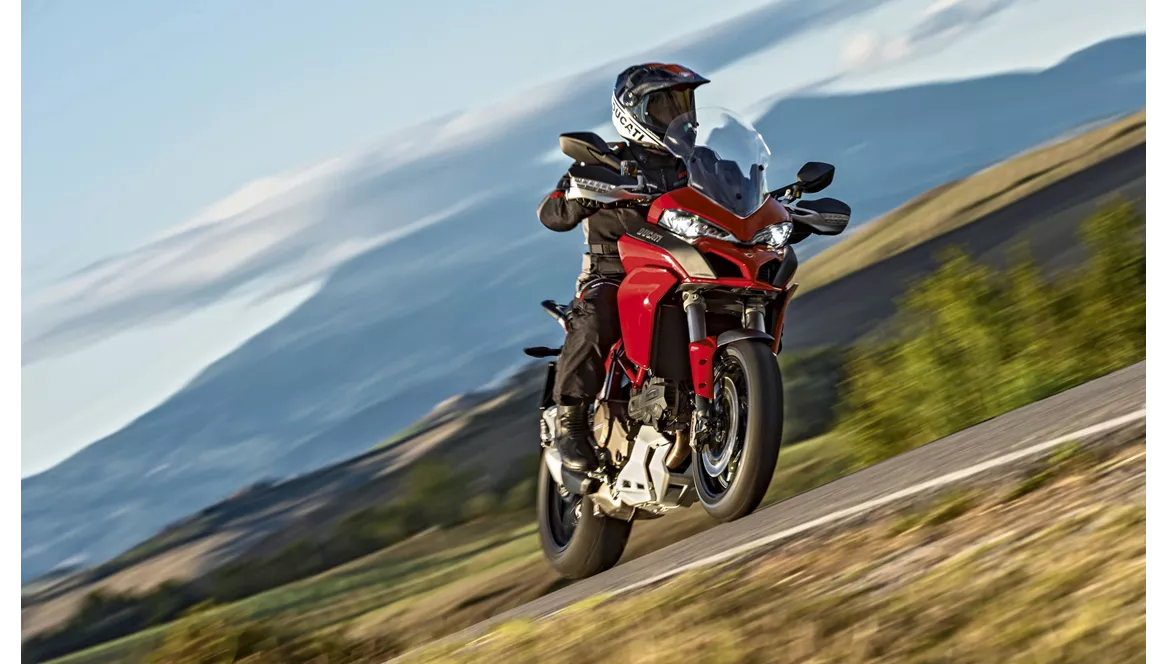
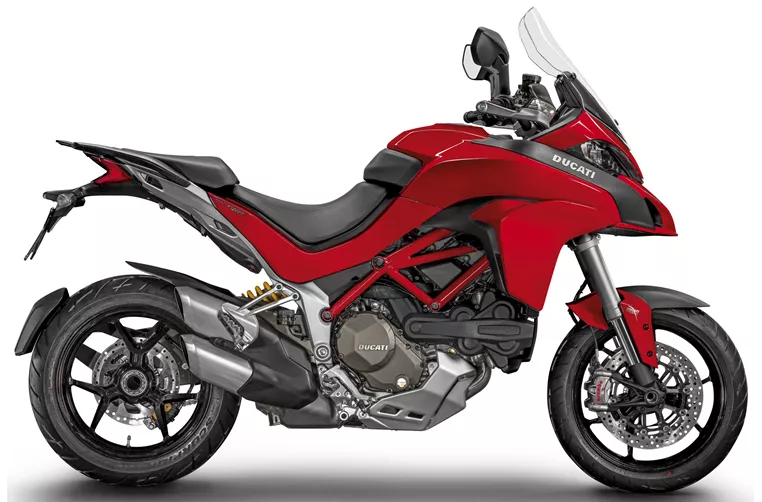
Ducati Multistrada 1200 2017
Technical Specifications BMW R 1200 GS 2016 compared to Ducati Multistrada 1200 2017
Pros and Cons in comparison
Pros and Cons in comparison
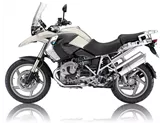
BMW R 1200 GS 2016
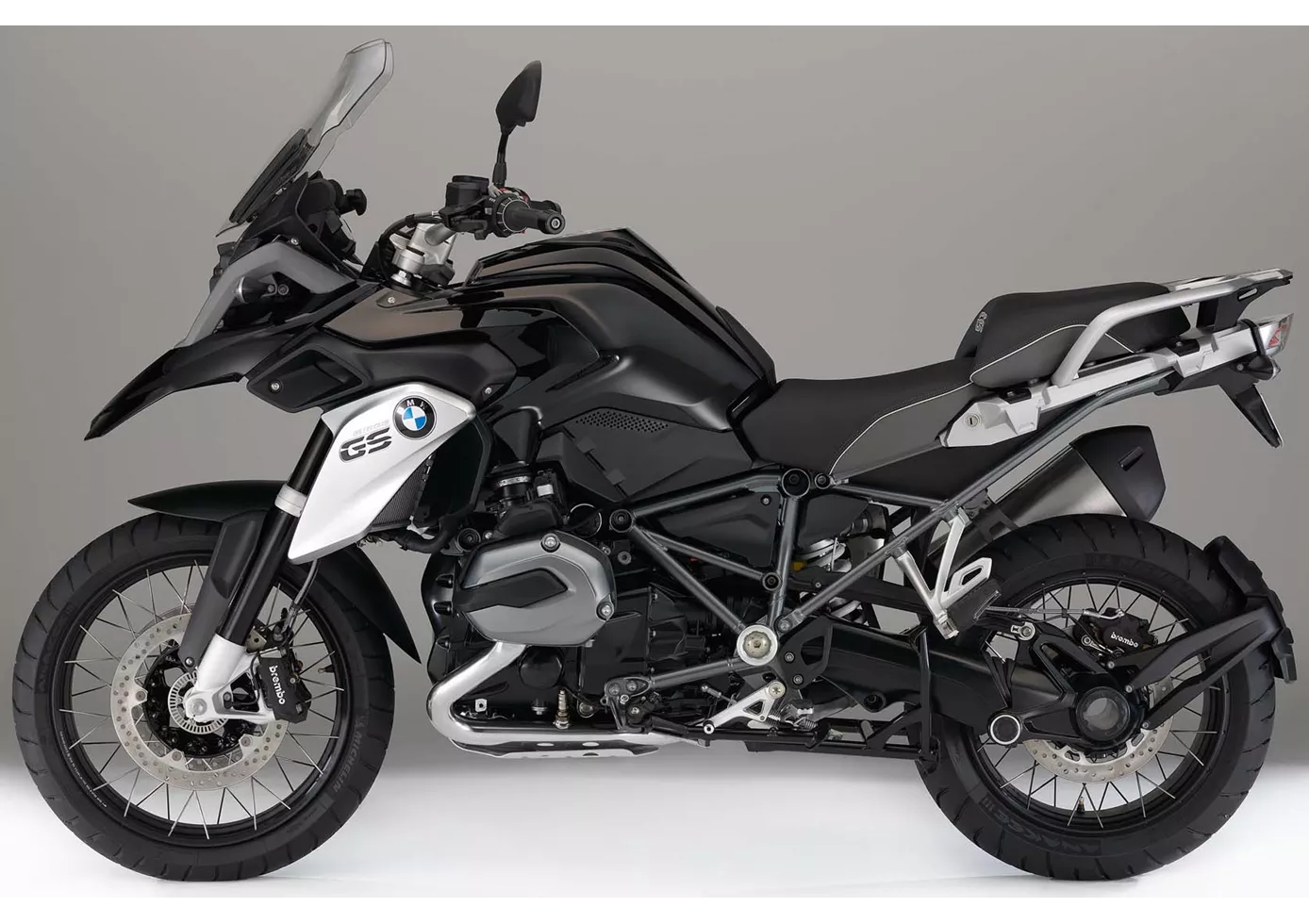
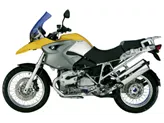
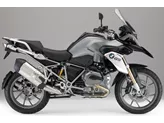
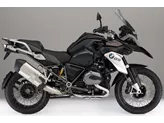
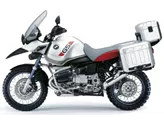
A GS is at home almost anywhere - but only to a limited extent on the racetrack. It's a pleasure to feel the power of the partially water-cooled boxer twin cylinder on the exit of the bend - 125 hp only seems much weaker on paper than 150 or even 160 hp on the competition. With 125 Newton metres of torque, the acceleration from the bottom is superb anyway and the GS, at 238 kilos ready to ride, does not carry too much flab despite its bulky appearance. In very tight corners, the low centre of gravity also has a positive effect - the BMW R 1200 GS is very hard to crack! Even the front telelever suspension, which suppresses the front wheel's tendency to sink in under braking, fits perfectly into the GS's overall package and only slightly detracts from its sporty character.
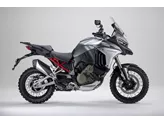
Ducati Multistrada 1200 2017
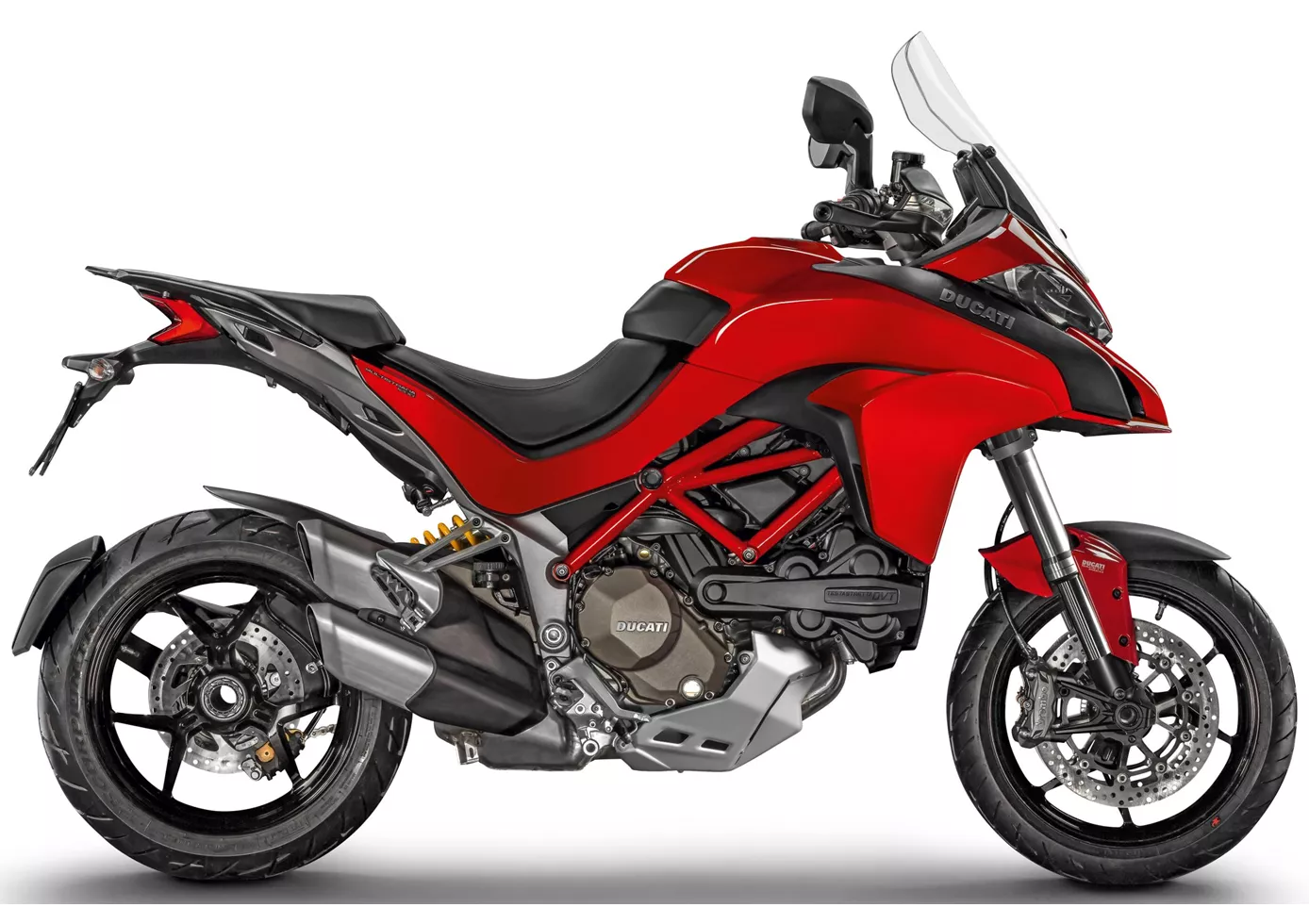
The diva from Bologna is no longer a diva at all - the Ducati Mulitstrada 1200 behaves exactly as you would expect from a touring enduro. The predecessor was already agile, but the current Multi now also impresses with smooth manners in all speed ranges. This could seem almost boring to true fans of the old Mulitstrada, but makes it more usable overall. In tight corners, it needs a little more pressure than the competition, but it also draws a nice line and in hairpin bends, thanks to the DVT system, the now predictable attack from far below is very beneficial. When the bends get wider, the Multistrada 1200 draws on the full power of its 160 hp in the upper rev range, which only a few competitors can keep up with. The seating position has also been eased compared to its predecessor, and the rider now sits much more comfortably in front of the wide handlebars.