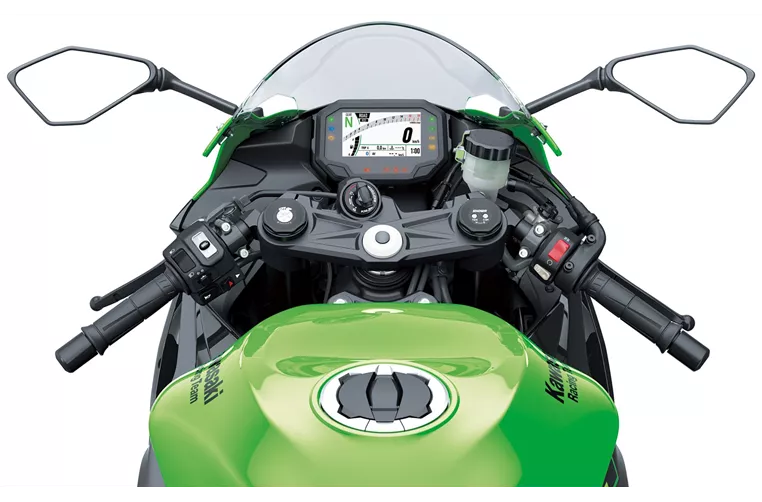
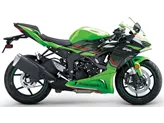
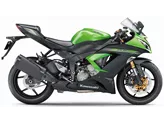
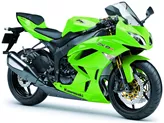
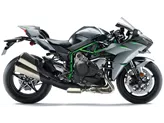
Kawasaki Ninja H2 Carbon 2018 vs. Kawasaki Ninja ZX-6R 2024
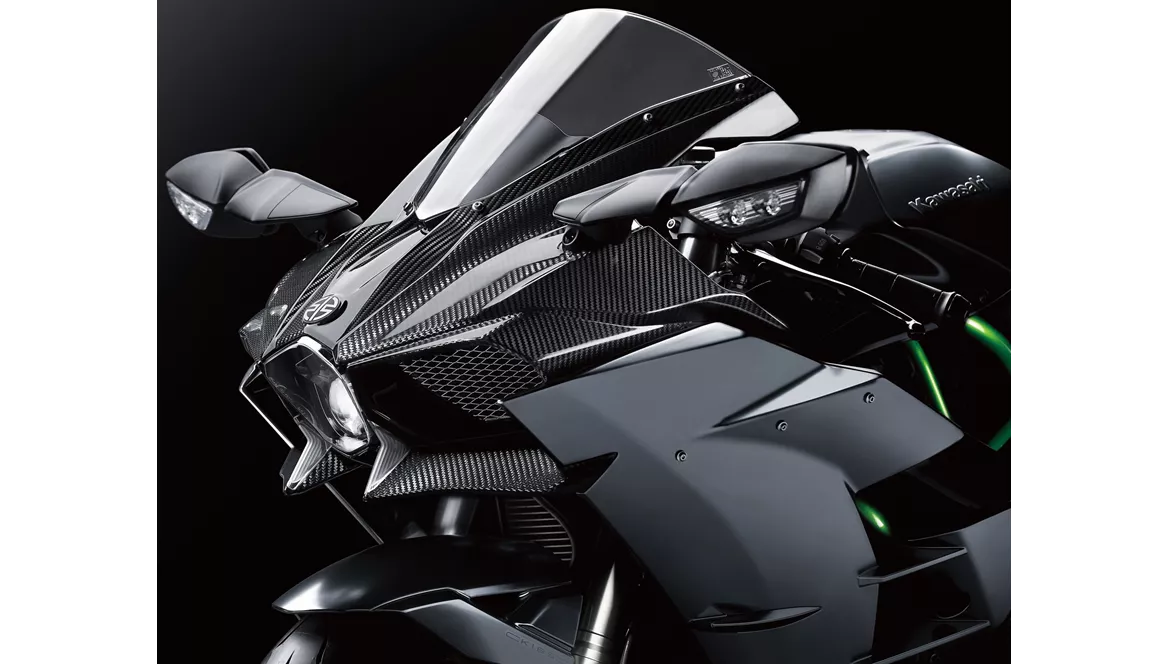
Kawasaki Ninja H2 Carbon 2018
Kawasaki Ninja H2 Carbon 2018

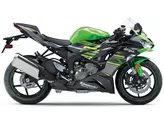
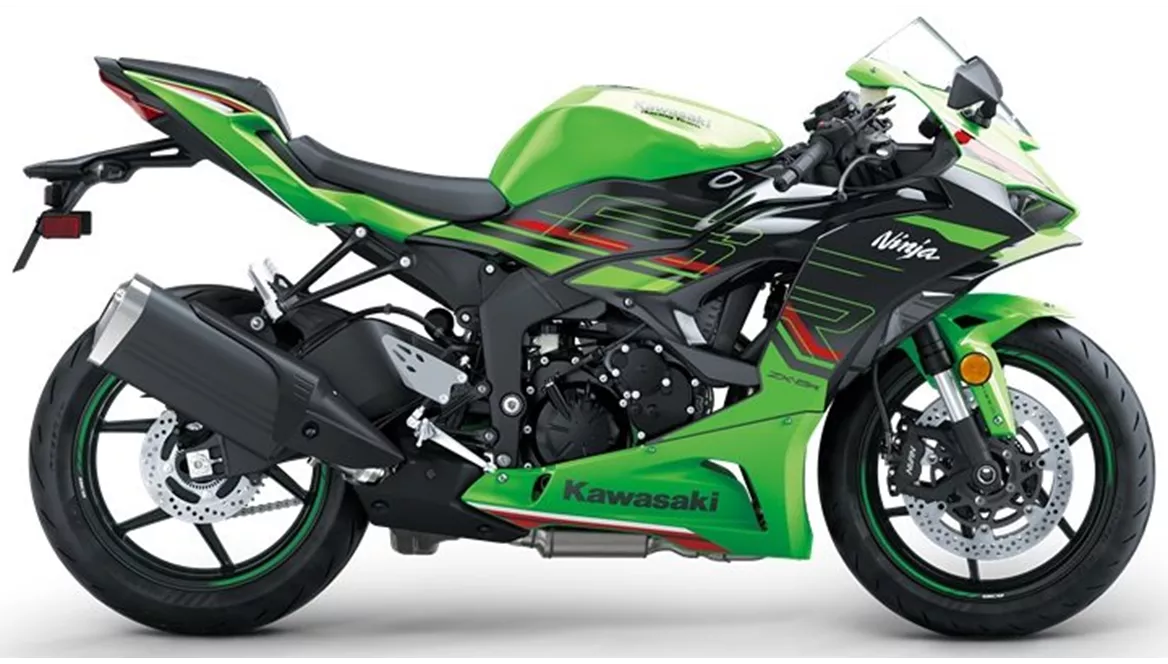
Kawasaki Ninja ZX-6R 2024

Kawasaki Ninja ZX-6R 2024

Loading...

Technical Specifications Kawasaki Ninja H2 Carbon 2018 compared to Kawasaki Ninja ZX-6R 2024
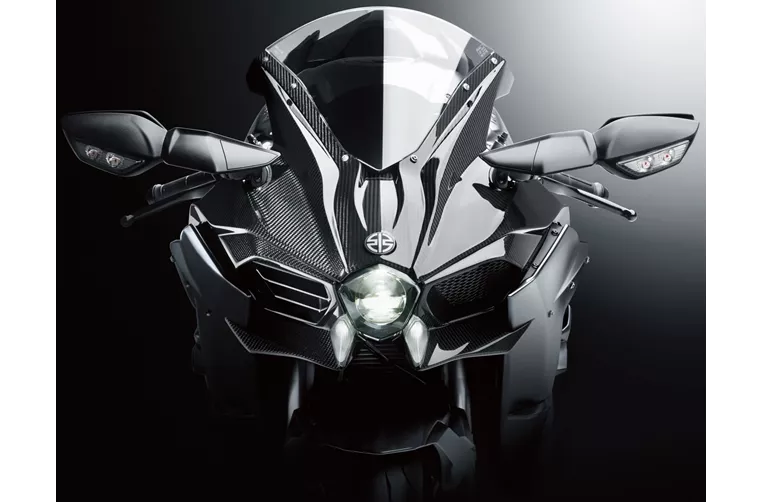
Kawasaki Ninja H2 Carbon 2018
Kawasaki Ninja ZX-6R 2024

Engine and Drive Train

Engine typeEngine typeIn lineEngine typeIn line
BoreBore76 mmBore67 mm
StrokeStroke55 mmStroke45.1 mm
Engine powerEngine power200 HPEngine power124 HP
Rpm at Max. PowerRpm at Max. Power11,000 rpmRpm at Max. Power13,000 rpm
TorqueTorque133.5 NmTorque69 Nm
Rpm at TorqueRpm at Torque10,500 rpmRpm at Torque10,800 rpm
Compression RatioCompression Ratio8.5 Compression Ratio12.9
Throttle BoreThrottle Bore50 mmThrottle Bore38 mm
StarterStarterElectricStarterElectric
Clutch TypeClutch TypeMultiplate in oil-bathClutch TypeMultiplate in oil-bath
IgnitionIgnitionDigitalIgnitionDigital
TransmissionTransmissionChainTransmissionChain
Number of gearsNumber of gears6Number of gears6
CylindersCylinders4Cylinders4
Valves per cylinderValves per cylinder4Valves per cylinder4
ValvesValvesDOHCValvesDOHC
CoolingCoolingliquidCoolingliquid
DisplacementDisplacement998 ccmDisplacement636 ccm

Suspension Front

Front suspensionFront suspensionUpside-Down telescopic forkFront suspensionUpside-Down telescopic fork
DiameterDiameter43 mmDiameter41 mm
TravelTravel120 mmTravel120 mm
AdjustmentAdjustmentCompression, Preload, ReboundAdjustmentCompression, Preload, Rebound

Suspension Rear

SuspensionSuspensionSingle swing armSuspensionSwing arm
Shock absorberShock absorberMonoshockShock absorberMonoshock
TravelTravel135 mmTravel151 mm
AdjustmentAdjustmentCompression, Preload, ReboundAdjustmentCompression, Preload, Rebound

Chassis

FrameFrameSteelFrameAluminium
Frame typeFrame typeTubularFrame typeTwin Tube, Perimeter, Extruded
RakeRake65.5 degreeRake66.5 degree
TrailTrail103 mmTrail101 mm

Brakes Front

TypeTypeDouble diskTypeDouble disk
DiameterDiameter330 mmDiameter310 mm
PistonPistonFour pistonsPistonFour pistons
TechnologyTechnologyradialTechnologyradial

Brakes Rear

TypeTypeDiscTypeDisc
DiameterDiameter250 mmDiameter220 mm
PistonPistonDouble pistonPistonSingle piston

Assistance Systems

Advanced Rider Assistance SystemsAdvanced Rider Assistance SystemsABS, Riding modes, Ride by Wire, Traction controlAdvanced Rider Assistance SystemsABS, Riding modes, Quickshifter, Traction control

Dimensions and Weights

Front tyre widthFront tyre width120 mmFront tyre width120 mm
Front tyre heightFront tyre height70 %Front tyre height70 %
Front tyre diameterFront tyre diameter17 inchFront tyre diameter17 inch
Rear tyre widthRear tyre width200 mmRear tyre width180 mm
Rear tyre heightRear tyre height55 %Rear tyre height55 %
Rear tyre diameterRear tyre diameter17 inchRear tyre diameter17 inch
LengthLength2,085 mmLength2,025 mm
WidthWidth770 mmWidth710 mm
HeightHeight1,125 mmHeight1,105 mm
WheelbaseWheelbase1,455 mmWheelbase1,400 mm
Seat HeightSeat Height825 mmSeat Height830 mm
Kerb Weight (with ABS)Kerb Weight (with ABS)238 kgKerb Weight (with ABS)198 kg
Fuel Tank CapacityFuel Tank Capacity17 lFuel Tank Capacity17 l
License compliancyLicense compliancyALicense compliancyA

Pros and Cons in comparison

Pros and Cons in comparison

Kawasaki Ninja H2 Carbon 2018
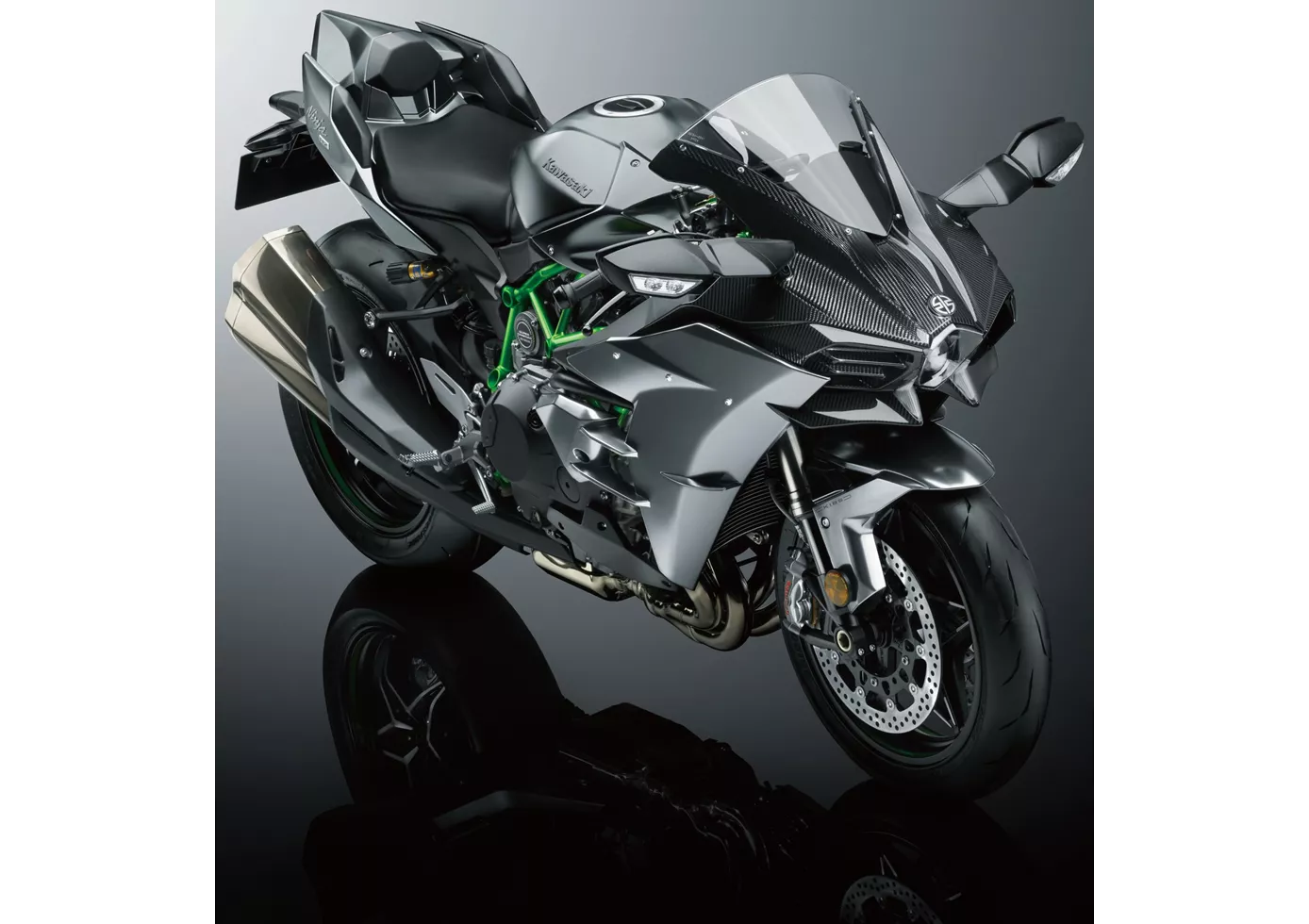
Kawasaki Ninja H2 Carbon 2018

Unfortunately, our editors did not test this model.

Kawasaki Ninja ZX-6R 2024
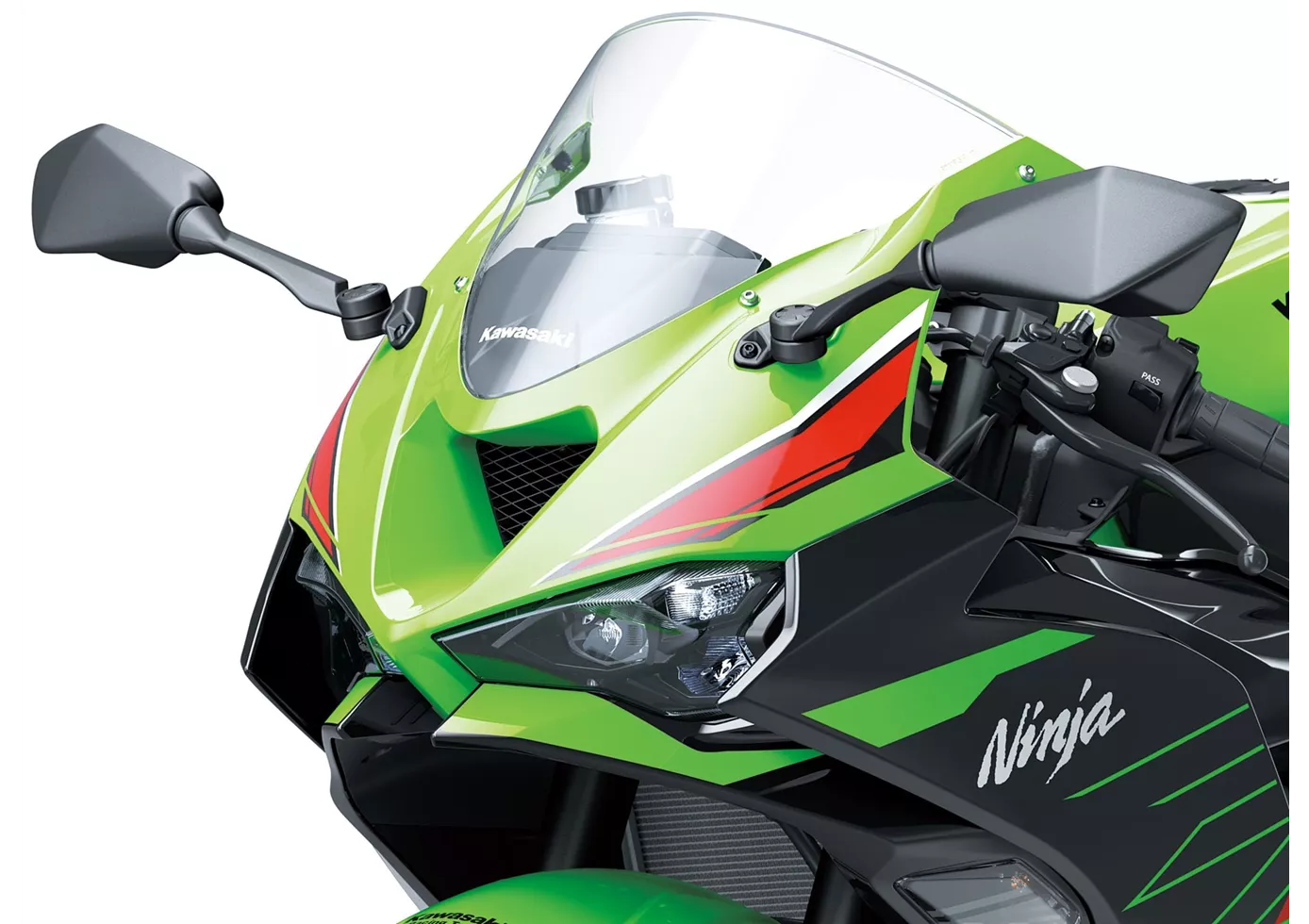
Kawasaki Ninja ZX-6R 2024

The 2026 Kawasaki Ninja ZX-6R is a bike that almost goes against the spirit of the times, which is precisely why it is so appealing. While many manufacturers have long since abandoned the classic supersport class, Kawasaki is sticking to the idea of a lightweight, high-revving, precise and uncompromising sports motorbike. The 636cc engine runs wonderfully smoothly, offers real supersport emotion at high rpms and has more usability than classic 600s thanks to slightly more displacement. The suspension is precise, confidence-inspiring and works well both on the road and on the race track. The brakes are firm and powerful. The electronics are not the most modern, but are sufficient and well setup in practice.
silky smooth and revvy 636 cc in-line four-cylinder engine strong running culture and very good modulation

precise, confidence-inspiring suspension

powerful and stable brake system

very good transmission with cleanly functioning quickshifter

more modern appearance with TFT, LED lights and smartphone connectivity

more suitable for everyday use than classic 600cc supersports bikes

Tight ergonomics, especially for taller riders Quickshifter only for upshifting

No Ride-by-Wire and no blipper

Rear wheel ABS cannot be deactivated separately

Wind protection rather tight as standard

Electronics not at the latest supersport level

Price Comparison Average Market Price Kawasaki Ninja H2 Carbon vs Kawasaki Ninja ZX-6R

Price Kawasaki Ninja H2 Carbon

Unfortunately, the data available to us is not sufficient to provide meaningful price information for this model.

Price Kawasaki Ninja ZX-6R

Model year
Current average market prices

Alternative Comparisons