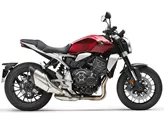
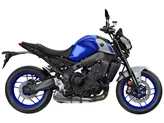
Kawasaki Z900 2021 vs. Honda CB 1000 R 2018
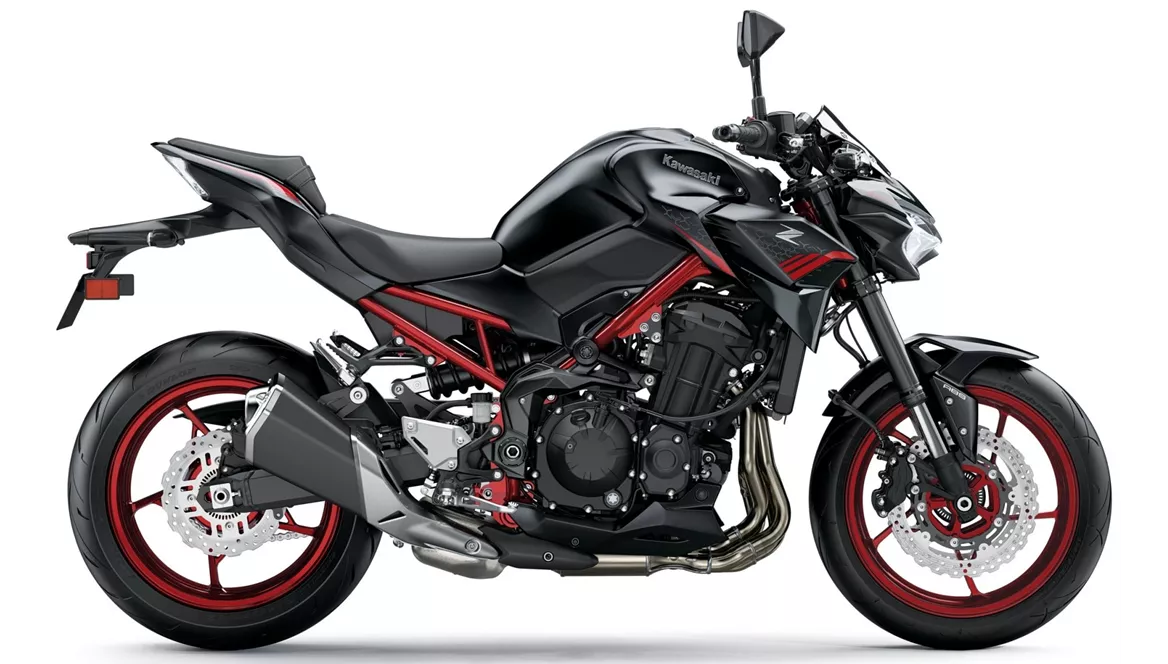
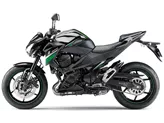
Kawasaki Z900 2021
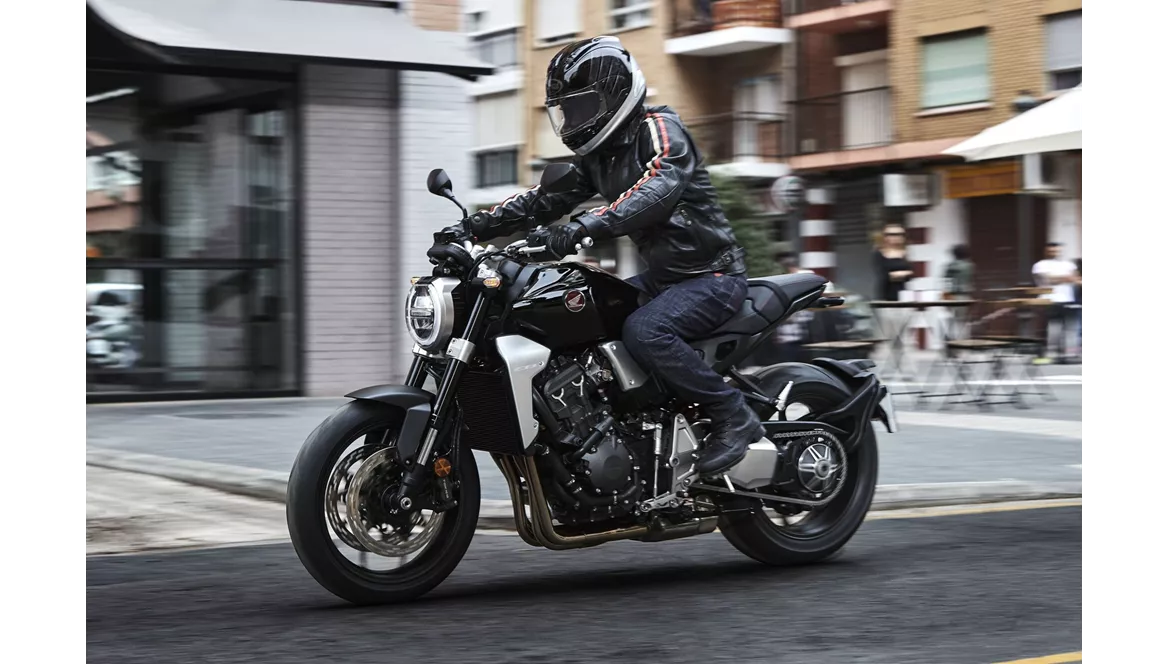
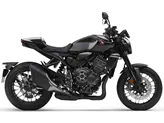
Honda CB 1000 R 2018
Overview - Kawasaki Z900 2021 vs Honda CB 1000 R 2018
The Kawasaki Z900 2021 and Honda CB 1000 R 2018 are both naked bikes with similar engine types, fuel systems, and cooling systems. However, there are several differences between the two models.
In terms of engine power, the Honda CB 1000 R 2018 has a slight advantage with 145 HP compared to the Kawasaki Z900 2021's 125.4 HP. The Honda also has a higher torque of 104 Nm compared to the Kawasaki's 98.6 Nm. This means that the Honda may offer better acceleration and overall performance.
Both bikes have four cylinders and liquid cooling systems, ensuring efficient heat dissipation. The Kawasaki Z900 2021 has a slightly smaller displacement of 948 ccm compared to the Honda CB 1000 R 2018's 998 ccm.
In terms of suspension, both bikes feature upside-down telescopic forks at the front and monoshock absorbers at the rear. However, the Honda CB 1000 R 2018 offers more adjustment options for the front suspension, including compression, preload, and rebound adjustments.
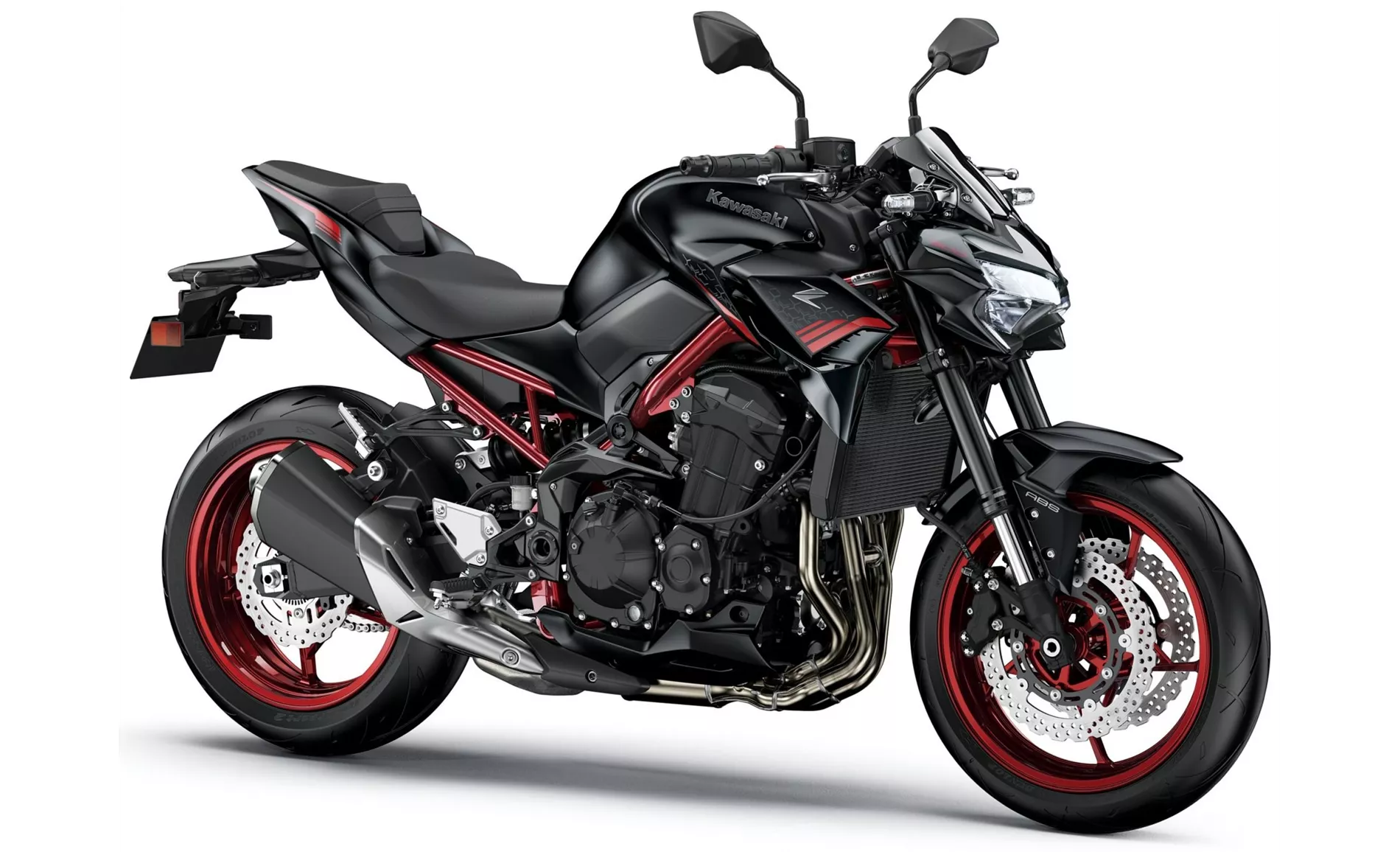
Kawasaki Z900 2021
Both bikes have steel frames, but the Honda CB 1000 R 2018 has a backbone frame type, which may provide better stability and handling.
In terms of braking, both bikes have double disk brakes at the front with four pistons. However, the Honda CB 1000 R 2018 has larger front disk diameters of 310 mm compared to the Kawasaki Z900 2021's 300 mm. The Honda also features radial brake technology, which may offer better braking performance.
Both bikes come equipped with advanced rider assistance systems such as ABS, riding modes, ride by wire, and traction control, ensuring a safe and controlled riding experience.
In terms of dimensions and weights, both bikes have similar front and rear tire widths and diameters. The Honda CB 1000 R 2018 has a slightly longer wheelbase of 1455 mm compared to the Kawasaki Z900 2021's 1450 mm. The seat height of the Honda is also higher at 830 mm compared to the Kawasaki's 795 mm. Both bikes have similar kerb weights, with the Honda weighing slightly more at 212 kg compared to the Kawasaki's 210 kg.
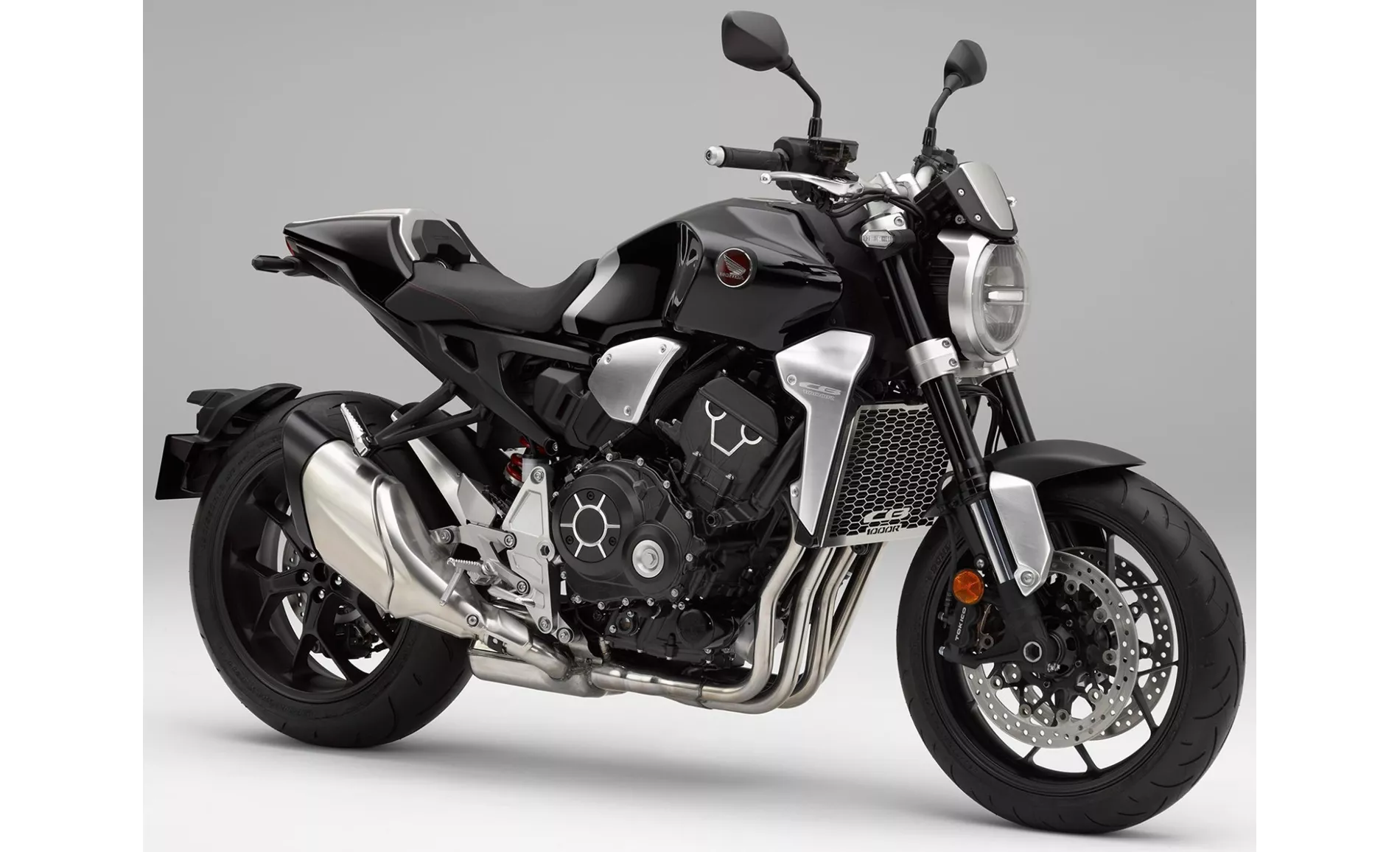
Honda CB 1000 R 2018
In terms of equipment, the Kawasaki Z900 2021 offers additional features such as LED daytime running lights and a TFT display, while the Honda CB 1000 R 2018 only has LED headlights.
In terms of strengths, the Kawasaki Z900 2021 is praised for its powerful four-cylinder engine, intuitive handling, good equipment, aggressive looks, and value for money. On the other hand, the Honda CB 1000 R 2018 is praised for its fabulous response in every engine situation, comfortable and sporty feel, precise and smooth transmission, precise lines possible due to its immaculate drive unit and good chassis, and high-quality details.
However, the Kawasaki Z900 2021 does have some weaknesses, such as the lack of a quickshifter option and being behind competitors with 6-axis IMU electronically. The Honda CB 1000 R 2018 has a couple of weaknesses as well, including a display that may not be perfectly readable in direct sunlight and potential space problems for taller riders with their knees at the tank.
Overall, both the Kawasaki Z900 2021 and Honda CB 1000 R 2018 are powerful and capable naked bikes, each with their own strengths and weaknesses. Riders should consider their priorities and preferences to determine which bike suits them best.
Technical Specifications Kawasaki Z900 2021 compared to Honda CB 1000 R 2018
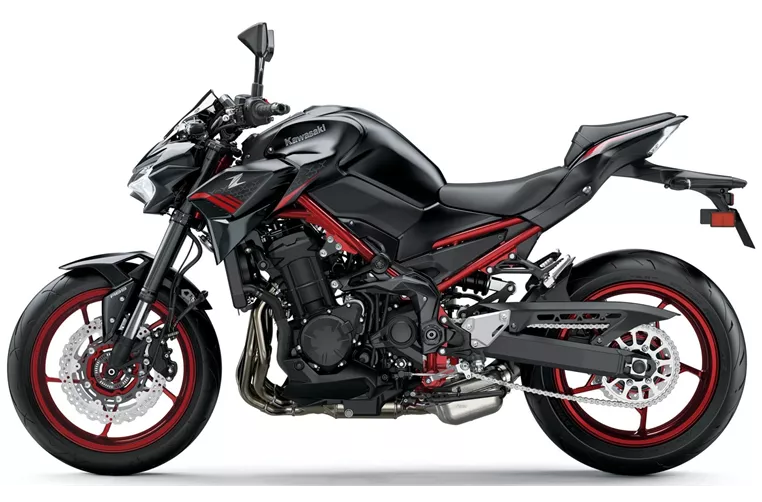
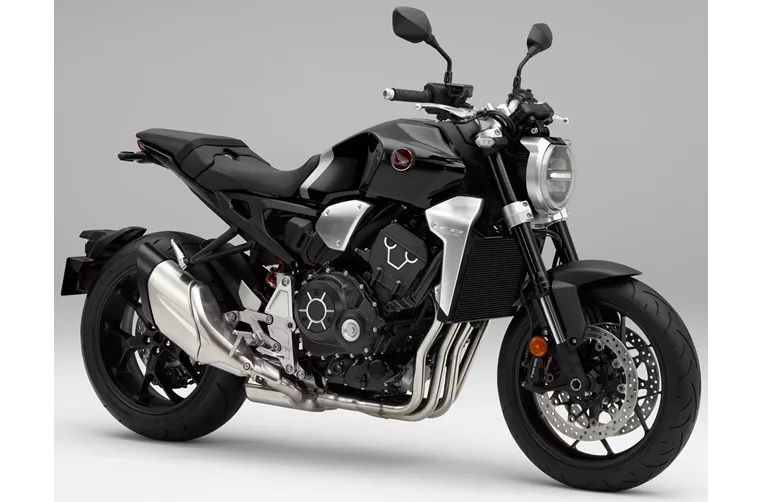
Pros and Cons in comparison
Pros and Cons in comparison
Kawasaki Z900 2021
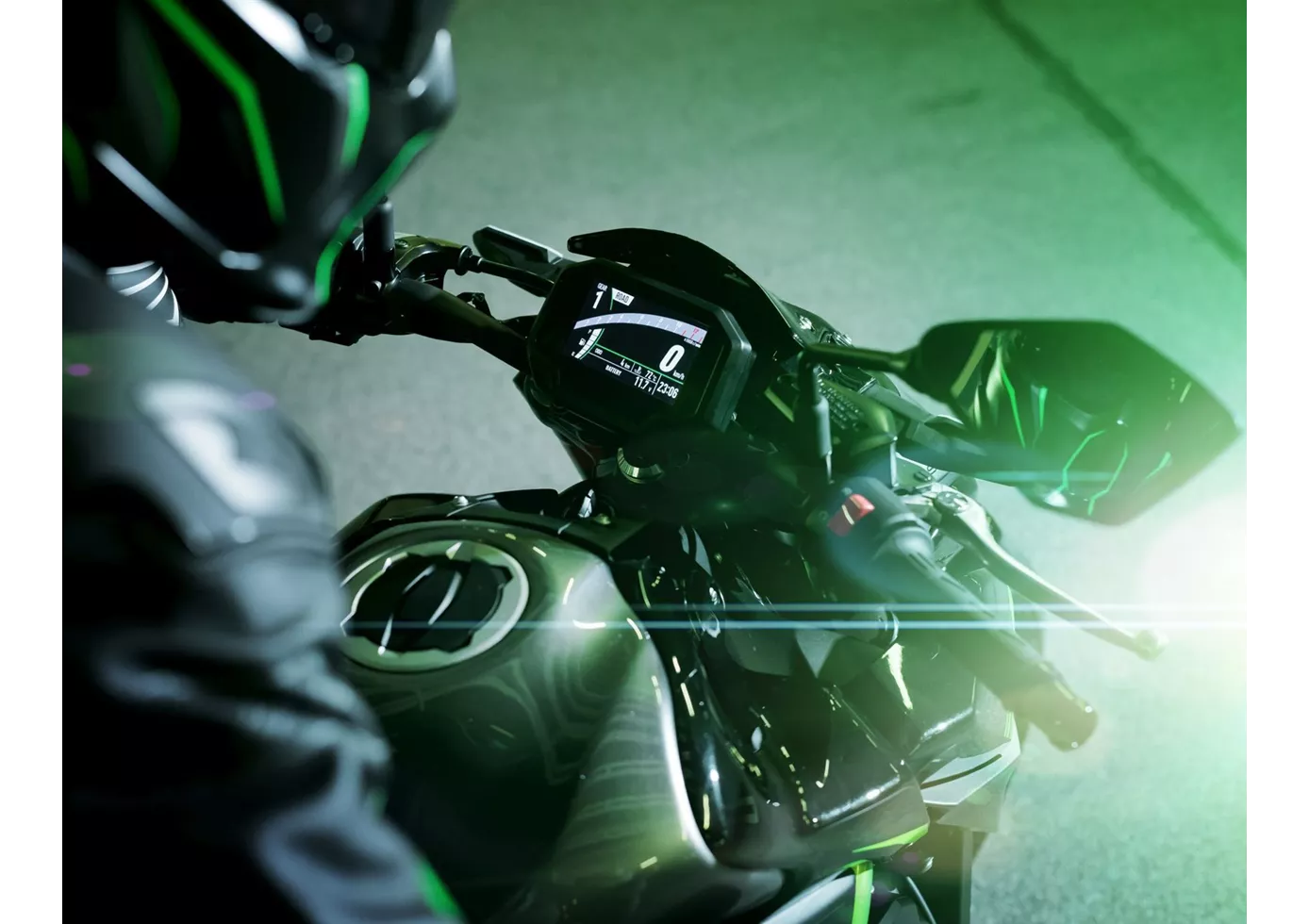
The Kawasaki Z900 may not be up to scratch when it comes to modern, lean angle-dependent electronic features, but it's relatively cheap and you shouldn't underestimate the fan base of the good old inline four - the Z900 is one of the cheapest ways to own such a great engine with just under a litre of displacement in a sporty naked bike! The higher weight is noticeable, but not massively annoying, because the handling and stability are quite alright. In terms of "outdated" electronics, the most annoying thing is the missing shift assistant, which is not even available as an option. Overall, however, the Z900 is a great naked bike with a great price-performance ratio.
Honda CB 1000 R 2018
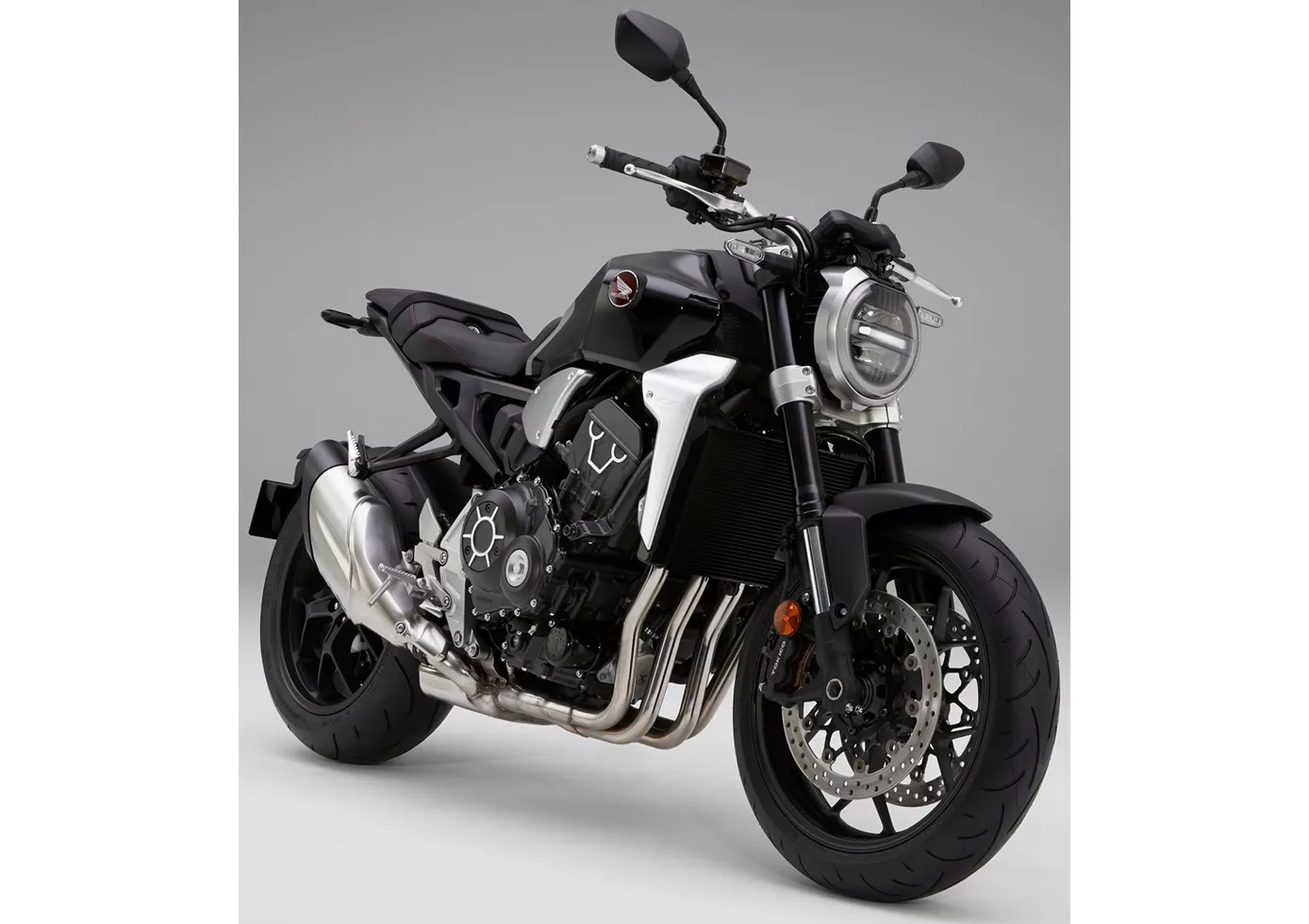
The 1-litre version of the Neo Sport Cafe Racer shows that it doesn't always have to be the golden mean. In all honesty, it has to be said that the largest of all the representatives also feels the most "grown-up". The electronic equipment of the 1000 in the + version leaves almost nothing to be desired and the handling is extremely rider-friendly for this class. Playfully easy cornering with a well-tuned chassis, snappy brakes and low weight seem to be the recipe for success in terms of smoothness. In terms of performance, the CB1000R+ unfortunately has to make concessions. With 145 hp, the Honda is not a brute rocket, but it is all the more controllable for it. And 145 hp with a full tank of 213 kg is more than enough for maximum riding pleasure on country roads!
Price Comparison Average Market Price Kawasaki Z900 vs Honda CB 1000 R
There are a few key differences between a Kawasaki Z900 2021 and a Honda CB 1000 R 2018. In terms of price, the actual average price of a Honda CB 1000 R 2018 is about 16% higher. Compared to Honda CB 1000 R 2018 there are more Kawasaki Z900 2021 bikes available on the 1000PS.de Marketplace, specifically 33 compared to 16. It takes less time to sell a Kawasaki Z900 with 107 days compared to 113 days for a Honda CB 1000 R. Since model year 2017 1000PS.de editors have written 46 reviews for the Kawasaki Z900 and 42 reviews for the Honda CB 1000 R since model year 2008. The first review for the Kawasaki Z900 was published on 11/11/2016 and now has more than 93,200 views. This compares to more than 10,400 views for the first review on Honda CB 1000 R published on 06/11/2007.