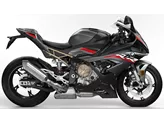
Ducati Panigale V2 2020 vs. BMW S 1000 RR 2014

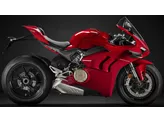
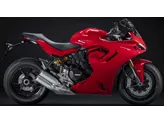
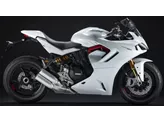
Ducati Panigale V2 2020
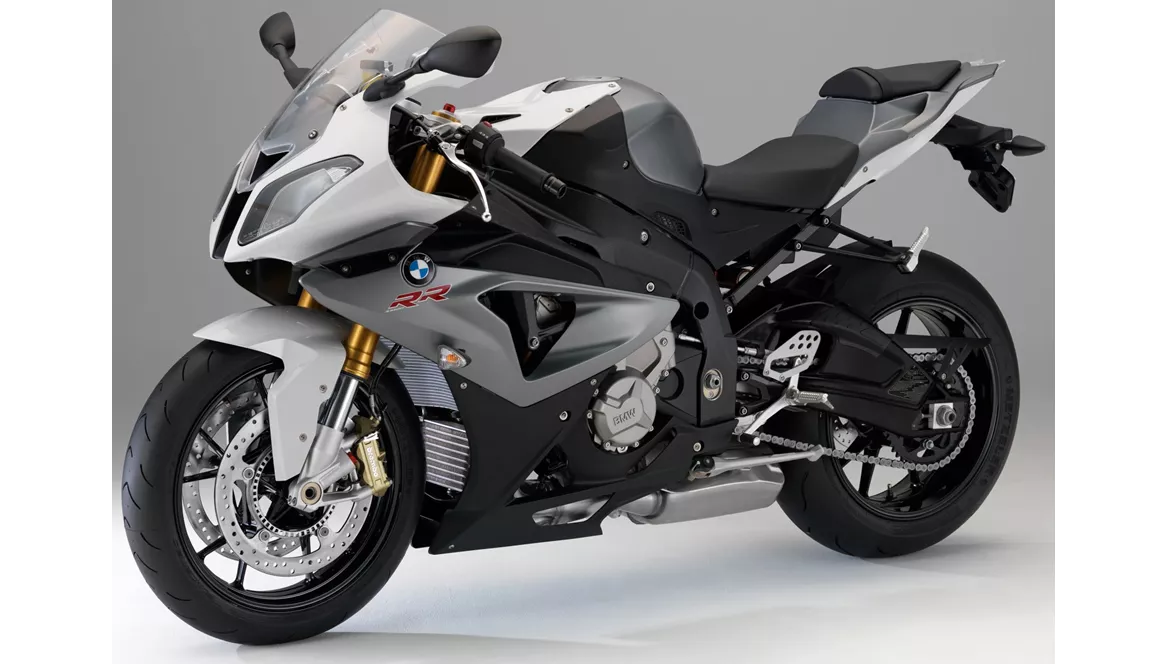
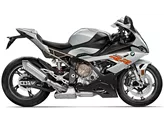
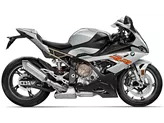
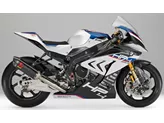
BMW S 1000 RR 2014
Overview - Ducati Panigale V2 2020 vs BMW S 1000 RR 2014
The Ducati Panigale V2 2020 and the BMW S 1000 RR 2014 are both high-performance supersport motorcycles that offer thrilling riding experiences. However, there are notable differences between the two models in terms of their technical specifications and strengths.
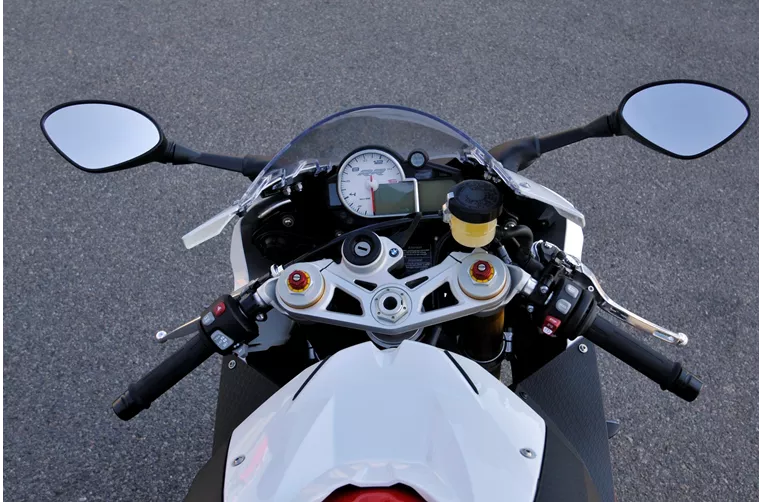
Starting with the Ducati Panigale V2 2020, it features a V-twin engine with a displacement of 955ccm, producing 155 horsepower and 104 Nm of torque. The engine is known for its smooth power delivery and exhilarating performance. The bike's design is also a standout feature, with a beautiful and noble aesthetic that is sure to turn heads. Additionally, the Panigale V2 boasts an outstanding electronics package, providing advanced safety features and enhancing the overall riding experience. The bike's ergonomics and electronics make it incredibly "experienceable," allowing riders to fully enjoy its capabilities. It is particularly recommended for supersport beginners and returners due to its manageable power and balanced chassis.

Ducati Panigale V2 2020
On the other hand, the BMW S 1000 RR 2014 is equipped with an inline-four engine, offering a displacement of 999ccm and delivering a powerful 192 horsepower and 112 Nm of torque. The engine's performance is exceptional, providing thrilling acceleration and top-end power. The bike's electronics package is also superior, offering advanced features that enhance both safety and performance. The S 1000 RR 2014 is versatile, suitable for both track and road use, making it a popular choice among riders who want a high-performance bike that can excel in various riding conditions. Despite its high power output, the S 1000 RR 2014 is surprisingly easy to ride, thanks to its superb shift assistant and well-tuned chassis.
BMW S 1000 RR 2014
While both bikes have their strengths, they also have their weaknesses. The Ducati Panigale V2 2020 could benefit from a slight increase in horsepower compared to other engines of similar size. Additionally, its true potential is only fully realized in Race mode, which may limit its performance for riders who prefer other riding modes. On the other hand, the BMW S 1000 RR 2014's fully equipped version can be quite expensive, with additional packages subject to surcharges that may prioritize profit maximization over customer benefits. Furthermore, the S 1000 RR 2014's stability can be a bit tricky, requiring skill and experience to handle at high speeds.
In conclusion, the Ducati Panigale V2 2020 and the BMW S 1000 RR 2014 are both impressive supersport motorcycles with their own unique strengths and weaknesses. The Panigale V2 stands out for its beautiful design, outstanding electronics package, and overall "experienceability," making it an excellent choice for supersport beginners and returners. On the other hand, the S 1000 RR 2014 offers a powerful engine, superior electronics, and versatility for both track and road use, making it a popular option for riders seeking a high-performance bike. Ultimately, the choice between the two models will depend on individual preferences and priorities.
Technical Specifications Ducati Panigale V2 2020 compared to BMW S 1000 RR 2014

Pros and Cons in comparison
Pros and Cons in comparison
Ducati Panigale V2 2020

For us, the Panigale V2 is the ultimate road super sports bike. Sophisticated electronic assistance systems that leave nothing to be desired, Ducati's fun 955 cm³ two-cylinder Superquadro engine that generates more than enough power for the road with 155 hp, a great seating position and a high degree of controllability. All of this characterises the Panigale V2 and for this reason it is probably "the" country road supersports bike for us at the moment, but it also cuts a good figure on the racetrack. The Panigale V2 should appeal above all to pilots for whom 200 hp rockets are a bit too much, and to all those who have also been enchanted by this work of art on two wheels.
BMW S 1000 RR 2014
The BMW can still score points with hard facts in 2015. If you like top performance, you have to buy the BMW. It turns out incredibly powerful at the top and drives away the rest of the field from 200. Big and heavy riders will be able to benefit from this even more. BMW didn't make it easy for themselves with this bike and put together a very universal motorbike. If you were to do a comparison test with 50 different riders (from rookie to pro), the BMW would have the best average of all 1000cc bikes. The electronic chassis, but also the riding aids, make the pros fast and the beginners safe on the road. A top recommendation for a very broad target group. Very fast hobby riders will not be 100% satisfied with the standard suspension. If you don't want to modify the chassis, you should rather go for an R1M, a Panigale S or an RSV RF. If you want to convert anyway, the S 1000 RR is the strongest and most universal base. Surprisingly, the powerful machine also rides very well on country roads. All in all, it looks like a compromise, but it never feels like one in practice.
Price Comparison Average Market Price Ducati Panigale V2 vs BMW S 1000 RR
There are a few key differences between a Ducati Panigale V2 2020 and a BMW S 1000 RR 2014. There are the same number of bikes of both models available on the 1000PS.de marketplace, specifically 5. It takes less time to sell a BMW S 1000 RR with 56 days compared to 84 days for the Ducati Panigale V2. Since model year 2020 1000PS.de editors have written 9 reviews for the Ducati Panigale V2 and 135 reviews for the BMW S 1000 RR since model year 2010. The first review for the Ducati Panigale V2 was published on 23/10/2019 and now has more than 70,000 views. This compares to more than 4,000 views for the first review on BMW S 1000 RR published on 16/04/2008.