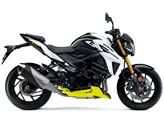
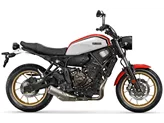
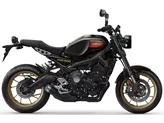
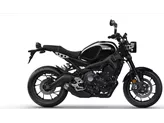
Suzuki GSX-S1000 2015 vs. Yamaha XSR900 2016
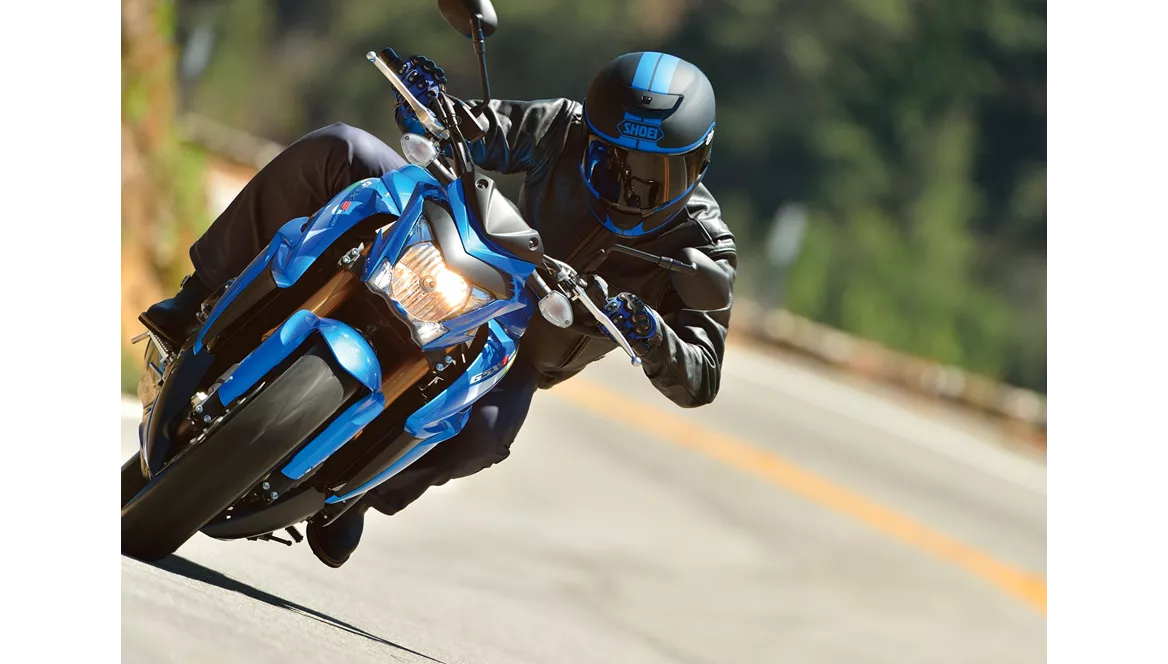
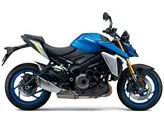
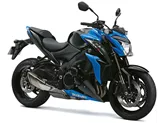
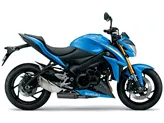
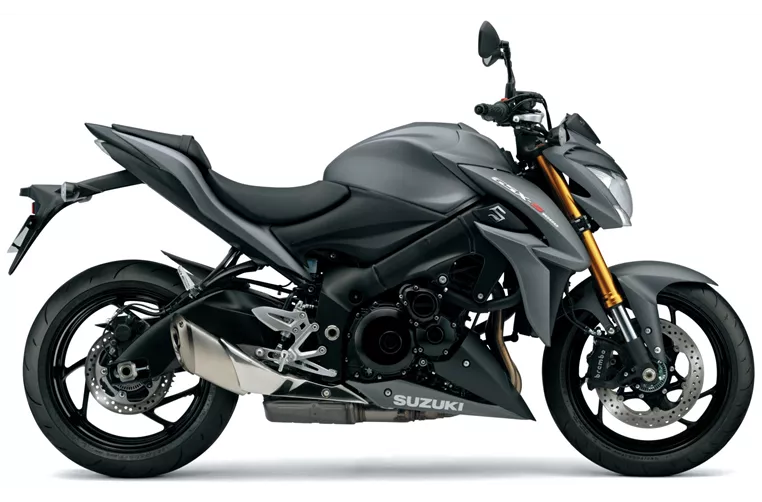
Suzuki GSX-S1000 2015
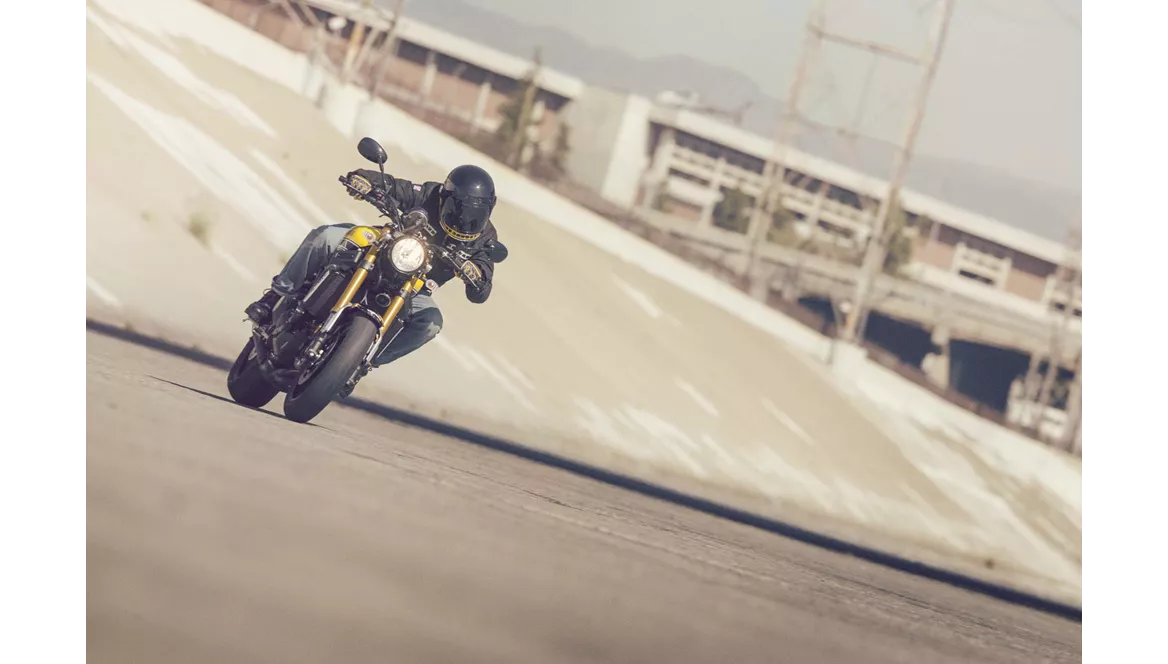
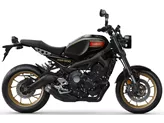
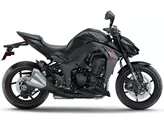
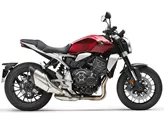
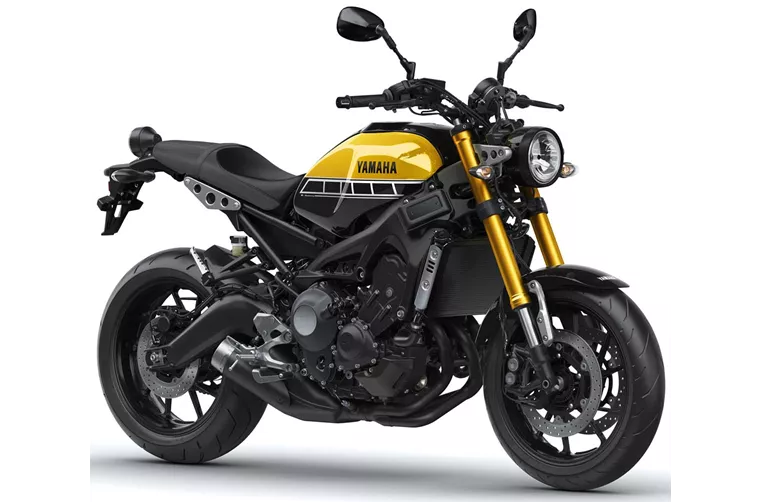
Yamaha XSR900 2016
Overview - Suzuki GSX-S1000 2015 vs Yamaha XSR900 2016
The Suzuki GSX-S1000 2015 and the Yamaha XSR900 2016 are both naked bikes with similar technical specifications. However, there are some notable differences between the two models.
In terms of engine performance, the Suzuki GSX-S1000 2015 has a more powerful engine with 149 HP compared to the Yamaha XSR900 2016's 115 HP. The Suzuki also has higher torque at 106 Nm, while the Yamaha has 87.5 Nm. Both bikes have in-line engines with liquid cooling, but the Suzuki has four cylinders compared to the Yamaha's three. The Suzuki's larger displacement of 999 ccm also contributes to its higher power output.
Both bikes have similar suspension systems, with upside-down telescopic forks at the front and swing arm suspension with a monoshock at the rear. The chassis of both bikes is made of aluminum and has a twin tube frame. The front brakes on both bikes are double disk type, but the Suzuki has a larger diameter of 310 mm compared to the Yamaha's 298 mm.
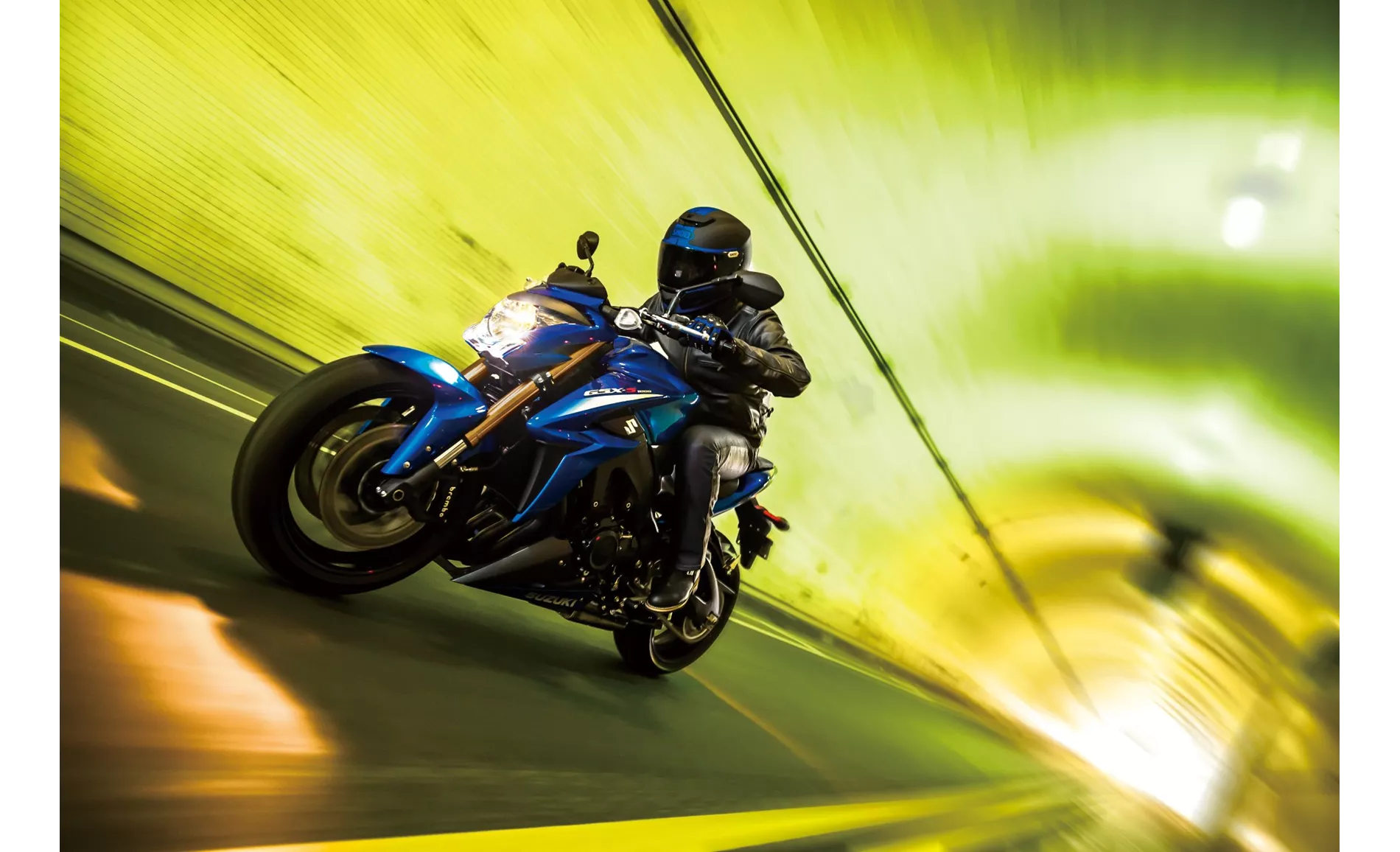
Suzuki GSX-S1000 2015
Both bikes also have advanced rider assistance systems in the form of ABS. The dimensions and weights of the two bikes are also similar, with both having a front tire width of 120 mm and a diameter of 17 inches. The rear tire width of the Suzuki is slightly larger at 190 mm compared to the Yamaha's 180 mm. The wheelbase of the Suzuki is also slightly longer at 1460 mm compared to the Yamaha's 1440 mm. Both bikes have a seat height of 815 mm and come with ABS as standard. However, the Suzuki has a larger fuel tank capacity of 17 liters compared to the Yamaha's 14 liters.
In terms of strengths, the Suzuki GSX-S1000 2015 is known for its legendary Suzuki engine, which produces a sharp sound and is rev-happy. The bike has a harmonious tuning and pleasing design. It also has strong brakes and a taut chassis, providing a sporty riding experience. Additionally, the Suzuki is praised for not cheating on performance.
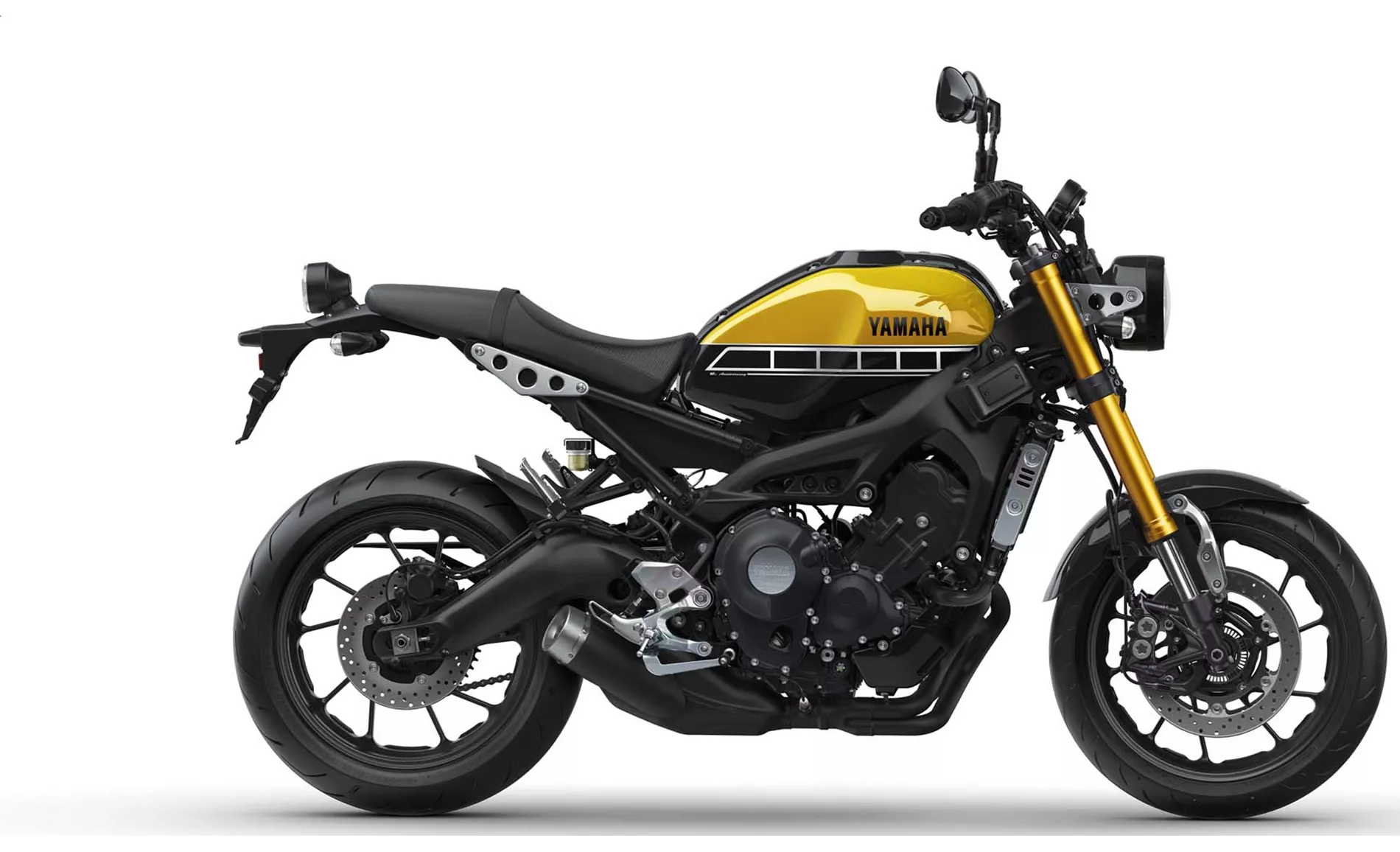
Yamaha XSR900 2016
On the other hand, the Yamaha XSR900 2016 is known for its greedy engine and well-tuned riding modes. It also comes with ABS and TC as standard, providing added safety. The bike has an authentic modern design and clean workmanship.
However, both bikes have their weaknesses. The Suzuki GSX-S1000 2015 is criticized for its old base and weak performance in the rev range. It also experiences load change, which can affect the riding experience. On the other hand, the Yamaha XSR900 2016 has a hard chassis, which can make the ride less comfortable. Some riders also feel that the seat could be more comfortable. Additionally, the speedblock design of the Yamaha is already present on many other models, which may make it less unique.
In conclusion, the Suzuki GSX-S1000 2015 and the Yamaha XSR900 2016 are both capable naked bikes with their own strengths and weaknesses. The Suzuki offers a more powerful engine and a larger fuel tank capacity, while the Yamaha has well-tuned riding modes and a modern design. Ultimately, the choice between the two models will depend on the rider's preferences and priorities.
Technical Specifications Suzuki GSX-S1000 2015 compared to Yamaha XSR900 2016
Pros and Cons in comparison
Pros and Cons in comparison
Suzuki GSX-S1000 2015
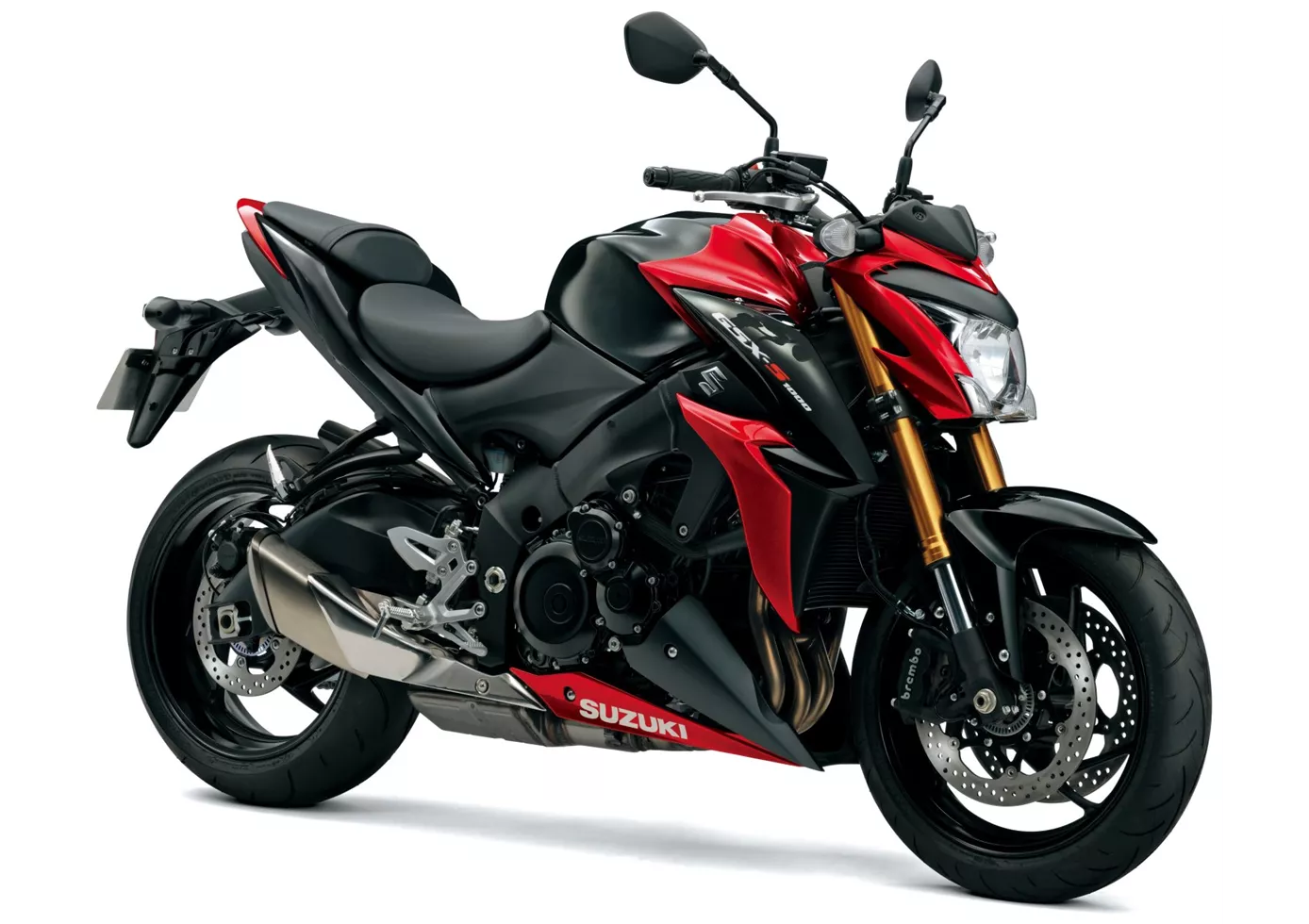
Some might be surprised that after waiting so long, Suzuki did not launch the ultimate, uncompromising power naked bike. Instead, the Suzuki GSX-S 1000 with its 149 hp seems almost too well-behaved. But once you ride it on the race track, you quickly realise that the engine is far more powerful in real life and that the rest of the performance of the chassis and braking system is also impressive. In return, it also offers a large portion of everyday and practical suitability - not bad ingredients when you have to cover everything from everyday to race track with a single bike.
Yamaha XSR900 2016
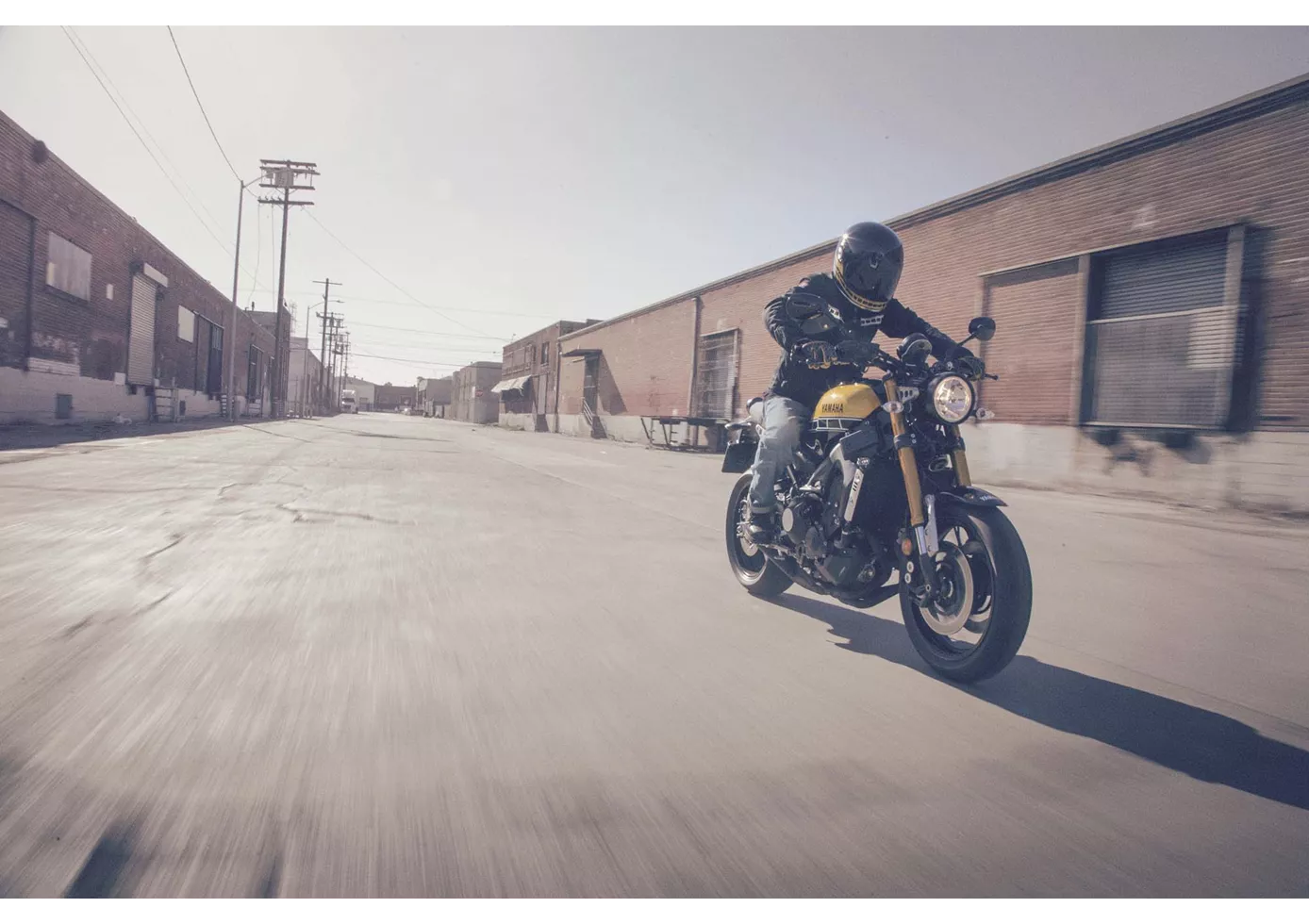
The Yamaha XSR900 is a classic optical illusion - with its round headlight, angular tank and attached tail light, it clearly passes for a retro bike. But it's no coincidence that the performance is reminiscent of the potent mid-range naked bike Yamaha MT-09, which is the extremely sporty basis for the XSR900. So the engine is a blast and the brakes are appropriately venomous. Fortunately, the engineers didn't overdo it with the chassis, the XSR900 offers sufficient comfort and the upright riding position is more comfortable than the powerful engine would lead one to expect. All in all, the XSR900 is one of the sportiest models among the retro bikes.
Price Comparison Average Market Price Suzuki GSX-S1000 vs Yamaha XSR900
There are a few key differences between a Suzuki GSX-S1000 2015 and a Yamaha XSR900 2016. In terms of price, the actual average price of a Suzuki GSX-S1000 2015 is about 12% higher. Compared to Yamaha XSR900 2016 there are more Suzuki GSX-S1000 2015 bikes available on the 1000PS.de Marketplace, specifically 6 compared to 5. It takes less time to sell a Yamaha XSR900 with 77 days compared to 86 days for the Suzuki GSX-S1000. Since model year 2015 1000PS.de editors have written 36 reviews for the Suzuki GSX-S1000 and 30 reviews for the Yamaha XSR900 since model year 2016. The first review for the Suzuki GSX-S1000 was published on 27/09/2014 and now has more than 17,100 views. This compares to more than 17,600 views for the first review on Yamaha XSR900 published on 25/11/2015.