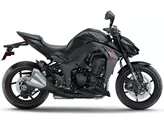
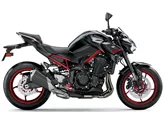
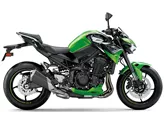
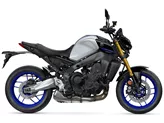
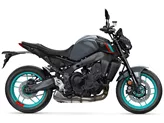
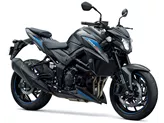
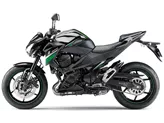
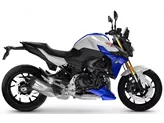
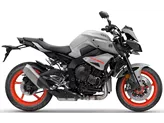
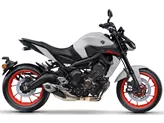
Yamaha MT-09 2013 vs. Kawasaki Z900 2017
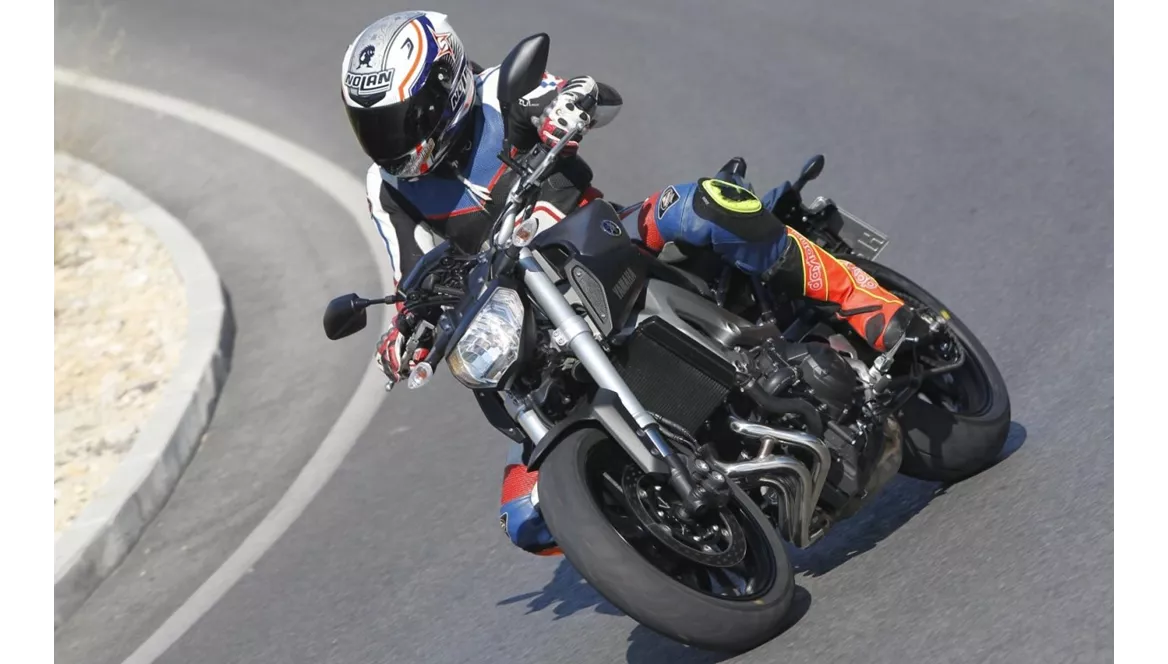
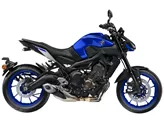
Yamaha MT-09 2013
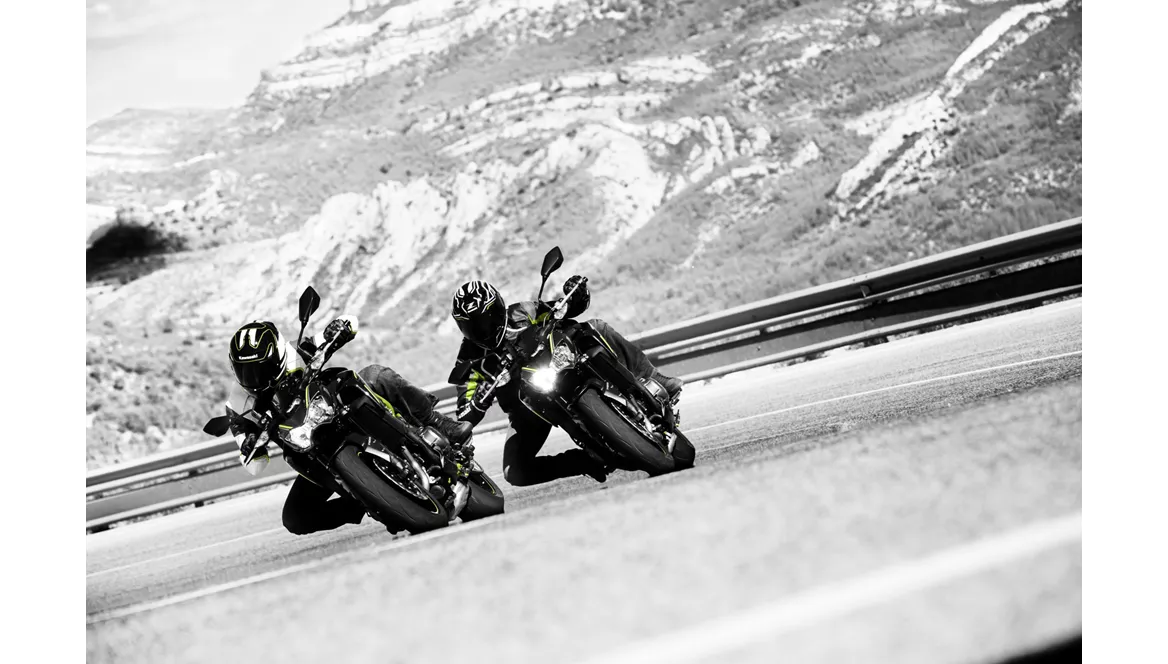
Kawasaki Z900 2017
Overview - Yamaha MT-09 2013 vs Kawasaki Z900 2017
The Yamaha MT-09 2013 and the Kawasaki Z900 2017 are both naked bikes that offer powerful engines and impressive performance. However, there are some notable differences between the two models.
In terms of engine specifications, the Yamaha MT-09 2013 is equipped with an in-line, 3-cylinder engine with a displacement of 847cc. It produces 115 horsepower and 87.5 Nm of torque. On the other hand, the Kawasaki Z900 2017 features an in-line, 4-cylinder engine with a displacement of 948cc. It delivers a higher power output of 125.4 horsepower and 98.6 Nm of torque. This indicates that the Z900 has a more powerful engine compared to the MT-09.
Both bikes have similar front suspension setups, with telescopic forks providing a smooth and comfortable ride. However, the Z900 has an upside-down telescopic fork, which is known for its better performance and improved handling.
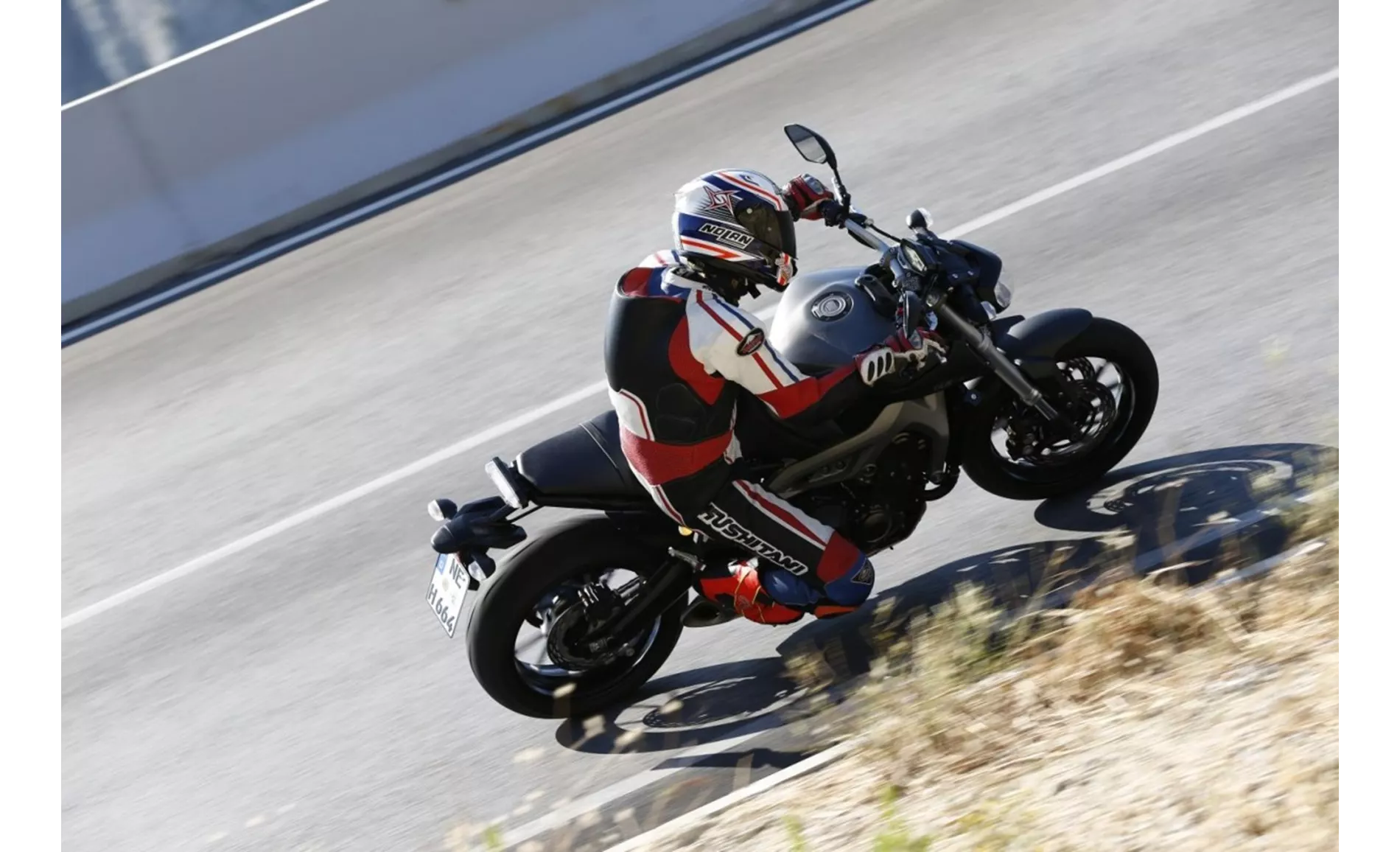
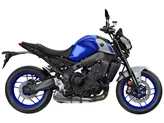
Yamaha MT-09 2013
In terms of chassis, the Yamaha MT-09 2013 features an aluminum frame with a twin tube design. This provides a lightweight and rigid structure, contributing to the bike's agility and maneuverability. On the other hand, the Kawasaki Z900 2017 has a steel frame with a double cradle design, which offers stability and durability.
Both bikes have double disc brakes at the front, ensuring efficient and reliable stopping power. The dimensions and weights of the two models are quite similar, with both having a front tire width of 120mm and a rear tire width of 180mm. They also share the same wheelbase length of around 1450mm.
In terms of seat height, the Yamaha MT-09 2013 has a slightly higher seat at 815mm, while the Kawasaki Z900 2017 offers a lower seat height of 795mm. This may be a consideration for taller riders who may find the knee angle on the Z900 to be narrow. However, it is worth noting that the seat can be replaced to accommodate taller riders.
In terms of strengths, the Yamaha MT-09 2013 is praised for its reasonable price and powerful engine. It offers a good balance between performance and affordability. On the other hand, the Kawasaki Z900 2017 is commended for its ingenious naked bike chassis, superb looks, and a highly responsive engine with perfectly dimensioned torque. It is considered to be a well-rounded bike that offers a great combination of performance, price, and practicality.
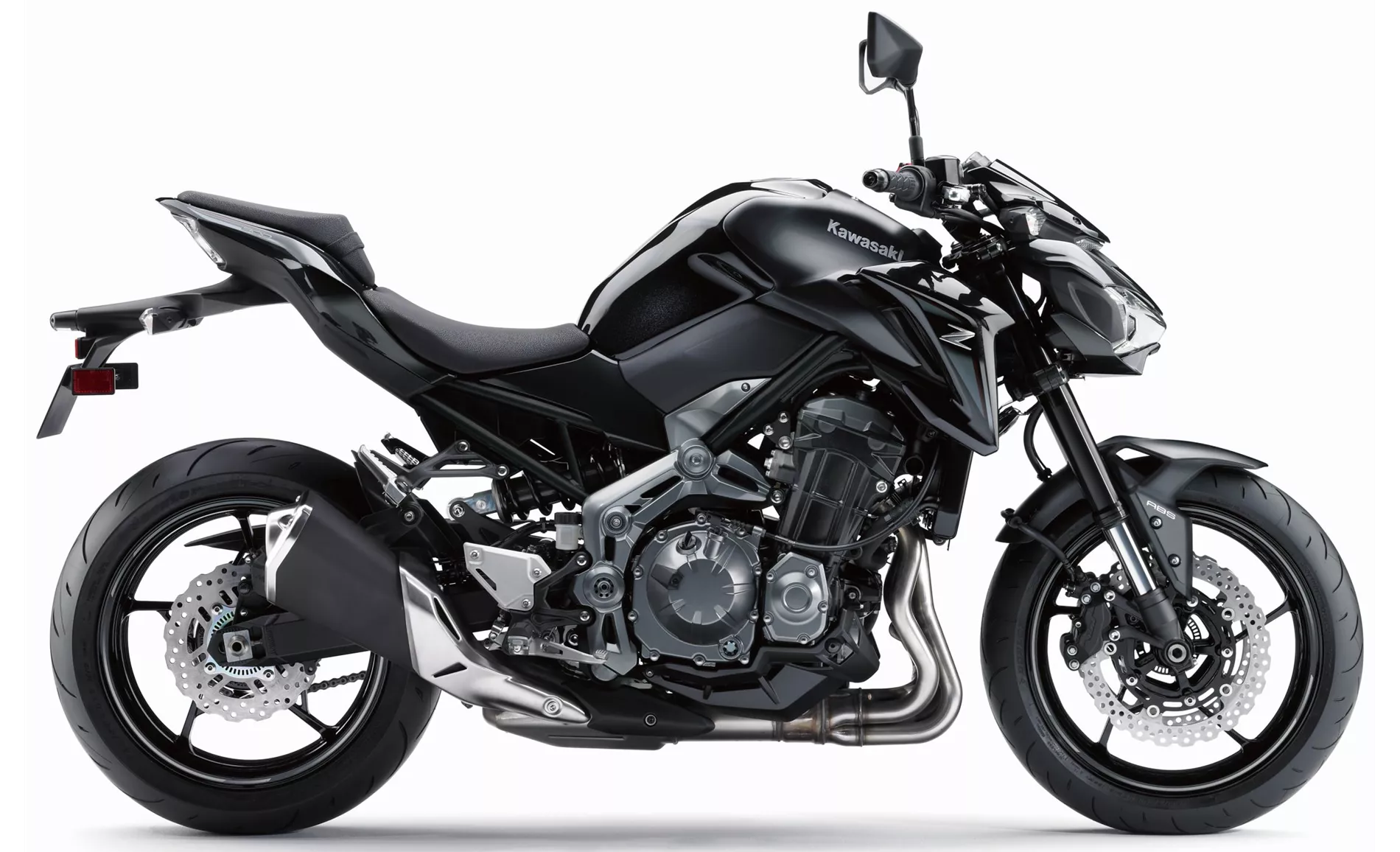
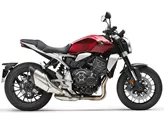
Kawasaki Z900 2017
However, the Yamaha MT-09 2013 does have some weaknesses. It is known for having a hard chassis, which may result in a less comfortable ride on rough roads. Additionally, it has a relatively high fuel consumption, which may be a consideration for riders looking for a more fuel-efficient option.
The Kawasaki Z900 2017 also has a weakness, particularly for taller riders. The knee angle on the bike is narrow, which may cause discomfort during long rides. However, this can be addressed by ordering a different seat that provides better ergonomics for taller individuals.
In conclusion, both the Yamaha MT-09 2013 and the Kawasaki Z900 2017 are impressive naked bikes with their own strengths and weaknesses. The MT-09 offers a powerful engine at a reasonable price, while the Z900 provides a well-designed chassis, great looks, and an engine that delivers excellent performance. Riders should consider their own preferences and priorities when choosing between these two models.
Technical Specifications Yamaha MT-09 2013 compared to Kawasaki Z900 2017
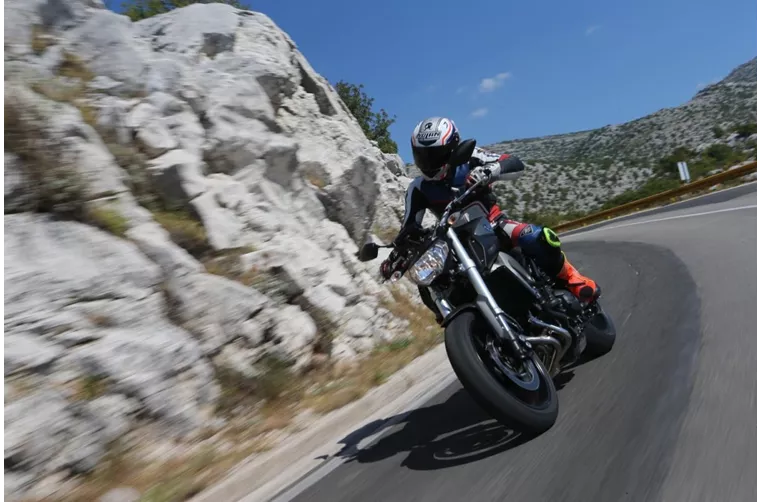
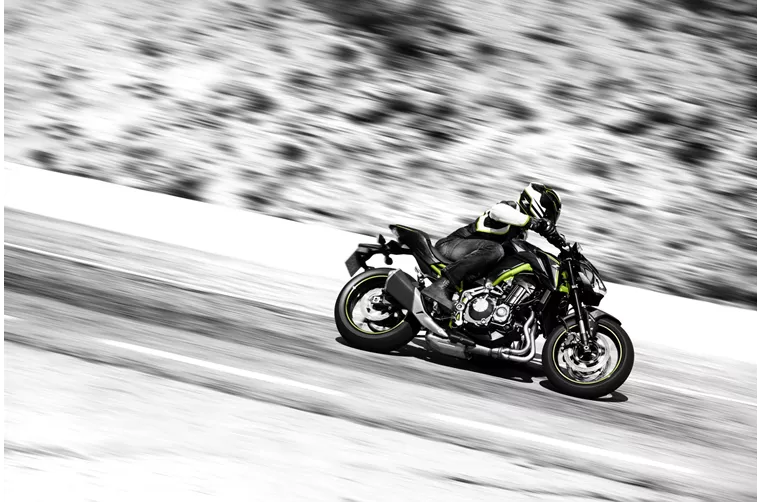
Pros and Cons in comparison
Pros and Cons in comparison
Yamaha MT-09 2013
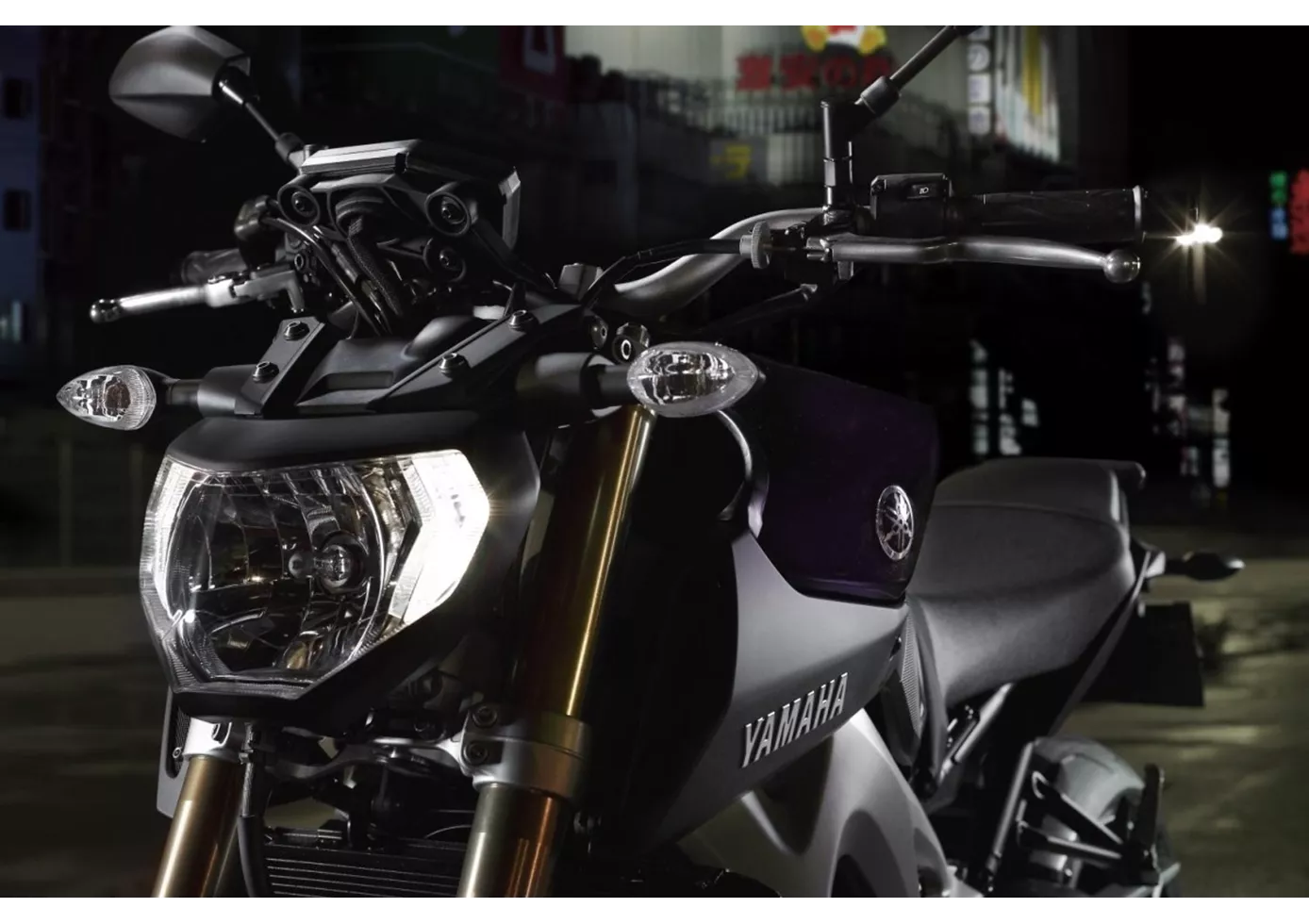
The Yamaha MT-09 did not need to be reinvented for the coming season - it already was extremely well done almost four years ago. Instead, the Japanese focus on fine-tuning and adding practical, contemporary gimmicks such as traction control and automatic shifting. Due to the Euro4 standard, however, the engine management has been changed once again and offers an emphatically powerful but well controllable power delivery in standard mode; the power explosion of the first generation is now no longer offered even by the sharper A mode. The biggest change, recognisable at first glance, is the, in my opinion, extremely successful design with the more aggressive front and the newly designed rear. All in all, an even snazzier naked bike that was clearly built for the fun of motorcycling.
Kawasaki Z900 2017
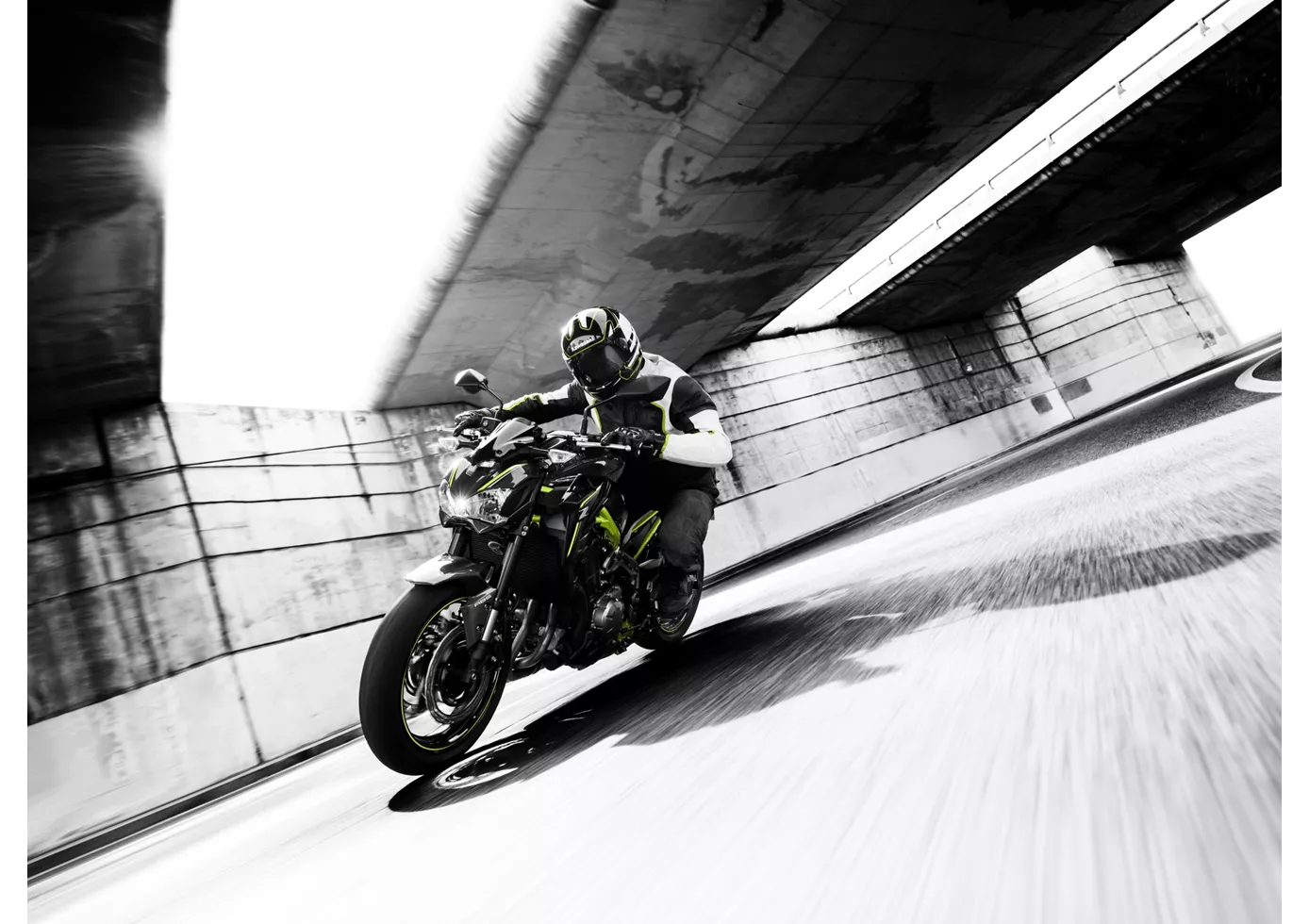
Fortunately, the new Kawasaki Z900 has lost none of its character through the use of electronics. It is and remains a playful mid-range naked bike, which at the same time masters the brisk pace on the country road magnificently. The riding pleasure and suitability for everyday use are high, the now installed riding aids offer a plus in safety. Your opponents will have a really hard time from now on.
Price Comparison Average Market Price Yamaha MT-09 vs Kawasaki Z900
There are a few key differences between a Yamaha MT-09 2013 and a Kawasaki Z900 2017. It takes less time to sell a Yamaha MT-09 with 52 days compared to 85 days for a Kawasaki Z900. Since model year 2013 1000PS.de editors have written 57 reviews for the Yamaha MT-09 and 46 reviews for the Kawasaki Z900 since model year 2017. The first review for the Yamaha MT-09 was published on 10/06/2013 and now has more than 39,900 views. This compares to more than 93,200 views for the first review on Kawasaki Z900 published on 11/11/2016.