Kawasaki Z900 2020 vs. Triumph Speed Triple R 2016
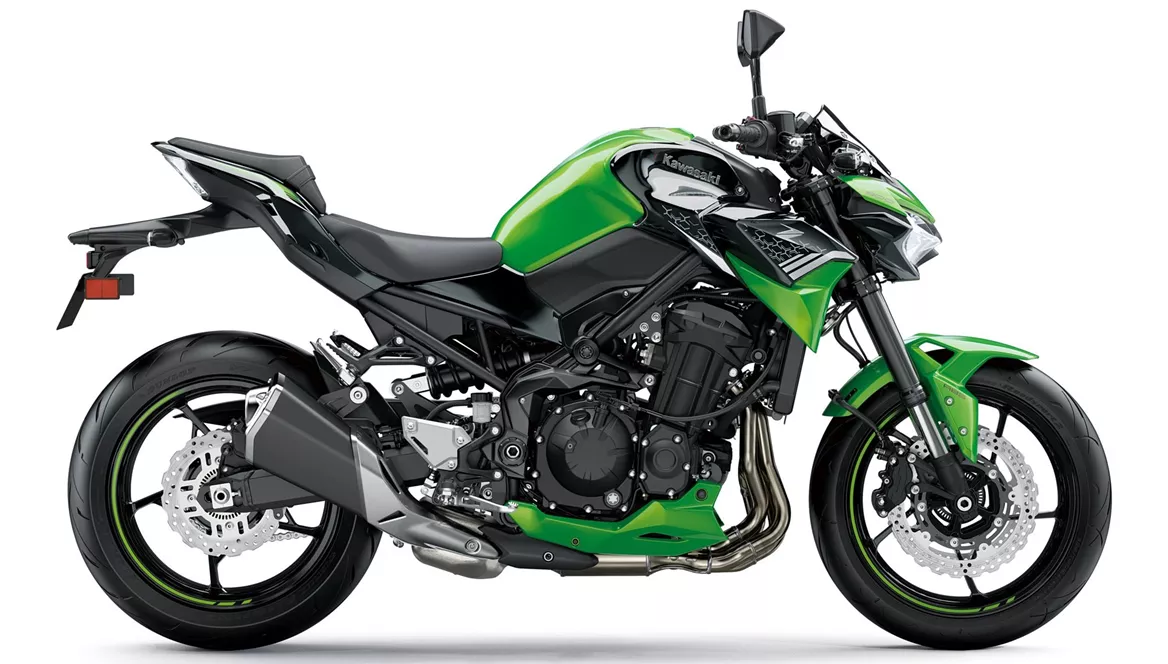
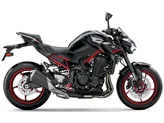
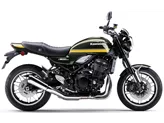
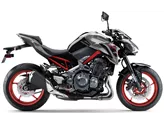
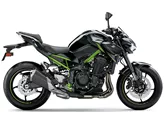
Kawasaki Z900 2020

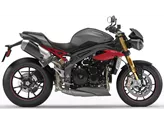
Triumph Speed Triple R 2016
Overview - Kawasaki Z900 2020 vs Triumph Speed Triple R 2016
The Kawasaki Z900 2020 and the Triumph Speed Triple R 2016 are both naked bikes that offer powerful performance and a thrilling riding experience. However, there are several differences between the two models that set them apart.
In terms of engine specifications, the Z900 is equipped with a 948cc inline-four engine that produces 125.4 horsepower and 98.6 Nm of torque. On the other hand, the Speed Triple R features a 1050cc inline-three engine that delivers 140 horsepower and 112 Nm of torque. While both engines are liquid-cooled and offer strong performance, the Speed Triple R has a slight advantage in terms of power output.
When it comes to suspension, both bikes feature upside-down telescopic forks at the front and monoshock suspension at the rear. However, the Speed Triple R offers more adjustability options with compression, preload, and rebound adjustments for both the front and rear suspension. Additionally, the Speed Triple R's suspension components are made by Öhlins, which is known for its high-quality and performance-oriented suspension systems.
In terms of braking, both bikes are equipped with double disc brakes at the front. However, the Speed Triple R has larger 320mm diameter discs compared to the Z900's 300mm discs. The Speed Triple R also features radial, monoblock calipers, which provide improved braking performance and feel.
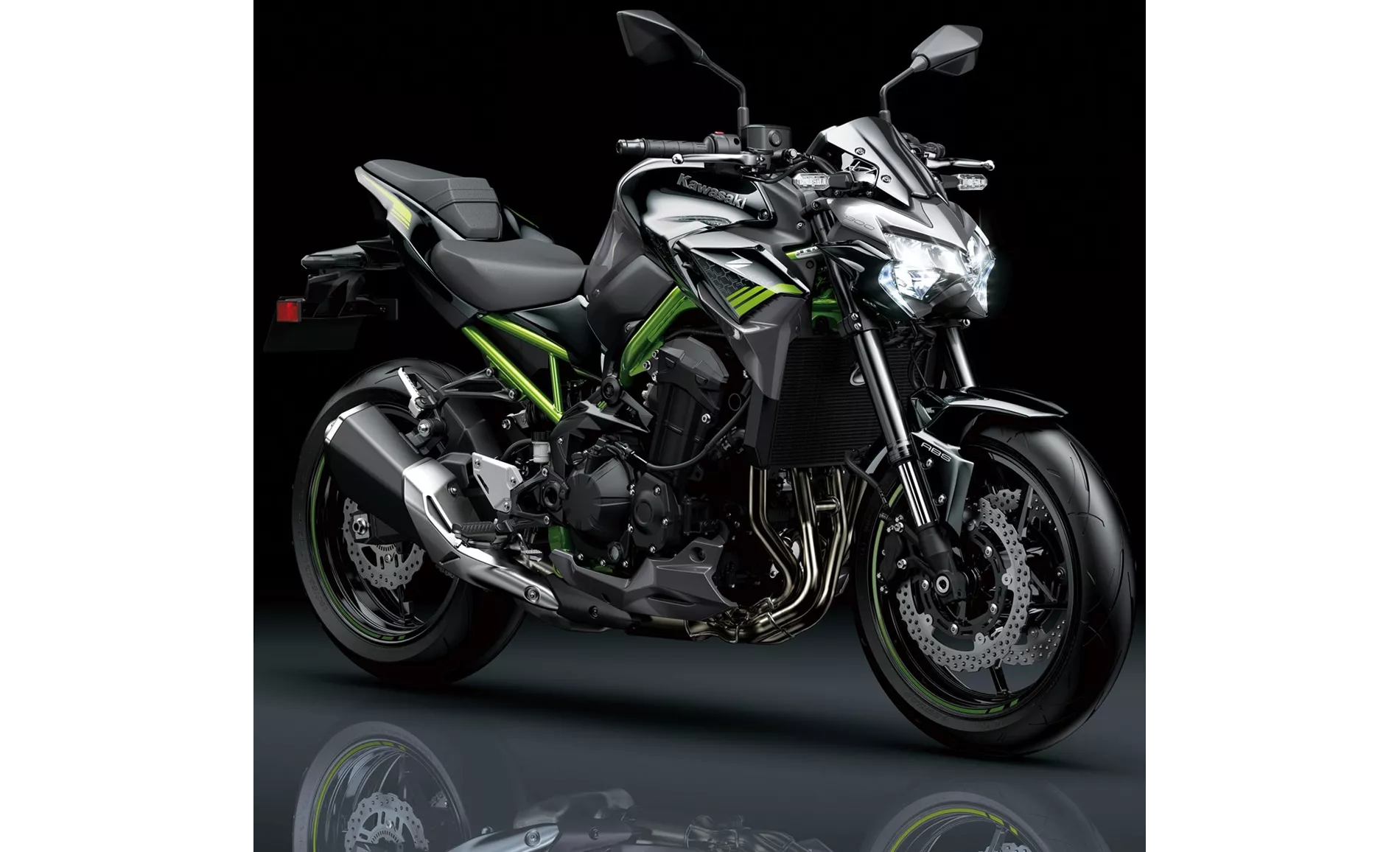
Kawasaki Z900 2020
In terms of chassis, the Z900 features a steel frame with a double cradle design, while the Speed Triple R has an aluminum frame with a twin tube design. Both frames offer good rigidity and stability, but the Speed Triple R's aluminum frame is lighter, which contributes to its overall weight advantage.
In terms of dimensions and weights, the Z900 has a slightly longer wheelbase at 1450mm compared to the Speed Triple R's 1435mm. The seat height of the Z900 is also slightly lower at 795mm compared to the Speed Triple R's 825mm. However, the weight difference between the two bikes is minimal, with the Z900 weighing 210kg and the Speed Triple R weighing 212kg (both weights include ABS).
In terms of advanced rider assistance systems, both bikes are equipped with ABS and traction control. The Z900 also offers additional features such as riding modes and ride by wire, which provide enhanced control and customization options. The Speed Triple R, on the other hand, does not have riding modes or ride by wire, but it compensates with its well-functioning electronic features.

Triumph Speed Triple R 2016
In terms of aesthetics, the Z900 has an aggressive and modern look, while the Speed Triple R has a more traditional and timeless design. Both bikes have their own unique appeal and it ultimately comes down to personal preference.
In terms of strengths, the Z900 offers a powerful four-cylinder engine, great handling, good equipment, aggressive looks, and value for money. On the other hand, the Speed Triple R stands out with its powerful and unique three-cylinder engine, brute brakes, well-functioning electronic features, excellent Öhlins suspension components, and traditional look.
However, both bikes also have their weaknesses. The Z900's menu navigation can be somewhat tiring, and it lacks the option for a quickshifter. The Speed Triple R, on the other hand, has somewhat sluggish handling and comes with a high surcharge for the R version.
Overall, both the Kawasaki Z900 2020 and the Triumph Speed Triple R 2016 are impressive naked bikes that offer exhilarating performance and a thrilling riding experience. The choice between the two ultimately depends on individual preferences and priorities, whether it be power, handling, electronic features, or aesthetics.
Technical Specifications Kawasaki Z900 2020 compared to Triumph Speed Triple R 2016
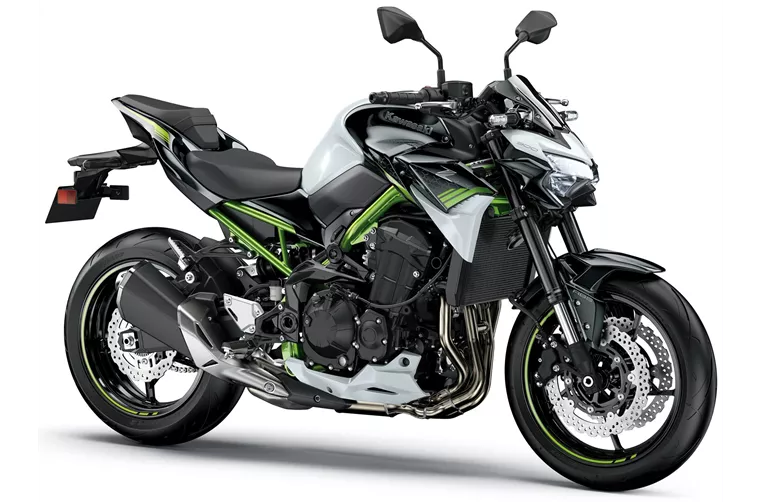

Pros and Cons in comparison
Pros and Cons in comparison
Kawasaki Z900 2020
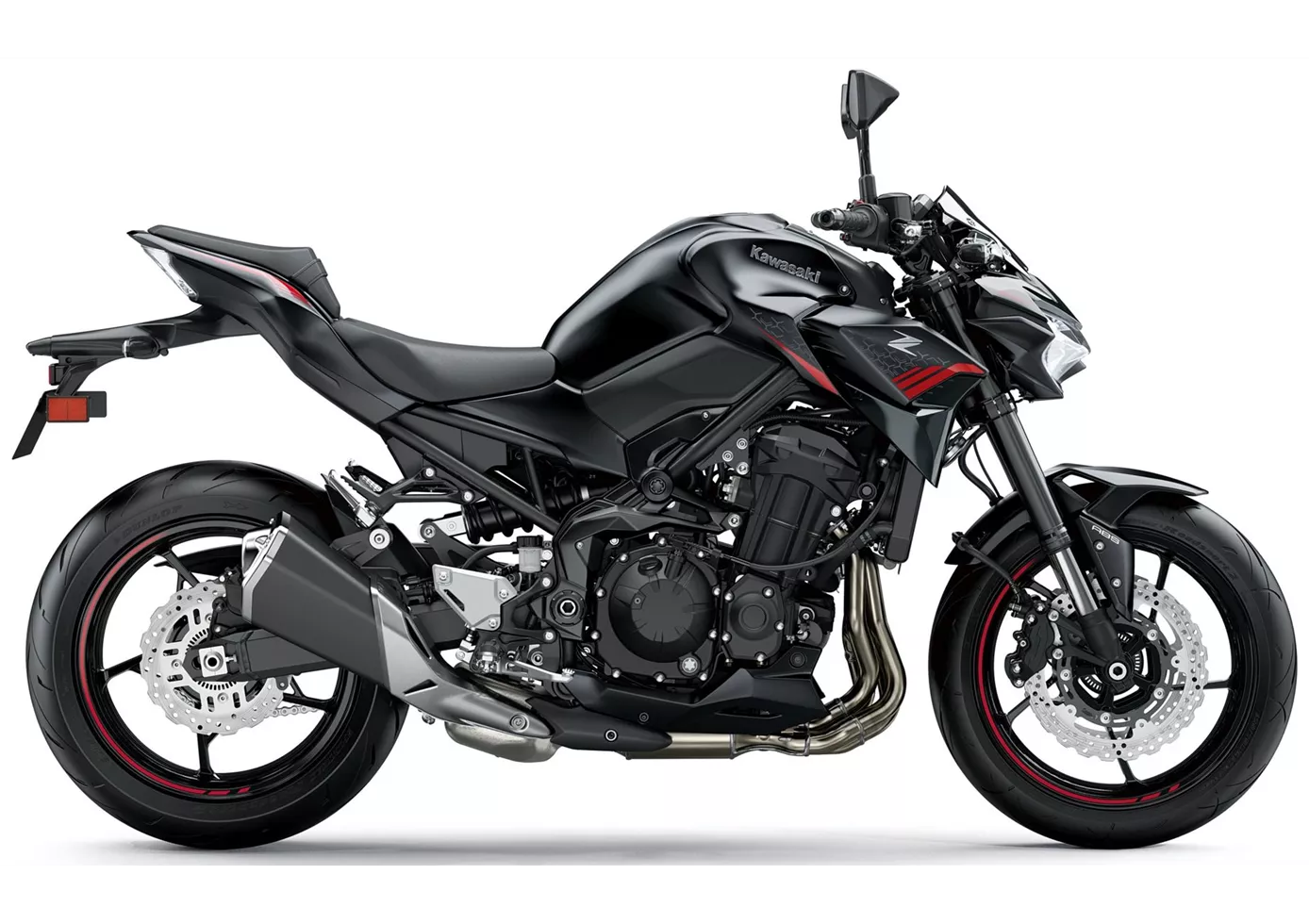
The Kawasaki Z900 may not be up to scratch when it comes to modern, lean angle-dependent electronic features, but it's relatively cheap and you shouldn't underestimate the fan base of the good old inline four - the Z900 is one of the cheapest ways to own such a great engine with just under a litre of displacement in a sporty naked bike! The higher weight is noticeable, but not massively annoying, because the handling and stability are quite alright. In terms of "outdated" electronics, the most annoying thing is the missing shift assistant, which is not even available as an option. Overall, however, the Z900 is a great naked bike with a great price-performance ratio.
Triumph Speed Triple R 2016

Like its predecessor, the Speed Triple R delights with its high-quality, sensitively responding Öhlins suspension and its stunning looks. The design remains true to its line - which can only please the many fans. The engine's braking and responsiveness can hardly be complained about, but the lack of power on the competition and the somewhat sluggish handling can certainly be forgiven, after all, the Speed Triple is a classic with history and the design is legendary - which is much more important to true fans than the one or two extra horsepower.
Price Comparison Average Market Price Kawasaki Z900 vs Triumph Speed Triple R
There are a few key differences between a Kawasaki Z900 2020 and a Triumph Speed Triple R 2016. There are the same number of bikes of both models available on the 1000PS.de marketplace, specifically 34. It takes less time to sell a Triumph Speed Triple R with 120 days compared to 124 days for the Kawasaki Z900. Since model year 2017 1000PS.de editors have written 46 reviews for the Kawasaki Z900 and 16 reviews for the Triumph Speed Triple R since model year 2012. The first review for the Kawasaki Z900 was published on 11/11/2016 and now has more than 93,200 views. This compares to more than 11,100 views for the first review on Triumph Speed Triple R published on 24/10/2011.