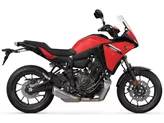
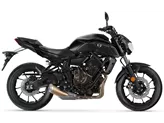
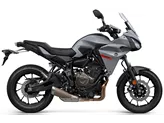
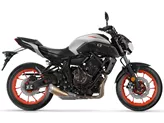
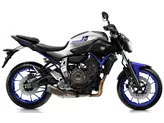
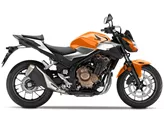
Yamaha XSR900 2016 vs. Yamaha MT-07 2022
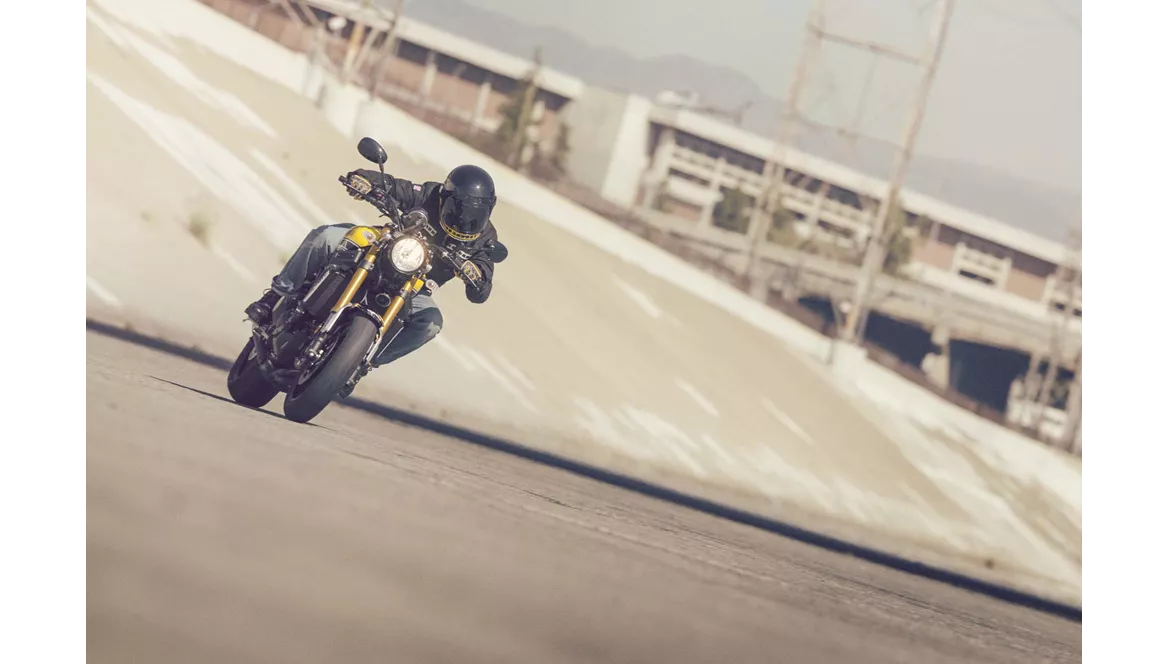
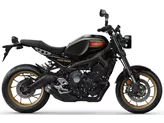
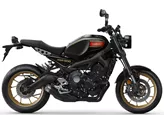
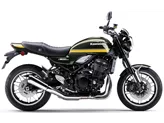
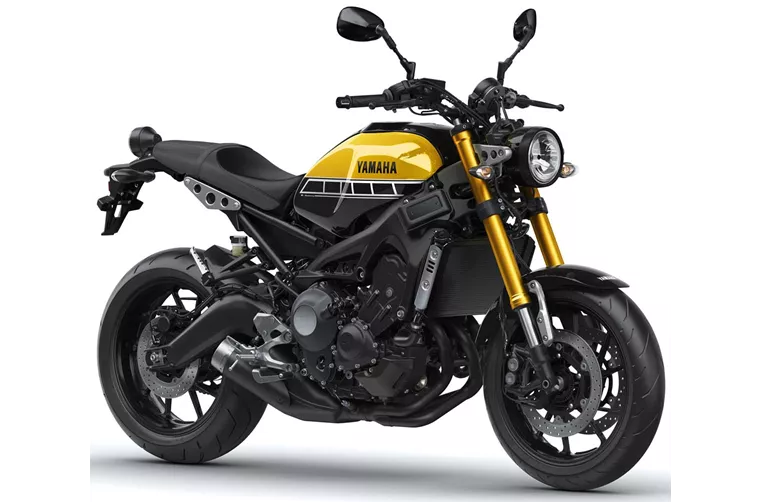
Yamaha XSR900 2016
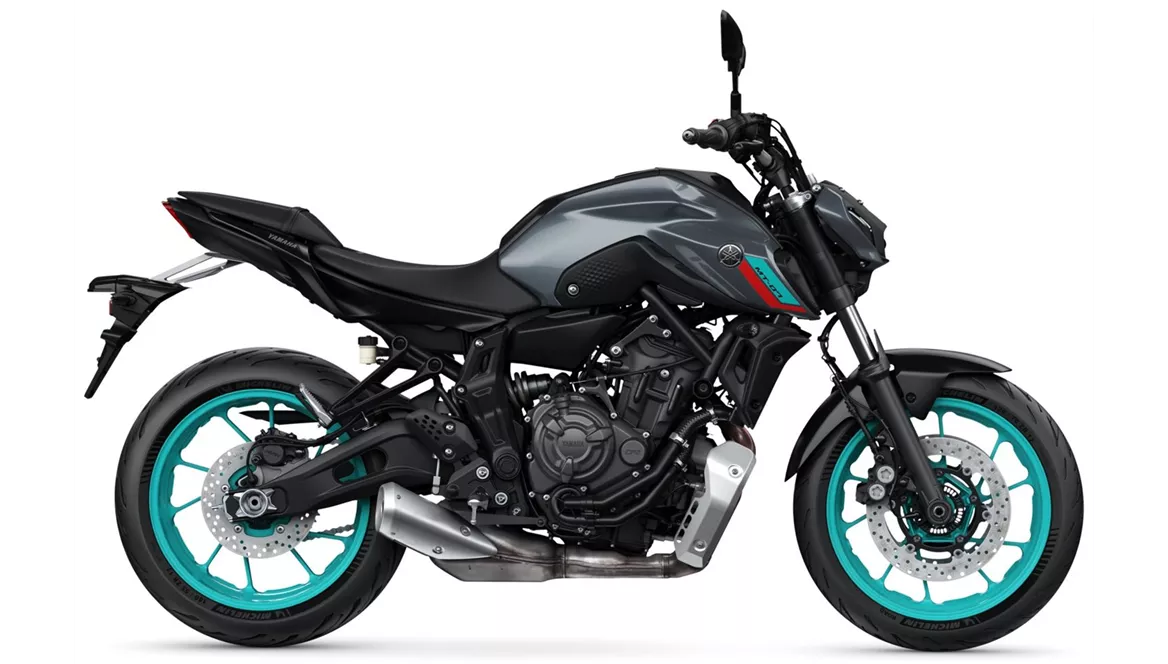
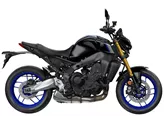
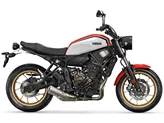
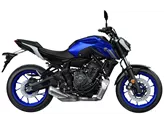
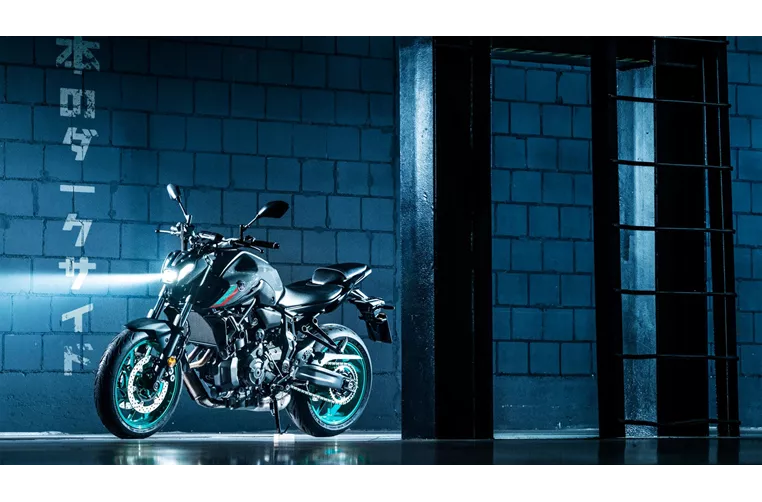
Yamaha MT-07 2022
Overview - Yamaha XSR900 2016 vs Yamaha MT-07 2022
The Yamaha XSR900 model year 2016 and the Yamaha MT-07 model year 2022 are both naked bikes from Yamaha, but they have some notable differences in terms of specifications and features.
Starting with the engine and drive train, the Yamaha XSR900 is equipped with an in-line three-cylinder engine that delivers 115 horsepower and 87.5 Nm of torque. On the other hand, the Yamaha MT-07 features an in-line two-cylinder engine with a power output of 73.4 horsepower and 67 Nm of torque. The XSR900 has a larger displacement of 847cc compared to the MT-07's 689cc.
In terms of suspension, both bikes have a swing arm rear suspension and a monoshock absorber. However, the XSR900 is equipped with an upside-down telescopic fork for the front suspension, while the MT-07 has a regular telescopic fork. This difference in suspension design may result in variations in handling and ride comfort.
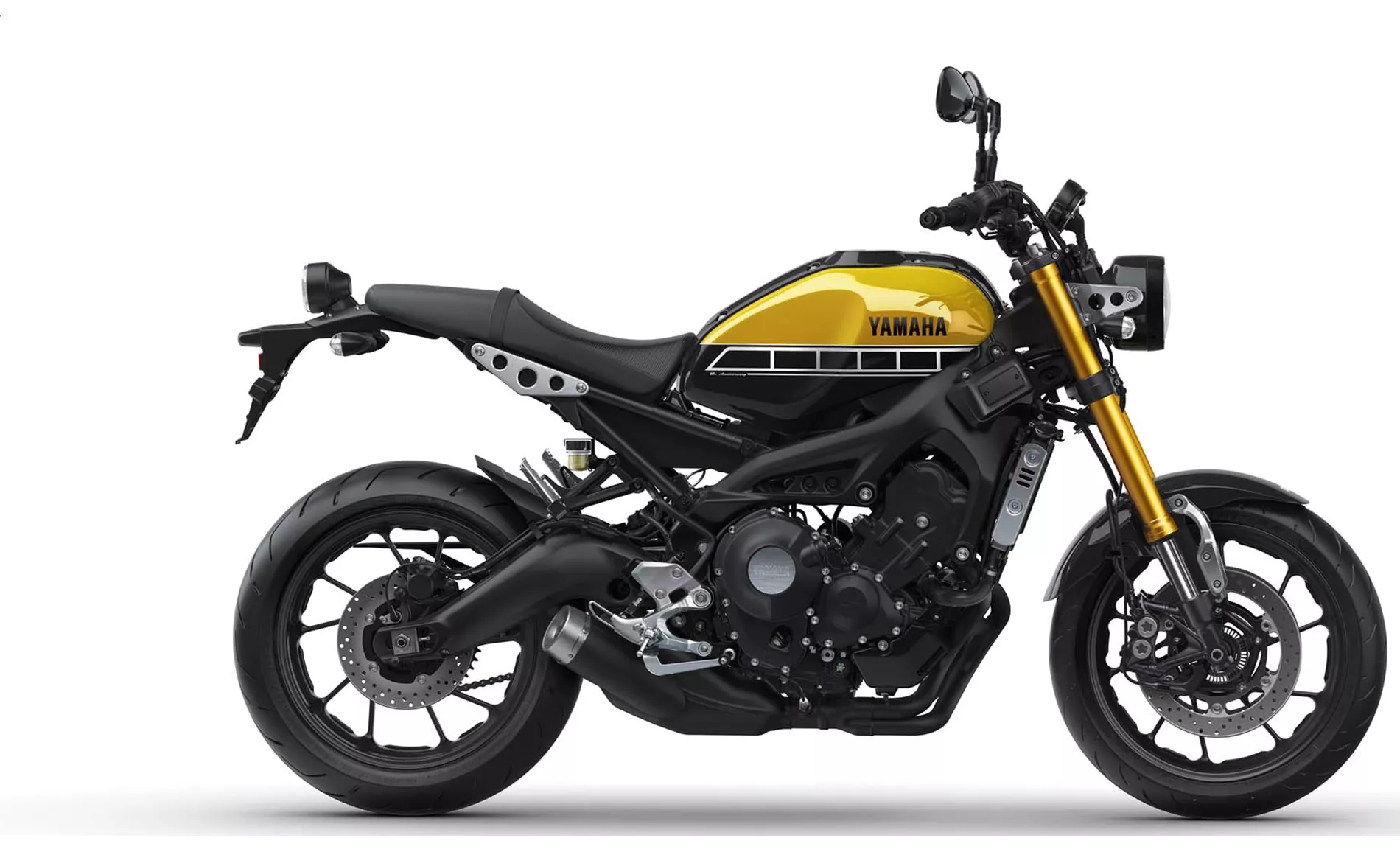
Yamaha XSR900 2016
The chassis of the XSR900 is made of aluminum, which provides a lightweight and rigid frame. On the other hand, the MT-07 has a steel frame. While aluminum frames are generally preferred for their lighter weight, steel frames can offer better durability and stability.
Both bikes have double disk brakes with a diameter of 298mm at the front, providing reliable stopping power. They also come with ABS as standard, ensuring enhanced safety during braking.
In terms of dimensions and weights, the XSR900 has a slightly longer wheelbase of 1440mm compared to the MT-07's 1400mm. The seat height of the XSR900 is also slightly higher at 815mm, while the MT-07 has a seat height of 805mm. The XSR900 is slightly heavier with a kerb weight of 191kg, while the MT-07 weighs 184kg.
Both bikes have a fuel tank capacity of 14 liters and share the same tire dimensions, with a front tire width of 120mm and a rear tire width of 180mm, both with a diameter of 17 inches.
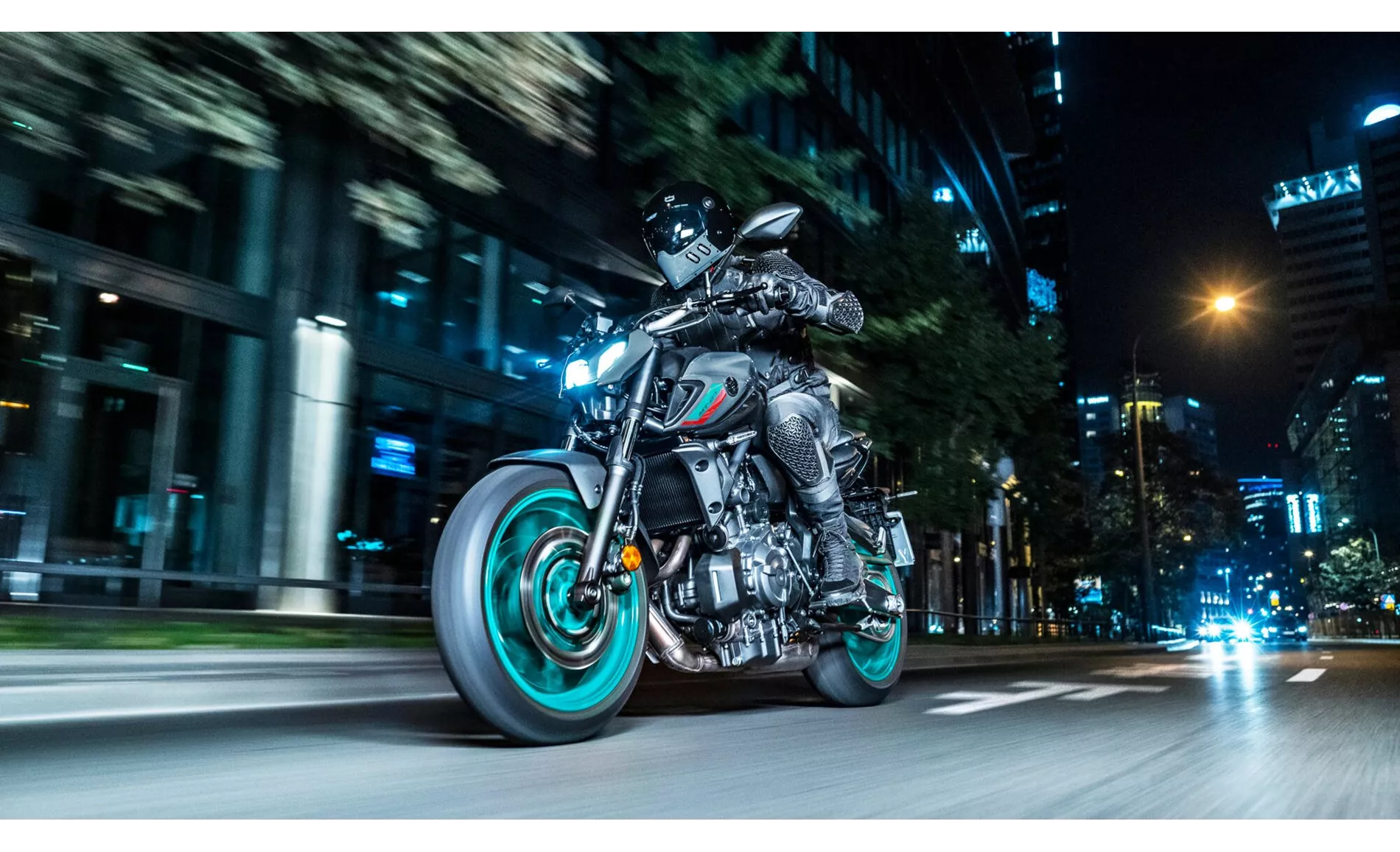
Yamaha MT-07 2022
Now, let's discuss the strengths and weaknesses of each bike. The Yamaha XSR900 2016 boasts a powerful and responsive engine, well-tuned riding modes, and standard ABS and TC for added safety. It also features an authentic modern design and clean workmanship. However, it has a hard chassis, and the seat could be more comfortable. Additionally, the speedblock design is already present on many other Yamaha models, which may make it less distinctive.
On the other hand, the Yamaha MT-07 2022 is praised for its lively and powerful engine, delivering a good sound experience. It offers a comfortable seating position and a reliable braking system. The instruments are easy to read, providing clear information to the rider. However, the chassis of the MT-07 is not adjustable, which may limit customization options for some riders. It also lacks a TFT display, which is a more advanced and modern feature found in some other motorcycles.
In conclusion, the Yamaha XSR900 2016 and the Yamaha MT-07 2022 are both impressive naked bikes from Yamaha, each with its own strengths and weaknesses. The XSR900 offers a more powerful engine and a higher level of refinement, while the MT-07 provides a lively riding experience and a comfortable seating position. Ultimately, the choice between these two models will depend on the rider's preferences and priorities.
Technical Specifications Yamaha XSR900 2016 compared to Yamaha MT-07 2022
Pros and Cons in comparison
Pros and Cons in comparison
Yamaha XSR900 2016
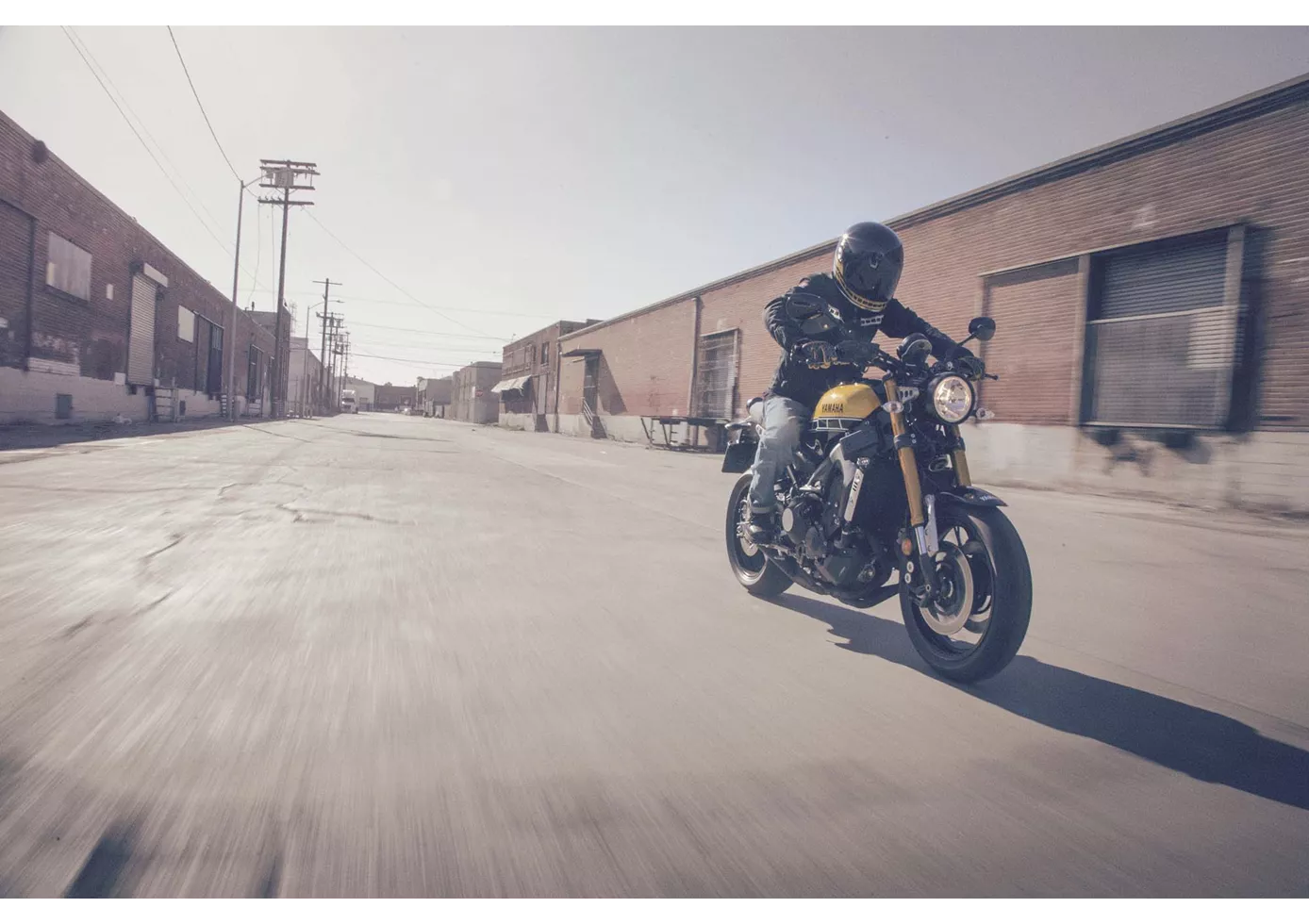
The Yamaha XSR900 is a classic case of optical illusion – with its round headlight, angular fuel tank and mounted rear light, it clearly comes across as a retro bike. However, it’s no coincidence that its performance is reminiscent of the powerful mid-range naked bike, the Yamaha MT-09, as that is the extremely sporty basis for the XSR900. The engine is therefore a real force to be reckoned with, and the brakes, as you’d expect, bite with real ferocity. Fortunately, the engineers haven’t gone overboard with the suspension; the XSR900 offers plenty of comfort, and the upright riding position is more relaxed than one might expect given the engine’s powerful acceleration. Within the retro bike segment, the XSR900 is yet one of the sportiest models overall.
Yamaha MT-07 2022
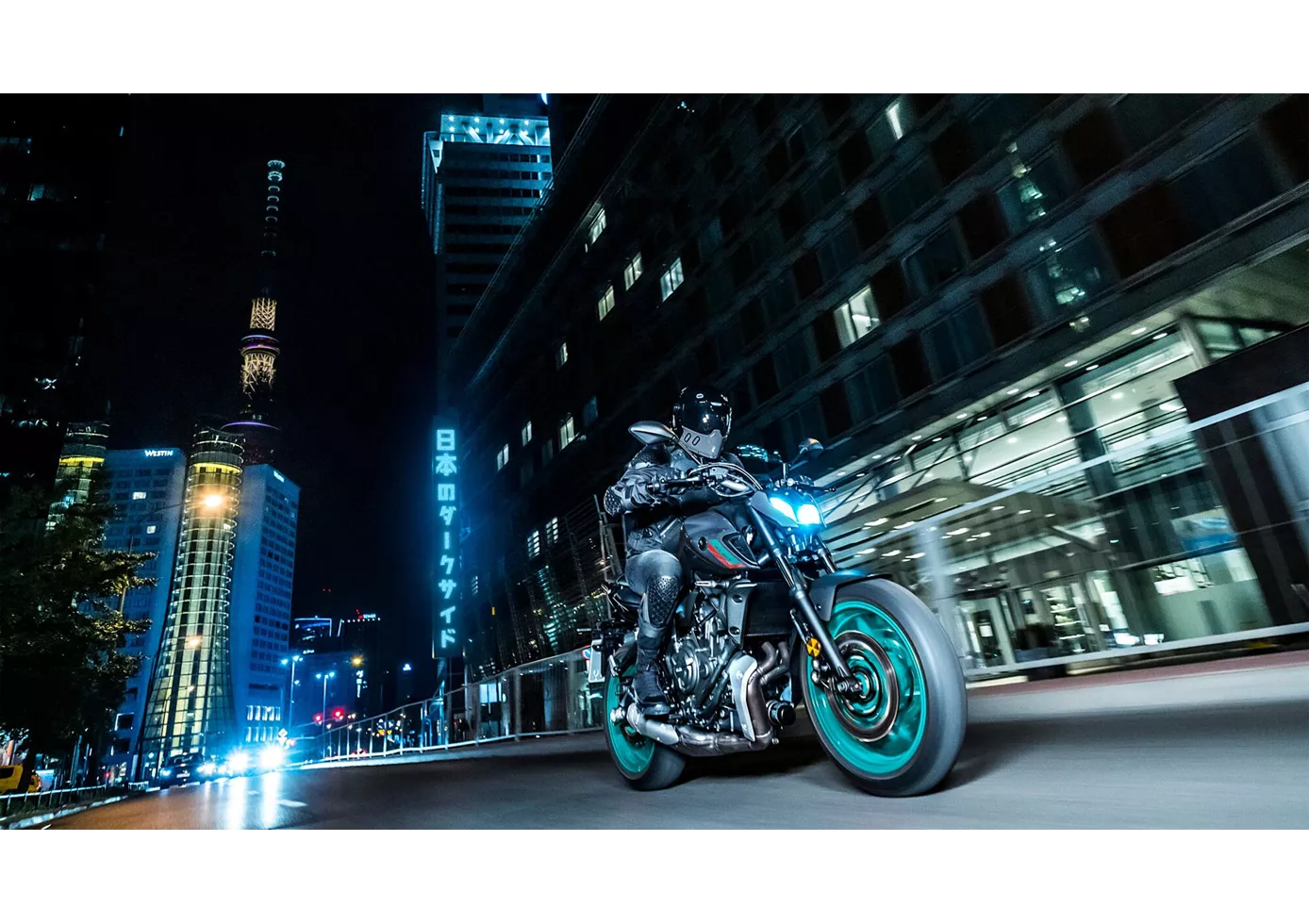
In model year 2023, the MT-07 is still a good and universally usable motorbike. Its problem is the tough competition. In a direct comparison, the engine now seems a bit limp and the equipment a bit uninspiring. The good riding position and uncomplicated handling are still good.
Price Comparison Average Market Price Yamaha XSR900 vs Yamaha MT-07
There are a few key differences between a Yamaha XSR900 2016 and a Yamaha MT-07 2022. In terms of price, the actual average price of a Yamaha MT-07 2022 is about 9% higher. Compared to Yamaha MT-07 2022 there are less Yamaha XSR900 2016 bikes available on the 1000PS.de Marketplace, specifically 5 compared to 52. It takes less time to sell a Yamaha XSR900 with 77 days compared to 109 days for a Yamaha MT-07. Since model year 2016 1000PS.de editors have written 30 reviews for the Yamaha XSR900 and 69 reviews for the Yamaha MT-07 since model year 2013. The first review for the Yamaha XSR900 was published on 25/11/2015 and now has more than 17,600 views. This compares to more than 12,600 views for the first review on Yamaha MT-07 published on 04/11/2013.