Kawasaki Z900 2017 vs. Kawasaki Z900 RS 2021
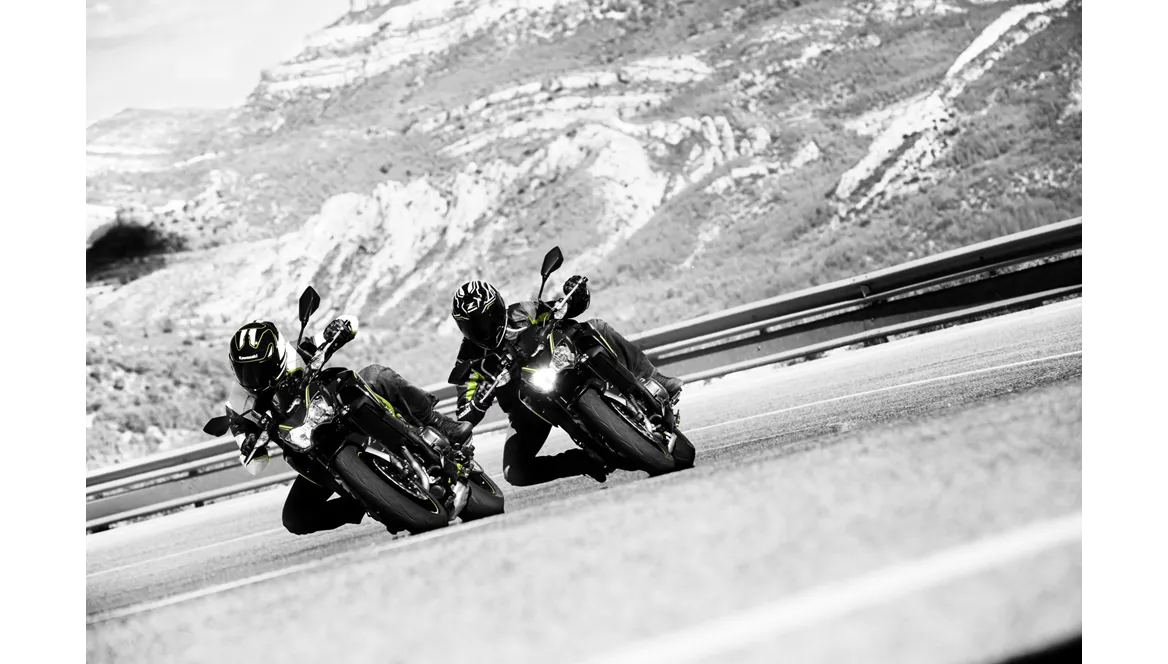
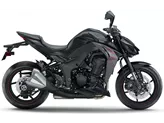
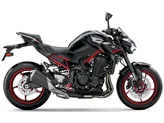
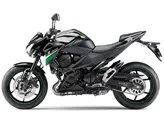
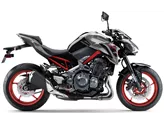
Kawasaki Z900 2017
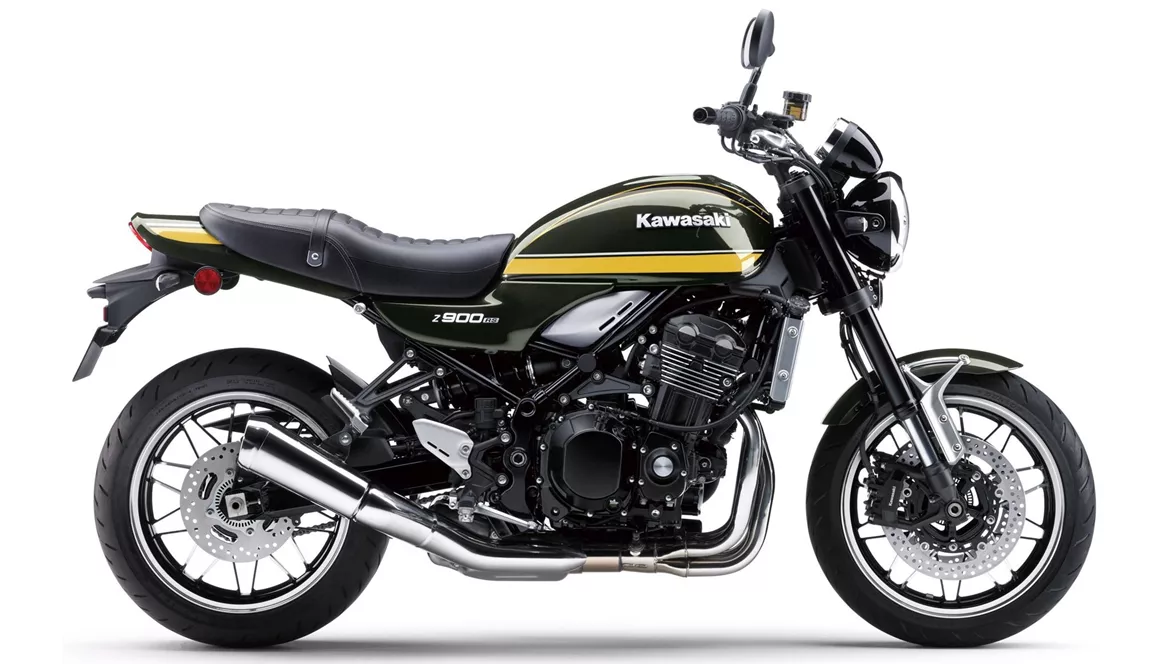
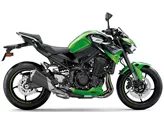
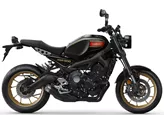
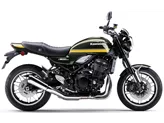
Kawasaki Z900 RS 2021
Overview - Kawasaki Z900 2017 vs Kawasaki Z900 RS 2021
The Kawasaki Z900 model year 2017 and the Kawasaki Z900 RS model year 2021 are both naked bikes with similar technical specifications. They both have an in-line engine with a displacement of 948cc and a liquid cooling system. The engine power of the Z900 is slightly higher at 125.4 HP compared to the Z900 RS which has 111 HP. However, both bikes have the same torque of 98.6 Nm.
In terms of suspension, both bikes have upside-down telescopic forks at the front and a swing arm suspension with a monoshock at the rear. The suspension adjustments for both bikes include preload and rebound. The Z900 RS also offers compression adjustment for the front suspension.
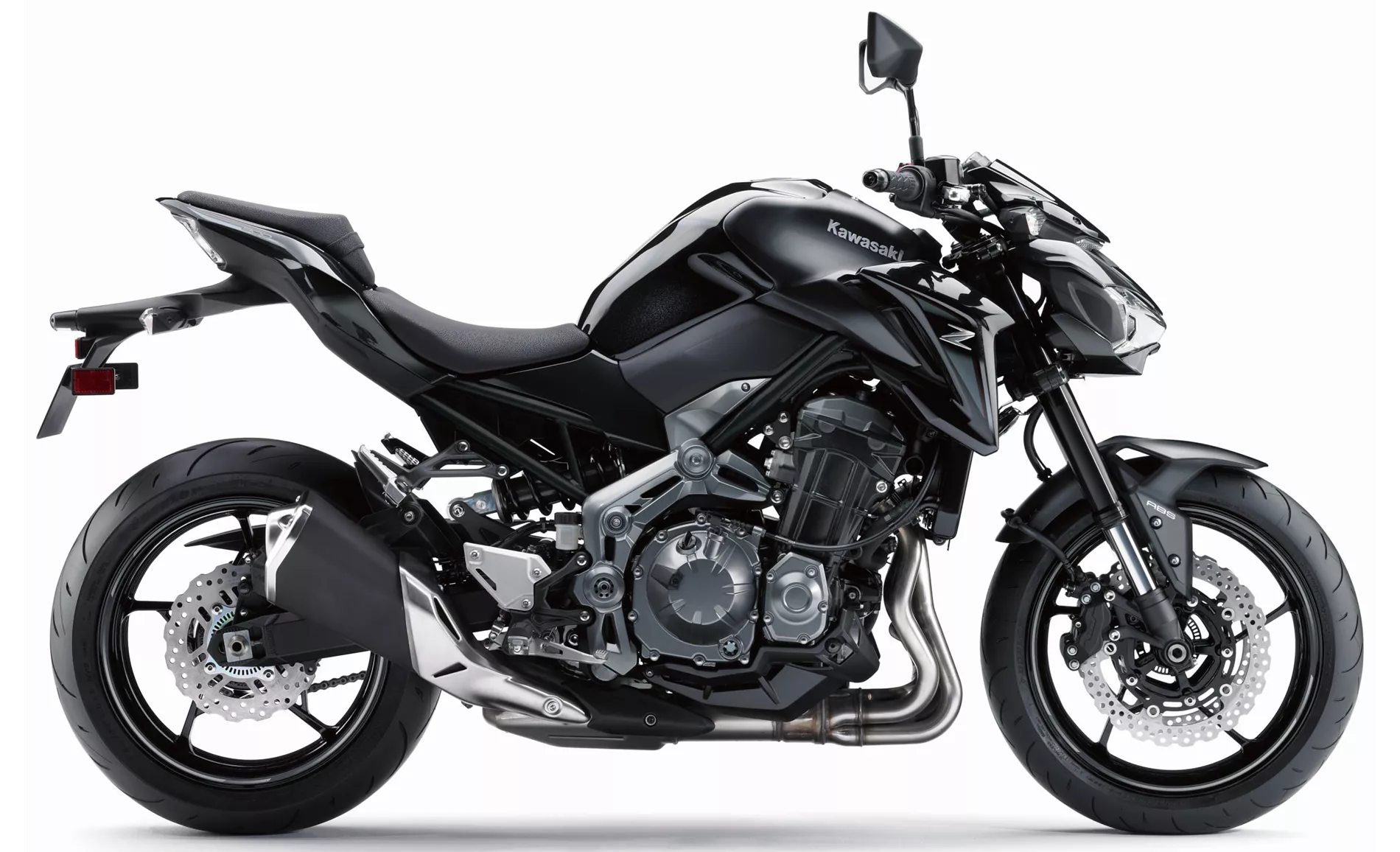
Kawasaki Z900 2017
Both bikes have a steel frame, but the Z900 has a double cradle frame while the Z900 RS has a tubular frame. The braking system for both bikes consists of double disk brakes with a diameter of 300mm and four pistons. Additionally, both bikes are equipped with ABS as an advanced rider assistance system. However, the Z900 RS also features traction control.
In terms of dimensions and weights, both bikes have the same front and rear tire widths and diameters. The wheelbase of the Z900 RS is slightly longer at 1470mm compared to the Z900 which has a wheelbase of 1450mm. The seat height of the Z900 RS is also higher at 835mm compared to the Z900 which has a seat height of 795mm. The kerb weight of the Z900 RS is slightly heavier at 215kg compared to the Z900 which weighs 210kg with ABS.
The Kawasaki Z900 2017 has several strengths including its ingenious naked bike chassis, superb looks, and a responsive engine with a well-balanced torque. It is also praised for offering a good intersection of performance, price, and practical use. However, one weakness of the Z900 is its narrow knee angle which may be uncomfortable for taller riders.
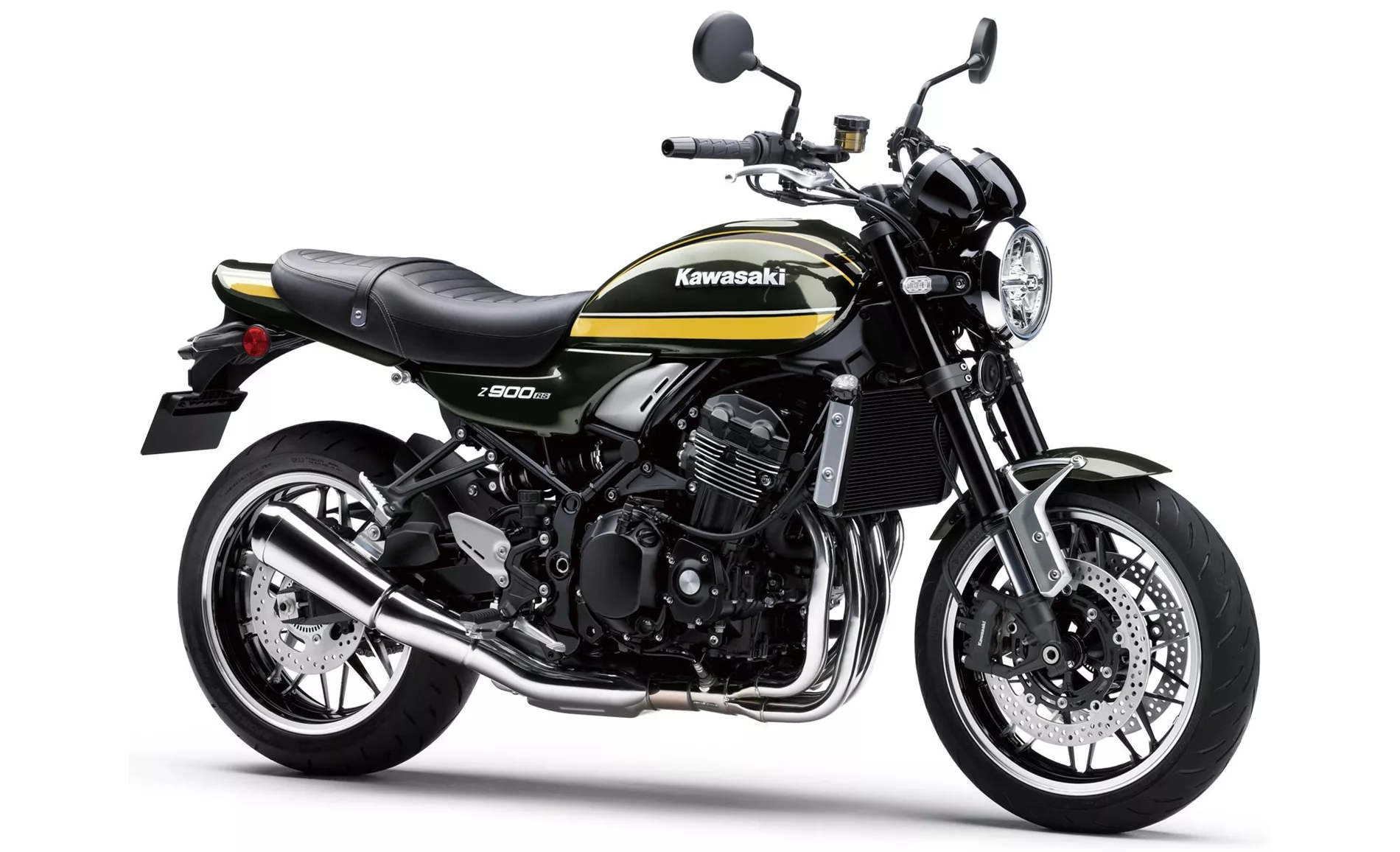
Kawasaki Z900 RS 2021
On the other hand, the Kawasaki Z900 RS 2021 has a retro look that is highly praised for its authenticity and beauty. It also offers a very comfortable seating position and is considered easy and comfortable to ride. However, it lacks a quickshifter and driving modes, although it does have adjustable traction control.
In conclusion, both the Kawasaki Z900 2017 and the Kawasaki Z900 RS 2021 are impressive naked bikes with their own strengths and weaknesses. The Z900 offers a higher engine power and a more affordable price, while the Z900 RS provides a retro look and a more comfortable riding experience. Ultimately, the choice between the two will depend on the rider's preferences and priorities.
Technical Specifications Kawasaki Z900 2017 compared to Kawasaki Z900 RS 2021
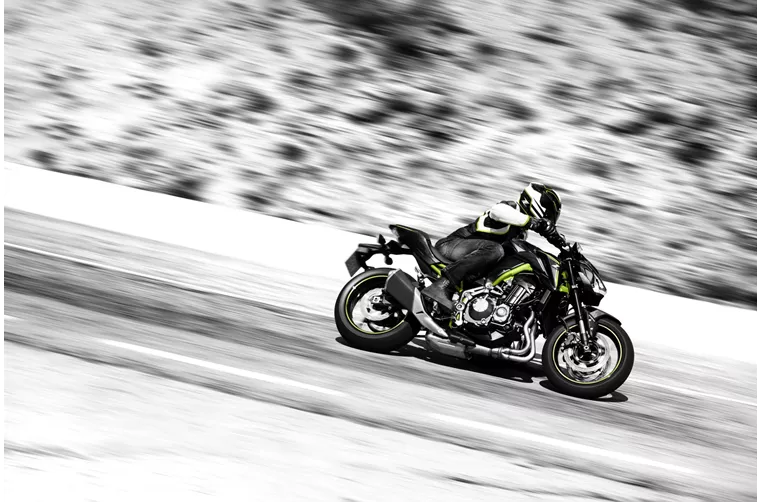
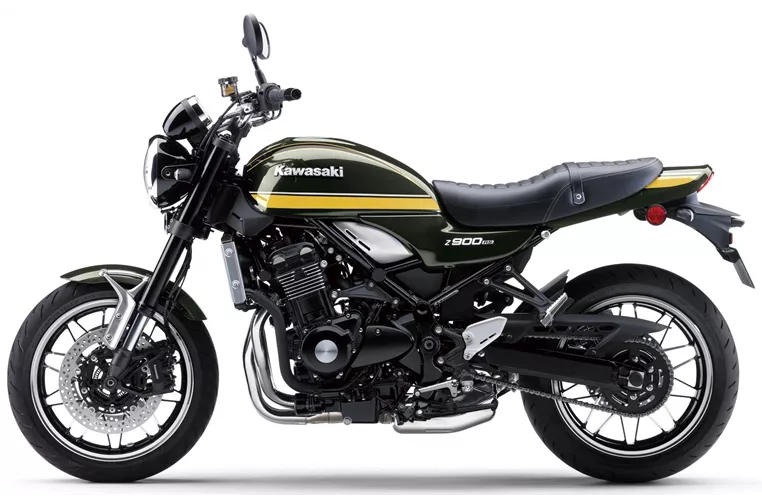
Pros and Cons in comparison
Pros and Cons in comparison
Kawasaki Z900 2017
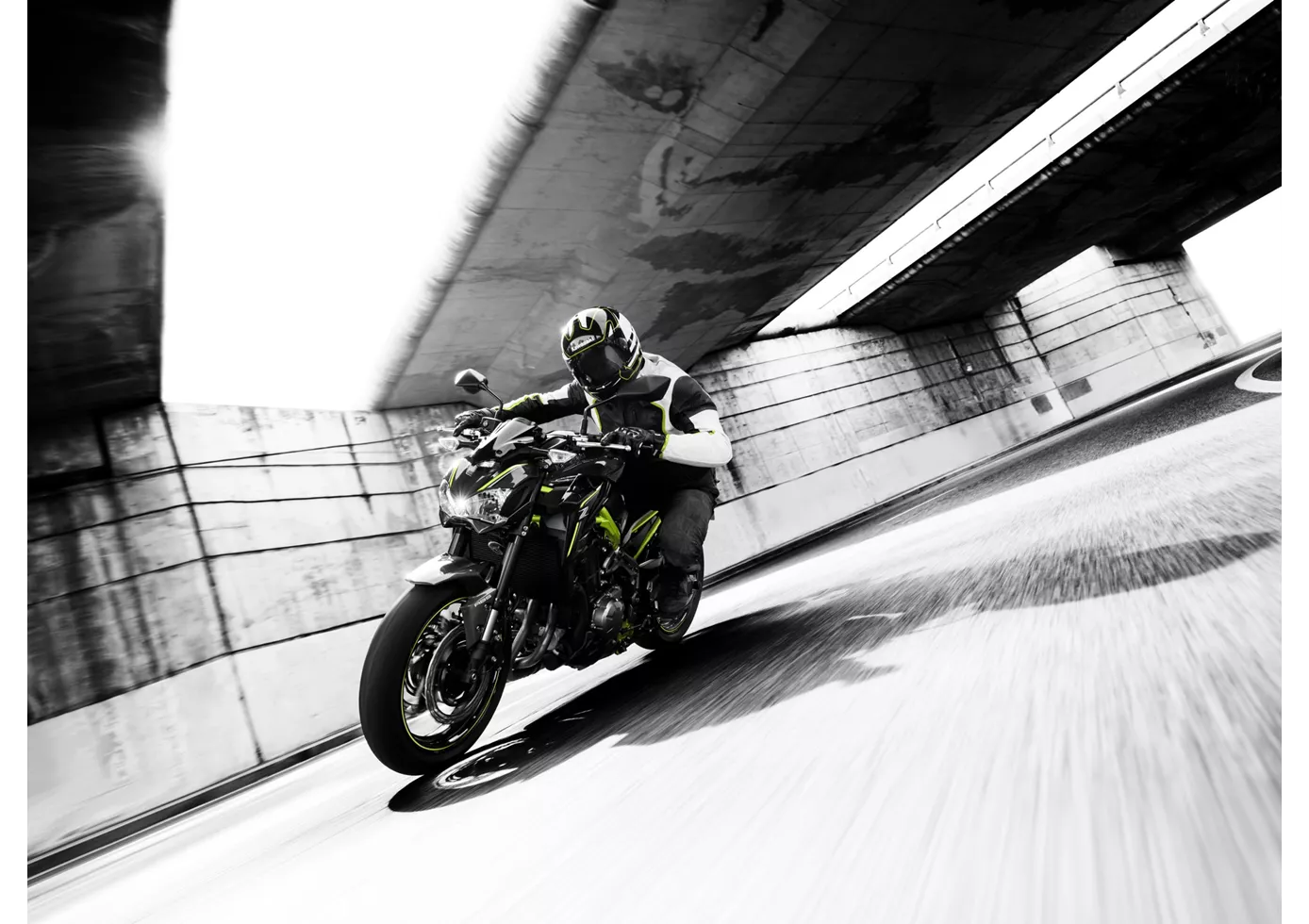
Fortunately, the new Kawasaki Z900 has lost none of its character through the use of electronics. It is and remains a playful mid-range naked bike, which at the same time masters the brisk pace on the country road magnificently. The riding pleasure and suitability for everyday use are high, the now installed riding aids offer a plus in safety. Your opponents will have a really hard time from now on.
Kawasaki Z900 RS 2021
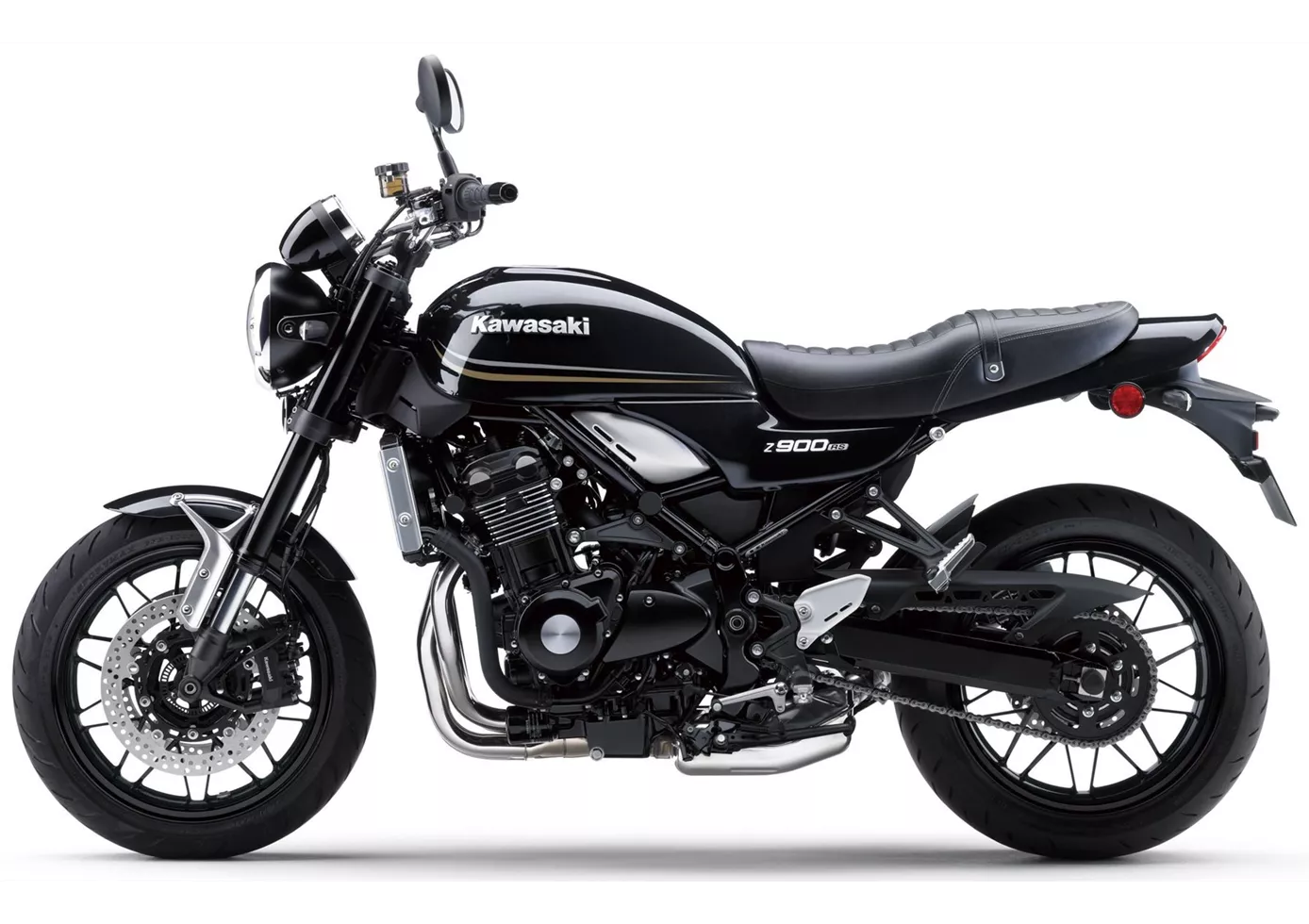
The Kawasaki Z900 RS is the perfect combination of classic design and modern technology. Its four-cylinder Inline engine, which runs silky smooth, delivers linear power and impressive elasticity across the entire rev range. The suspension strikes an ideal balance between comfort and stability, making it perfect for both long-distance riding and sporty riding. Despite the lack of a windscreen, the Z900 RS impresses with a comfortable riding position and agile riding performance. Aesthetically, it pays homage to the legendary Z1, whilst modern features such as traction control and high-quality build quality round off a very successful overall package. For anyone looking to combine a retro look with modern power, the Z900 RS is a reliable and versatile companion, both for everyday use and for longer tours.
Price Comparison Average Market Price Kawasaki Z900 vs Kawasaki Z900 RS
There are a few key differences between a Kawasaki Z900 2017 and a Kawasaki Z900 RS 2021. In terms of price, the actual average price of a Kawasaki Z900 RS 2021 is about 22% higher. Compared to Kawasaki Z900 RS 2021 there are more Kawasaki Z900 2017 bikes available on the 1000PS.de Marketplace, specifically 43 compared to 14. It takes less time to sell a Kawasaki Z900 with 85 days compared to 125 days for a Kawasaki Z900 RS. Since model year 2017 1000PS.de editors have written 46 reviews for the Kawasaki Z900 and 26 reviews for the Kawasaki Z900 RS since model year 2018. The first review for the Kawasaki Z900 was published on 11/11/2016 and now has more than 93,200 views. This compares to more than 63,700 views for the first review on Kawasaki Z900 RS published on 06/09/2017.