BMW R 1250 RS 2019 vs. Kawasaki Z1000SX 2017

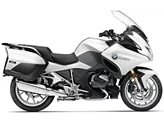
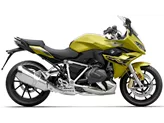
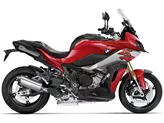
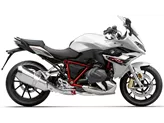
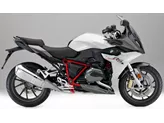
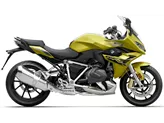
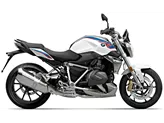
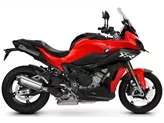
BMW R 1250 RS 2019

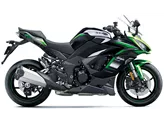
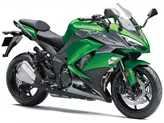
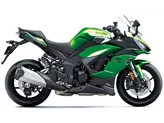
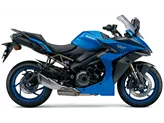
Kawasaki Z1000SX 2017
Overview - BMW R 1250 RS 2019 vs Kawasaki Z1000SX 2017
The BMW R 1250 RS 2019 and the Kawasaki Z1000SX 2017 are both sport touring motorcycles that offer a combination of sporty performance and comfortable long-distance riding capabilities.
In terms of engine and drive train, the BMW R 1250 RS is equipped with a Boxer engine that delivers 136 HP of power and 143 Nm of torque. On the other hand, the Kawasaki Z1000SX features an inline 4-cylinder engine that produces slightly more power at 142 HP, but less torque at 111 Nm. The BMW R 1250 RS has a transmission system that uses a prop shaft, while the Kawasaki Z1000SX utilizes a chain drive.
Both motorcycles have similar suspension setups, with upside-down telescopic forks at the front and a monoshock at the rear. However, the BMW R 1250 RS offers slightly more travel in both the front and rear suspension, providing a more comfortable ride over uneven surfaces. The BMW R 1250 RS also offers adjustable preload and rebound settings for the rear suspension, allowing riders to fine-tune their riding experience.

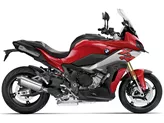
BMW R 1250 RS 2019
In terms of chassis, the BMW R 1250 RS features a steel frame, while the Kawasaki Z1000SX has an aluminum frame. The choice of materials affects the overall weight and handling characteristics of the motorcycles, with the BMW R 1250 RS being slightly heavier at 243 kg compared to the Kawasaki Z1000SX at 235 kg.
Both motorcycles are equipped with double disk brakes at the front, but the BMW R 1250 RS has larger 320 mm diameter disks compared to the 300 mm disks on the Kawasaki Z1000SX. The BMW R 1250 RS also features radial brake technology, which provides better braking performance and control. Additionally, the BMW R 1250 RS comes with advanced rider assistance systems such as ABS, anti-slipping control, riding modes, and ride by wire, while the Kawasaki Z1000SX offers ABS and traction control.

Kawasaki Z1000SX 2017
In terms of dimensions, both motorcycles have similar front tire widths of 120 mm and front tire diameters of 17 inches. However, the Kawasaki Z1000SX has a wider rear tire at 190 mm compared to the 180 mm rear tire on the BMW R 1250 RS. The Kawasaki Z1000SX also has a slightly shorter wheelbase at 1440 mm compared to the 1530 mm wheelbase of the BMW R 1250 RS. The seat height of the Kawasaki Z1000SX is also lower at 815 mm compared to the 820 mm seat height of the BMW R 1250 RS.
In terms of weaknesses, the BMW R 1250 RS could benefit from a higher windshield, as some riders may find wind protection to be insufficient. Additionally, many of the features on the BMW R 1250 RS come at an extra cost, which can increase the overall price of the motorcycle. On the other hand, the Kawasaki Z1000SX is sensitive to tire choice, meaning that selecting the right tires for optimal performance can be crucial.
In conclusion, both the BMW R 1250 RS 2019 and the Kawasaki Z1000SX 2017 offer a combination of sporty performance and touring capabilities. The BMW R 1250 RS excels in terms of handling, engine performance, and advanced rider assistance systems, while the Kawasaki Z1000SX offers a great tuned engine and strong brakes. Ultimately, the choice between the two motorcycles will depend on individual preferences and priorities.
Technical Specifications BMW R 1250 RS 2019 compared to Kawasaki Z1000SX 2017


Pros and Cons in comparison
Pros and Cons in comparison
BMW R 1250 RS 2019

A great engine in a pretty dress is not everything. The standard equipment of the BMW R 1250 RS is disappointing; neither quickshifter nor cruise control are included, which is no longer in keeping with the times in 2021. Ergonomically, the Bavarian can be adapted to almost any rider. The ESA suspension is great and a must-have extra, especially when there are two of you. In tight bends, the RS's weight is indisputable; here it seems almost sluggish. The wider the radii, the more confident you are on the BMW. Wind and weather protection are good, although a slightly higher windshield would be desirable.
Kawasaki Z1000SX 2017

The nakedbike genes of the original Z1000 have fortunately been retained in the right areas, but the bike has been consistently tuned for touring suitability. An adapted seating position with a clearly comfortable seat (also and especially for the pillion rider), a finely controllable engine and sufficient wind protection provide the optimal basis for long, extensive and not least sporty rides. The rather compact knee angle might cause some of you to take an early break on long rides. In return, however, you get an upright riding position in which you can freely develop your upper body. The Z1000SX is a reduced to the essential touring bike with a top price-performance ratio! One thing in particular stood out: you don't always have to have all the electronic "helpers" on board to create a sporty bike that rides very well - a TOP sports tourer at a favourable price compared to the other two bikes!
Price Comparison Average Market Price BMW R 1250 RS vs Kawasaki Z1000SX
There are a few key differences between a BMW R 1250 RS 2019 and a Kawasaki Z1000SX 2017. There are the same number of bikes of both models available on the 1000PS.de marketplace, specifically 6. It takes less time to sell a BMW R 1250 RS with 76 days compared to 103 days for a Kawasaki Z1000SX. Since model year 2019 1000PS.de editors have written 11 reviews for the BMW R 1250 RS and 14 reviews for the Kawasaki Z1000SX since model year 2011. The first review for the BMW R 1250 RS was published on 06/11/2018 and now has more than 77,400 views. This compares to more than 9,900 views for the first review on Kawasaki Z1000SX published on 05/10/2010.