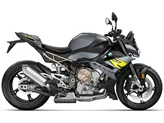
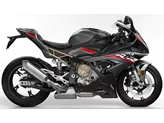
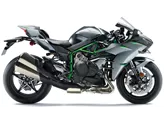
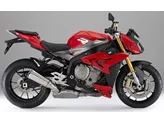
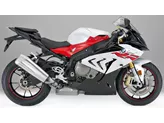
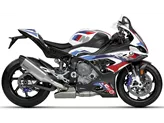
BMW S 1000 RR 2011 vs. Kawasaki Ninja H2 2016
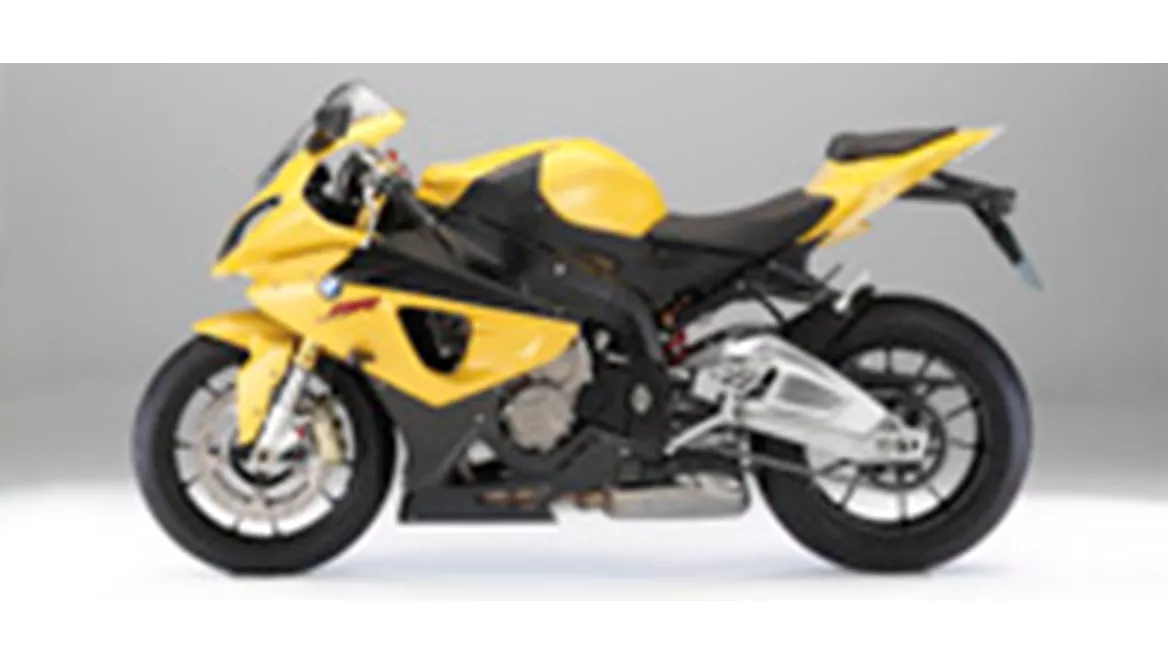
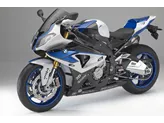
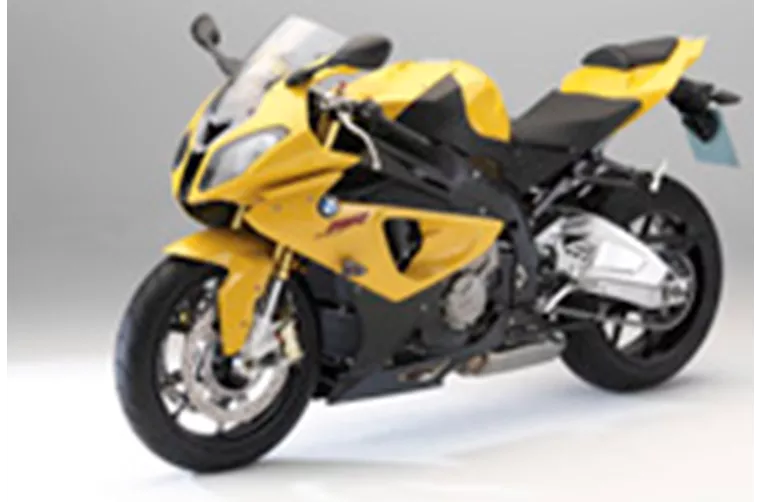
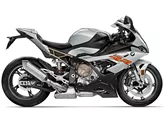
BMW S 1000 RR 2011
BMW S 1000 RR 2011

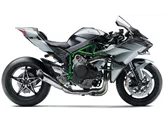
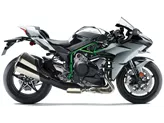
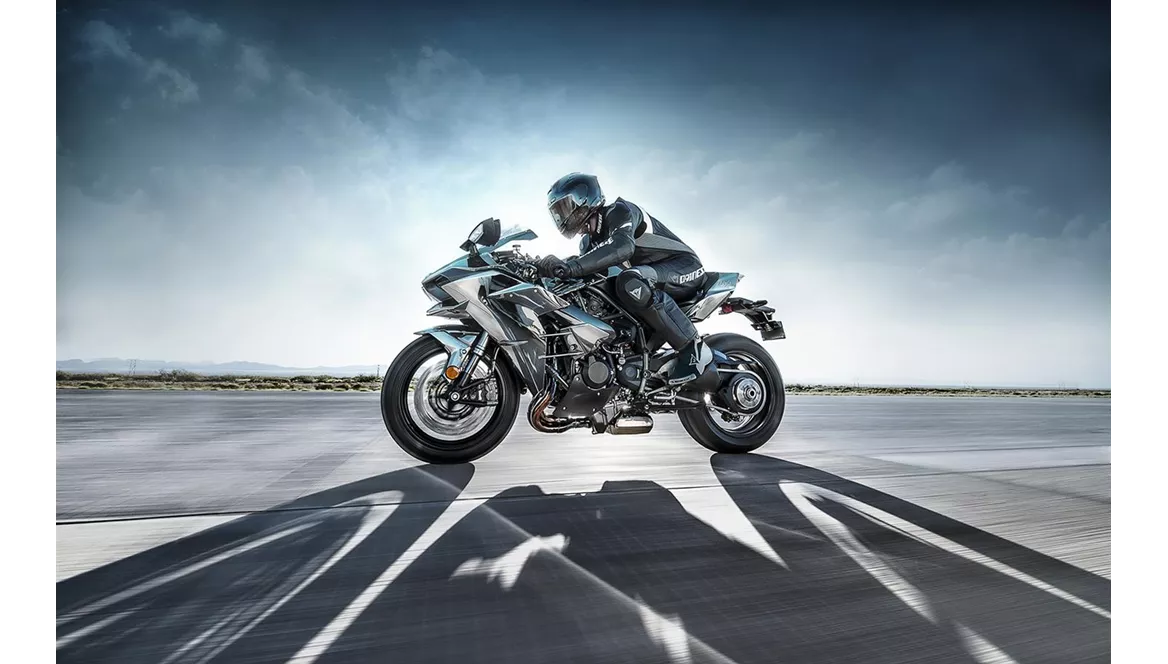
Kawasaki Ninja H2 2016

Kawasaki Ninja H2 2016

Loading...

Technical Specifications BMW S 1000 RR 2011 compared to Kawasaki Ninja H2 2016
BMW S 1000 RR 2011
Kawasaki Ninja H2 2016

Engine and Drive Train

Engine typeEngine typeIn lineEngine typeIn line
BoreBore80 mmBore76 mm
StrokeStroke49.7 mmStroke55 mm
Engine powerEngine power192 HPEngine power200 HP
Rpm at Max. PowerRpm at Max. Power13,000 rpmRpm at Max. Power11,000 rpm
TorqueTorque112 NmTorque133.5 Nm
Rpm at TorqueRpm at Torque9,750 rpmRpm at Torque10,500 rpm
Compression RatioCompression Ratio13 Compression Ratio8.5
Clutch TypeClutch TypeMultiplate in oil-bath, AntihoppingClutch TypeMultiplate in oil-bath
TransmissionTransmissionChainTransmissionChain
Number of gearsNumber of gears6Number of gears6
CylindersCylinders4Cylinders4
DisplacementDisplacement999 ccmDisplacement998 ccm

Suspension Front

Front suspensionFront suspensionTelescopic forkFront suspensionTelescopic fork

Suspension Rear

SuspensionSuspensionSwing armSuspensionSingle swing arm

Chassis

FrameFrameAluminiumFrameSteel
Frame typeFrame typeTwin TubeFrame typeTubular

Brakes Front

TypeTypeDouble diskTypeDouble disk
PistonPistonFour pistonsPistonFour pistons
TechnologyTechnologyradialTechnologyradial

Brakes Rear

TypeTypeDiscTypeDisc
PistonPistonSingle pistonPistonDouble piston

Dimensions and Weights

Front tyre widthFront tyre width120 mmFront tyre width120 mm
Front tyre heightFront tyre height70 %Front tyre height70 %
Rear tyre widthRear tyre width190 mmRear tyre width200 mm
Rear tyre heightRear tyre height55 %Rear tyre height55 %
LengthLength2,056 mmLength2,085 mm
WidthWidth826 mmWidth770 mm
HeightHeight1,138 mmHeight1,125 mm
WheelbaseWheelbase1,432 mmWheelbase1,455 mm
Seat HeightSeat Height820 mmSeat Height825 mm
Kerb Weight (with ABS)Kerb Weight (with ABS)207 kgKerb Weight (with ABS)238 kg
Fuel Tank CapacityFuel Tank Capacity17.5 lFuel Tank Capacity17 l
License compliancyLicense compliancyALicense compliancyA

Pros and Cons in comparison

Pros and Cons in comparison

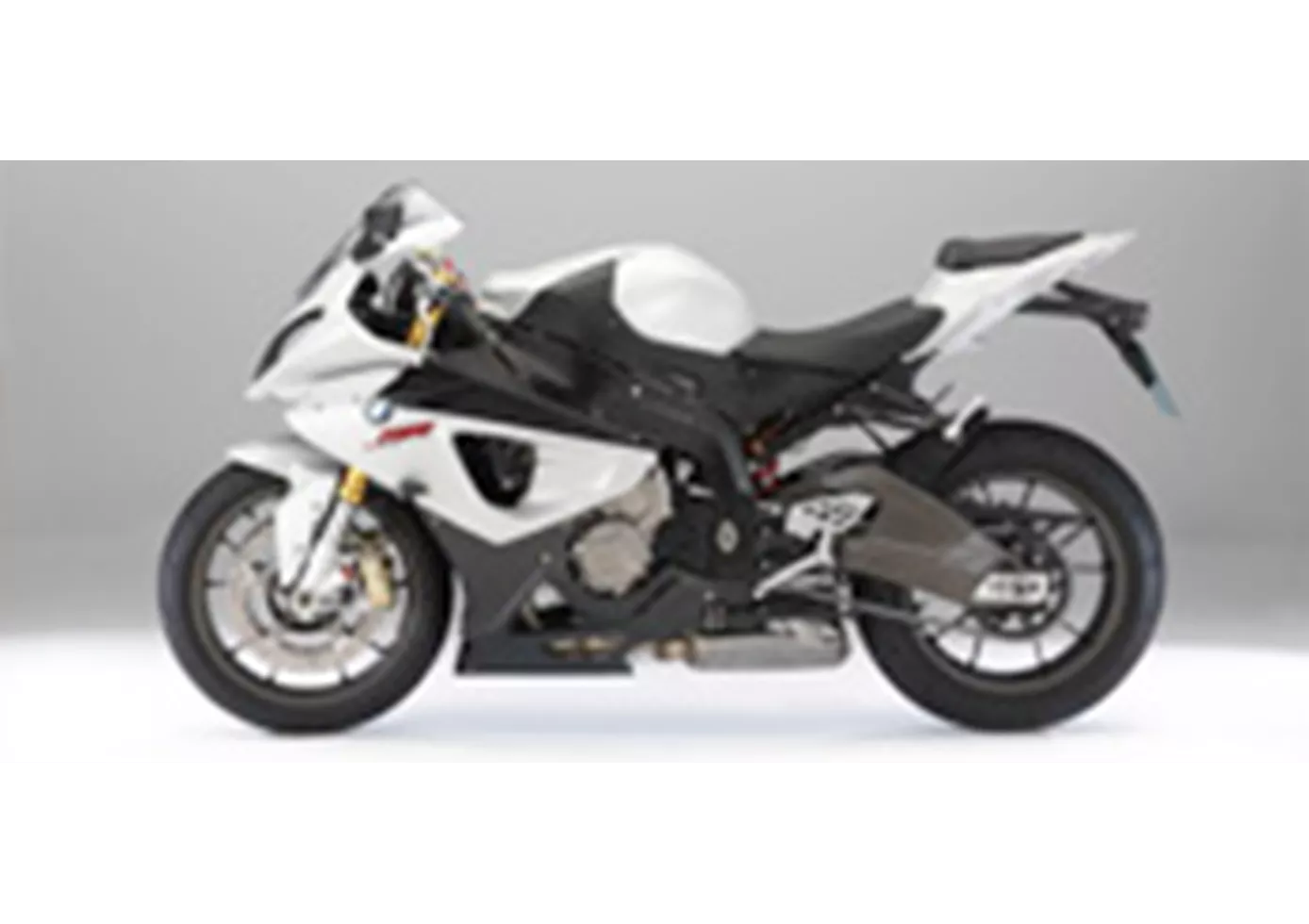
BMW S 1000 RR 2011
BMW S 1000 RR 2011

The most important changes to the S 1000 RR, however, were the numerous small adjustments to the chassis and geometry. Here we now benefit from thousands of test kilometres from the BMW test crew. This is logical evolution and a great step forward.

Improved driveability - optimised torque curve

plenty of power

strong engine

good traction point

immaculately functioning shift assist.

Accelerating load is very fatiguing.

Kawasaki Ninja H2 2016

Kawasaki Ninja H2 2016

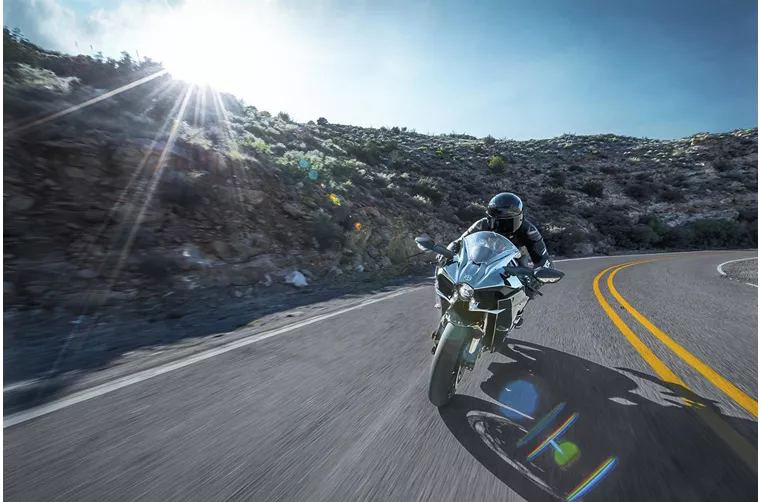
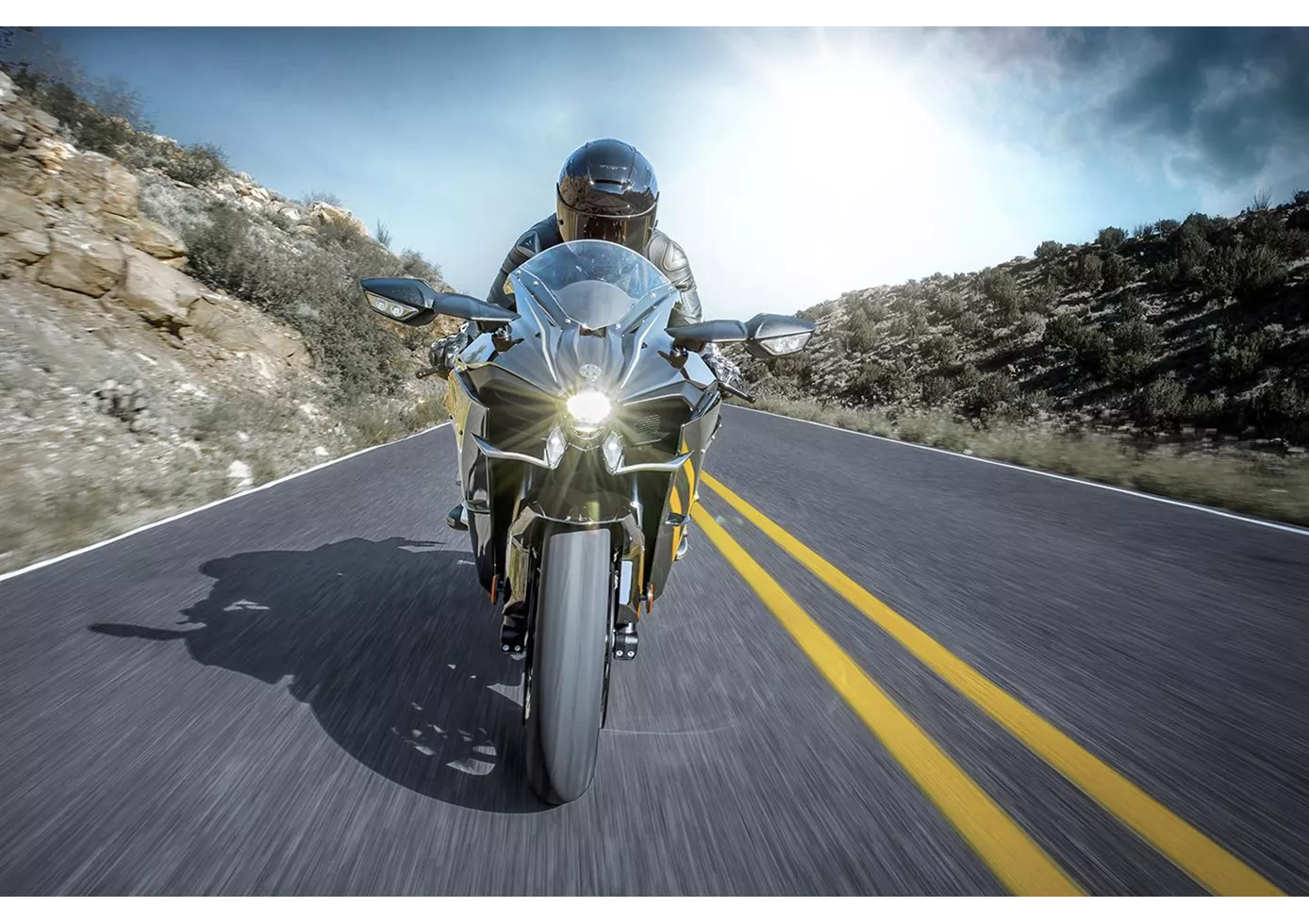
The Ninja H2 represents a milestone in motorbike history. It is not only packed with electronic innovations, but also offers completely new technologies in terms of engine construction and mechanics. This high-tech research object of a Japanese technology company is actually for sale and can also be ridden. Basically, it rides like a normal motorbike, only with considerably more power. At first, the engine response is a challenge, but speed freaks will find a way to ride and enjoy this fascinating motorbike.
Outstanding build quality

fascinating engine with mechanical turbocharger

pull, acceleration and speed on a completely new level

narrow seat ensures safe standing - even for smaller riders

great stability

motorbike inspires a lot of confidence despite high performance

strong brakes

high-quality details

Response behaviour in the transition from pushing mode to acceleration phase not at the level of "normal" motorbikes

understeer in fast bends

from body height 185 cm it could be difficult to integrate the feet into the overall aerodynamic concept - test seat!

Price Comparison Avarage Market Price BMW S 1000 RR vs Kawasaki Ninja H2

Price BMW S 1000 RR

Model year
Current average market prices

Price Kawasaki Ninja H2

Unfortunately, the data available to us is not sufficient to provide meaningful price information for this model.

Alternative Comparisons