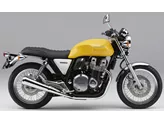
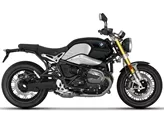
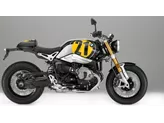
Yamaha XSR900 2016 vs. BMW R nineT 2016
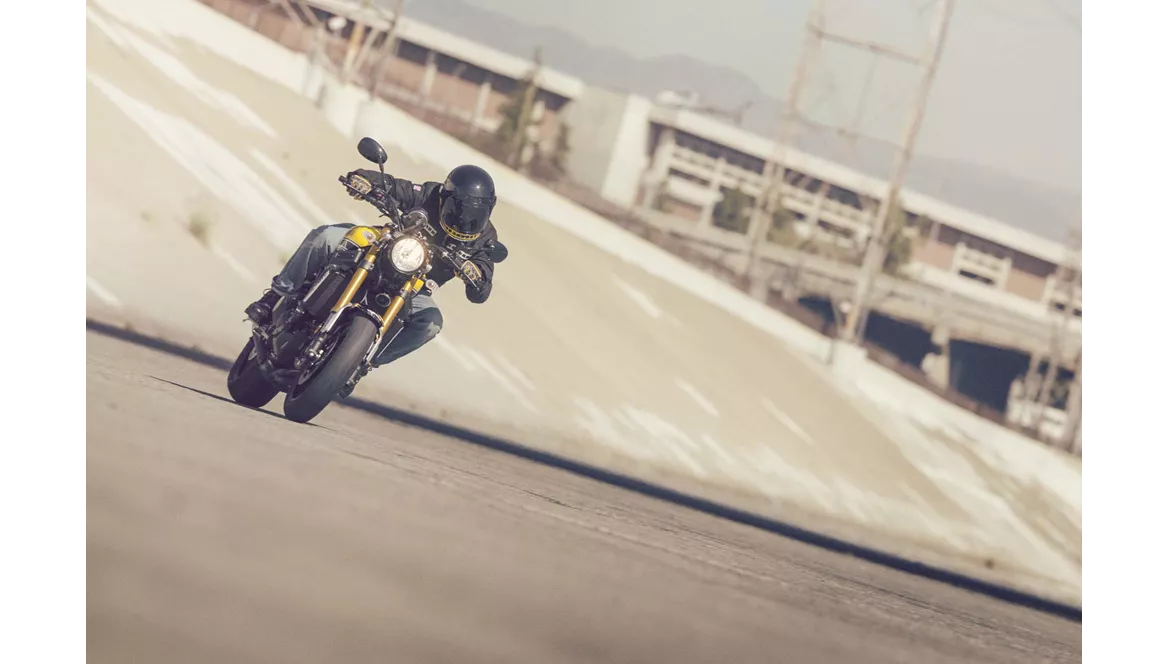
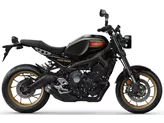
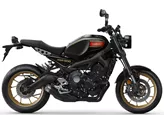
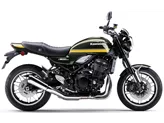
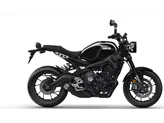
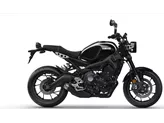
Yamaha XSR900 2016

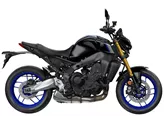
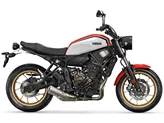
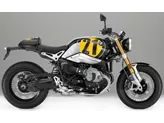
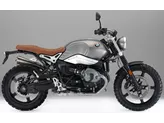
BMW R nineT 2016
Overview - Yamaha XSR900 2016 vs BMW R nineT 2016
In terms of engine and drive train, the Yamaha XSR900 2016 features an in-line engine with 115 horsepower and 87.5 Nm of torque. It has 3 cylinders and is cooled by liquid. The displacement is 847cc. On the other hand, the BMW R nineT 2016 has a boxer engine with 110 horsepower and 119 Nm of torque. It has 2 cylinders and is cooled by oil-air. The displacement is 1170cc.
In terms of suspension, the Yamaha XSR900 2016 has an upside-down telescopic fork for the front suspension and a swing arm for the rear suspension. The BMW R nineT 2016, on the other hand, has a telescopic fork for the front suspension and a paralever for the rear suspension.
In terms of chassis, the Yamaha XSR900 2016 has a twin tube frame type, while the BMW R nineT 2016 has a load-bearing engine frame type.
Both bikes have double disk brakes for the front.
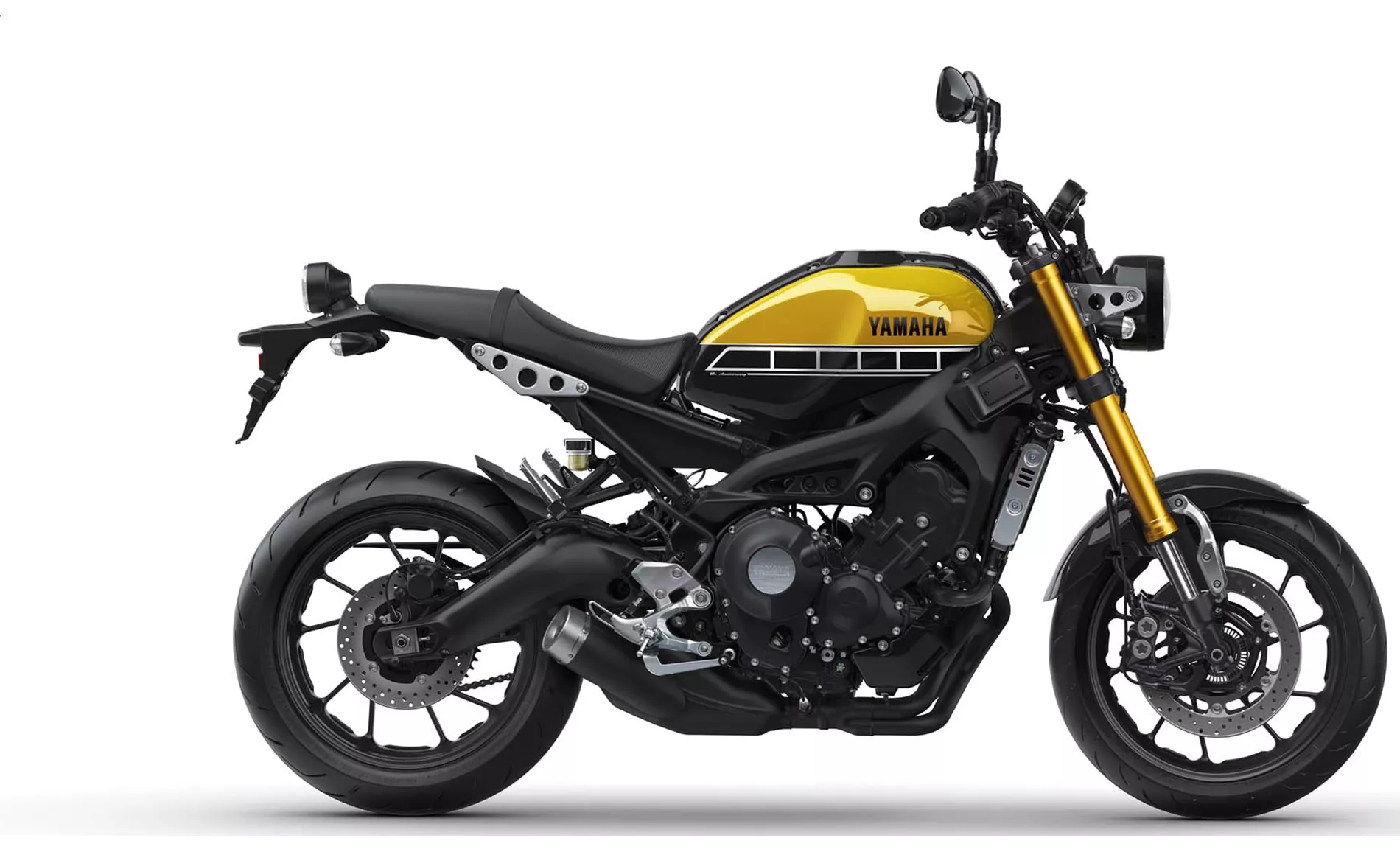
Yamaha XSR900 2016
In terms of dimensions and weights, both bikes have the same front and rear tire width and diameter (120mm and 17 inches, respectively). The Yamaha XSR900 2016 has a wheelbase of 1440mm and a seat height of 815mm. It has a kerb weight (with ABS) of 191kg and a fuel tank capacity of 14 liters. The BMW R nineT 2016 has a slightly longer wheelbase of 1476mm and a lower seat height of 785mm. It has a higher kerb weight (with ABS) of 222kg and a larger fuel tank capacity of 17 liters.
Now let's compare the strengths and weaknesses of each bike.
The Yamaha XSR900 2016 has a greedy engine with well-tuned riding modes. It comes with ABS and TC as standard, and has an authentic modern design with clean workmanship.

BMW R nineT 2016
On the other hand, the BMW R nineT 2016 has solid technology with strong brakes. It has a unique look and a rich sound. The bike also offers fat torque.
In terms of weaknesses, the Yamaha XSR900 2016 has a hard chassis and the seat could be more comfortable. Additionally, the speedblock design is already seen on many other models.
The BMW R nineT 2016 has a hard tuning for bad roads, and the exhaust can be a bit loud in the long run. Some may argue that it is not 100% authentic.
In conclusion, the Yamaha XSR900 2016 and the BMW R nineT 2016 both have their own strengths and weaknesses. The Yamaha offers a greedy engine and well-tuned riding modes, while the BMW provides solid technology and a unique look. Ultimately, the choice between the two will depend on individual preferences and priorities.
Technical Specifications Yamaha XSR900 2016 compared to BMW R nineT 2016
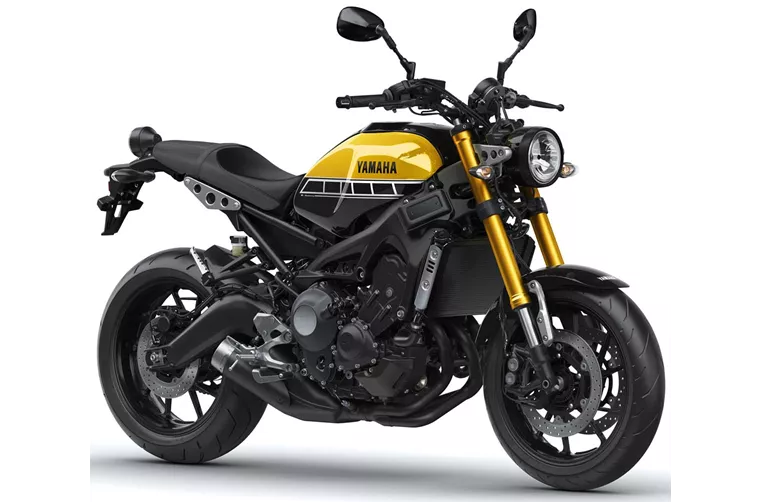

Pros and Cons in comparison
Pros and Cons in comparison
Yamaha XSR900 2016
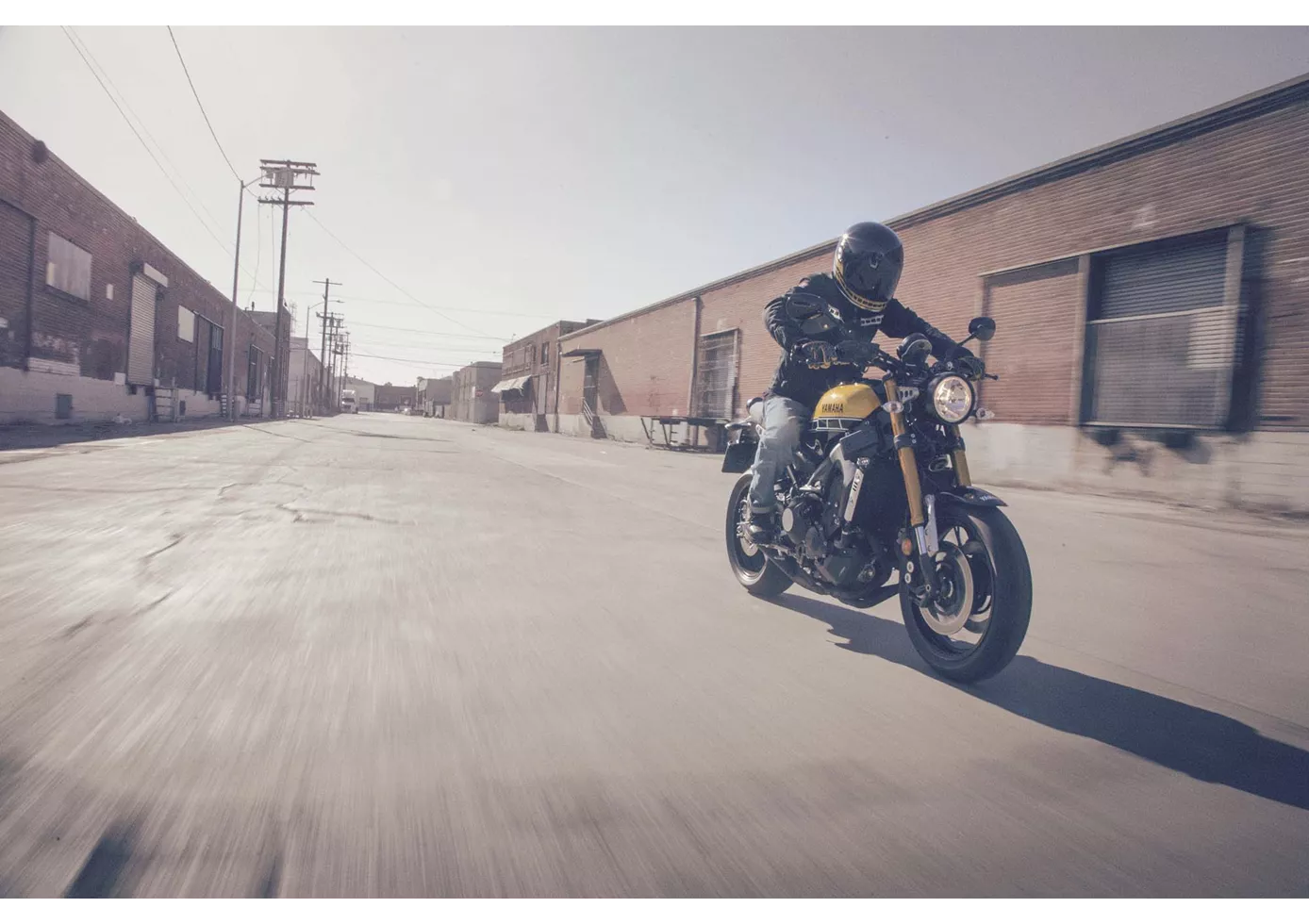
The Yamaha XSR900 is a classic case of optical illusion – with its round headlight, angular fuel tank and mounted rear light, it clearly comes across as a retro bike. However, it’s no coincidence that its performance is reminiscent of the powerful mid-range naked bike, the Yamaha MT-09, as that is the extremely sporty basis for the XSR900. The engine is therefore a real force to be reckoned with, and the brakes, as you’d expect, bite with real ferocity. Fortunately, the engineers haven’t gone overboard with the suspension; the XSR900 offers plenty of comfort, and the upright riding position is more relaxed than one might expect given the engine’s powerful acceleration. Within the retro bike segment, the XSR900 is yet one of the sportiest models overall.
BMW R nineT 2016

What more can be said about the BMW R nineT? Since its release in 2014, it has been a real perennial favourite in the customising scene and also at BMW itself. Its ingredients, however, are of very high quality and explain why the result is so coherent. The boxer engine, full of character, is a real joy every time you pull the throttle and, thanks to the wonderful sound, it never gets boring in the long run. Despite the relatively high weight, the BMW is pleasant to ride thanks to the high-quality chassis and finds a balanced mixture between cruiser and sporty naked bike. The look is of course a matter of taste, but the sales figures suggest that BMW must have done something right. And even if you don't like the standard look, accessories are a dime a dozen.
Price Comparison Average Market Price Yamaha XSR900 vs BMW R nineT
There are a few key differences between a Yamaha XSR900 2016 and a BMW R nineT 2016. In terms of price, the actual average price of a BMW R nineT 2016 is about 97% higher. A Yamaha XSR900 2016 experiences a loss of 1,680 GBP in one year and 1,690 GBP in two years of ownership. This is offset by a loss of 1,230 GBP and 960 GBP for a BMW R nineT 2016. Compared to BMW R nineT 2016 there are less Yamaha XSR900 2016 bikes available on the 1000PS.de Marketplace, specifically 5 compared to 18. It takes less time to sell a Yamaha XSR900 with 77 days compared to 105 days for a BMW R nineT. Since model year 2016 1000PS.de editors have written 30 reviews for the Yamaha XSR900 and 57 reviews for the BMW R nineT since model year 2014. The first review for the Yamaha XSR900 was published on 25/11/2015 and now has more than 17,600 views. This compares to more than 17,000 views for the first review on BMW R nineT published on 17/10/2013.