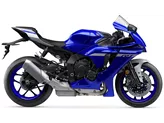
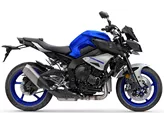
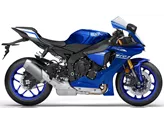
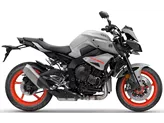
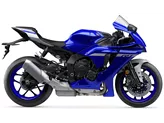
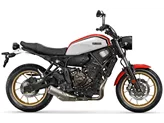
Yamaha R1 2015 vs. Yamaha XSR900 2022
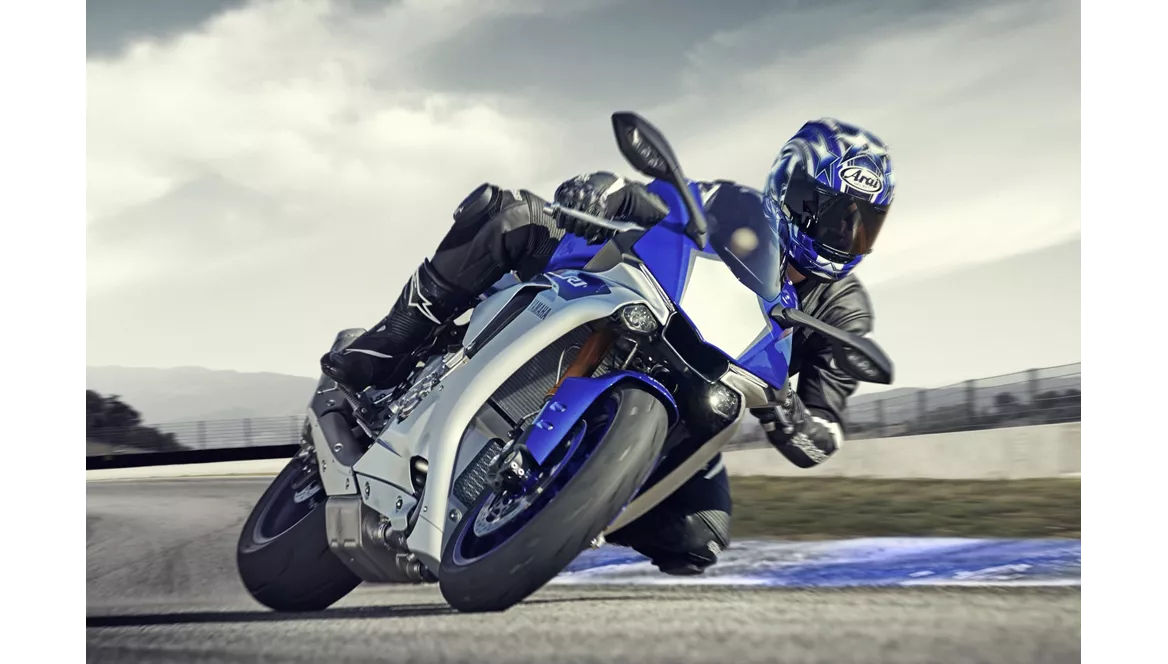
Yamaha R1 2015
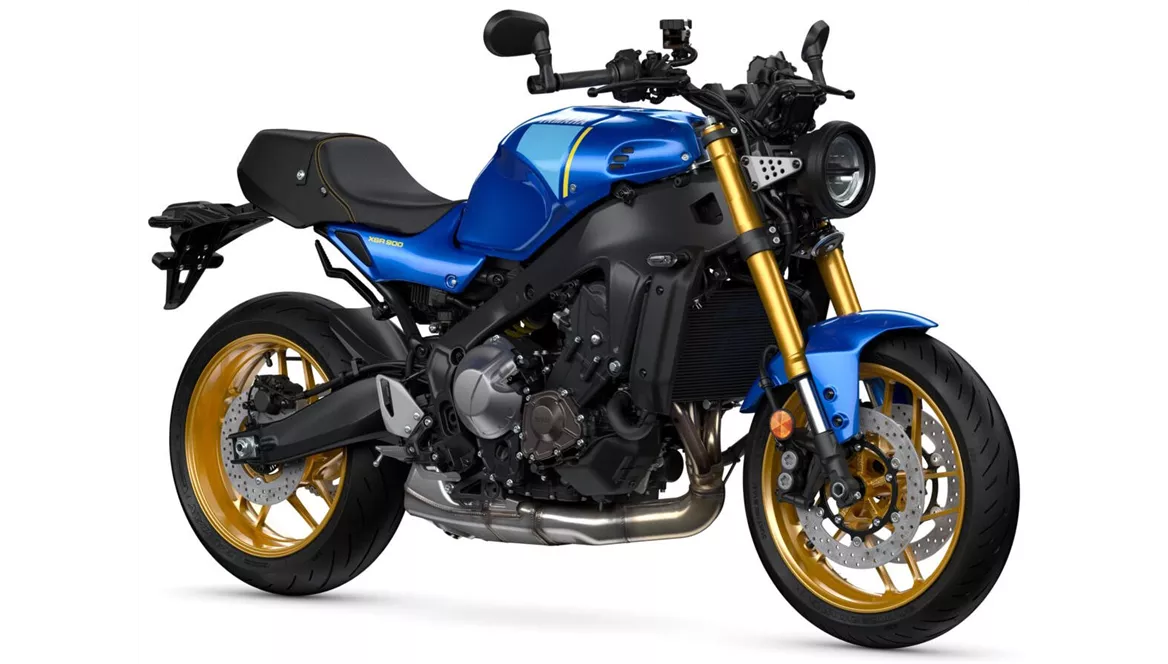
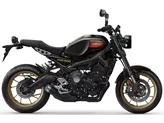
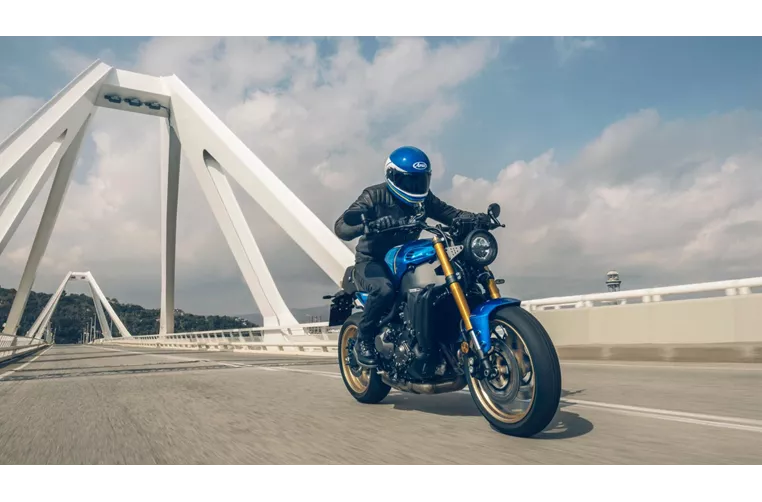
Yamaha XSR900 2022
Overview - Yamaha R1 2015 vs Yamaha XSR900 2022
The Yamaha R1 model year 2015 and the Yamaha XSR900 model year 2022 are two distinct motorcycles with their own unique features and characteristics.
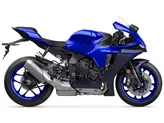
Starting with the Yamaha R1 2015, it is a supersport bike known for its powerful performance. It is equipped with a 998cc engine that produces 200 horsepower and 112.4 Nm of torque. The engine features a bore of 79 mm and a stroke of 50.9 mm, resulting in a high-revving and exhilarating riding experience. The compression ratio stands at 13, contributing to the bike's impressive power output. The R1 has a liquid-cooled system to ensure optimal engine temperature.
In terms of suspension, the R1 2015 is equipped with an Upside-Down telescopic fork at the front, providing excellent stability and control. The chassis is made of aluminum and features a Deltabox frame, which enhances the bike's agility and handling capabilities. The braking system consists of double disk brakes at the front, ensuring reliable stopping power.
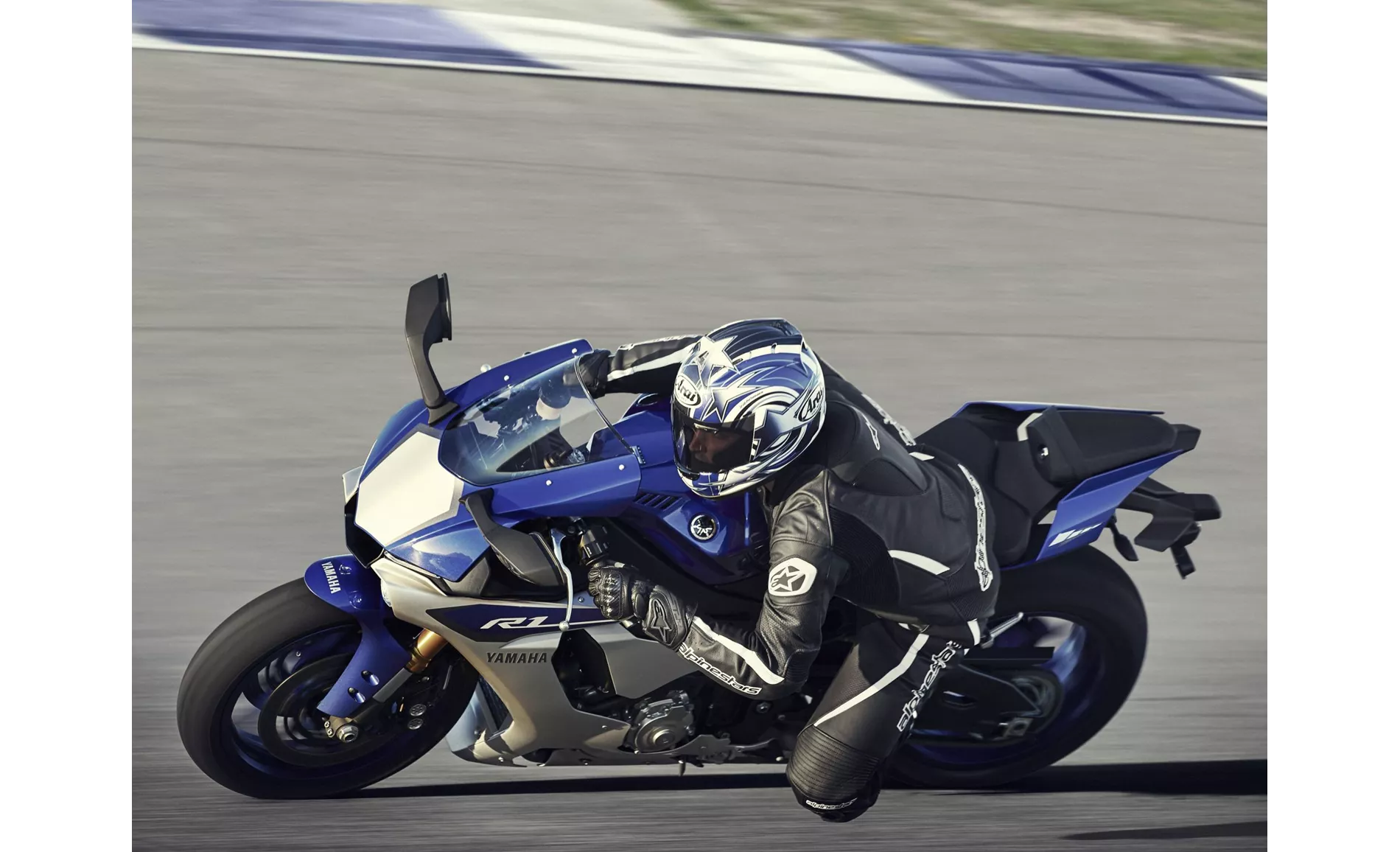
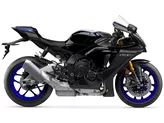
Yamaha R1 2015
The Yamaha R1 2015 also boasts advanced rider assistance systems, including launch control and traction control. These features enhance the bike's performance and provide added safety during acceleration and cornering. The dimensions and weights of the R1 include a front tire width of 120 mm, a rear tire width of 190 mm, a wheelbase of 1405 mm, and a seat height of 855 mm. The bike has a kerb weight of 199 kg and a fuel tank capacity of 17 liters.
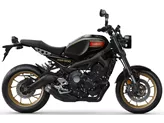
Moving on to the Yamaha XSR900 2022, it is a naked bike that offers a balance between sportiness and everyday usability. It is equipped with an 889cc engine that produces 119 horsepower and 93 Nm of torque. The engine features a bore of 78 mm and a stroke of 62.1 mm, resulting in a different power delivery compared to the R1. The compression ratio stands at 11.5, providing a good balance between power and efficiency. Similar to the R1, the XSR900 has a liquid-cooled system.
The XSR900 2022 features an Upside-Down telescopic fork at the front for suspension, providing a comfortable and controlled ride. The chassis is made of aluminum and features a Twin Tube frame, which offers a good balance between rigidity and flexibility. The braking system consists of double disk brakes at the front, ensuring reliable stopping power.
In terms of rider assistance systems, the XSR900 2022 offers a comprehensive package. It includes ABS, riding modes, cornering ABS, ride by wire, shift assistant with blipper, cruise control, and traction control. These features enhance the bike's safety and performance in various riding conditions. The dimensions and weights of the XSR900 include a front tire width of 120 mm, a rear tire width of 180 mm, a wheelbase of 1495 mm, and a seat height of 810 mm. The bike has a kerb weight of 193 kg and a fuel tank capacity of 15 liters.
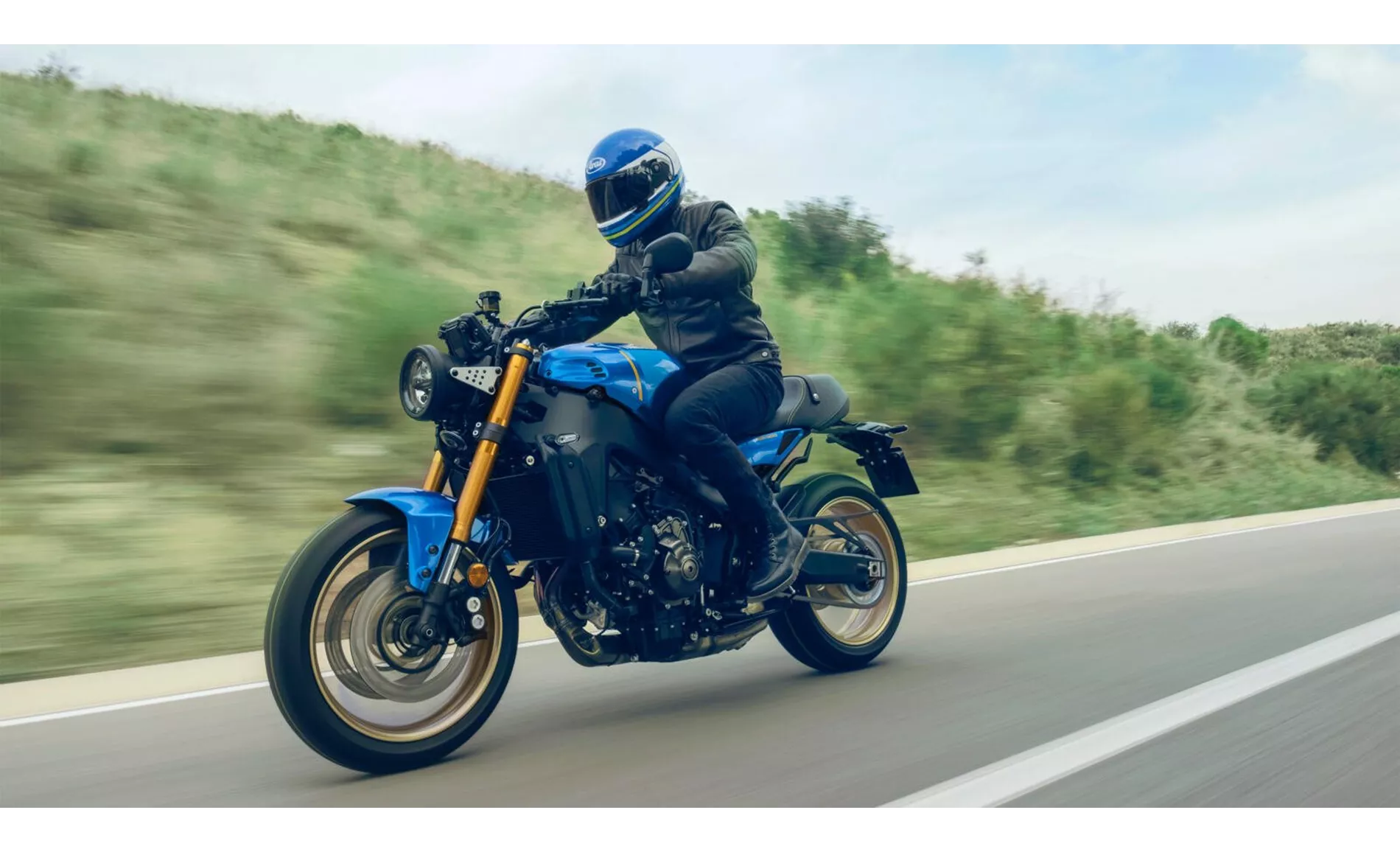
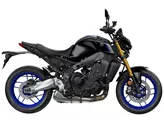
Yamaha XSR900 2022
In terms of strengths, the Yamaha R1 2015 is known for its crazy sound, rev-happy engine with a strong peak, and a great racing feeling in the saddle. It also boasts a superior electronics package and high-quality workmanship. On the other hand, the Yamaha XSR900 2022 offers a powerful engine, a quickshifter as standard, good brakes, and a comprehensive electronics package. It also provides sporty but everyday ergonomics and value for money. Additionally, the XSR900 has many accessories available ex works.
However, the Yamaha R1 2015 does have some weaknesses, including torque sag in the middle and stability in the braking zone. On the other hand, the Yamaha XSR900 2022 has a hard seat and a low steering angle, which may not be ideal for some riders.
In conclusion, the Yamaha R1 2015 and the Yamaha XSR900 2022 are both impressive motorcycles with their own unique strengths and weaknesses. The R1 offers a more aggressive and performance-oriented riding experience, while the XSR900 provides a balance between sportiness and everyday usability. Ultimately, the choice between these two bikes depends on the rider's preferences and intended usage.
Technical Specifications Yamaha R1 2015 compared to Yamaha XSR900 2022
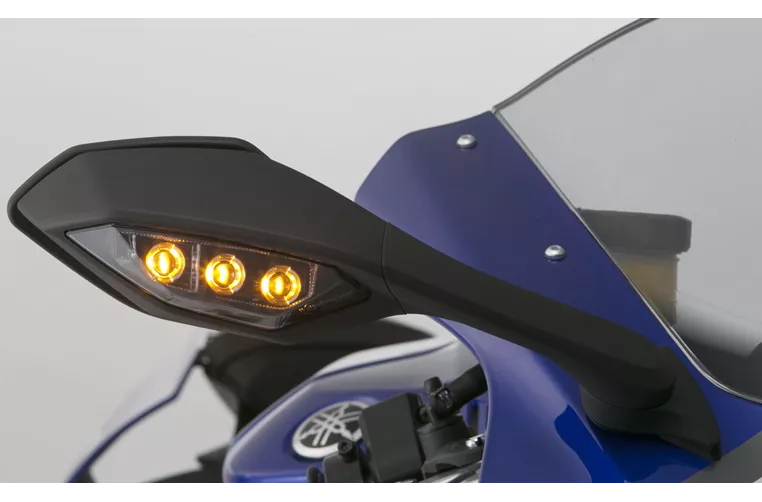
Pros and Cons in comparison
Pros and Cons in comparison
Yamaha R1 2015
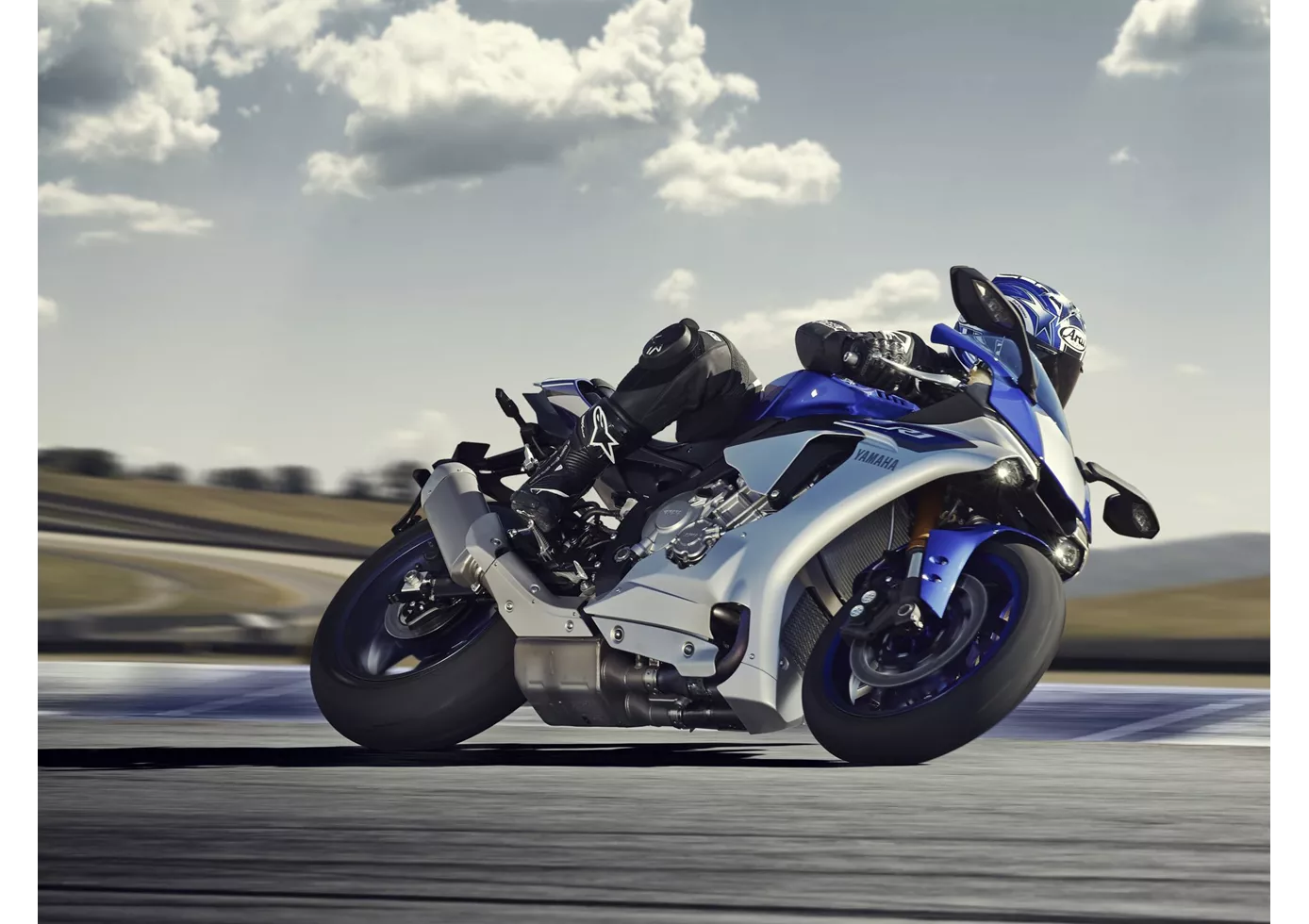
Yamaha's high-tech rocket is still a technological leader in 2016. Radical, polarising and fascinating, it sets powerful lap times. It is closer to the race bikes than the other 1000s. In the meantime, no one grumbles about the front. Without the "M", it is the best choice for those who don't need Öhlins anyway, or the best choice for those who are planning a racetrack conversion anyway and like to install "normal" Öhlins hardware without electric stuff.
Yamaha XSR900 2022
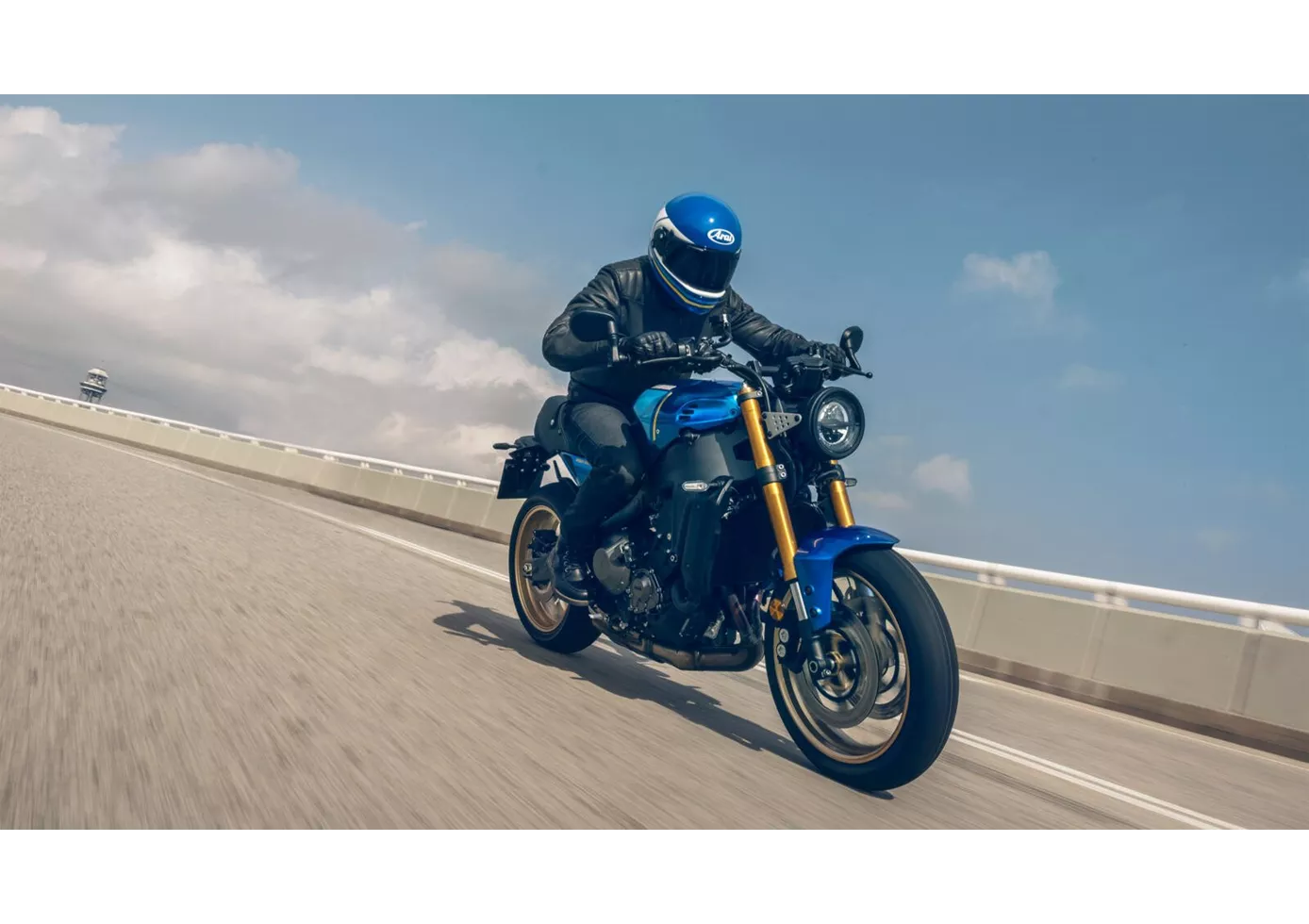
The Yamaha XSR900 is a sporty retro bike with a powerful three-cylinder engine and modern electronics such as lean angle-dependent traction control and cornering ABS. It impresses with its stability, agile handling and firm suspension, although it does let bumps through on longer stages. It is ideal for lovers of sporty bikes with retro charm.
Price Comparison Average Market Price Yamaha R1 vs Yamaha XSR900
There are a few key differences between a Yamaha R1 2015 and a Yamaha XSR900 2022. It takes less time to sell a Yamaha R1 with 76 days compared to 97 days for a Yamaha XSR900. Since model year 2005 1000PS.de editors have written 80 reviews for the Yamaha R1 and 30 reviews for the Yamaha XSR900 since model year 2016. The first review for the Yamaha R1 was published on 28/04/2003 and now has more than 3,900 views. This compares to more than 17,600 views for the first review on Yamaha XSR900 published on 25/11/2015.