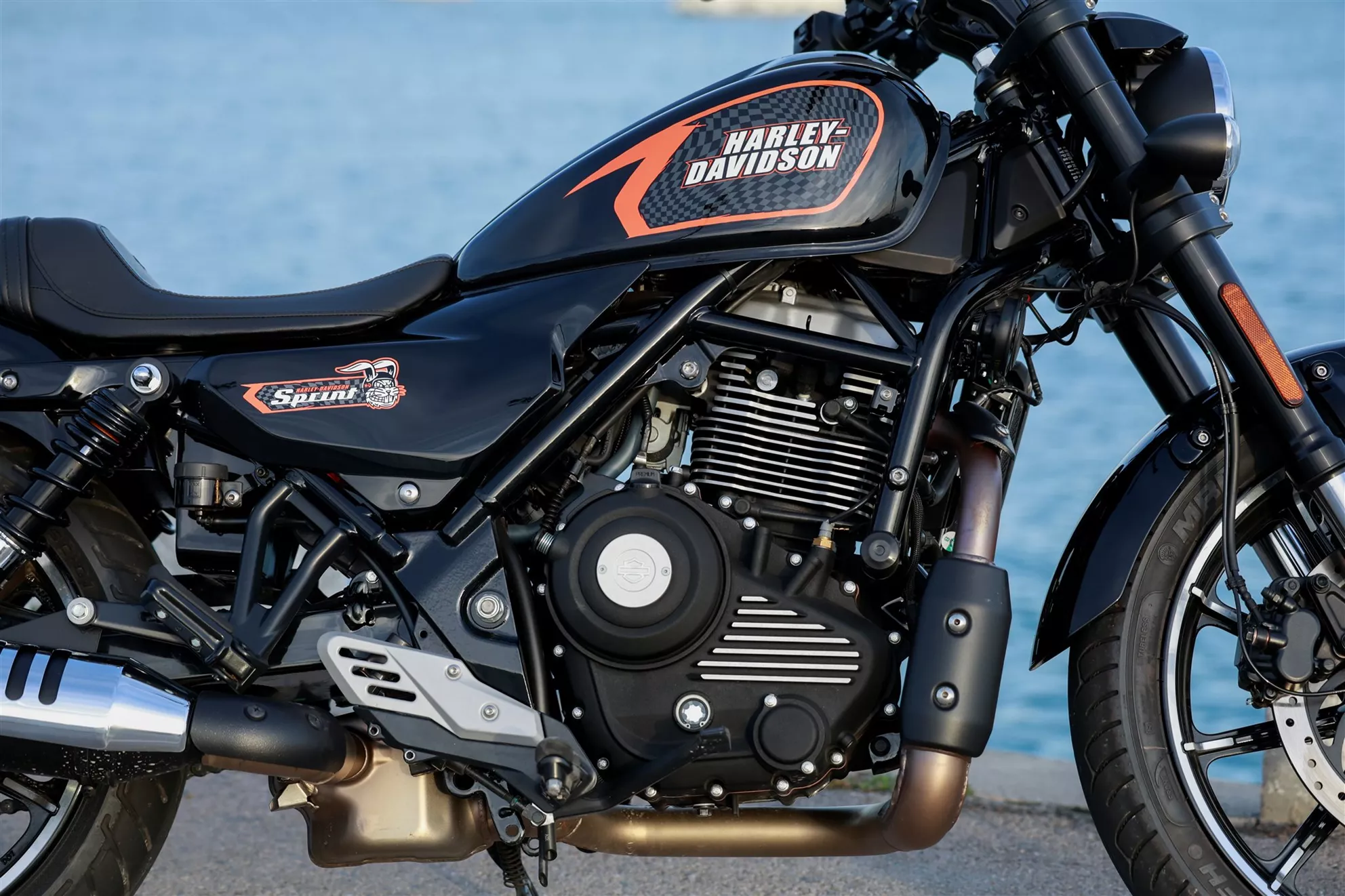
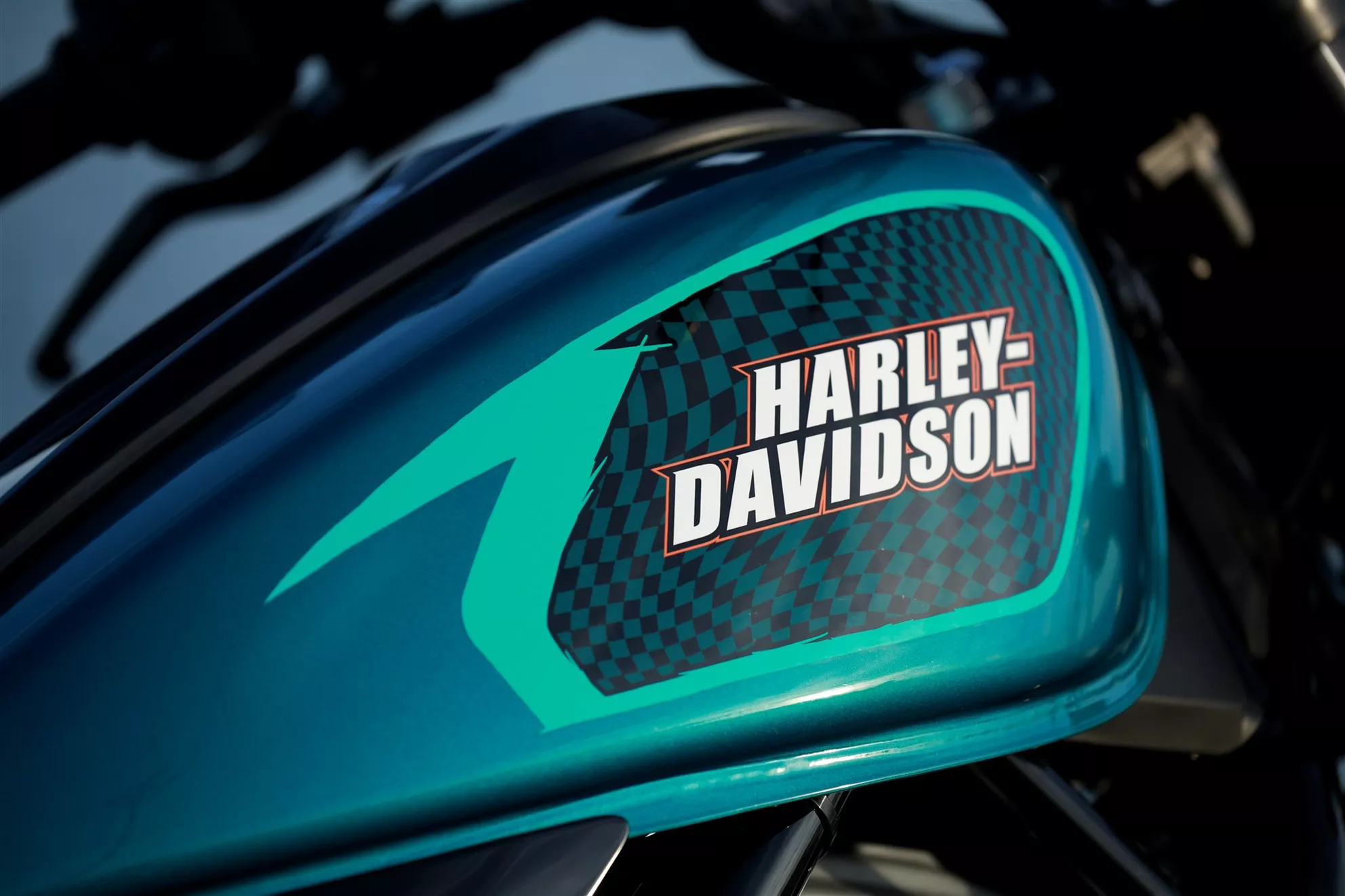
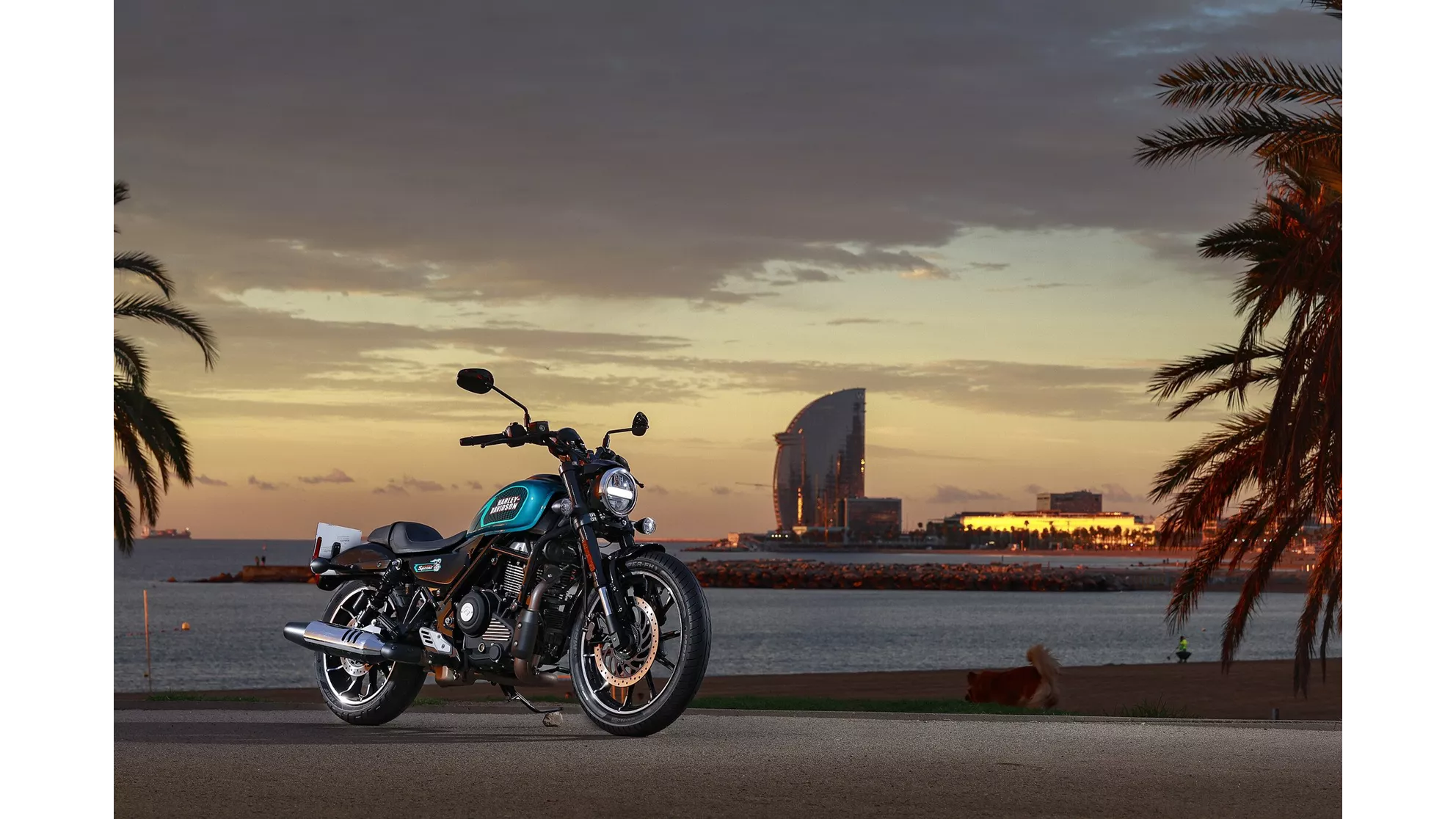
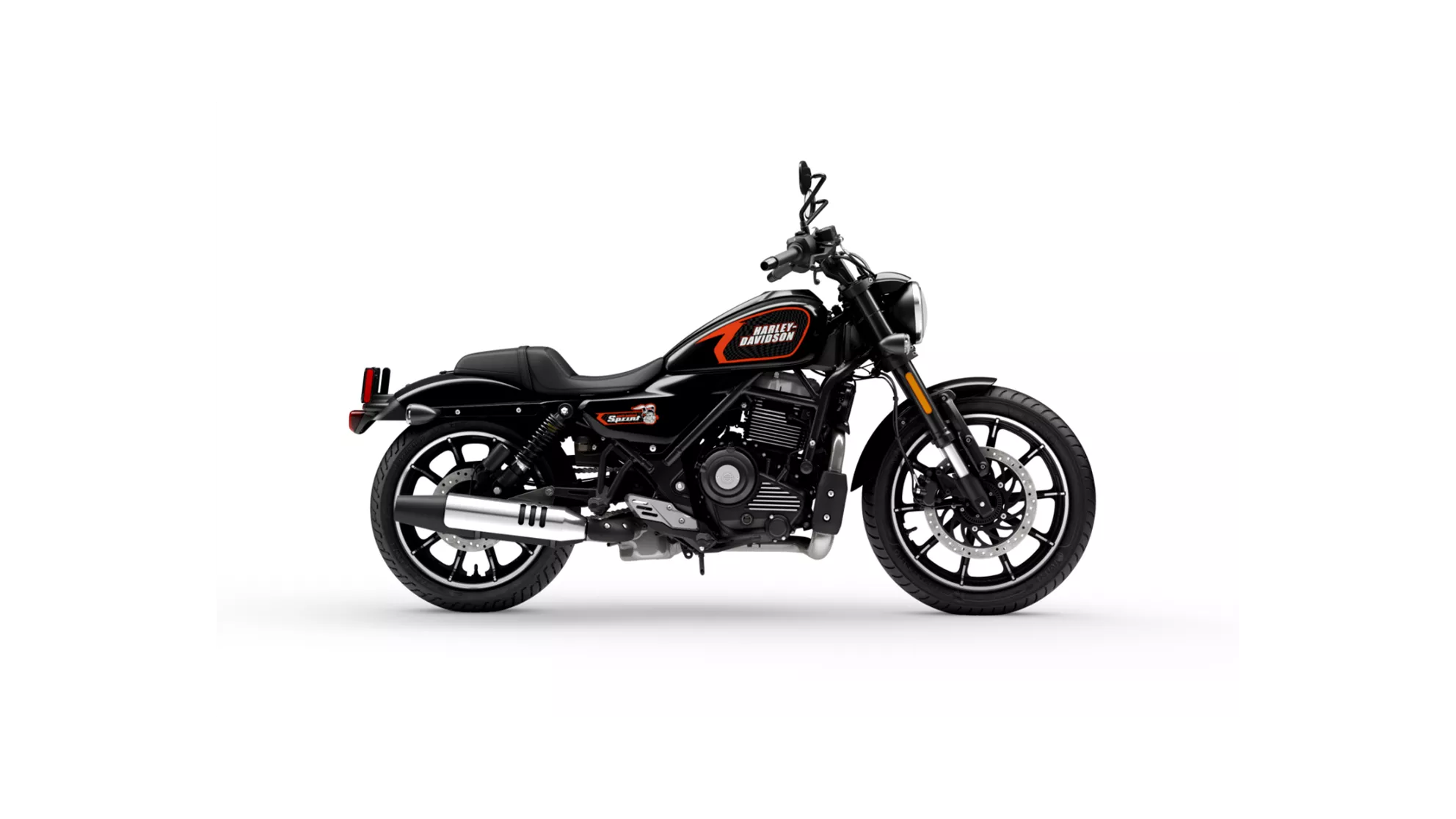
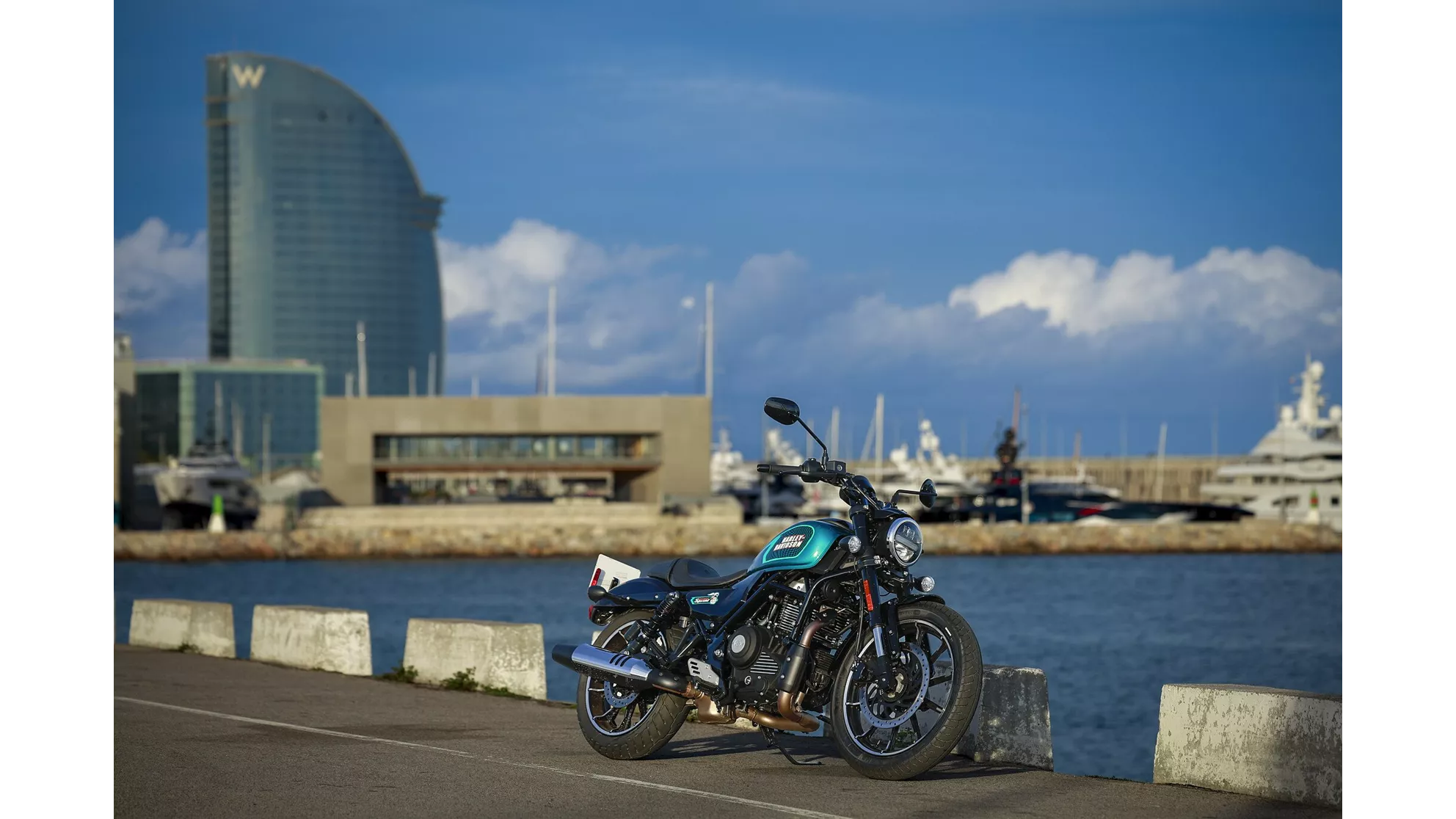
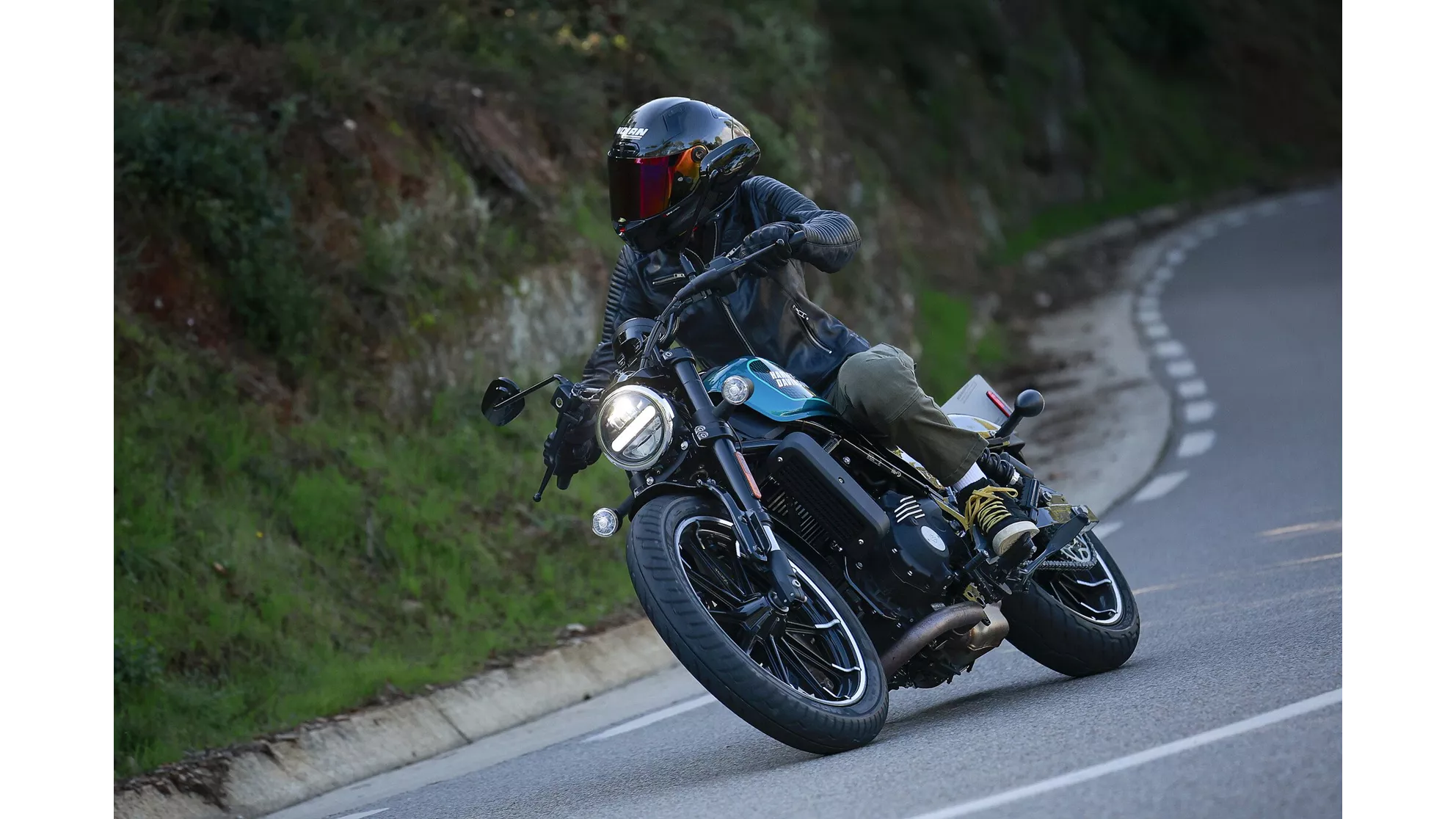
Whether the compact concept also convinces in practice becomes apparent above all when manoeuvring and during the first few kilometres. With a wet weight of 189 kilograms, the Sprint isn't one of the lightest bikes in its class, but it's easy to handle. The low seat height of 671 millimetres contributes to that. It makes it easier to get your feet on the ground and gives less experienced riders in particular a sense of security. The narrow shape of the front section of the seat helps too: your legs don't have to splay far outwards when putting your feet down.
In city traffic, it benefits from exactly these qualities. Slow corners, narrow streets and frequent changes of direction can be tackled without much effort. When manoeuvring, the Sprint feels manageable, and when stopping you never get the feeling that you have to balance the bike. The Sprint's thoughtfully accessible attributes lower the threshold for moving the bike even in situations where space is tight.
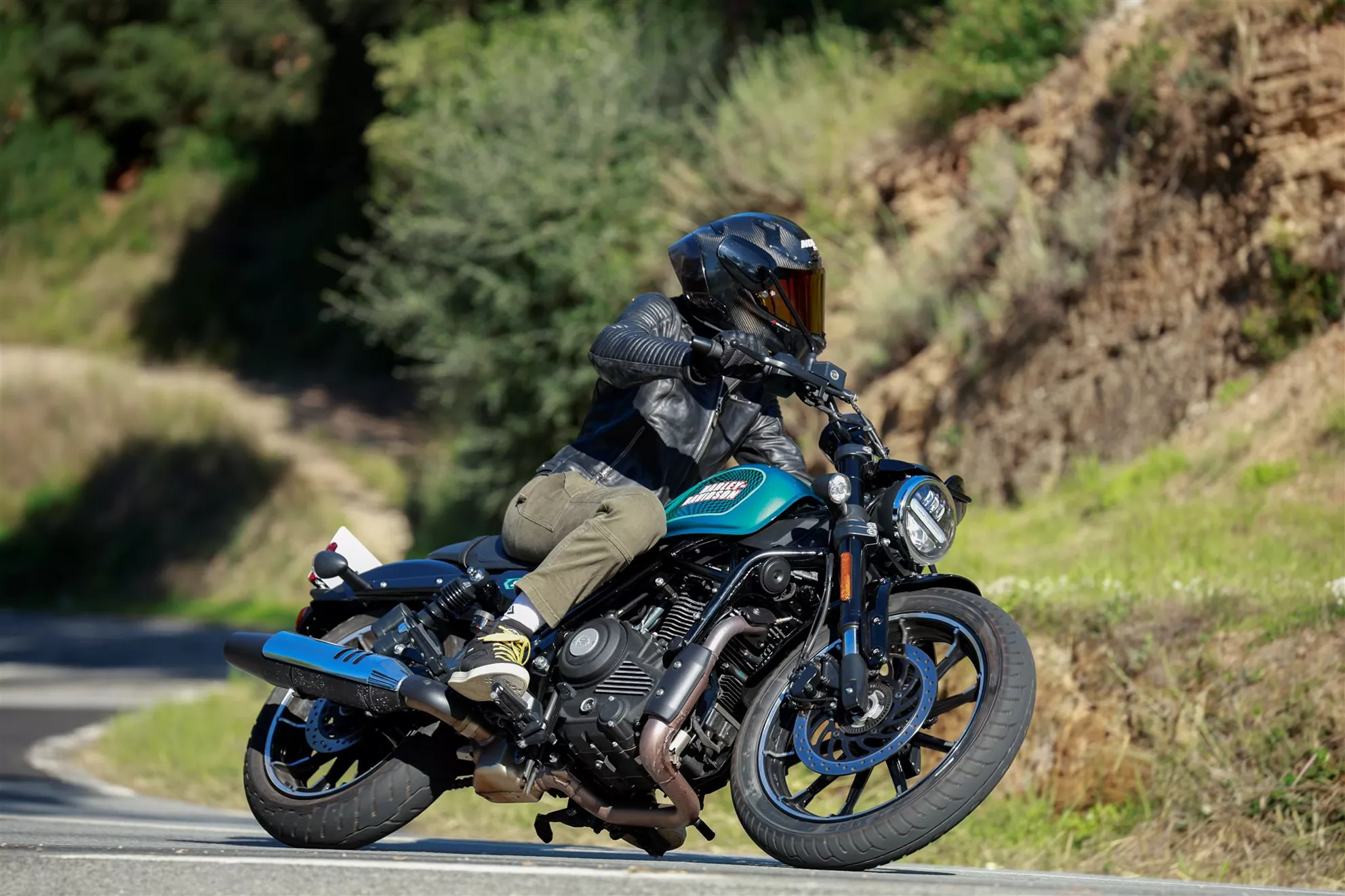
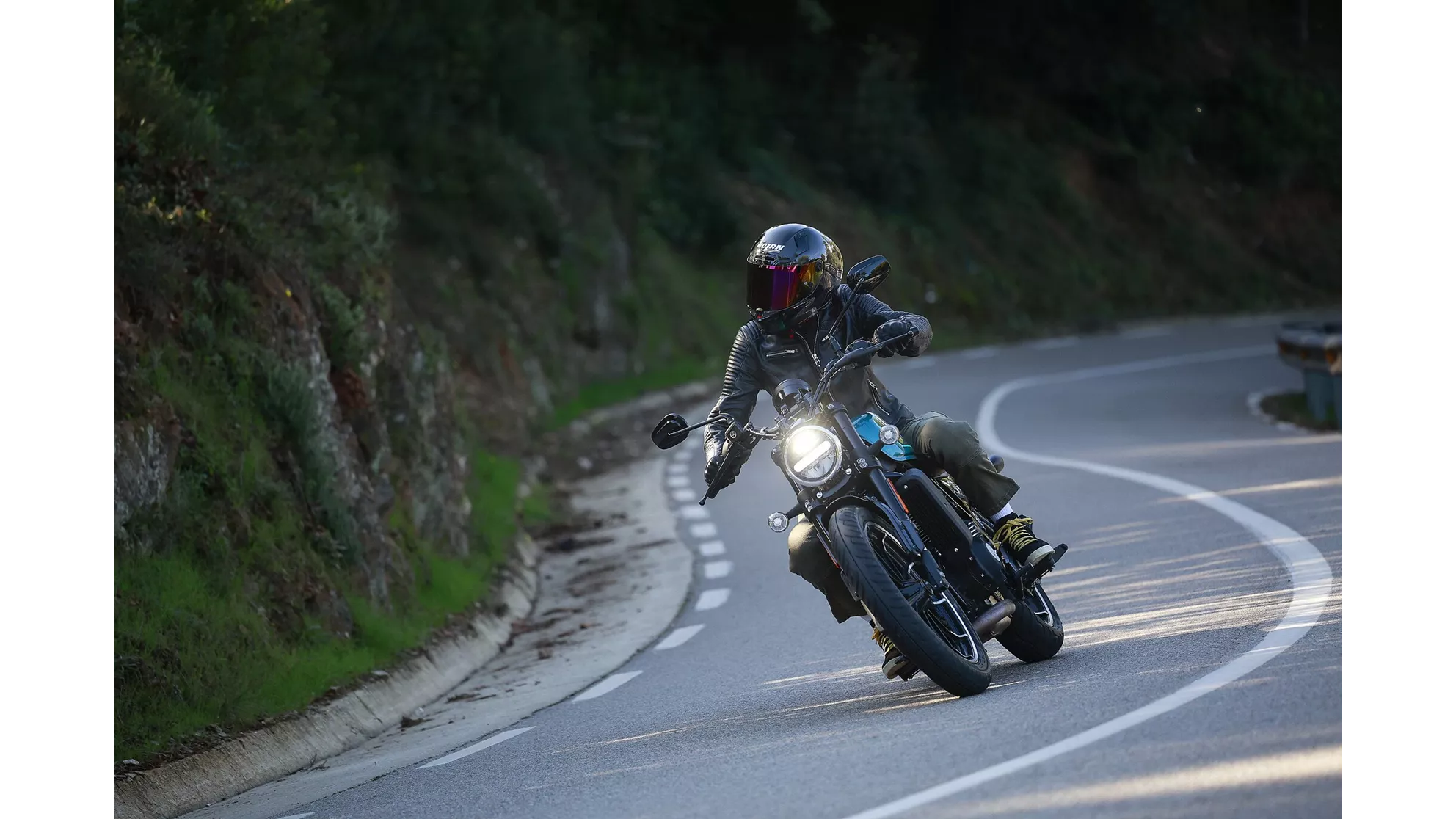
On twisty country roads, this impression continues. The Sprint tips willingly into lean and changes direction in a pleasantly uncomplicated way. Its handling feels accessible without becoming nervous. It doesn't demand a particularly active riding style and forgives you if a corner isn't entered perfectly cleanly. That's an advantage for beginners in particular: instead of having to concentrate on the bike, more attention is left for the line, the traffic and your own learning progress. At the same time, experienced riders can have plenty of fun here too - even if the position of the footpegs offers little ground clearance and the sparks fly quickly.
The seating position supports the relaxed character. The aforementioned footpegs are mid-mounted and allow a natural posture that is deliberately more neutral than the otherwise very laid-back cruiser position. The handlebar always conveys good control over the front wheel. Combined with the low seat height, this results in an ergonomic package that doesn't just work in the car park.
When it comes to the engine, the riding impression is somewhat more sober than the sound. The hoped-for strong pull from low revs doesn't really materialise and doesn't particularly stand out compared to other bikes in this class. That doesn't mean the Sprint lacks the power to fulfil its intended purpose. Rather, you have to accept that the available reserves aren't comparable to those of more powerful machines. For everyday riding, relaxed tours on country roads and the occasional incline, however, the power is entirely sufficient. Keep the engine in its sweet spot and you can ride the Sprint fluidly and quite agilely.
The engine braking is also pleasant. When you close the throttle, speed can be scrubbed off evenly. On twisty roads this supports a smooth riding style, because you don't constantly have to reach for the brake lever. Engine braking naturally doesn't replace the actual braking system, but it helps make speed easy and harmonious to modulate. Especially on a bike that isn't designed for sporty peak performance, this uncomplicated form of speed control suits the overall character well.
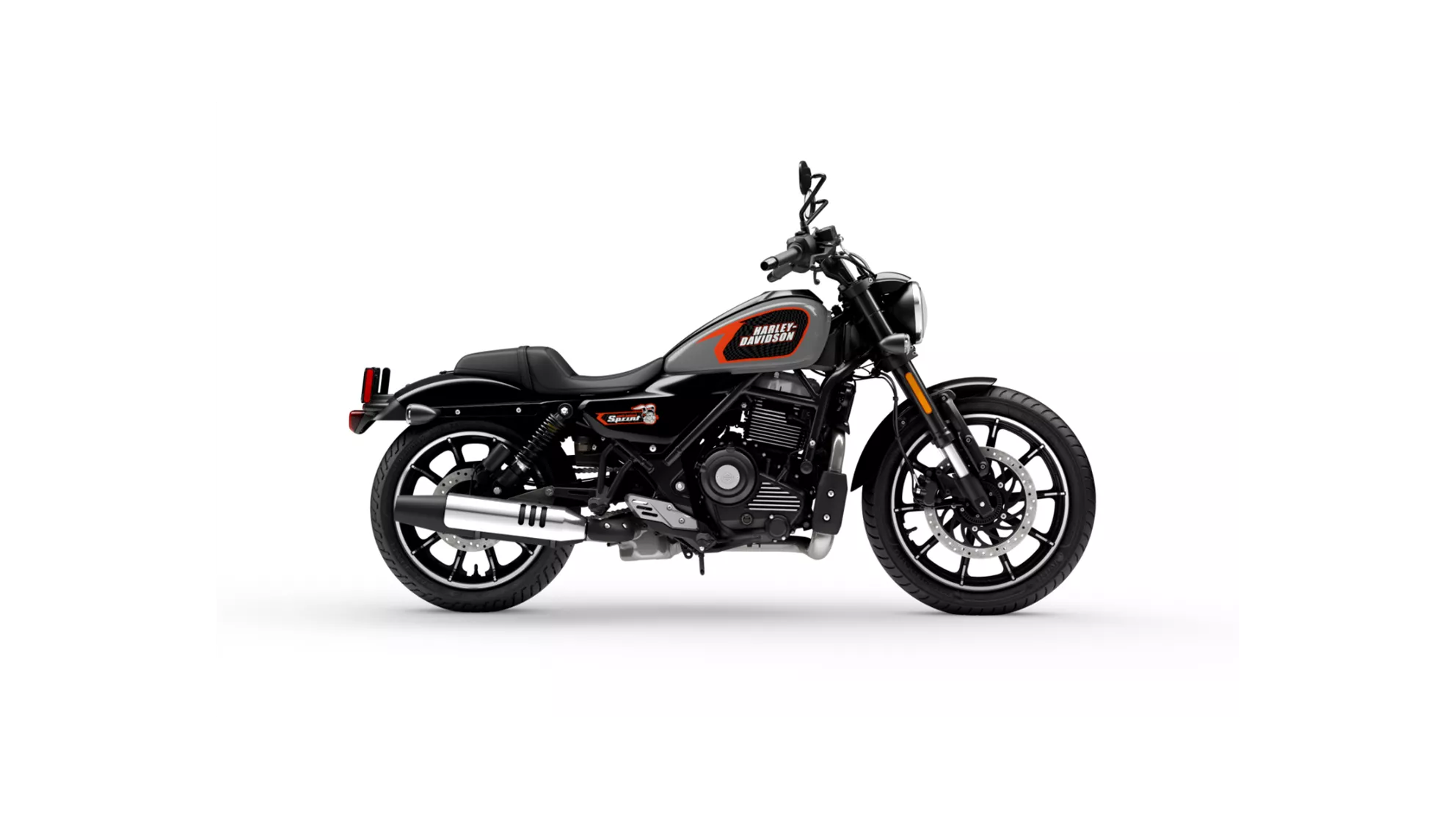
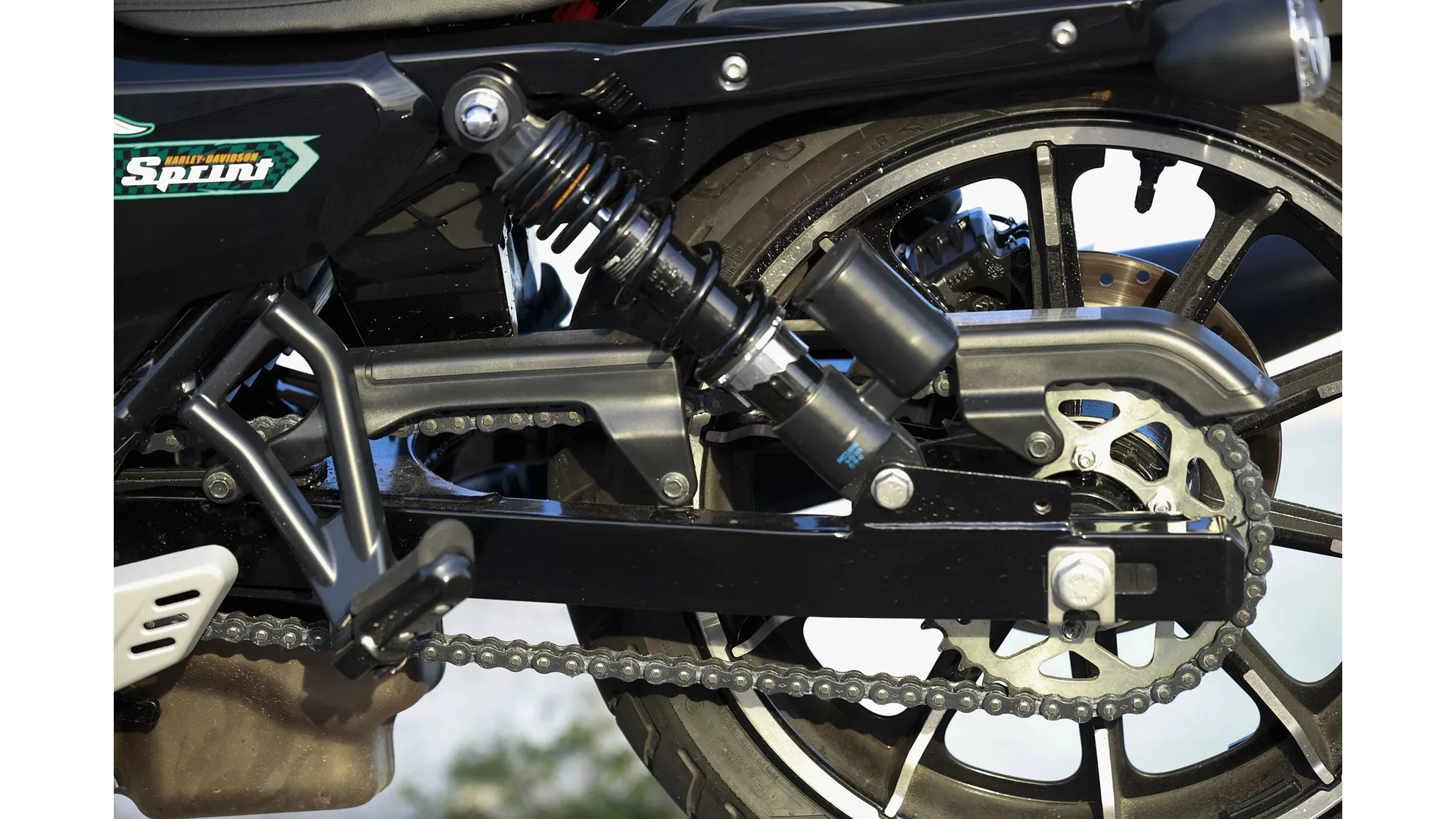
For the chassis, Harley-Davidson relies on a 43-millimetre upside-down fork with 133 millimetres of travel at the front. At the rear, two shocks with reservoirs do the work, with preload mechanically adjustable in seven steps. Rear travel, however, is only 76 millimetres. On good tarmac that's not a big problem, but on larger bumps or sharp-edged road damage the limits of the design naturally become more apparent. While the front, with its longer travel, offers comparatively plenty of freedom of movement, the rear has less leeway to absorb harsh hits. Anyone who often rides on bad roads should keep this compromise in mind - within its class, however, the Sprint comes with a genuinely composed chassis.
The braking system consists of a 320-millimetre disc with a two-piston caliper at the front and a 240-millimetre disc with a single-piston caliper at the rear. ABS comes as standard. The combination suits the Sprint's performance level and intended use. For tyres, Harley-Davidson fits a 100/90-19 at the front and a 150/60-ZR17 at the rear. Together with the 1,450-millimetre wheelbase and the 27.6-degree steering head angle, this results in a geometry that combines the classic cruiser look with nimble handling.