Kawasaki Z1000 used buyer's guide: weak points and buying tips

Kawasaki Z1000 used buyer's guide: weak points and buying tips

Four generations, plenty of grunt and a few expensive traps

From 2003 to 2020, the Kawasaki Z1000 spans four very different generations. The inline four is considered robust, but age, modifications, suspension and gearbox can get expensive. Our used buyer's guide shows what buyers really need to look out for.

NoPain

NoPain

published on 22/09/2026

5,515 Views

History of the Kawasaki Z1000

Few Kawasaki models have a tank badge that says as little about the technology underneath as the Z1000. The first modern generation arrived in 2003 with a 953 cc inline four derived from the ZX-9R family, which produced 127 hp and 95.6 Nm in the early models. In 2007 the displacement stayed untouched, but Kawasaki fundamentally reworked the engine setup, chassis, swingarm and braking system; output was now 125 hp. On top of that came a longer wheelbase, a new swingarm, radial brake calipers and optional ABS. The first Z1000 already had character in spades, but the second generation felt considerably more grown-up in terms of chassis and mechanicals.

In 2010 evolution turned into revolution: Kawasaki practically redesigned the Z1000 from scratch and replaced the 953 with a 1,043 cc four-cylinder delivering 138 hp and 110 Nm. Wet weight was 221 kg, and a much more modern suspension worked at both ends. 2014 brought the Sugomi design that still defines the bike today, along with an even sharper engine making 142 hp and 111 Nm. For 2017 the Z1000 became Euro 4 compliant and received a revised ECU, softer suspension settings, 135 instead of 122 mm of rear travel, a gear indicator and a shift light. Alongside it came the Z1000 R Edition with Brembo M50 calipers and an Öhlins shock. Until 2020 this fundamentally purist package with ABS but without traction control remained on sale.
Buying a used Kawasaki Z1000

As of August 2026, decent newer examples in Austria sit roughly between 5,300 and 10,200 euros, while early bikes and projects can go for less. In Germany, the range of genuinely usable bikes across the various generations spans roughly from 2,900 to 12,000 euros. So mileage or first registration date isn't the only thing that matters: the 2003 to 2009 models are a completely different world price-wise from the Z1000 from 2010 onwards, while well-kept 2014 bikes and especially late R Editions command correspondingly higher prices. Generation beats mileage.

With early Z1000s in particular, it pays to look beyond shiny paint and aftermarket carbon. A cleanly documented bike with 40,000 or 50,000 kilometres, traceable servicing and retained original parts can be far more interesting than the supposed garage queen with four previous owners, 12,000 kilometres and a modification history in which nobody knows any more which shock originally belonged to which bike. On younger bikes, by contrast, the condition of suspension, brakes and add-on parts becomes more important in price negotiations. Interested buyers can find current Kawasaki Z1000 listings on the 1000PS Marketplace here.

To do your used bike a favour, we recommend regular oil changes. 1000PS relies on lubricants from Motorex, and here you can find the right oil for your bike.

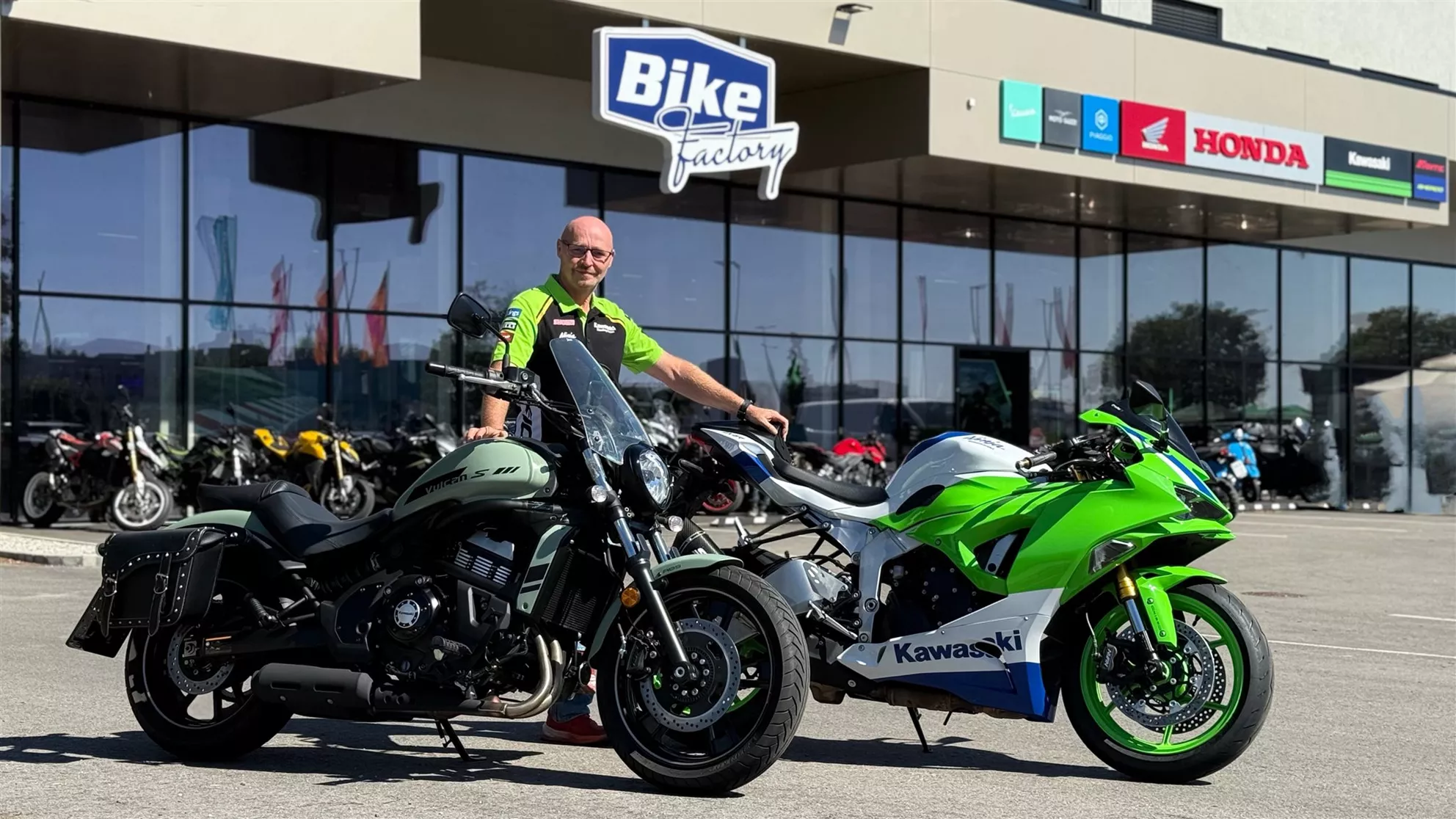
Walter Prohaska, Head of Sales at Bike Factory Krems

Bike Factory expert check: Kawasaki Z1000, model years 2003–2020

Together with the Kawasaki specialists at Bike Factory Krems, a pleasing overall picture emerges: the Z1000's inline four is not one of those engines that greets used buyers with a long list of design-related horror stories. Across the generations, the engines are considered very durable. Precisely for that reason, the buyer's check shouldn't stop at the engine noise, because after up to more than 20 years the financial risk often lies in everything around it. On an old Z1000, suspension, brakes, sensors, aftermarket electrics and crash damage often tell you more about its previous life than the odometer. Take a particularly close look at bikes that have been consistently converted into streetfighters over the years.

Engine and gearbox

The engines themselves are considered exceptionally durable, as long as servicing and oil supply weren't treated as a non-binding recommendation for years. On early generations, ageing fuel-injection sensors or the associated electrics can cause error messages and rough running. Gearbox problems are also occasionally reported, which is why a test ride under load matters more than ten minutes of idling in front of the garage. All six gears must engage cleanly and stay engaged even under hard acceleration. If a gear jumps out under load, that's no charming sign of age. An illuminated engine warning light combined with the seller's diagnosis of "it's surely just a sensor" doesn't exactly fall into the confidence-building category either.

How much does a Kawasaki Z1000 cost?
Here you will find an overview of the price level of new and used motorbikes!

Suspension and modifications

The suspension is where Z1000 used-buying advice really starts to get interesting. Over the years, countless examples have been fitted with shocks from the ZX-6R or ZX-10R, aftermarket dampers, different fork springs or complete suspension conversions. A properly set-up upgrade can really light a fire under an old Z1000 dynamically, whereas a cobbled-together mix of components can ruin geometry and balance. That's why the manufacturer, part number, spring rate, length and adjustment range should all be traceable, as should the legal approval of the modification. On the R Edition from 2017, the high-quality Öhlins shock is also part of the bike's value. If it's leaking oil or already working tiredly, the necessary service should be factored into the price negotiation – don't be blinded by the golden reservoir.

Brakes and sensors

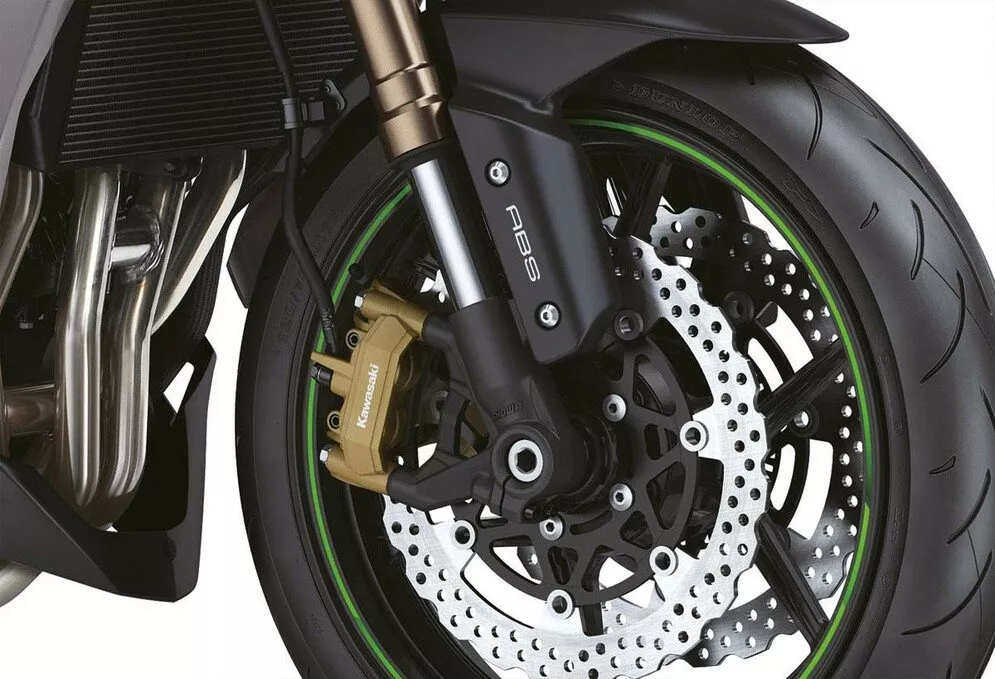
The braking system also deserves more than a quick glance at pad thickness. Brake calipers must move freely, discs mustn't show a pronounced wear lip, and the pressure point should remain consistent. On the test ride, Bike Factory recommends applying the front brake lightly at some point and paying attention to pulsing or movement at the lever; incipient disc warping can become more noticeable as temperature rises than during a cold inspection. On early generations, sensors and connectors are also among the age-related candidates worth checking. The R Edition offered from 2017 steps things up technically with 310 mm Brembo discs and M50 monobloc calipers, which is great dynamically, but also makes damaged premium parts after a crash correspondingly less funny.

Exhaust and original parts

Hardly any Z1000 stayed completely stock throughout its entire life, and with the exhaust that's understandable: acoustically, the four-cylinder isn't exactly the shy type. When buying used, though, it's not just about whether the aftermarket system pops with a nice deep rumble. E-mark, appropriate approval, catalytic converter present and actual compliance with noise and emissions regulations all have to add up. On old systems, tampering, missing baffles or subsequently modified headers can become expensive and a nuisance at the next inspection. Original exhaust, mirrors, indicators, number plate holder and other stock parts are therefore a genuine plus. As the vehicle ages, fully retained original parts make a clean return to stock possible and increasingly become part of the value of nice examples.

Servicing by generation

Kawasaki's documentation also shows how much the maintenance logic has changed over the model years. For the 2003 Z1000, for example, the official labour time table lists 2.2 hours at 12,000 km and 3.2 hours at 24,000 km. For the 2010 and 2014 models, 3.0 and 3.9 hours respectively are allocated for the same mileages. From model year 2017, the old schedule with additional 6,000 km intermediate steps disappears from the maintenance table; here it's 3.2 hours at 12,000 km and 4.6 hours at 24,000 km. For buyers, the last decimal place matters less than the realisation that a claimed "major service done" should be verifiable by invoice and actual scope of work.

With valve clearances in particular, it's worth reading the paperwork carefully. In the same overview, Kawasaki explicitly points out that the stated labour times for a valve clearance check only cover the inspection; if adjustment is actually required, the additional work comes on top. Likewise, accessories, unusual dirt or difficult disassembly can increase the standard times. So nobody should automatically conclude from a stamp in the service book that every single due job was actually carried out. On an older Z1000, invoices with itemised labour are far more valuable than an artfully curated stamp album. If in doubt, the maintenance schedule valid for the respective VIN can be checked with an authorised Kawasaki dealer.

Cold start and test ride

The inspection ideally starts with a genuinely cold engine. Put a hand on the engine or headers before the key is turned: a bike that's already been warmed up can hide starting problems, an uneven idle and mechanical noises brilliantly. After that, the Z1000 should run up to operating temperature until the fan kicks in. Only when warm do small leaks in the cooling system, porous connections or temperature-dependent problems sometimes become visible. Then comes a warm start. On the test ride, check all gears under load, check the clutch for slipping and deliberately test the brakes for pulsing. Wheels, fork, handlebar and steering stops must be properly aligned. It's precisely these boring five minutes that often decide whether you face some very un-boring workshop bills when buying used.

Kawasaki Z1000 2020

Buyer's check for the Kawasaki Z1000, model years 2003–2020

How much does a Kawasaki Z1000 cost?
Here you will find an overview of the price level of new and used motorbikes!

First, the VIN, papers, generation and service history must all match, followed by crash damage, mechanicals and modifications. Steering stops, engine covers, bar ends and triple clamps in particular are good witnesses to a life that, according to the listing, has astonishingly almost always been "accident-free". Then come fluids, suspension, brakes, electrics and the test ride. On modified examples, every relevant part should be technically plausible and legally clean. A cheap Z1000 gets very expensive very quickly when a shock, brake discs, an illegal exhaust system and an electrical scavenger hunt all land on the shopping list at the same time.

  • Essential: Clearly identify the generation and VIN, check service records and insist on a cold start. Check steering stops, frame, triple clamps and engine covers for crash damage, check the bike's alignment from the front and test every gear under load on the test ride. A modified suspension must be technically traceable and, where required, homologated.
  • Important: Check brake discs, pads and calipers, fork seals, steering head, wheel and swingarm bearings, chain kit, radiator, charging voltage and battery. Also check tyre age and DOT code, all aftermarket electrics, as well as the exhaust, catalytic converter and approval. Original parts, two keys and any accessories included in the sale should actually be there on site and not "somewhere at the previous owner's" for the past ten years.
  • Red flag: A gear jumps out under load, steering stops are bent, load-bearing areas are suspiciously freshly painted or the engine warning light is explained away with "it always does that". Also critical: cobbled-together suspension without documentation, cut wiring harnesses, wildly crimped connectors and an exhaust system whose approval history is about as traceable as its internals.

Tyres for the Kawasaki Z1000

Conveniently, the Z1000 generations covered here don't turn tyre sizes into rocket science. Our Metzeler recommendation for the Kawasaki Z1000 from 2003 to 2020 is the Sportec 01 in 120/70 ZR17 front and 190/50 ZR17 rear. This exact combination suits the bike's character well: plenty of four-cylinder punch, a relatively large amount of weight on the front wheel and a range of use that stretches from relaxed country-road pace to a pretty committed corner hunt.

The Sportec 01 is clearly positioned as a sporty road tyre and isn't meant to work only on dry tarmac. Metzeler relies on the adaptive Dynatread tread design and, according to its own product description, places emphasis on precise turn-in, clear front-end feedback and wet performance. On an older Z1000 in particular, a fresh, up-to-date set of tyres is more than cosmetics anyway: an ancient or squared-off rear tyre can ruin the riding feel more than three clicks too much rebound. Click here for the Metzeler tyre catalogue and directly to the Metzeler Sportec 01 in 190/50 ZR17.

Kawasaki Z1000 2014

Yuasa battery for the Z1000

The European Yuasa application catalogue lists the YTX9-BS for the Kawasaki Z1000 and Z1000 ABS from model years 2003 to 2013, and the YT12A-BS from 2014. The YTX9-BS is an AGM battery with 12 V, 8.4 Ah and 135 A CCA, while the YT12A-BS is more generously sized at 12 V, 10.5 Ah and 175 A CCA. On imported bikes or bikes with an unclear history, you should still cross-check the rating plate, dimensions, terminal layout and VIN before ordering. Here you can find the right YUASA battery for your bike.

Alternatives to the Kawasaki Z1000

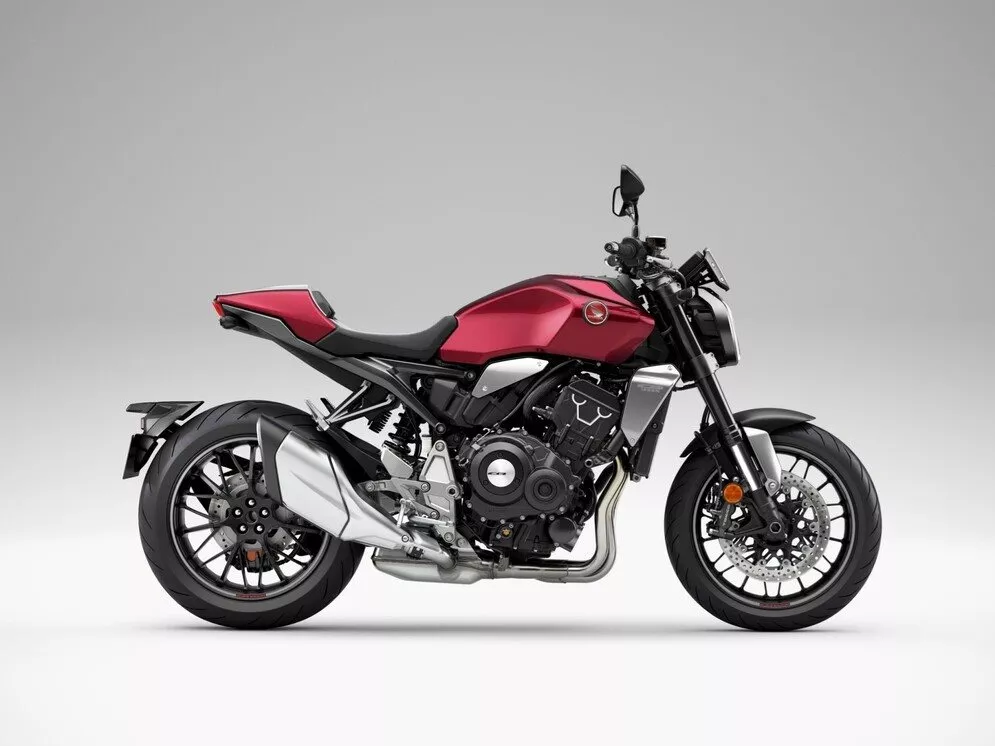
Honda CB1000R

The first-generation Honda CB1000R is a logical cross-check, especially for buyers of the Z1000 from 2007 onwards. Its 998 cc four-cylinder produces 125 hp and 99 Nm, with a wet weight of 217 kg. Compared to the Z1000 from 2010, it lacks some of the meaty low-down punch, but in return it offers a very classic, well-balanced litre-class naked concept with an aluminium frame, single-sided swingarm and fully adjustable 43 mm USD fork. Anyone who places less value on Kawasaki's brutal Sugomi showmanship and is looking for a somewhat more reserved Japanese four-cylinder should definitely test ride a clean CB1000R as well.

How much does a Kawasaki Z1000 cost?
Here you will find an overview of the price level of new and used motorbikes!
Honda CB1000R 2023

Kawasaki Z900

Within its own family, the Kawasaki Z900 from 2017 is the late Z1000's most dangerous rival. Its 948 cc inline four delivers 125.4 hp and 98.6 Nm, while the ABS version, at around 210 kg, weighs about eleven kilograms less than a Z1000 of the same model year. It lacks the final meaty shove of the 1,043 cc engine, but on a tight country road the Z900 feels lighter and more nimble. From 2020, a TFT display, riding modes and traction control were added as well. As soon as the asking price of a Z1000 gets dangerously close to a comparably well-kept Z900, the younger sister should definitely go on the test-ride list.

Kawasaki Z900 2025

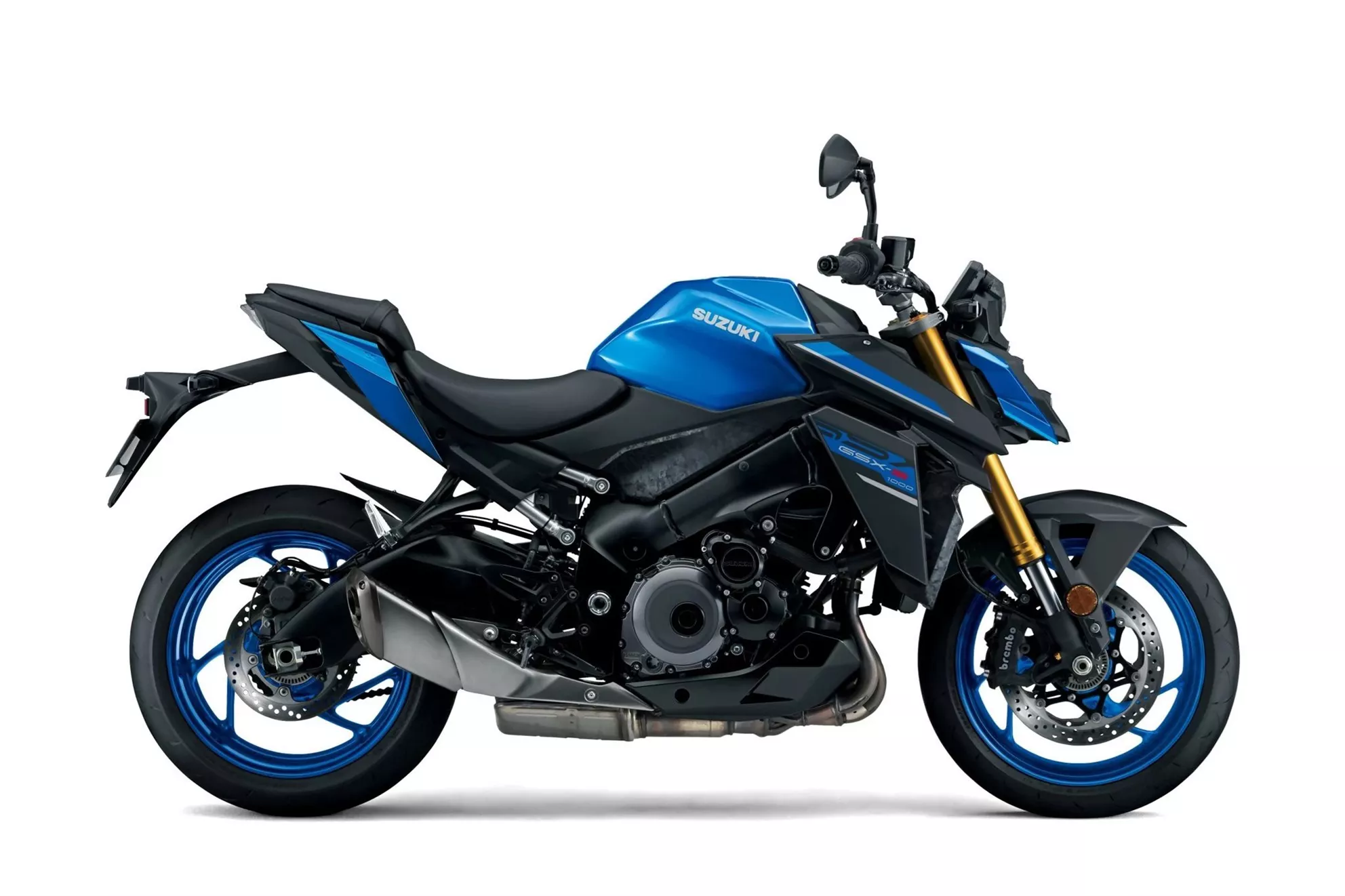
Suzuki GSX-S1000

The Suzuki GSX-S1000 arrived in 2015 exactly where the Z1000 had already made itself at home. Its 999 cc four-cylinder conceptually stems from the GSX-R1000 family and was rated at 145 hp and 106 Nm; ready to ride, the Suzuki tips the scales at around 209 kg. Add ABS and three-level traction control, and it was a step ahead of the Z1000 of the time electronically. In the 1000PS test, the engine, brakes and suspension impressed, but on/off throttle transitions and the snatchy responsiveness at the bottom end were criticised. Anyone who values power and lower weight more highly than the particularly meaty Z1000 grunt from low revs will find a very serious Japanese alternative here.

Suzuki GSX-S1000 2026

Verdict on buying a used Z1000

As a used bike, the Kawasaki Z1000 is less a single model than a small family saga. Early 2003 to 2009 bikes appeal with their character and growing youngtimer factor, but demand particularly careful checks for age and modifications. For the 1000PS editorial team, the 2010 to 2013 models are an exciting sweet spot, because the powerful 1,043 cc engine is already on board and the technology remains pleasantly straightforward. 2014 to 2016 deliver 142 hp, the striking Sugomi design and still little electronics. Anyone looking for the most mature classic Z1000 ends up with 2017 to 2020; the R Edition goes one better with Brembo and Öhlins, provided these parts really are in correspondingly good condition.

The most important used-buying tip, however, remains independent of model year: with the Z1000, overall technical condition counts for more than the smallest possible number on the odometer. A properly maintained 50,000-kilometre four-cylinder with documented suspension, a legal exhaust and an undamaged chassis can be the far better buy than a barely ridden example with crash damage and a DIY biography. Walk away if gears jump out, if there's suspicious frame damage, untraceable suspension modifications or badly botched electrics. If, on the other hand, history, mechanicals and price add up, the Z1000 still gives you exactly what made it famous: a gutsy inline four with meaty punch and refreshingly little electronic filter between throttle and rear wheel.

How much does a Kawasaki Z1000 cost?
Here you will find an overview of the price level of new and used motorbikes!

More from 1000PS Magazine

Kawasaki Z1000 used buyer's guide: weak points and buying tips Images

Source: 1000PS

Kawasaki Z1000 Used Buyer’s Guide: Weaknesses and Buying Tips - Image 1
Kawasaki Z1000 Used Buyer’s Guide: Weaknesses and Buying Tips - Image 2
Kawasaki Z1000 Used Buyer’s Guide: Weaknesses and Buying Tips - Image 3
Kawasaki Z1000 Used Buyer’s Guide: Weaknesses and Buying Tips - Image 4
Kawasaki Z1000 Used Buyer’s Guide: Weaknesses and Buying Tips - Image 5
Kawasaki Z1000 Used Buyer’s Guide: Weaknesses and Buying Tips - Image 6
Kawasaki Z1000 Used Buyer’s Guide: Weaknesses and Buying Tips - Image 7
Kawasaki Z1000 Used Buyer’s Guide: Weaknesses and Buying Tips - Image 8
Kawasaki Z1000 Used Buyer’s Guide: Weaknesses and Buying Tips - Image 9
Kawasaki Z1000 Used Buyer’s Guide: Weaknesses and Buying Tips - Image 10
Kawasaki Z1000 Used Buyer’s Guide: Weaknesses and Buying Tips - Image 11
Kawasaki Z1000 Used Buyer’s Guide: Weaknesses and Buying Tips - Image 12
Kawasaki Z1000 Used Buyer’s Guide: Weaknesses and Buying Tips - Image 13
Kawasaki Z1000 Used Buyer’s Guide: Weaknesses and Buying Tips - Image 14
Kawasaki Z1000 Used Buyer’s Guide: Weaknesses and Buying Tips - Image 15