Chigee SR-1 bike radar system for retrofitting

Chigee SR-1 bike radar system for retrofitting

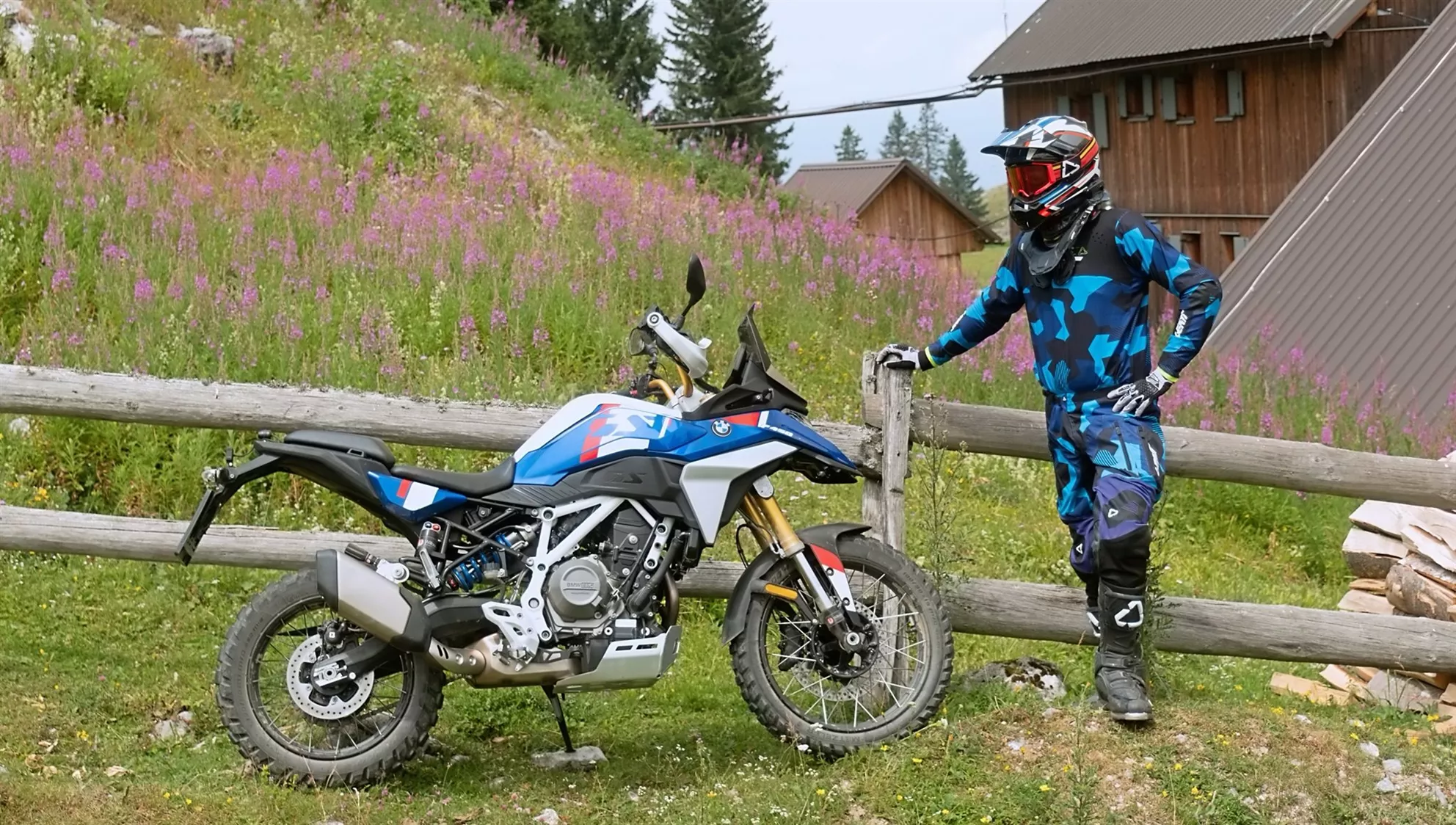
Over 1,000 km with blind spot warning on the BMW F 450 GS

Four days and more than 1,000 kilometers through Austria and Slovenia had to show what real safety gain modern equipment highlights like CarPlay, dashcam and the SR-1 millimeter-wave radar bring when they aren't tucked away in a luxury class, but retrofitted onto a compact bike.

NoPain

NoPain

published on 27/08/2026

6,301 Views

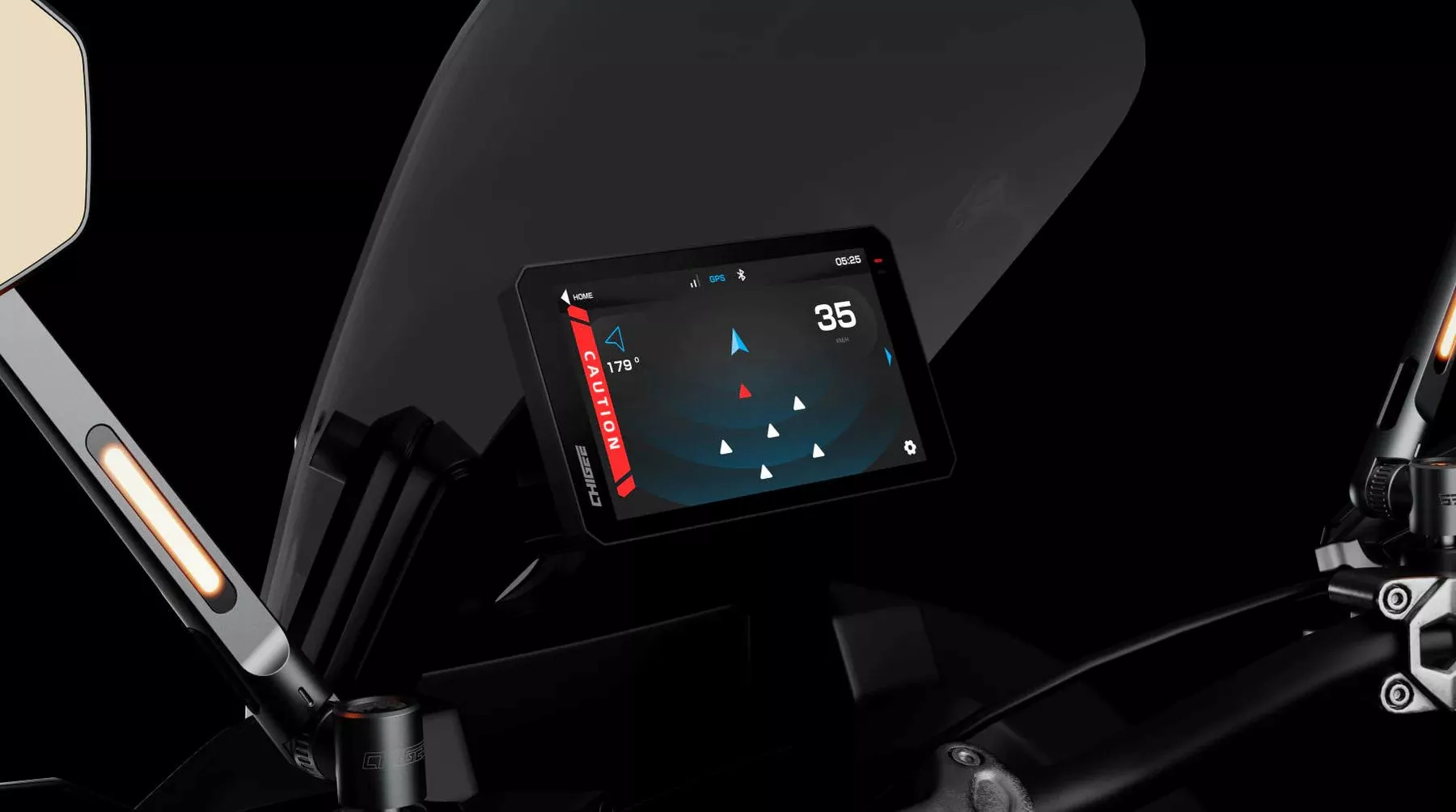
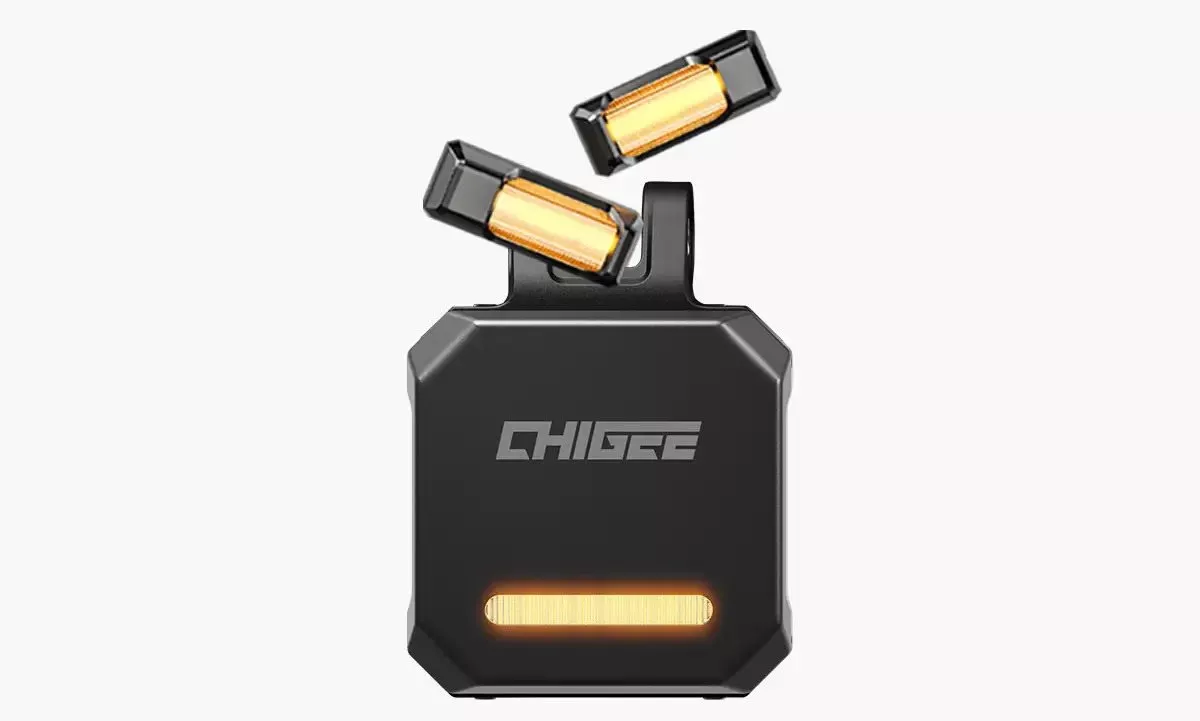
Blind spot warning, lane change assist and rear-facing radar have long been ingredients from that electronic delicatessen counter reserved mainly for expensive adventure touring bikes and luxury tourers. It's precisely this gap that the Chigee SR-1 millimeter-wave radar system is supposed to close. The small radar module can be operated independently of Chigee's own riding displays and only requires the two supplied warning lights positioned within the rider's field of view. Anyone who already owns a compatible AIO-5 or AIO-6 additionally gets graphical radar indications on the display, adjustment options and acoustic warnings through its speaker.

For our 1000PS Performance Check, the complete Chigee package was mounted on a BMW F 450 GS and then spent four days covering more than 1,000 kilometers of asphalt, gravel and rougher Slovenian-Austrian backcountry. Beyond pure functionality, practical use was our main focus: does the system generate lasting attention and more safety, or does the visual warning simply get tuned out on the road?

Additionally 10% discount with code: 1000PS or via the following link: 1000PS x Chigee
Chigee SR-1

Specifications Chigee SR-1

FEATUREDESCRIPTION
Radar system77 GHz millimeter-wave radar
Antenna architecture2 Tx / 4 Rx
Detection range70 m
Data refresh rate15 Hz
Speed measurement range±200 km/h
Range accuracy±0.15 m
Angular measurement accuracy±3°
Detection angle110° horizontal / 90° vertical
Assist functionsBSD (Blind Spot Detection), LCA (Lane Change Assist), RCW (Rear Collision Warning), AOA (Active Overtake Alert)
BSD warning zoneapprox. 10 m behind the bike in adjacent lanes
LCA warning zoneup to approx. 70 m
RCW warning zoneapprox. 10 m directly behind the bike
Activation speed0 / 10 / 30 / 50 km/h adjustable
Operating voltage12–18 V DC
Power consumption≤ 3 W
Operating temperature−25 to +65 °C
Water resistanceIP68 / IP69
Wireless connectionBluetooth BLE 5.0
Radar dimensions42 × 42 × 18 mm
Display compatibilityCHIGEE AIO-5 and AIO-6 series
Scope of deliverySR-1 radar module, two standalone warning lights, wiring and mounting accessories
CertificationsCE / FCC
Price (RRP)239.95 euros

The technical data comes from the Chigee homepage and the current manual (as of August 2026).

Chigee SR-1 Blind Spot Detection (BSD)

Chigee SR-1 with four subtle warning systems

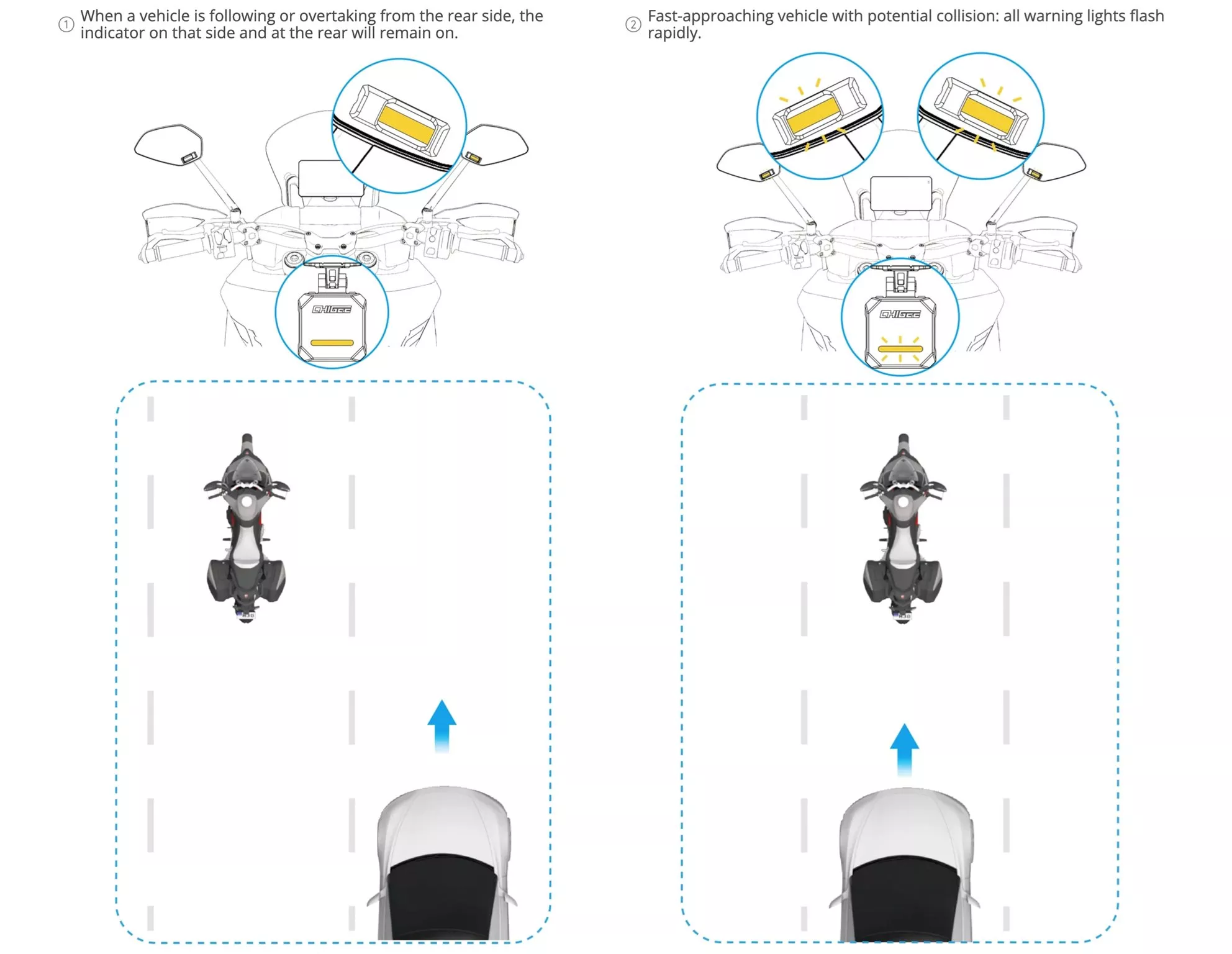
Chigee packs a full four assist functions into the SR-1, and the logic behind them becomes clear quickly in practice. BSD monitors the classic blind spot roughly ten meters behind the bike. AOA takes care, after an overtaking maneuver, of whether someone is still sitting off to the side and rear when merging back in. LCA works considerably further ahead and can factor in vehicles up to around 70 meters behind the bike, where it's not distance alone but especially relative speed that matters. Below 20 km/h, Chigee works by default with a roughly three-second risk horizon, between 20 and 60 km/h with five, and above that with up to ten seconds. RCW, in turn, focuses on what's happening directly behind the machine and detects the risk of a rear-end collision.

This distinction is important precisely because "70 meters of radar range" would otherwise quickly sound like a permanent early-warning system. But the SR-1 is not a Garmin Varia-style radar traffic display meant to announce every vehicle far behind as a matter of principle; it's primarily a blind spot and collision assist system. The desire for an earlier warning stands opposed to the manufacturer's deliberately chosen interpretive logic: to minimize false alarms from distant objects, the trigger impulse is primarily controlled via the combination of approach speed and relevance to the riding situation.

The formula: 70 meters of radar range + approach speed + relevance to the riding situation

The Chigee SR-1 is primarily a blind spot and collision assist system.

Chigee SR-1, XR-1 & AIO-6 installation

SR-1 fitted to the BMW

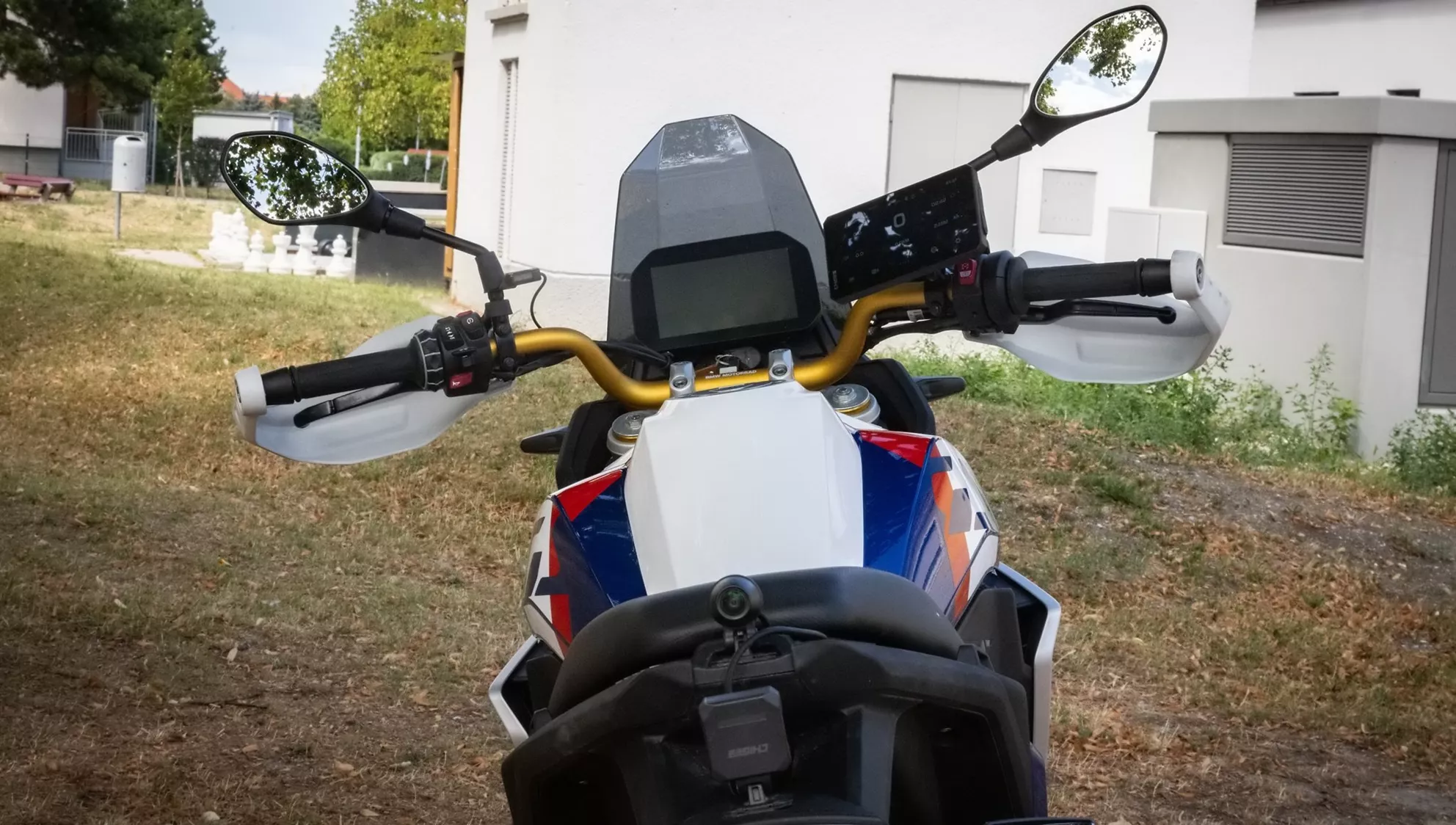
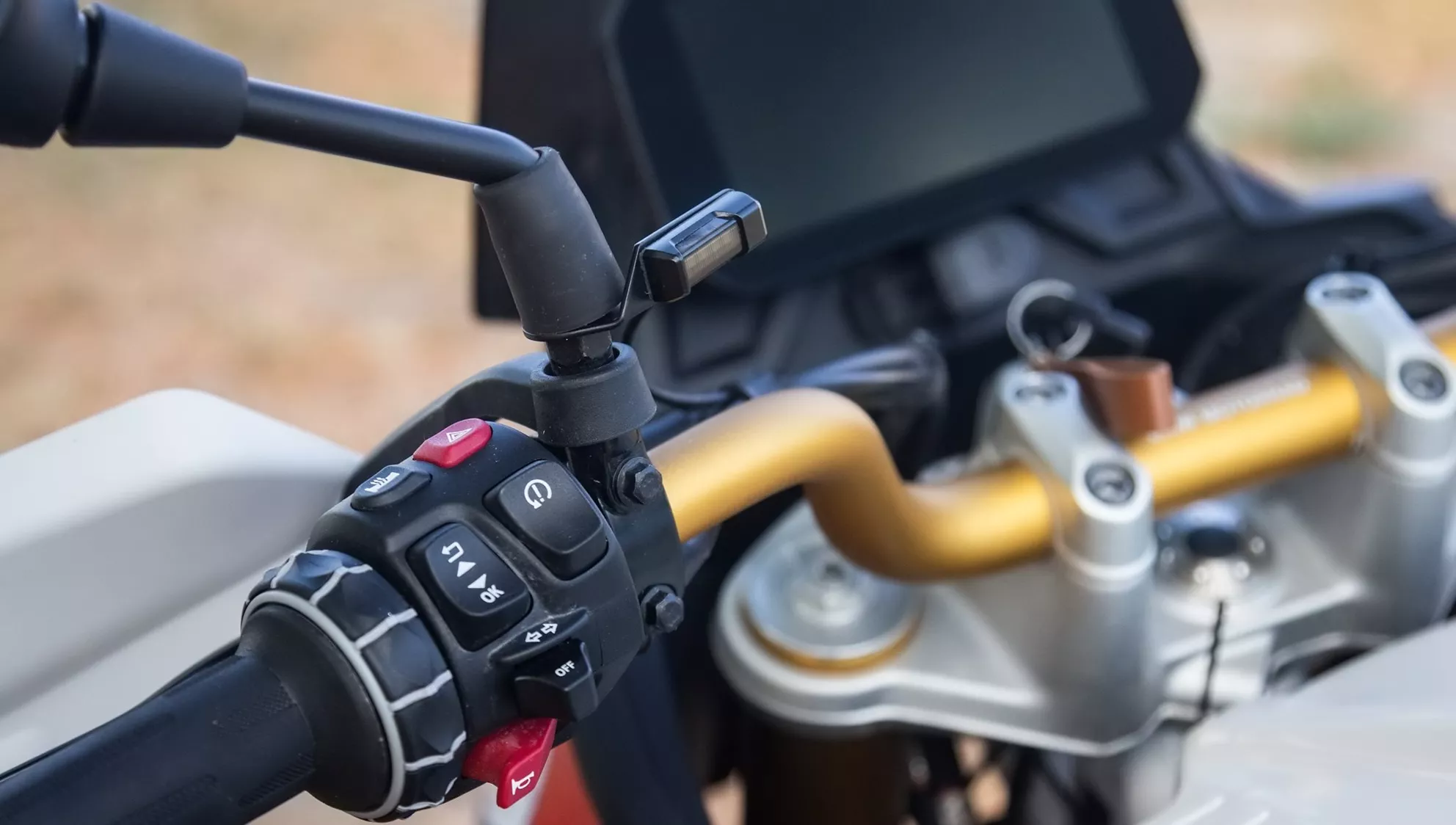
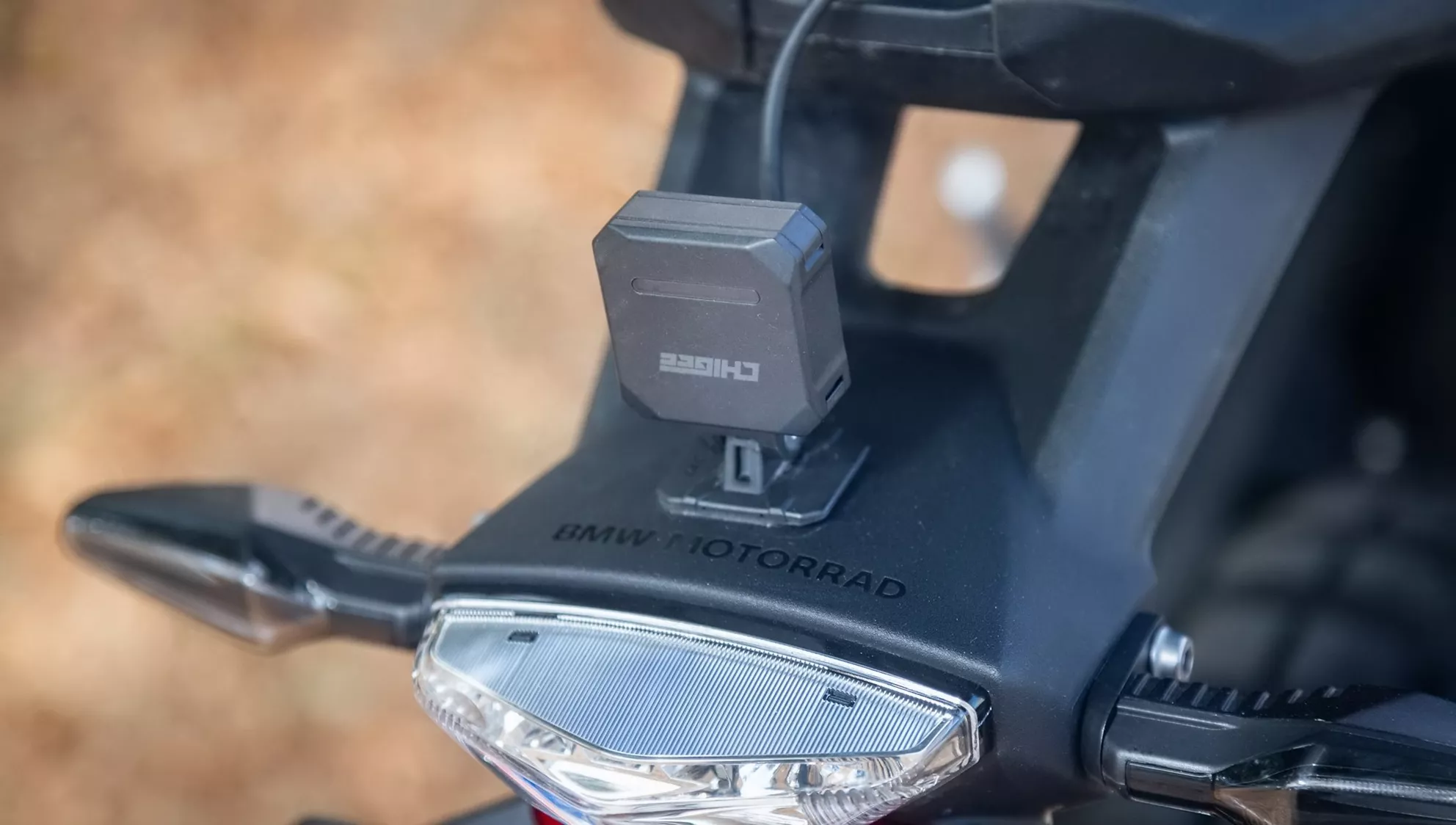
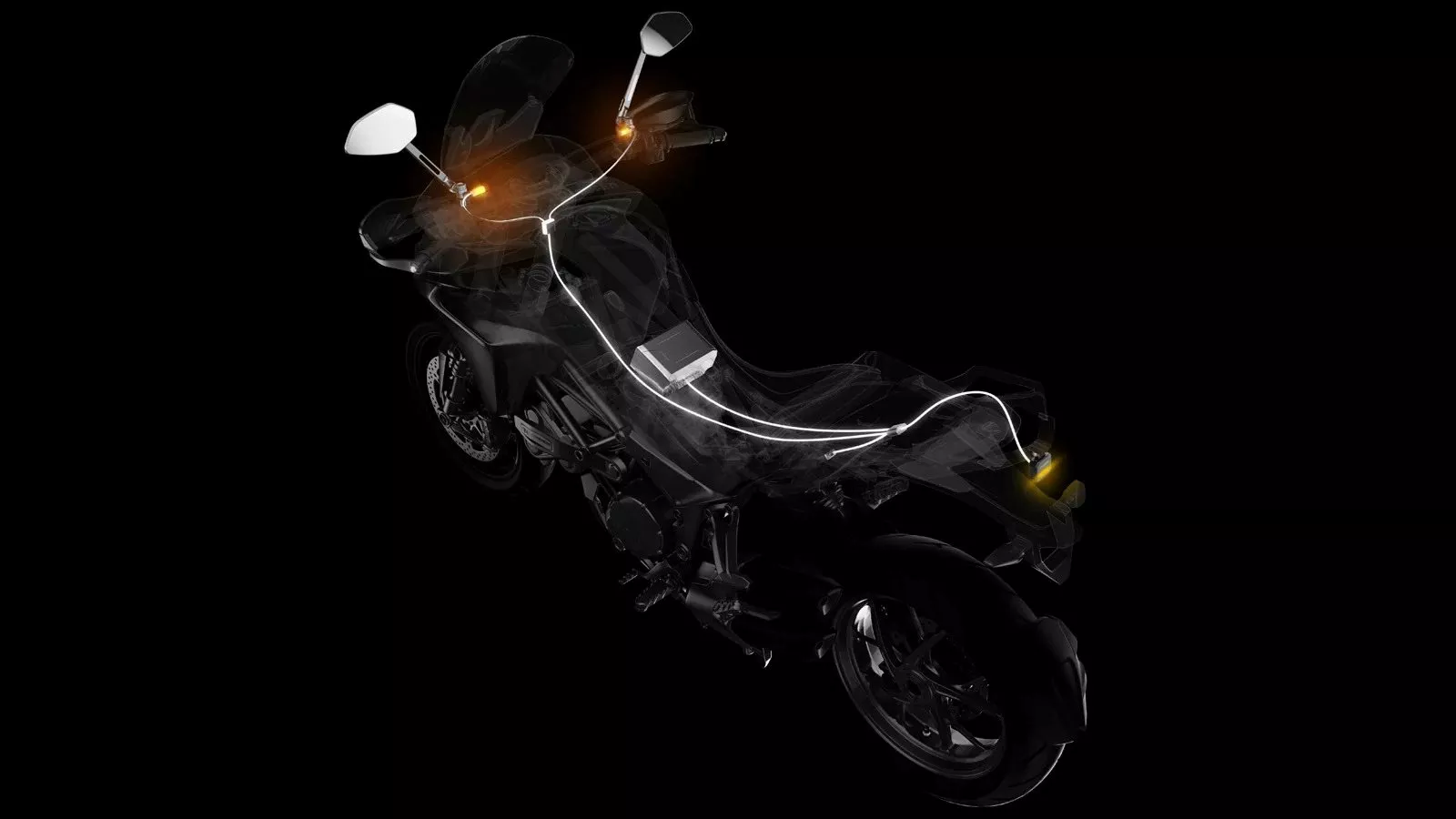
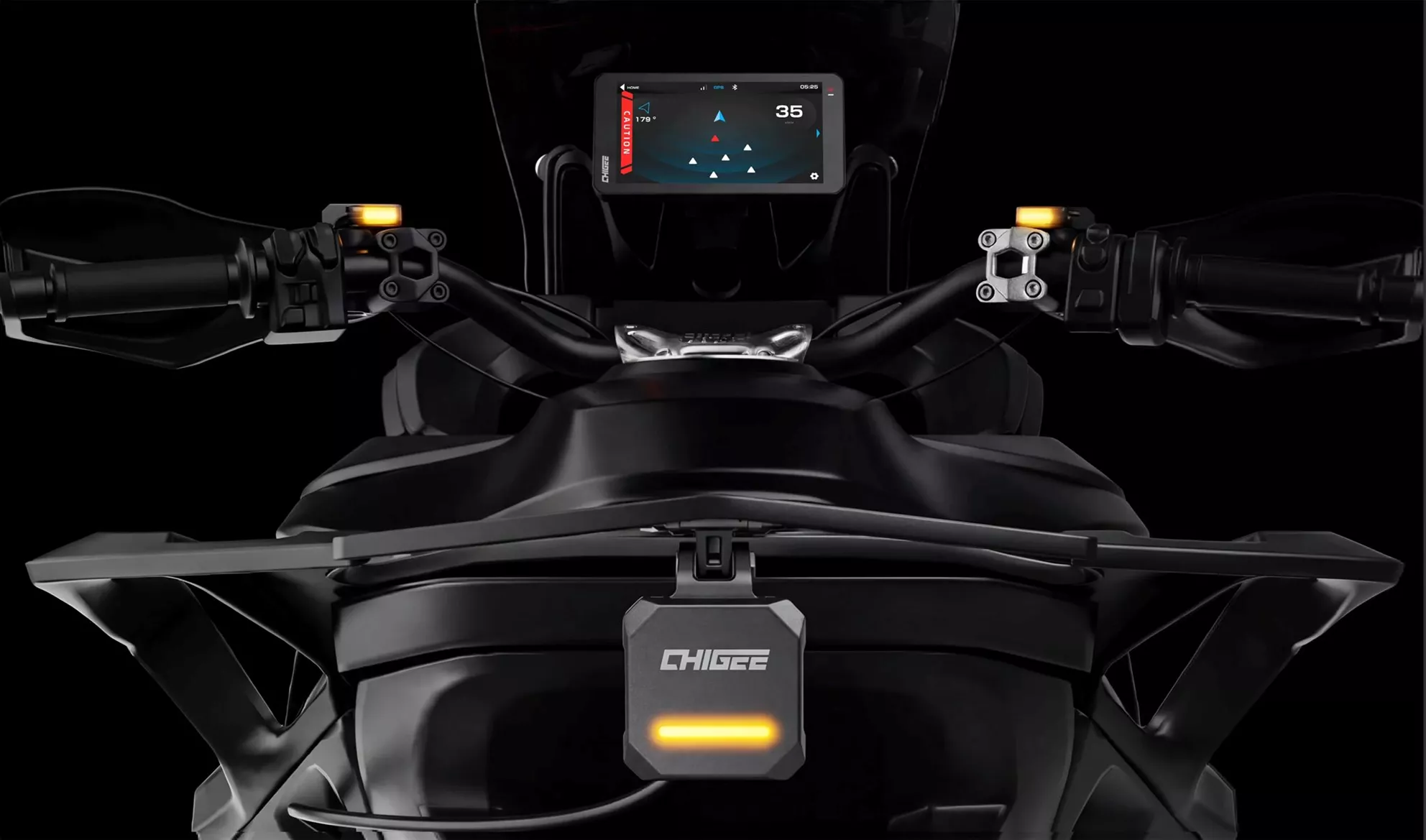
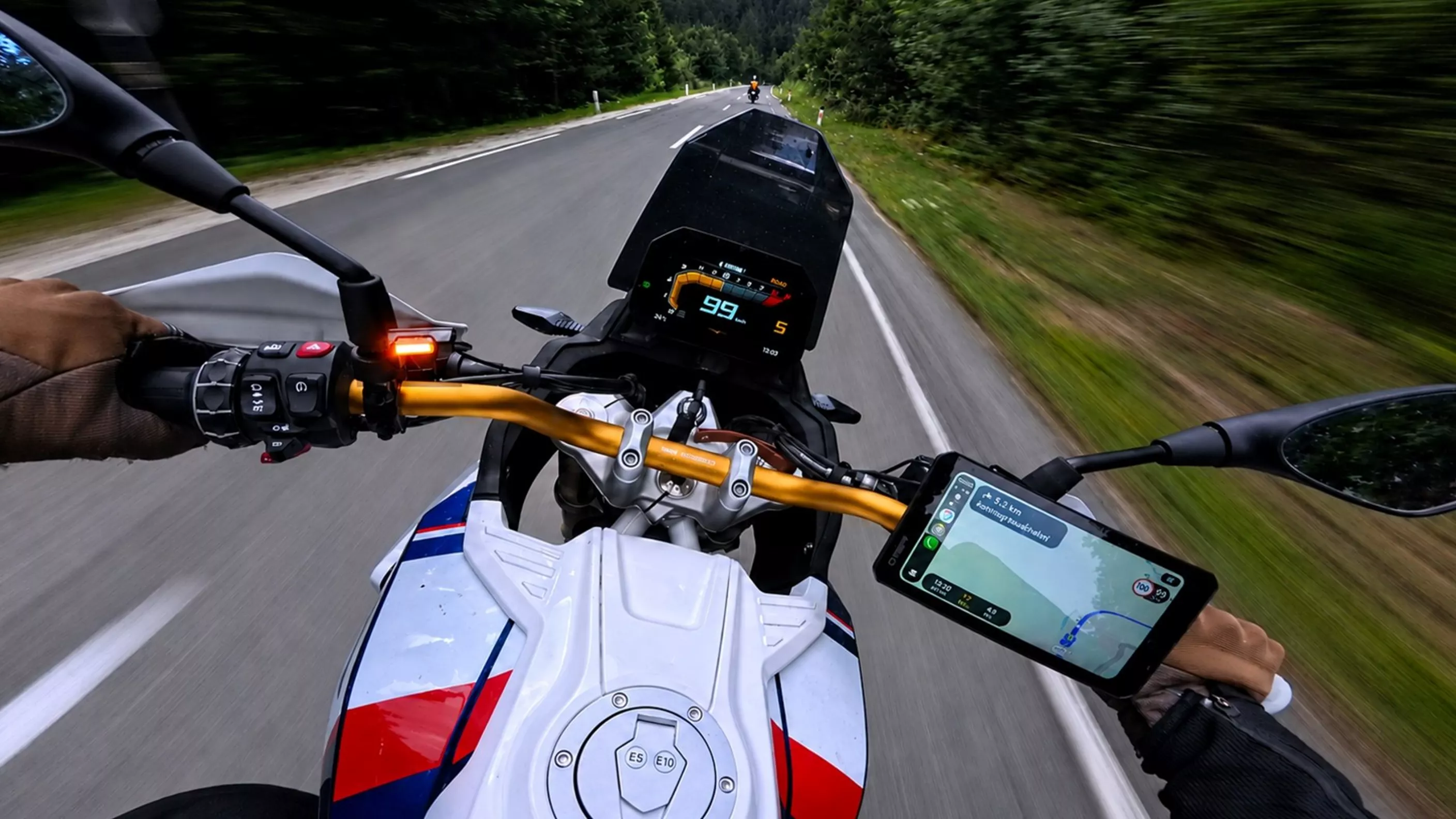
The BMW F 450 GS didn't make things overly easy for the extensive accessories, since above the standard TFT there's no generous adventure bar from which one could freely hang displays, lights or cameras. So the editorial team mounted the AIO-6 riding display on the mirror and also placed the two SR-1 warning lights there, right in the rider's direct peripheral field of view. The actual radar sits at the rear and, according to the manual, must be aligned horizontally, mounted at a height between 30 and 100 centimeters, and kept as free as possible from luggage, license plate holders or other obstructions. Plus, minus and a yellow ACC cable supply the system.

On the small BMW, the cable clutter could be tamed surprisingly cleanly. Front and rear camera, AIO-6, radar sensor and both warning lights could be routed without any adventurous loops, full steering lock was retained, and even the rougher off-road sections didn't loosen the mirror mount or the glued/fastened components. For an accessory system that retrofits several electronic aids at once, the finished bike came across as surprisingly little like a rolling test lab.

Editorial note: In our test, the radar module was mistakenly mounted upside down. In principle, the mount allows a variable installation (upright or inverted) in order to adapt the system to a wide variety of bikes. Here, we simply didn't read the instructions thoroughly enough during installation. This small faux pas, however, did not detract from the flawless operation.

Chigee SR-1 in the rain

Over 1,000 km with the SR-1 radar system

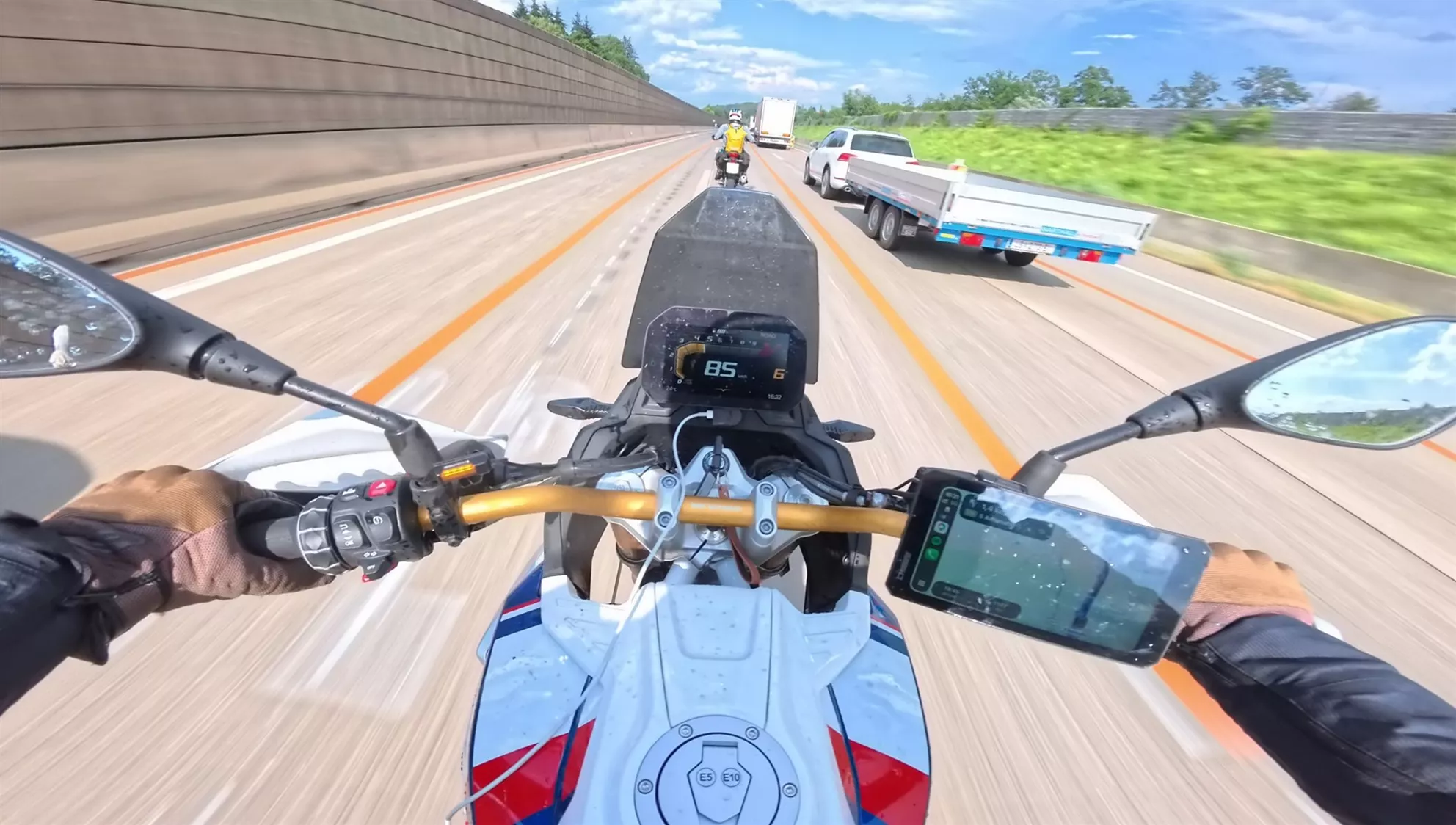
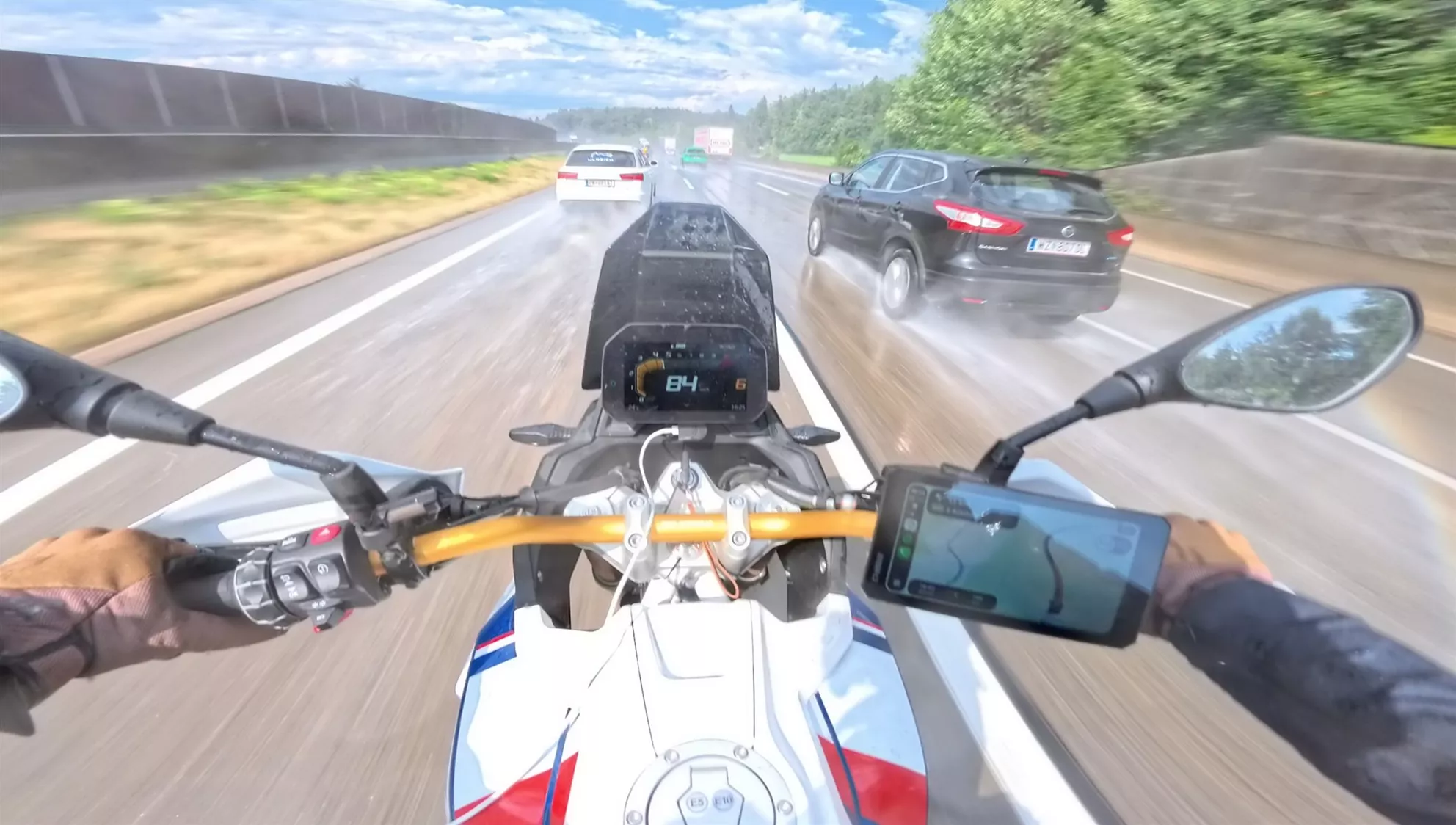
On asphalt it quickly became clear why radar-based blind spot warning has long been standard in cars. Cars, motorcycles and trucks approaching from behind and to the side were reliably detected by the SR-1 in our test, and it signaled via the respective left or right warning light on which side things could get tight. Timing, however, was decisive. The system didn't report every road user who appeared somewhere in the distance, but rather became prominent mainly when a vehicle actually moved into that zone where a lane change could end unpleasantly. Even longer rain sections didn't change that: despite a wet road, spray and a permanently damp sensor, the SR-1 kept working without any noticeable dropouts and detected rearward traffic just as reliably as in the dry.

The timing of the warning is actually pretty good. It warns neither unnecessarily early nor only once the car is already right beside you.

McGregor, 1000PS test editorial team

During the test, Gregor estimated the felt warning distance at about two to three meters behind the rear wheel. However, this is purely a subjective impression from the saddle and by no means a measured value or the technically defined warning zone. Chigee officially states around ten meters for BSD (Blind Spot Detection) and additionally works with relative speed and different warning algorithms. The seat-of-the-pants meter simply picked up on the warning mainly when the following traffic was really relevantly close. This is exactly where part of the strength lies: an assist system that constantly sounds the alarm eventually gets ignored. One that mostly announces itself at the right moment earns trust.

Chigee SR-1 false alarms off-road

Occasional false alarms off-road

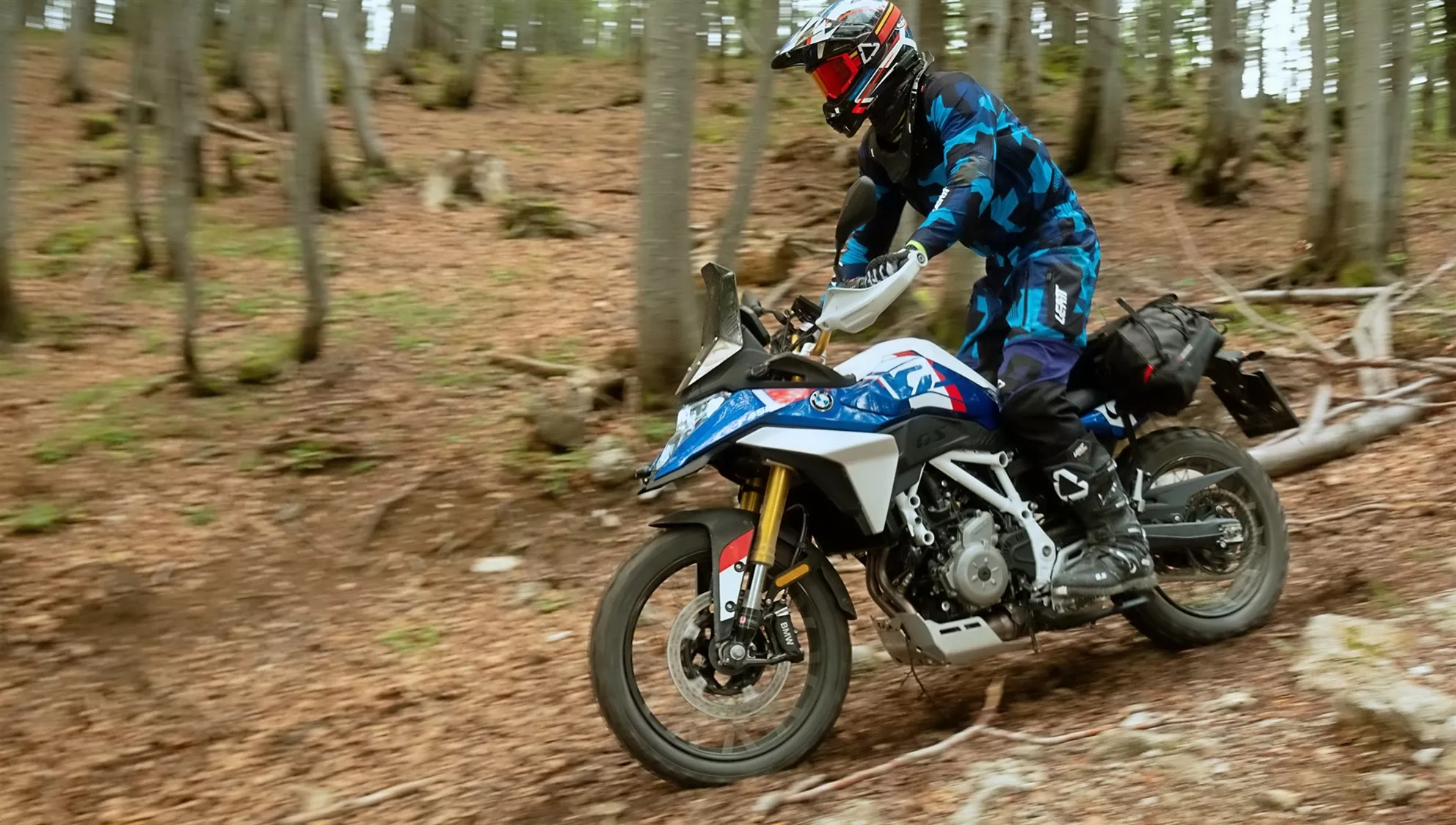
It doesn't go entirely without hits into the weeds, though. As soon as we left the road and were out on narrower off-road sections, the SR-1 occasionally interpreted far-reaching branches or dense scrub as a relevant object. That's not dramatic and wasn't bothersome either, thanks to the pleasantly dosed LEDs, but it nicely illustrates the limits of the technology: the radar simply doesn't know that the bush on the Slovenian gravel track definitely isn't planning a lane change.

The radar really detected cars, motorcycles and trucks well. Off-road, though, a branch occasionally earned itself a warning as well.

McGregor, 1000PS test editorial team

That puts our experience right in the middle of user reports so far. While some reviews report zero false alarms even after many rides and describe the system as extremely reliable, others mention occasional false reports in specific riding situations. So the SR-1 isn't infallible - but in normal road traffic, the hit rate convinced us completely.

Chigee SR-1 indicator lights

SR-1 warning lights instead of a shoulder check?

The two small orange indicator lights proved surprisingly well executed. In our setup they sat right by the mirrors, remained clearly visible out of the corner of the eye, and yet didn't burn into the retina. Chigee installs an ambient light sensor for this and automatically dims the brightness when it gets dark. This exact manufacturer promise matches our practical impression: visible, but not intrusive. Anyone using a compatible AIO-6 can, by the way, leave out the external LEDs entirely and rely solely on display warnings. We'd keep them anyway, because two small points of light at the mirror mount sit closer to the spot the eye wanders to during a lane change regardless.

The SR-1 does not replace mirrors or a shoulder check, and Chigee reasonably doesn't claim that either. Especially in dense traffic, the advantage arises one step earlier: even before you turn your head, you already know something is present off to the rear side. That can save that famous half second in which someone in front suddenly stands on the brakes while you're busy craning your neck.

Chigee SR-1 radar module

SR-1 rear collision warning (RCW) with counter-fire

We experienced a technically interesting additional function - even if entirely involuntarily - in practice: when the SR-1 detects a vehicle approaching from behind at a critical speed, it's not just the rider warning that triggers. Inside the radar module itself sits a bright light that suddenly starts flashing wildly to visually startle the following traffic. According to the manual, the RCW zone lies at around ten meters and is triggered via a dynamic time-to-collision calculation.

Whether this actually prevents a real rear-end collision in a genuine emergency can of course not be seriously assessed, but here the motto applies: if it doesn't help, it doesn't hurt.

SR-1 meaning of the LED indicators

Chigee SR-1 standalone

Using the Chigee SR-1 standalone

Perhaps the most important point for riders without a Chigee cockpit: the SR-1 doesn't need a Chigee riding display. Radar, wiring harness and the two supplied warning lights already form a complete system. With the current Chigee GO app, you can adjust sensitivity, activation speed and other warning parameters, among other things; firmware updates come via Bluetooth OTA. That makes the SR-1 particularly interesting for older bikes or cheaper models, where you might want to retrofit modern safety assistance without immediately needing a second display on the handlebar.

A major point of criticism remains the acoustics. Without a display there are only visual signals, and even in combination with the AIO-5 or AIO-6, warning tones don't reach the Bluetooth headset but only the built-in display speaker. This point sits right at the top of our wish list for the next generation: anyone riding at highway speed with a helmet and hearing protection naturally hears little from a speaker on the handlebar.

Chigee AIO-6 riding display

Chigee AIO-6 as command center

Our AIO-6 on the F 450 GS was far more than pretty packaging for the radar warning. The 6-inch IPS display with 1280 × 720 pixels and up to 2,300 nits, dual-core A53 processor and 4 GB RAM brings, above all, Apple CarPlay and Android Auto to bikes whose manufacturers don't provide such things from the factory. That's exactly where Gregor sees the greatest practical added value: pair the smartphone and set off immediately with Google Maps, music or a compatible motorcycle navigation app, without first having to learn a completely new operating universe. Chigee additionally supports, among other things, TPMS, OBD modules, cameras, BMW integration and, of course, the SR-1.

Chigee AIO-6 riding display

During the on-road legs, the editorial team navigated exclusively via the AIO-6 with Google Maps. The system reacted smoothly, remained easy to read and was quickly grasped even while riding. For off-road routes, things naturally depend on the smartphone app used; OsmAnd or Calimoto, for example, can be integrated into the CarPlay or Android Auto universe. On compatible BMWs, the AIO-6 can additionally be operated via a BMW quick-release module at the original navigation mount; depending on model and equipment, Wonder Wheel operation or additional CAN integration is also possible.

Once the SR-1 is paired, the warning is visualized on the AIO-6. Sensibly, Chigee automatically deactivates the camera's visual blind spot detection in this case and relies fully on the millimeter-wave radar.

Everyone basically knows Android Auto and Apple CarPlay. The smartphone connects immediately, the familiar apps are there and you find your way around from the very first second.

McGregor, 1000PS test editorial team

Chigee XR-1 cameras

Chigee XR-1 cameras on the AIO-6

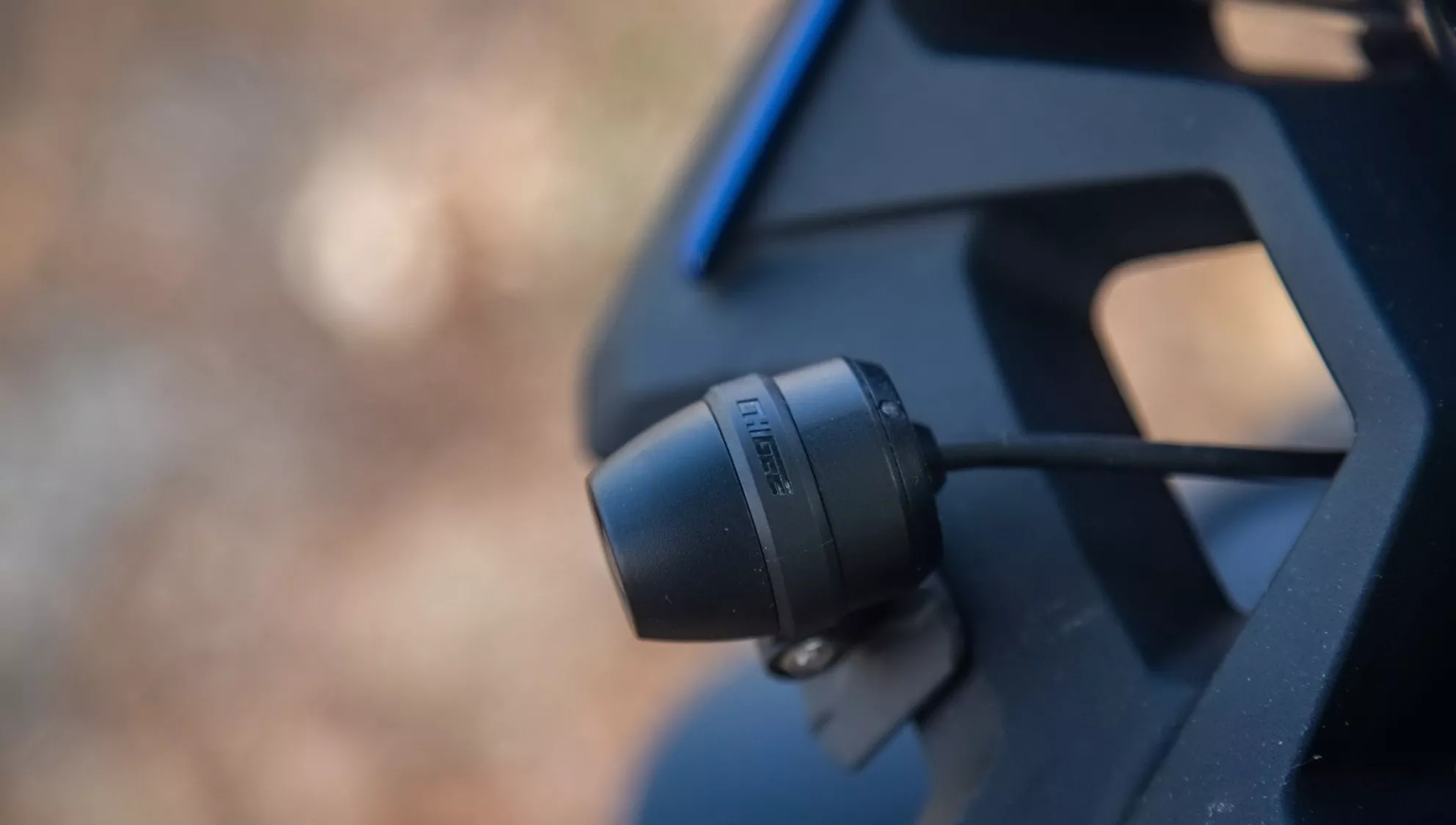
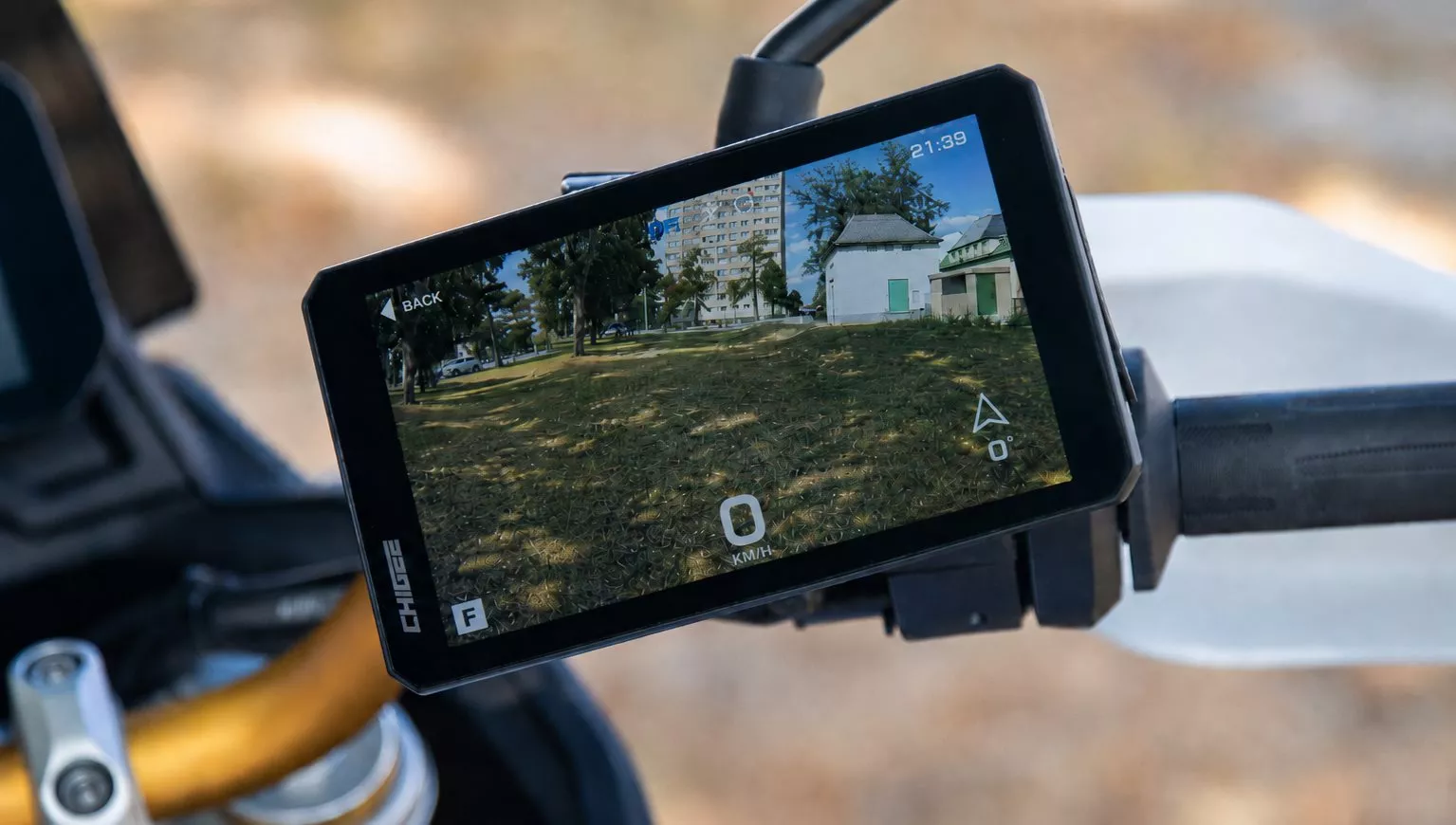
To clarify: on this trip, the editorial team did not use the complete Chigee XR-1 standalone system, which we already tested on NoPain's Ducati Hypermotard 698 Mono, but merely the front and rear cameras in combination with the AIO-6. The two separately available cameras record at 1920 × 1080 pixels, HDR and 60 fps; storage is via a separate, fast microSD card. Recordings are controlled directly via the AIO-6 or via the Chigee GO app.

Chigee XR-1 + SR-1 + AIO-6

Light and shadow with the SR-1

After more than 1,000 kilometers, no major weaknesses remain, but there are a few points one should know before buying. The stated 70 meters is only the maximum detection range and not a permanent warning distance - anyone expecting a far-reaching traffic scanner might initially be confused. In addition, off-road sections, dense vegetation or grazing objects can occasionally generate false reports.

Depending on the bike and wiring, longer cables might also be needed. Anyone who owns several bikes each with their own SR-1 and moves a single AIO display between them needs to keep in mind that the display can only ever be paired with one radar at a time. When switching bikes, the old radar must therefore be deleted and the new one freshly paired.

The clearest functional criticism for us, however, remains the lack of transmission of acoustic radar warnings to the intercom. It's not a dealbreaker, since the mirror LEDs work very well. But a system that integrates itself this convincingly into the digital motorcycle cockpit should, in the long run, also send its most important warning to where it's guaranteed to be noticed at 100 km/h: directly into the helmet.

Chigee SR-1 verdict

Conclusion: Chigee SR-1 millimeter-wave radar system

With the SR-1, Chigee promises a retrofittable radar system that's supposed to behave on a bike less like electronic gadgetry and more like a factory-fitted assist. After four days, more than 1,000 kilometers, and a mix of highway, country road, city traffic and off-road, we can confirm the core of this promise. Cars, motorcycles and trucks were reliably detected in the relevant zone, the warnings came, in our impression, mostly exactly when traffic actually became interesting, and the automatically dimmed LEDs remained noticeable enough without being annoying. An occasional Slovenian branch also managed to light up the warning LEDs, the 70-meter maximum range must not be confused with a 70-meter permanent warning zone, and the missing intercom output needs improvement. Still, the practical benefit is greater than expected. The concept is especially strong on bikes that offer no radar assistance whatsoever from the factory: the SR-1 works entirely standalone and later grows, with an AIO-6, into a significantly more comprehensive command center. For us, that's exactly where Chigee's greatest strength lies. You don't have to buy a 25,000-euro adventure bike first to get a modern blind spot radar. You simply bolt it onto whatever machine is already sitting in the garage.


Very reliable vehicle detection in road traffic

Well-chosen warning timing

Fully usable standalone

AIO-5/AIO-6 integration

Four different warning strategies

Bright, automatically dimmed indicators

Compact dimensions

Robust build quality

OTA updates

Meaningful safety gain even for older and cheaper bikes

Occasional false alarms from off-road vegetation

70 m detection range not to be equated with 70 m warning distance

Acoustic warnings only with Chigee display

Electrical installation with ACC required

Relatively short LED cables

Chigee SR-1 bike radar system for retrofitting Images

Source: 1000PS

Chigee SR-1 Motorcycle Radar System for Retrofits - Image 1
Chigee SR-1 Motorcycle Radar System for Retrofits - Image 2
Chigee SR-1 Motorcycle Radar System for Retrofits - Image 3
Chigee SR-1 Motorcycle Radar System for Retrofits - Image 4
Chigee SR-1 Motorcycle Radar System for Retrofits - Image 5
Chigee SR-1 Motorcycle Radar System for Retrofits - Image 6
Chigee SR-1 Motorcycle Radar System for Retrofits - Image 7
Chigee SR-1 Motorcycle Radar System for Retrofits - Image 8
Chigee SR-1 Motorcycle Radar System for Retrofits - Image 9
Chigee SR-1 Motorcycle Radar System for Retrofits - Image 10
Chigee SR-1 Motorcycle Radar System for Retrofits - Image 11
Chigee SR-1 Motorcycle Radar System for Retrofits - Image 12
Chigee SR-1 Motorcycle Radar System for Retrofits - Image 13
Chigee SR-1 Motorcycle Radar System for Retrofits - Image 14
Chigee SR-1 Motorcycle Radar System for Retrofits - Image 15
Chigee SR-1 Motorcycle Radar System for Retrofits - Image 16
Chigee SR-1 Motorcycle Radar System for Retrofits - Image 17
Chigee SR-1 Motorcycle Radar System for Retrofits - Image 18
Chigee SR-1 Motorcycle Radar System for Retrofits - Image 19
Chigee SR-1 Motorcycle Radar System for Retrofits - Image 20
Chigee SR-1 Motorcycle Radar System for Retrofits - Image 21
Chigee SR-1 Motorcycle Radar System for Retrofits - Image 22
Chigee SR-1 Motorcycle Radar System for Retrofits - Image 23
Chigee SR-1 Motorcycle Radar System for Retrofits - Image 24
Chigee SR-1 Motorcycle Radar System for Retrofits - Image 25
Chigee SR-1 Motorcycle Radar System for Retrofits - Image 26
Chigee SR-1 Motorcycle Radar System for Retrofits - Image 27
Chigee SR-1 Motorcycle Radar System for Retrofits - Image 28
Chigee SR-1 Motorcycle Radar System for Retrofits - Image 29
Chigee SR-1 Motorcycle Radar System for Retrofits - Image 30
Chigee SR-1 Motorcycle Radar System for Retrofits - Image 31
Chigee SR-1 Motorcycle Radar System for Retrofits - Image 32
Chigee SR-1 Motorcycle Radar System for Retrofits - Image 33
Chigee SR-1 Motorcycle Radar System for Retrofits - Image 34
Chigee SR-1 Motorcycle Radar System for Retrofits - Image 35
Chigee SR-1 Motorcycle Radar System for Retrofits - Image 36
Chigee SR-1 Motorcycle Radar System for Retrofits - Image 37
Chigee SR-1 Motorcycle Radar System for Retrofits - Image 38
Chigee SR-1 Motorcycle Radar System for Retrofits - Image 39
Chigee SR-1 Motorcycle Radar System for Retrofits - Image 40
Chigee SR-1 Motorcycle Radar System for Retrofits - Image 41
Chigee SR-1 Motorcycle Radar System for Retrofits - Image 42
Chigee SR-1 Motorcycle Radar System for Retrofits - Image 43
Chigee SR-1 Motorcycle Radar System for Retrofits - Image 44
Chigee SR-1 Motorcycle Radar System for Retrofits - Image 45
Chigee SR-1 Motorcycle Radar System for Retrofits - Image 46
Chigee SR-1 Motorcycle Radar System for Retrofits - Image 47
Chigee SR-1 Motorcycle Radar System for Retrofits - Image 48
Chigee SR-1 Motorcycle Radar System for Retrofits - Image 49