Is the Shark IRID a self-tinting or a photochromic visor?
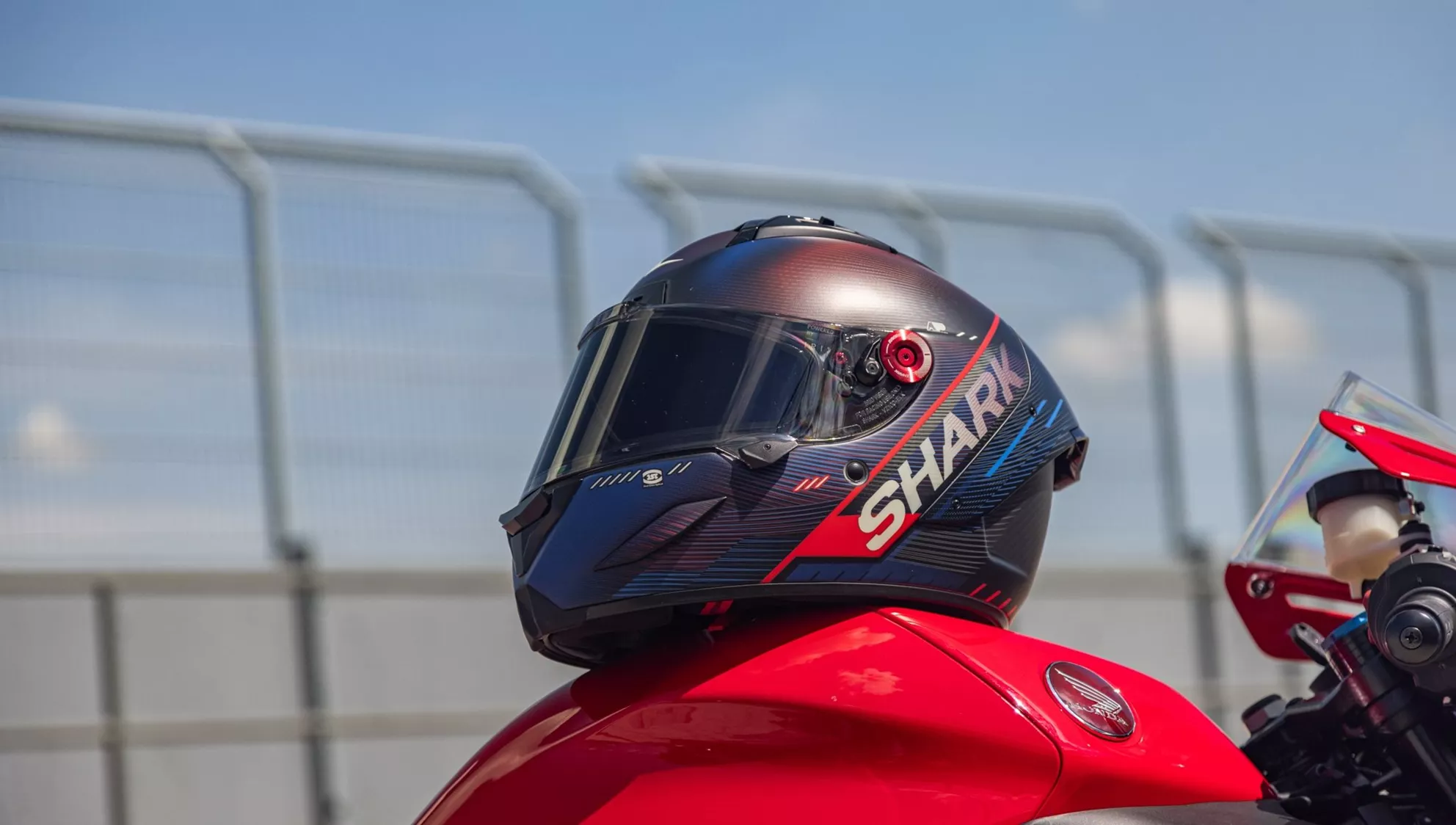
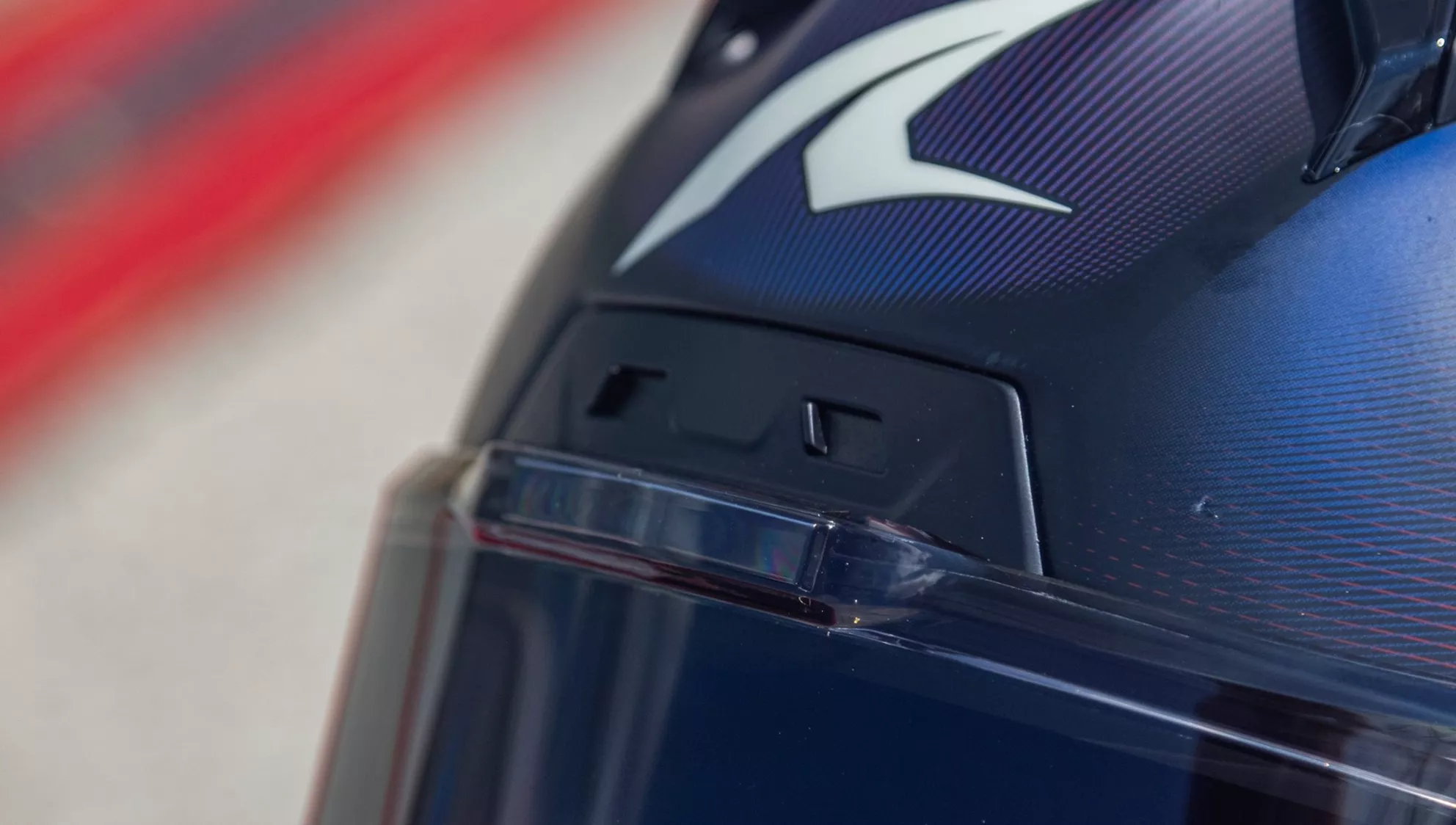
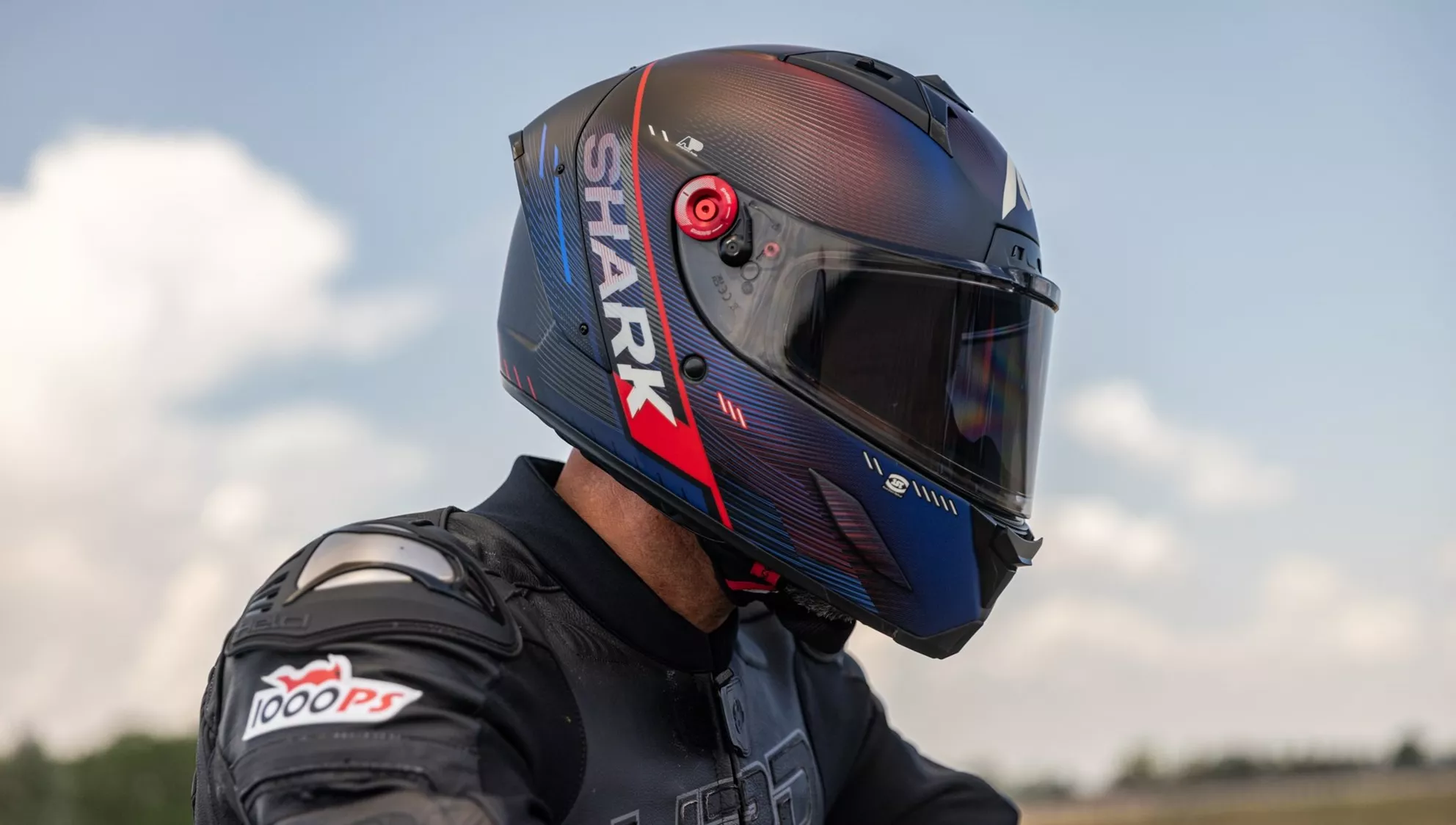
It's both, though it technically works differently from a classic photochromic visor. Shark itself lists the IRID visors as photochromic instant visors, but the tint isn't produced by a chemical UV reaction in the material — instead, it comes from an electrochromically controlled liquid-crystal film with a solar panel at the top edge of the visor and a light sensor. This means the self-tinting visor reacts to actual ambient brightness rather than just UV radiation. There's no switch, no charging port and no control logic.
What does a self-tinting photochromic visor from Shark cost?
The self-tinting Shark IRID costs 390 euros as the Clear variant, and 420 euros each for Dark Smoke and Blue. The tested Shark Aeron Carbon is listed at 869.99 euros MSRP, already including a Dark Smoke standard visor. Price remains the biggest criticism of the IRID, even though high-quality photochromic visors without electrochromic instant reaction aren't cheap either.
How quickly does an electrochromic visor tint compared to a photochromic one?
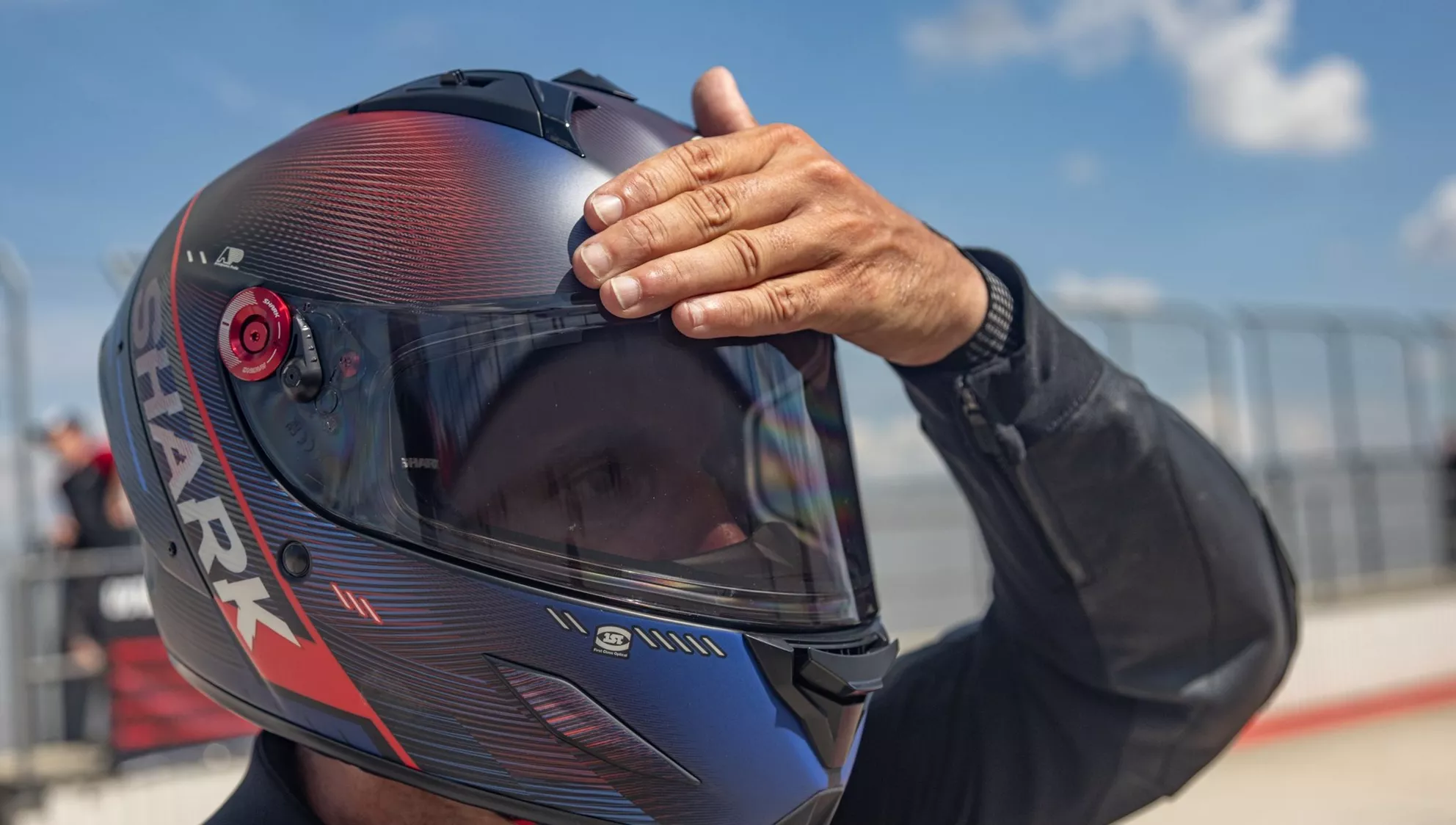
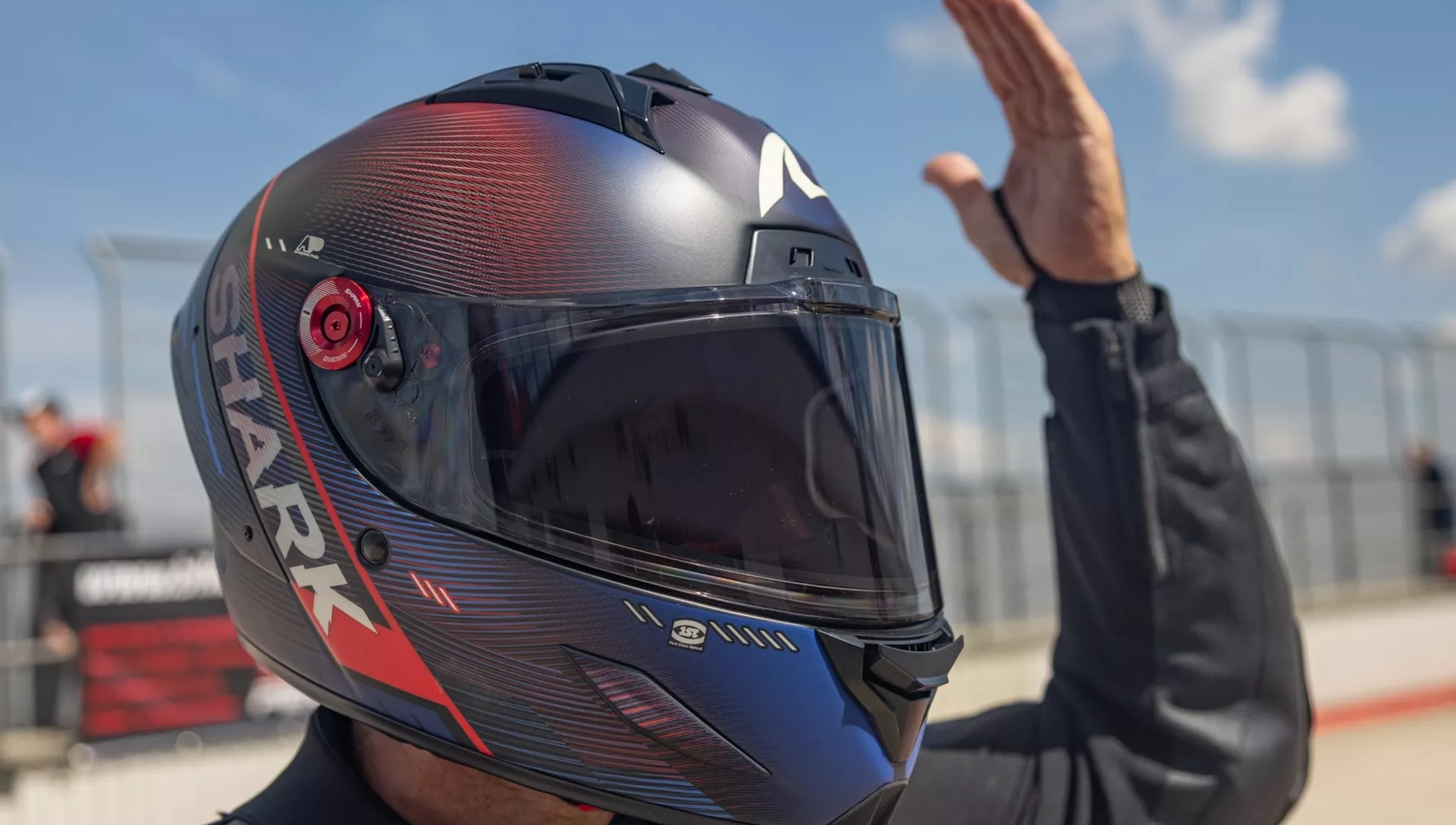
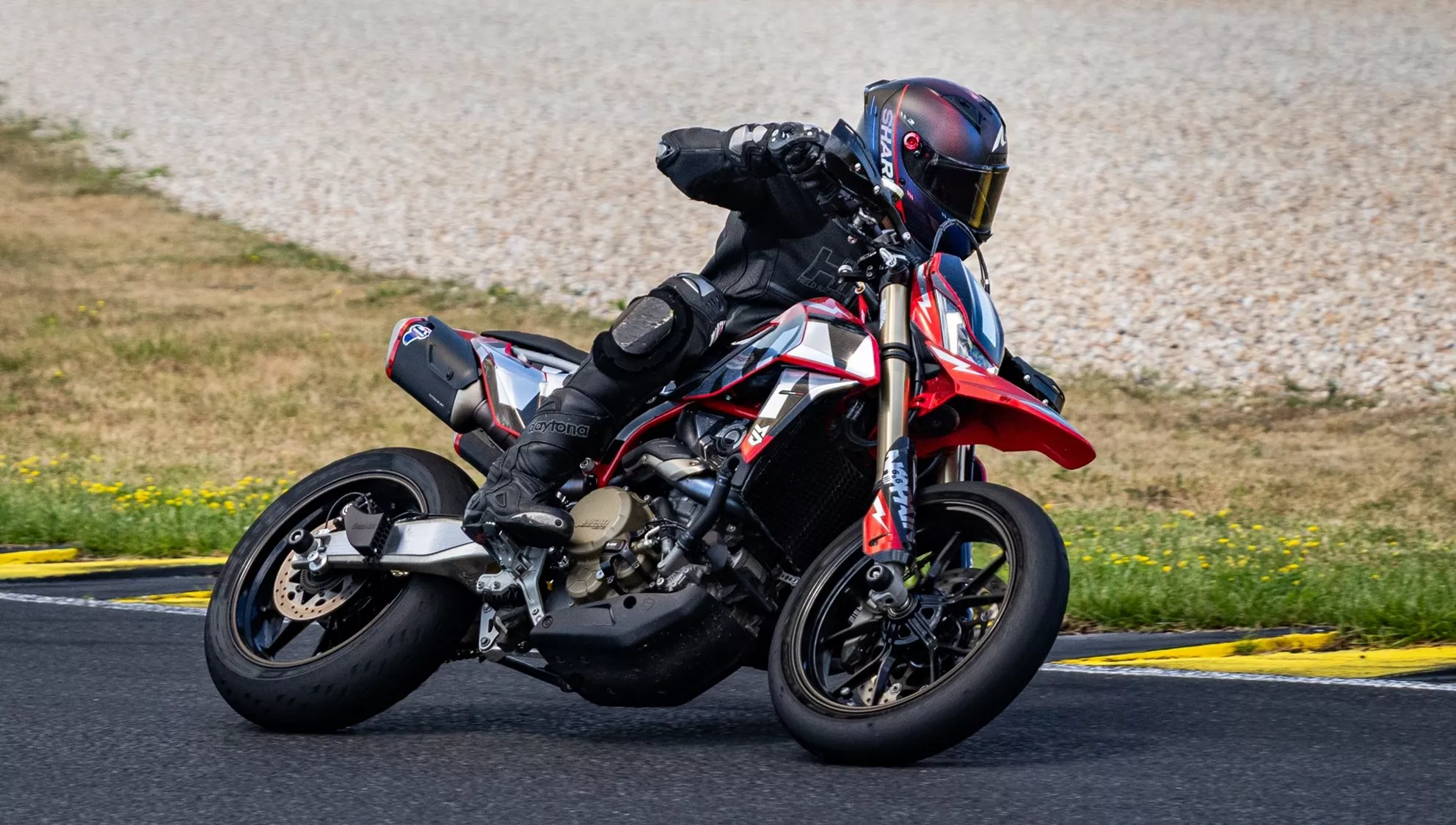
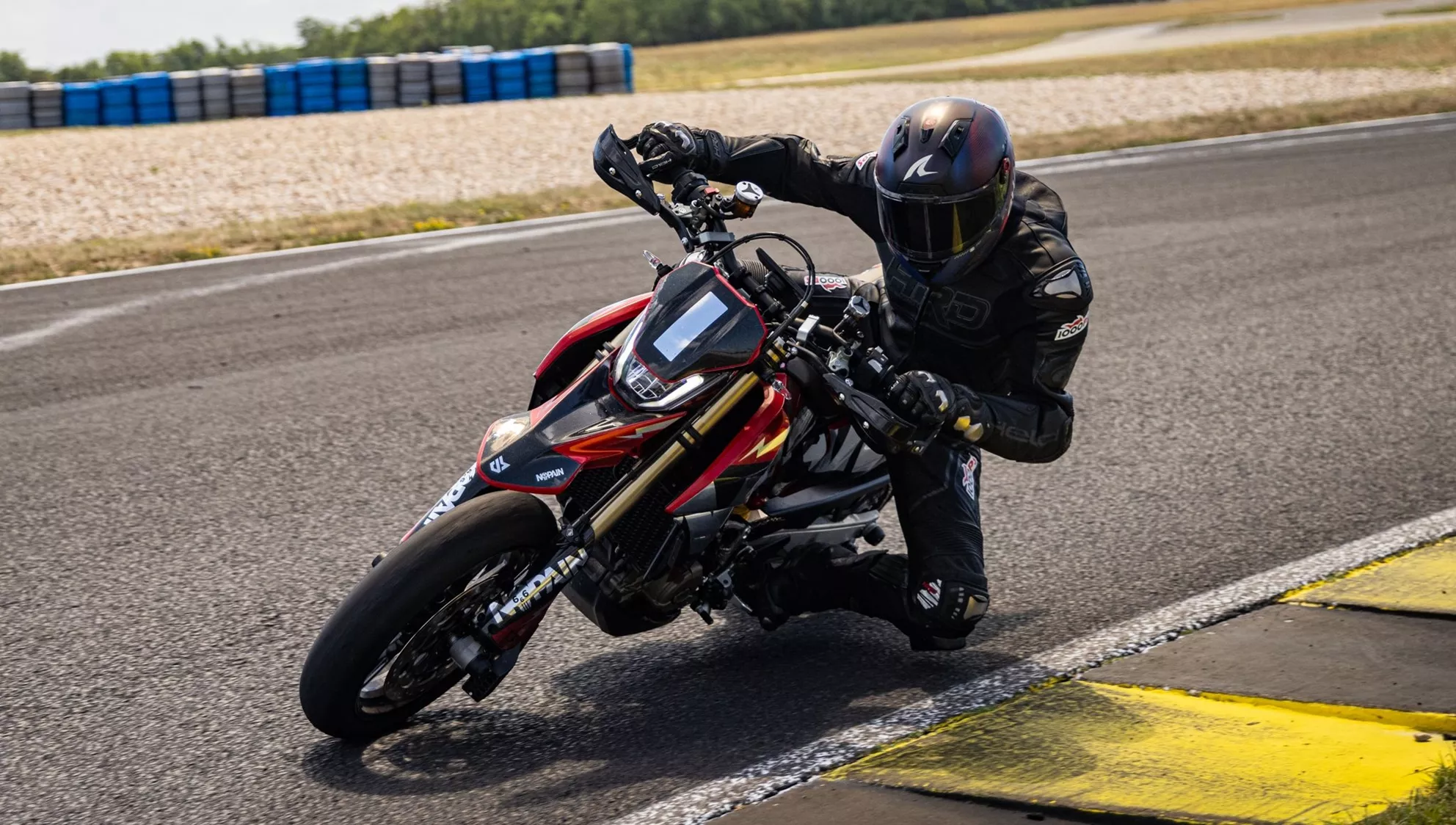
In our test, the self-tinting Shark IRID Dark Smoke darkens in under a second, while fully brightening takes just under three seconds. Shark states the same sub-one-second darkening time for the Clear and Blue variants as well. Classic photochromic visors need many seconds to minutes for this, with the switch back from dark to light in particular considered too slow. The difference is noticeable in dappled forest light, in underpasses and short tunnels — anywhere the light is constantly changing.
Which self-tinting Shark visor is approved for road use?
Only the IRID Clear is approved for road use and ECE-homologated for daytime operation. Dark Smoke and Blue are pure track visors without road-traffic approval. This matches our practical impression: the tested Dark Smoke lets through between 38 and 12 percent of light and looks noticeably tinted even in its lightest state, while Clear, at 64 to 20 percent, offers far greater everyday flexibility. For commuters and touring riders, the Clear variant is therefore the more sensible choice.
Does the self-tinting Shark IRID visor need a battery or a Pinlock insert?
Neither. Energy for the liquid-crystal film comes from the integrated solar panel; no battery, charging cable or switch is needed. A second inner lens is also unnecessary, since the photochromic IRID comes with an integrated anti-fog coating, keeping the inner surface smooth and cleaning simple. The technology is paid for with extra weight: we measured 212 grams versus 175 grams for the original Shark visor, though these 37 grams weren't noticeable while riding.
Which helmets does the photochromic Shark IRID visor fit?
The tested racing variant fits the Shark Aeron as well as the Race-R Pro, Race-R Pro GP, Aeron GP and Aeron GP FIM. The self-tinting visor is fitted via the same tool-free quick-release mechanism as the standard visor, locks cleanly, and opens via the side tab. The IRID thus operates exactly like a normal Shark visor, despite the added technology.
&width=72&height=72&bgcolor=rgba_39_42_44_0&mode=crop "Author: NoPain")