
Indian Chief Vintage 2026 Review: Wolf in Sheep's Clothing?

Indian Chief Vintage 2026 Review: Wolf in Sheep's Clothing?

1.9L V-Twin, 163 Nm, 1940s Fenders, More Sporty Than Expected

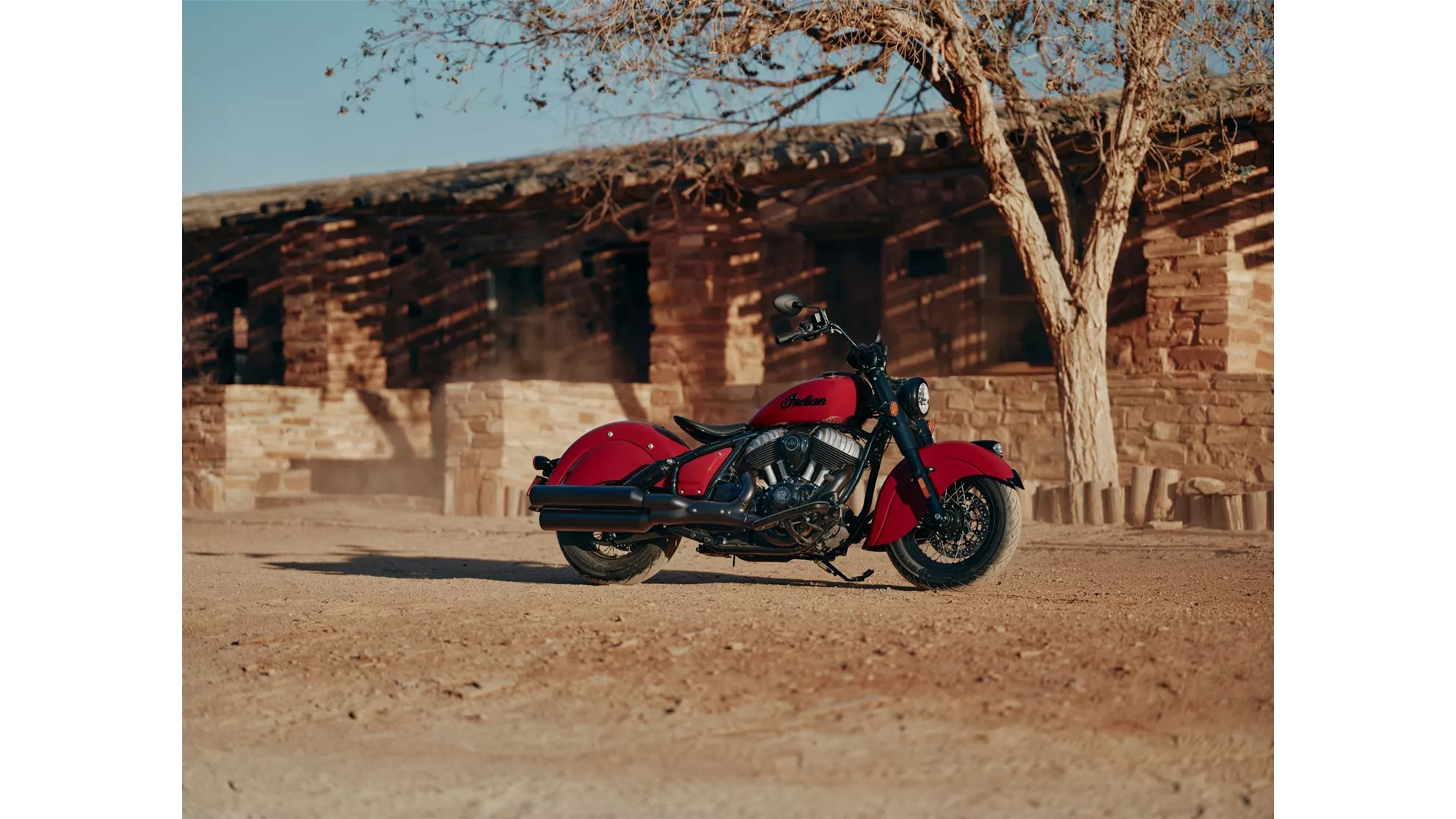
America's oldest motorcycle brand celebrates 125 years by introducing its most purist model yet. The Indian Chief Vintage looks like it's straight out of 1946, featuring 3D-scanned original fenders and deliberately minimal chrome. But beneath the vintage appearance lies a surprise: with a 150 rear tire instead of the usual 180, it handles more nimbly and corners more sportily than the Sport Chief. We put the 1.9-liter cruiser with 163 Nm of torque to the test on the switchbacks, country roads, and highways around Alicante.

FunkyFrankee

FunkyFrankee

published on 10/02/2026

18,846 Views

There are motorcycles you test for their technology. And then there are those you test for their history. The Indian Chief Vintage 2026 is both—and then some. In Alicante, Spain, Indian invited the international press to experience the newest member of the Chief family on the roads of southern Spain. What appears at first glance to be a rolling museum piece proves to be a real surprise on the road.

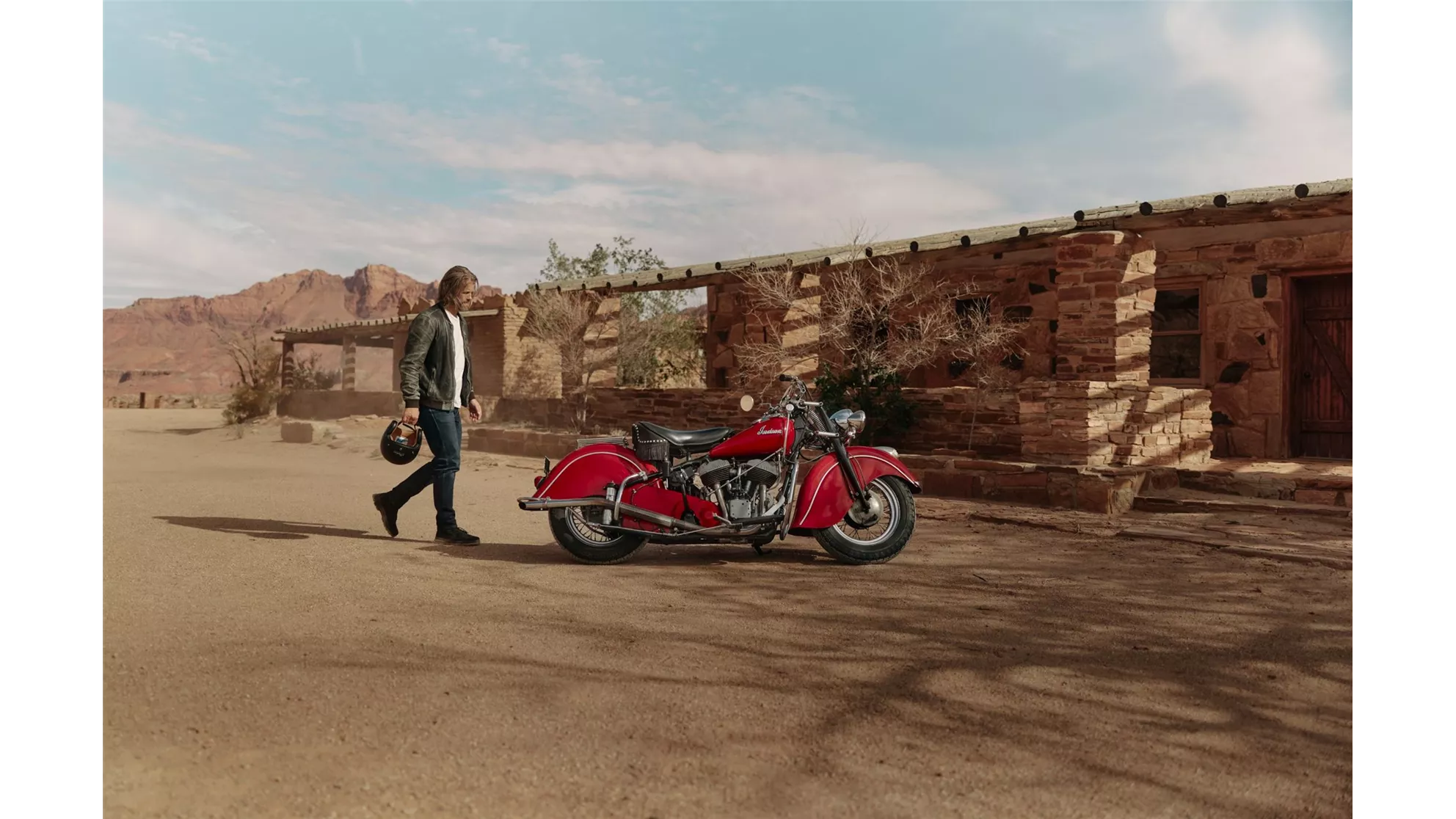
To put things into perspective: Indian Motorcycle was founded in 1901 in Springfield, Massachusetts—two years before Harley-Davidson—making it the oldest American motorcycle brand. In the 1910s, Indian was even the world's largest motorcycle manufacturer, winning the Isle of Man TT among other accolades. Then came the decline, bankruptcy in the 1960s, revival under Polaris, and as of February 2026, the brand stands on its own again. The new owner is the investment firm Carolwood LP from Los Angeles, and the new CEO is Mike Kennedy, an industry veteran with a background at Harley-Davidson and Vance & Hines.

2026 marks the 125th anniversary. And what could be more fitting than to launch a model that is closer to its roots than any other in the current lineup?
Design of the Indian Chief Vintage 2026: Genuine Archaeology, Not Retro-Fake

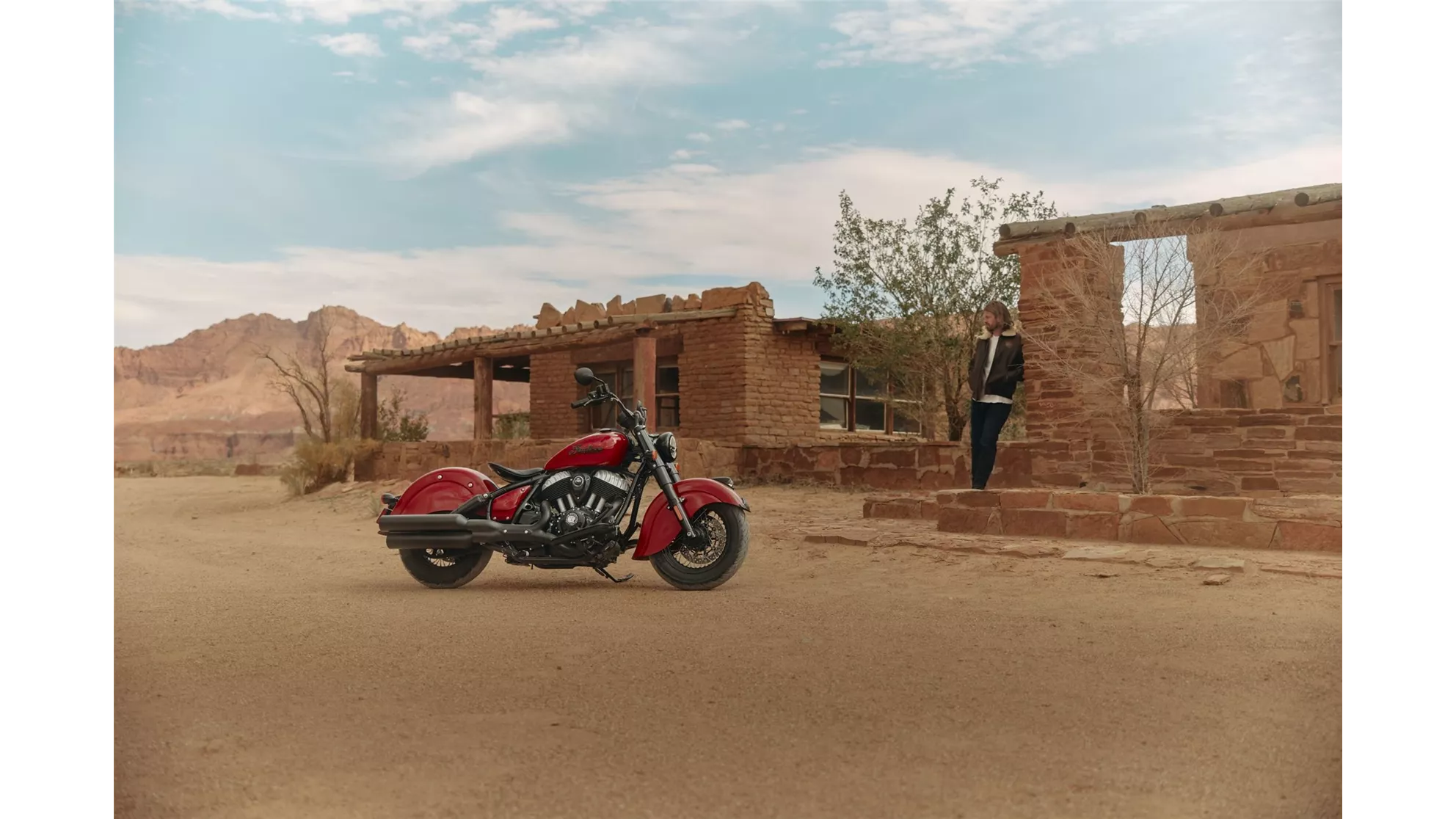
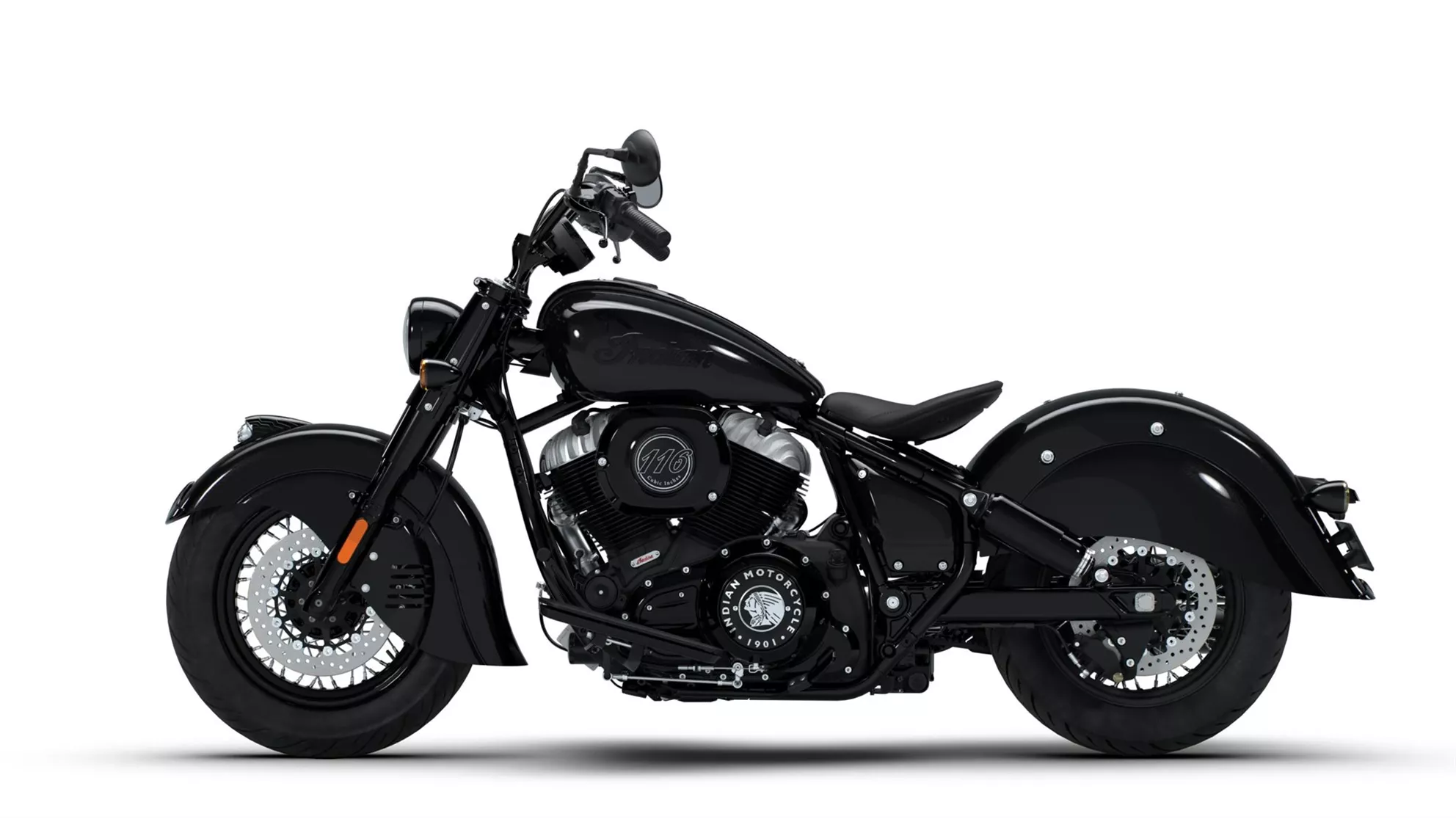
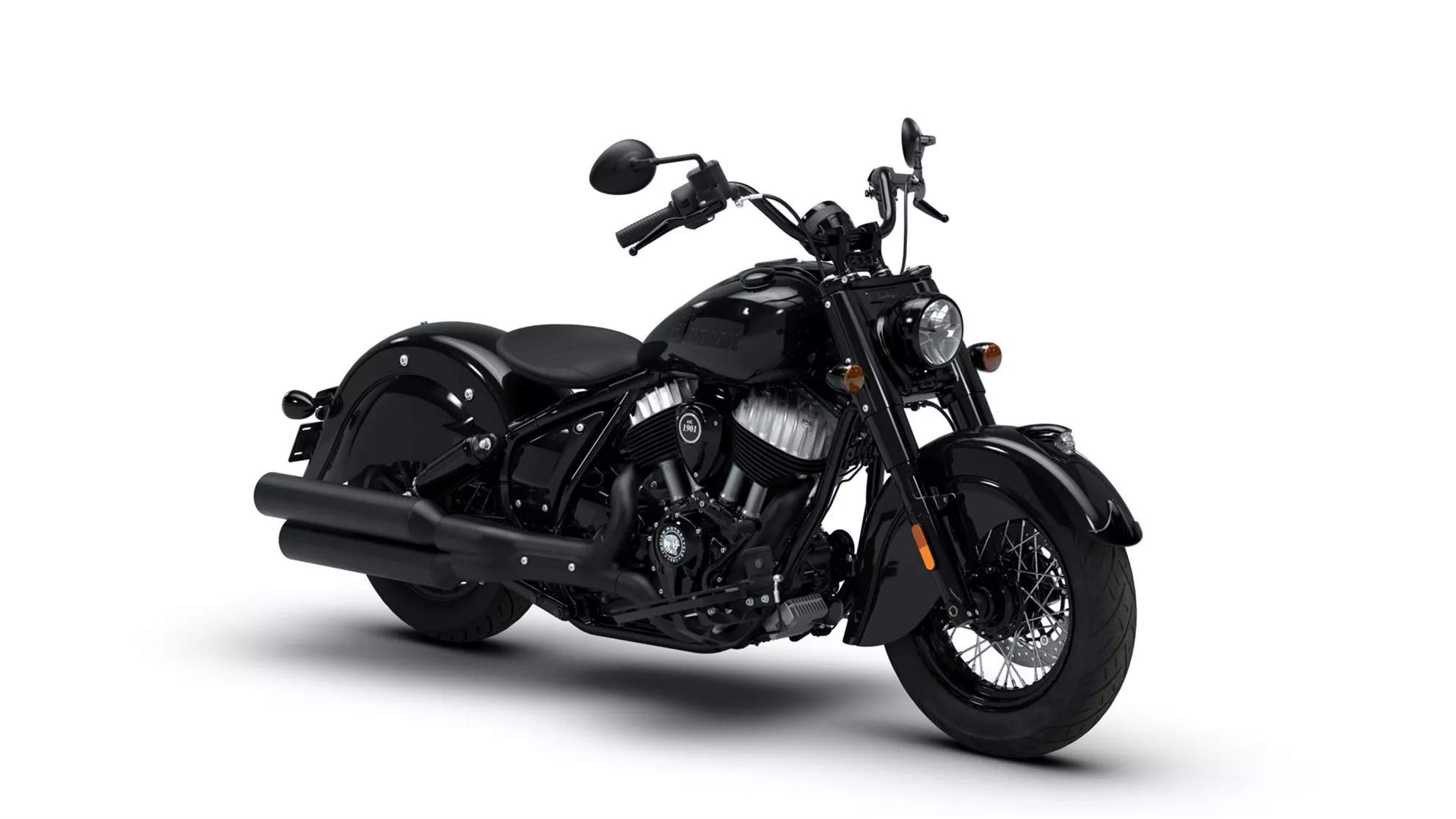
When you first lay eyes on the Chief Vintage, you're immediately transported back to the 1940s. And that's entirely by design. Ola Stenegärd, the head of design, who personally guided us through the design philosophy at the presentation on the eve of the test day, shared that a photo of a 1940s Indian Chief ignited his lifelong passion for cruisers—back when he was a young boy in Sweden.

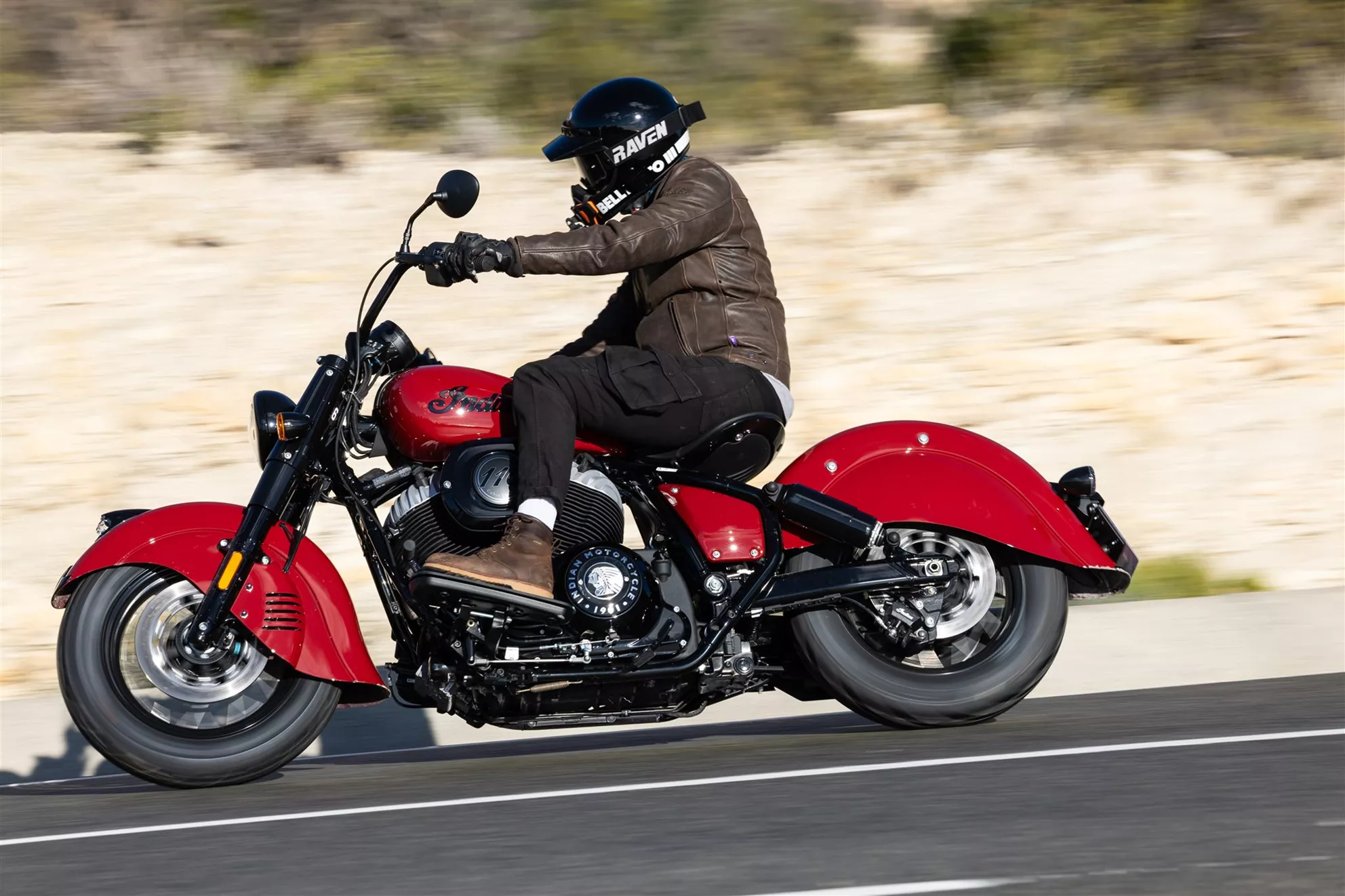
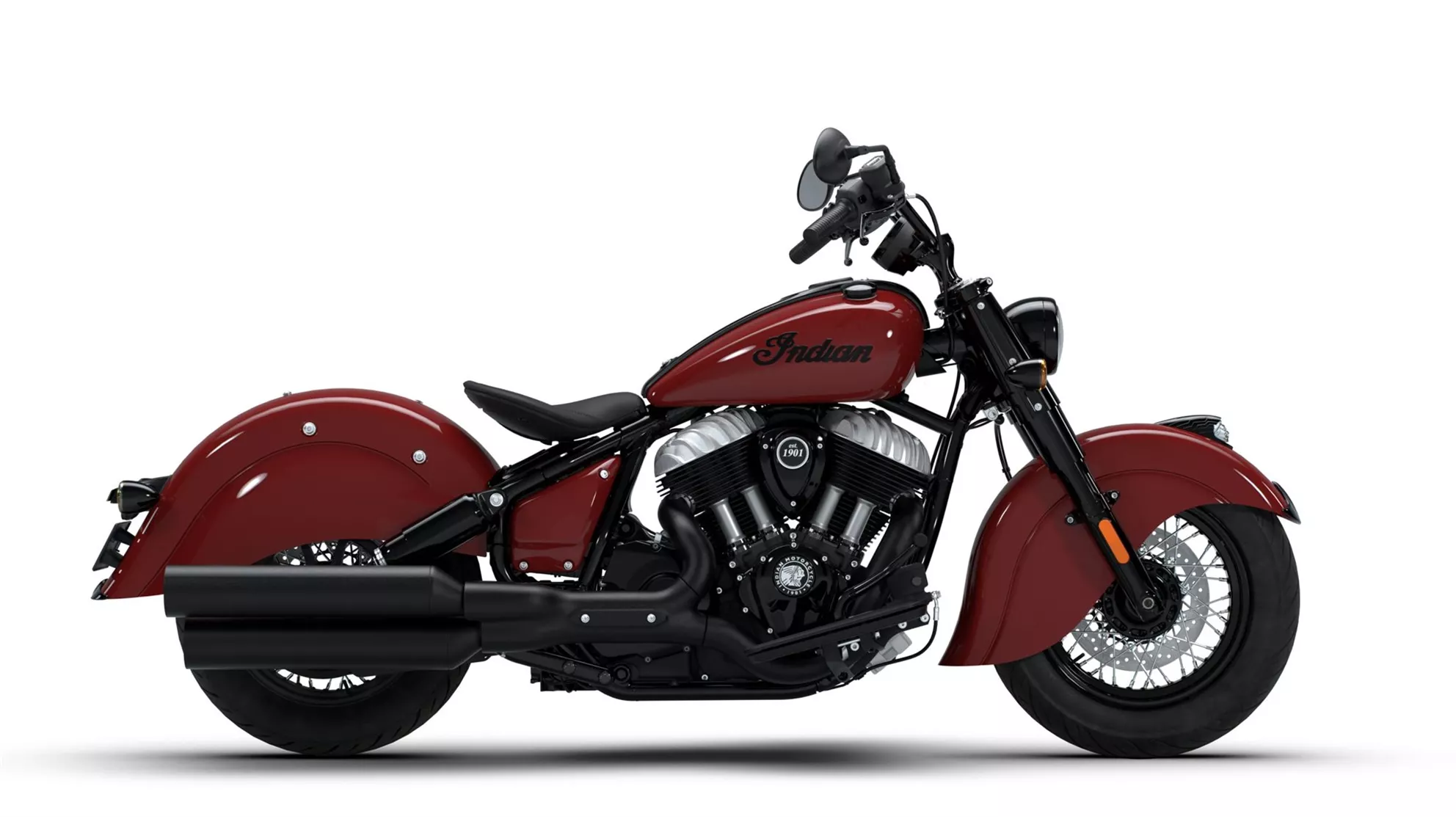
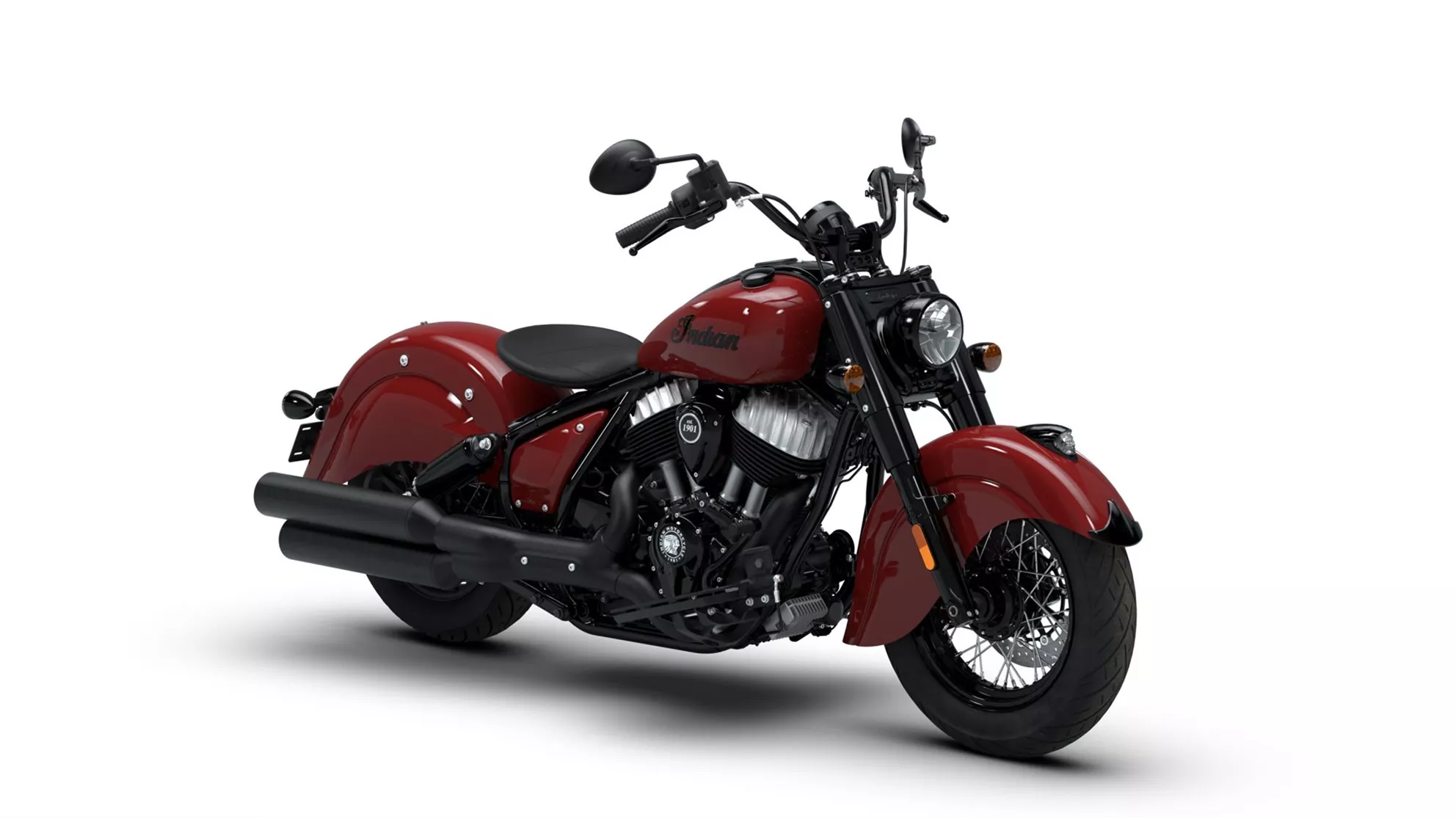
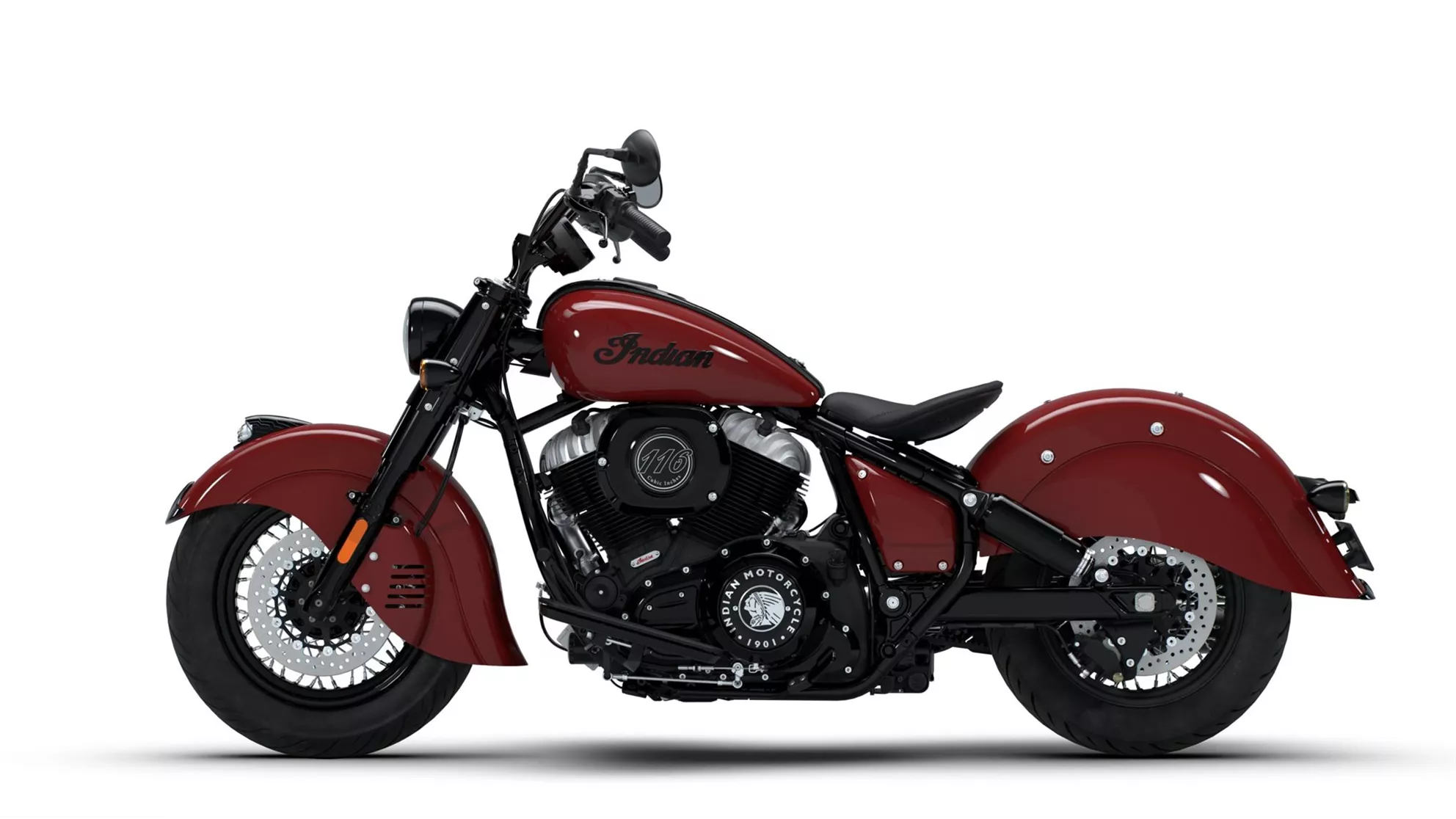
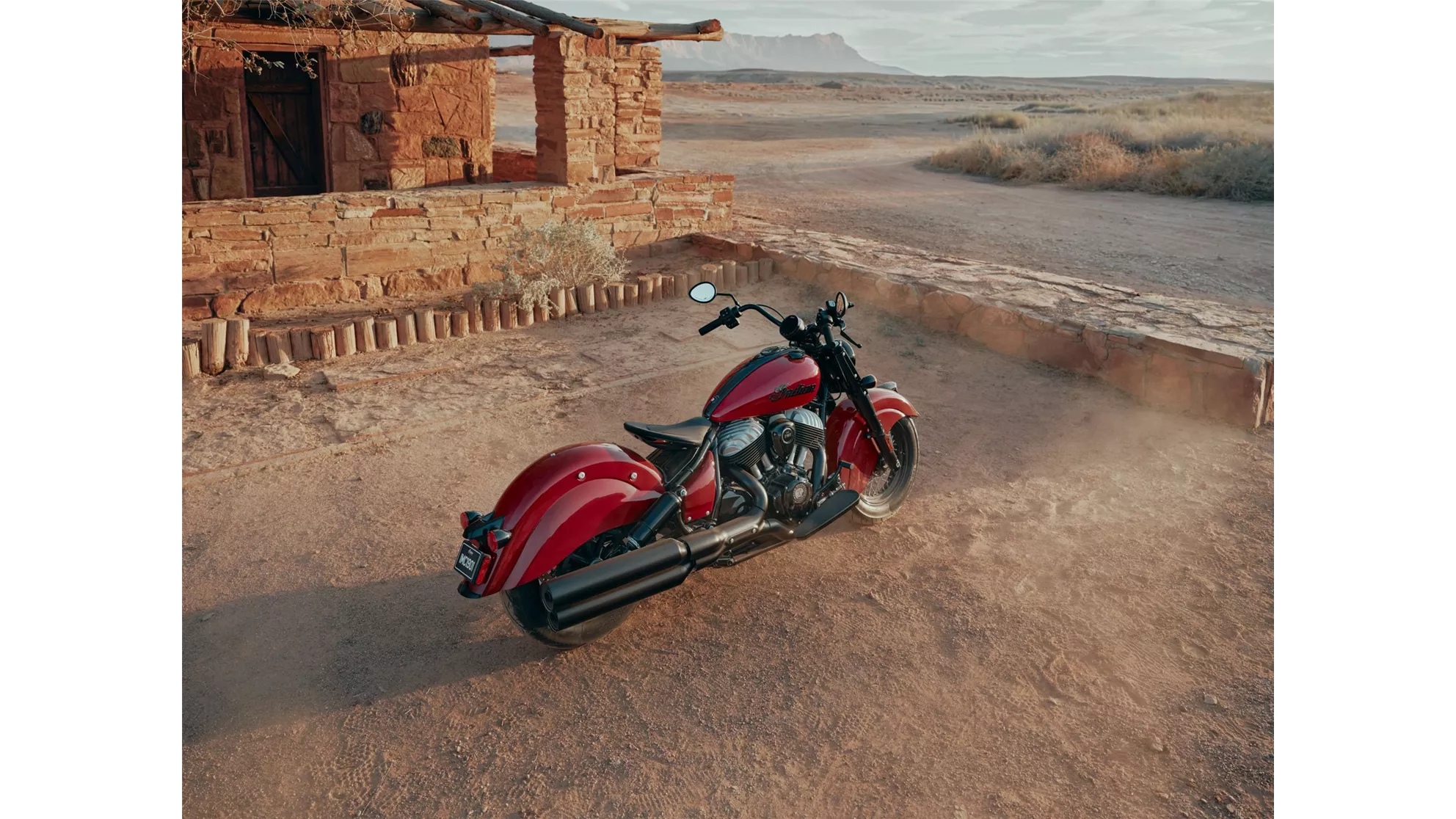
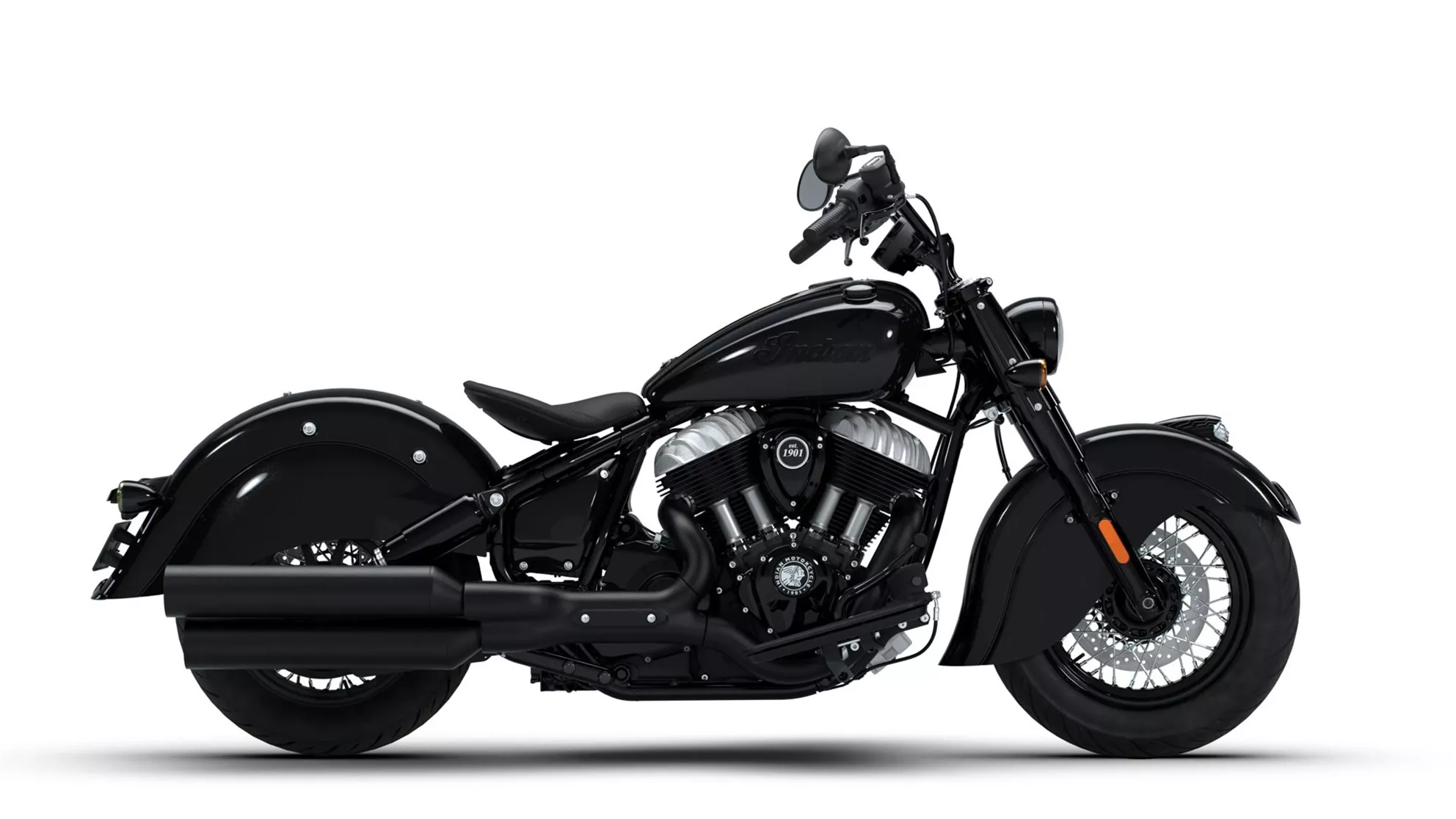
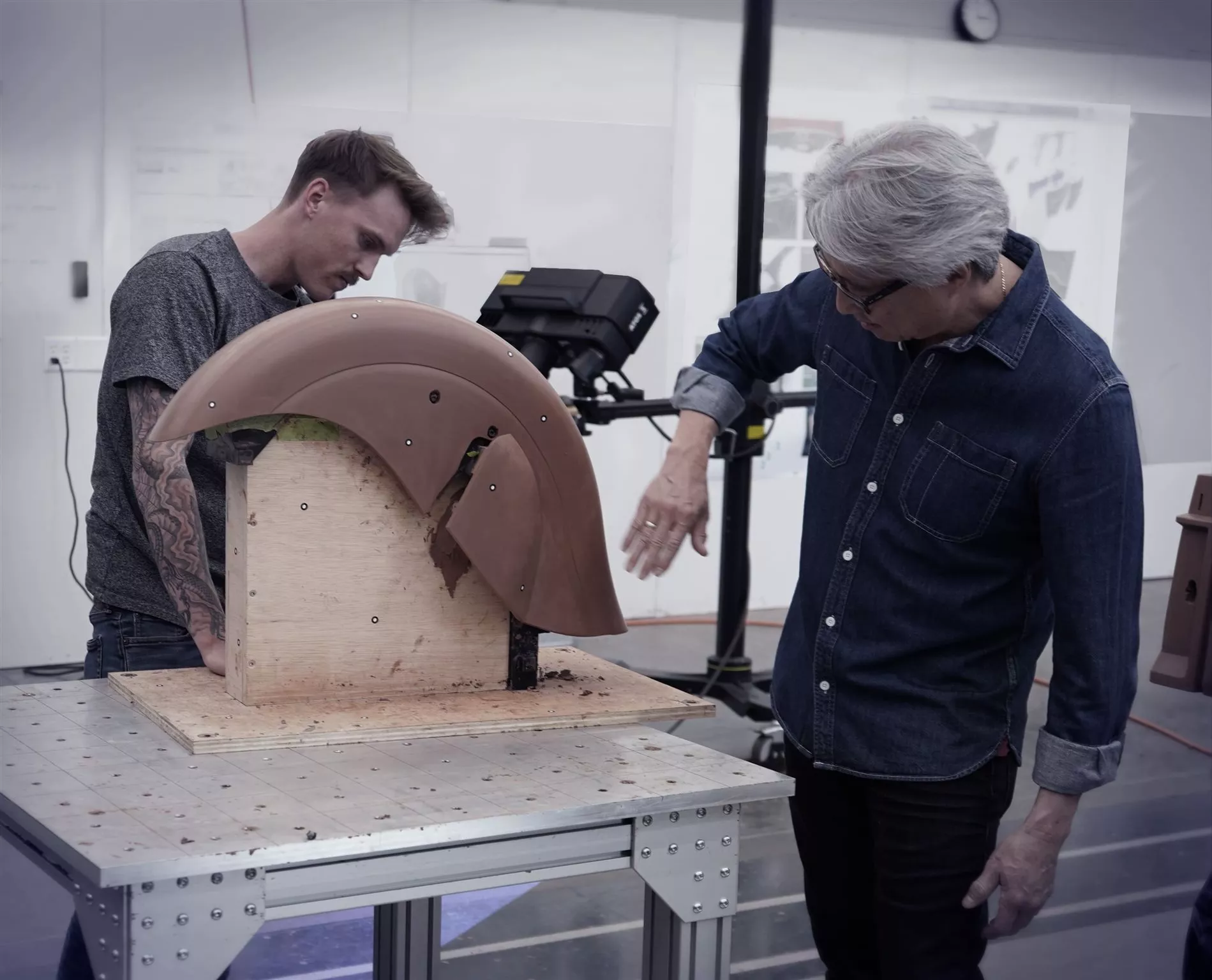
The design team digitally scanned the fenders of an original 1948 Chief and adapted the surfaces to fit the proportions of the modern platform. The final shapes were further refined by hand using modeling clay—a technique used since the 1930s for crafting complex, organic curves. The result is the iconic Valanced Fenders, those sweeping, rounded fenders at the front and rear that have always defined the Chief's design language.

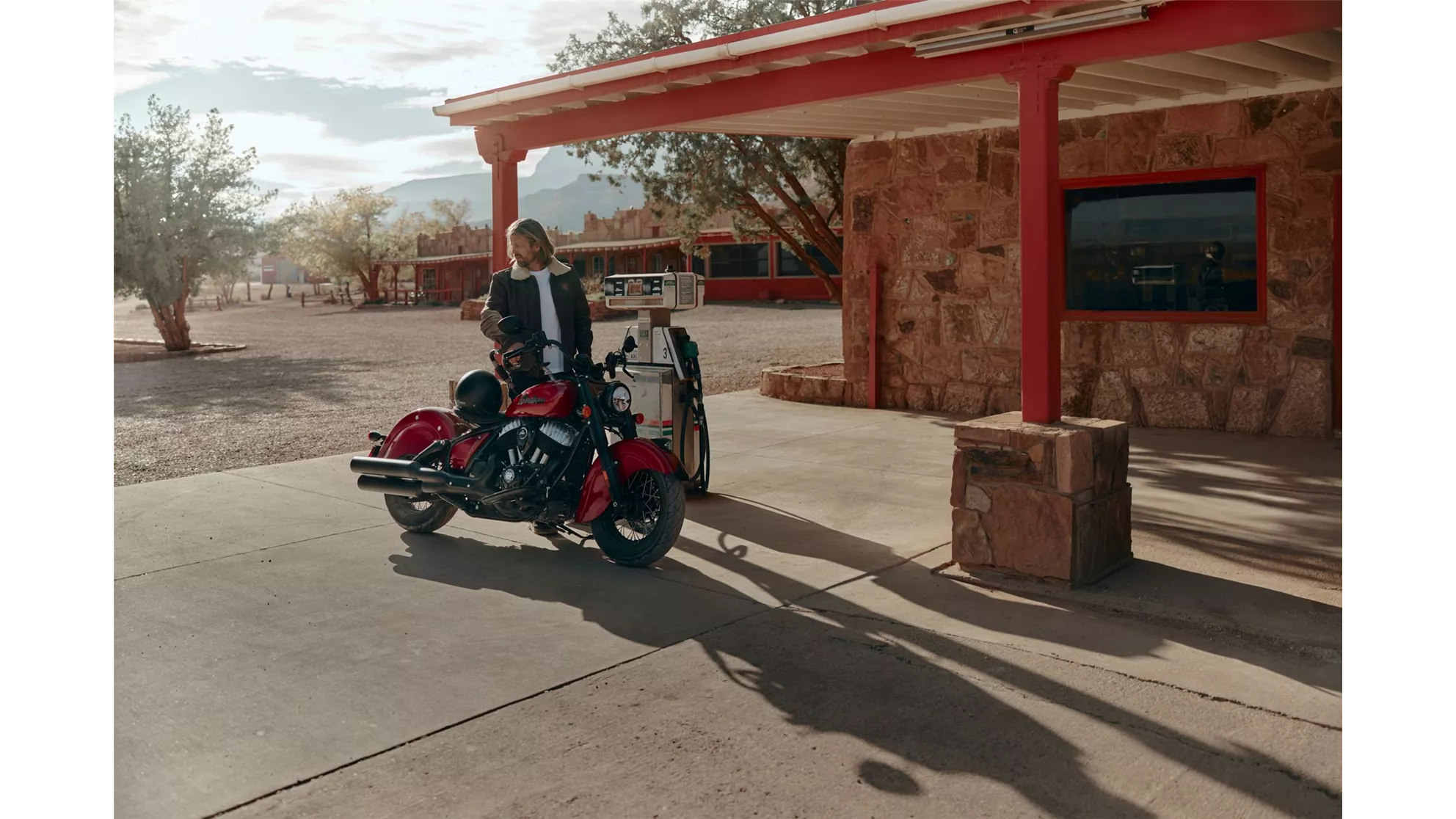
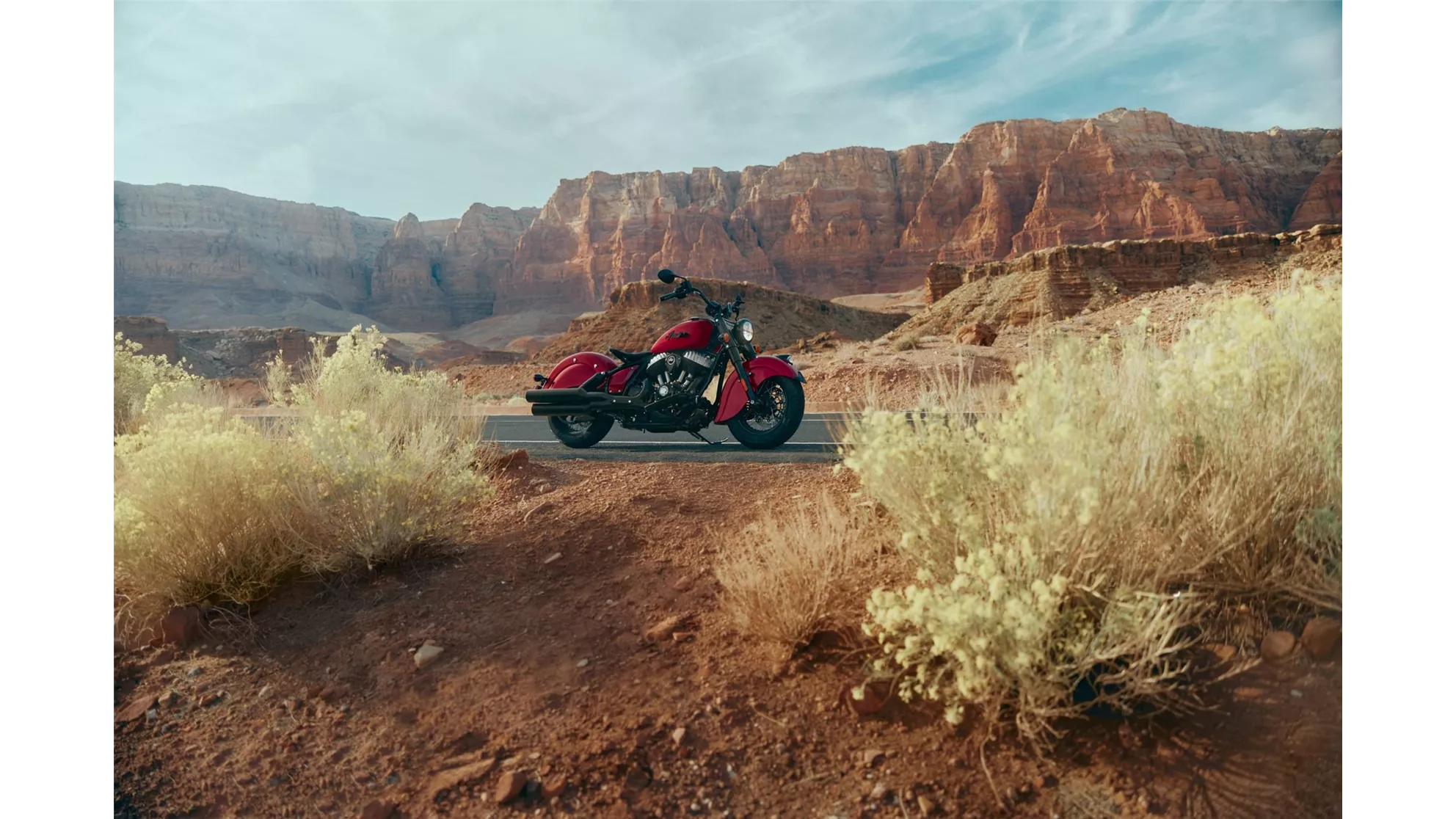
Notably, there's hardly any chrome. Many people automatically associate the 1940s and '50s with chrome, but it wasn't all that common back then. Indian made a conscious effort to replicate what was truly present—not what nostalgia has led us to believe. The illuminated Indian head on the front fender, a trademark since 1947, now LED-powered, catches eyes at every red light.

Nearly Forgotten Craftsmanship: Indian Sculpted the Fenders in Clay to Closely Resemble the 1940s Original.

Nearly Forgotten Craftsmanship: Indian Sculpted the Fenders in Clay to Closely Resemble the 1940s Original.

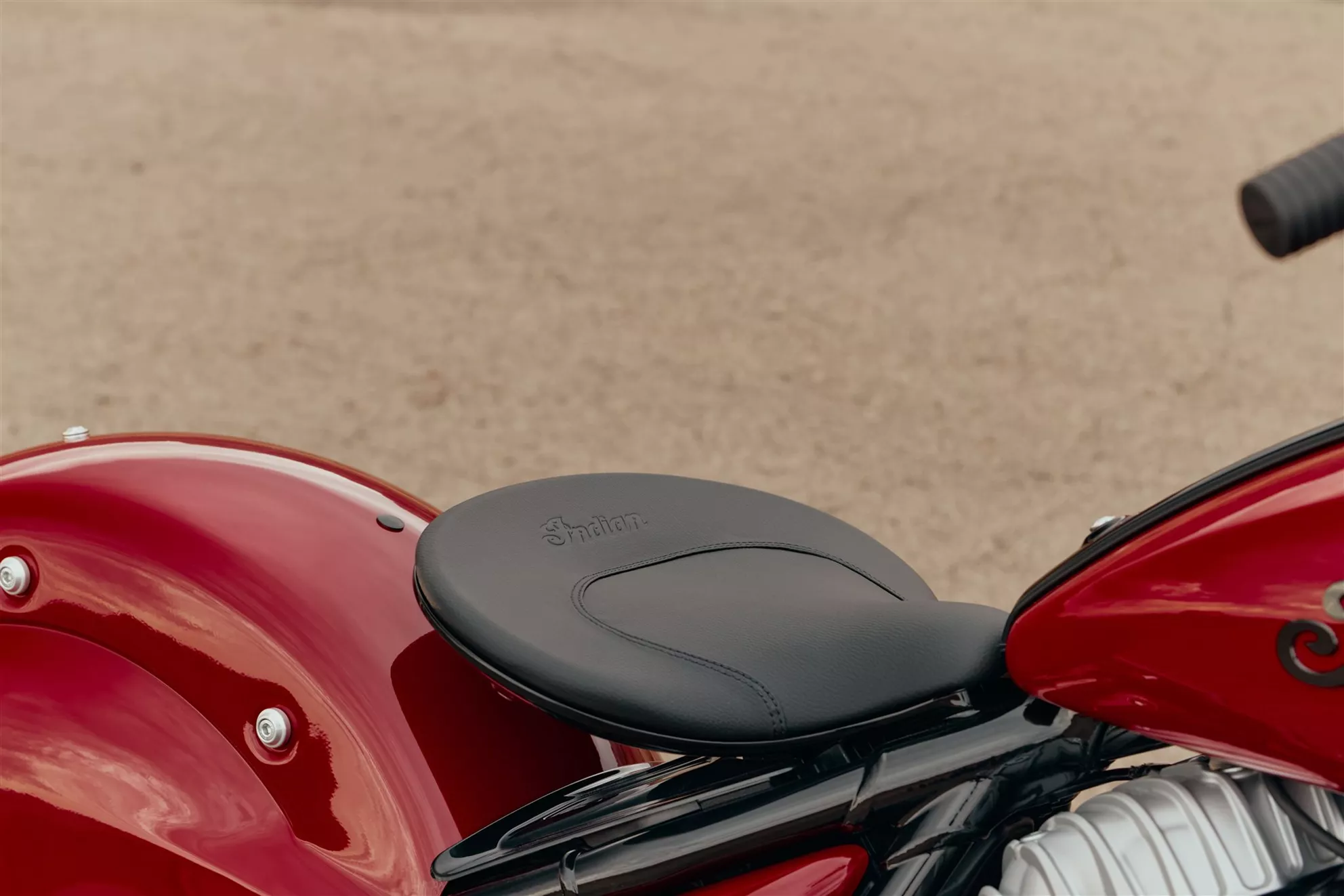
Fun Fact About the Iconic Seat of the Indian Chief Vintage - The Messenger Seat: Comfort from Another Era

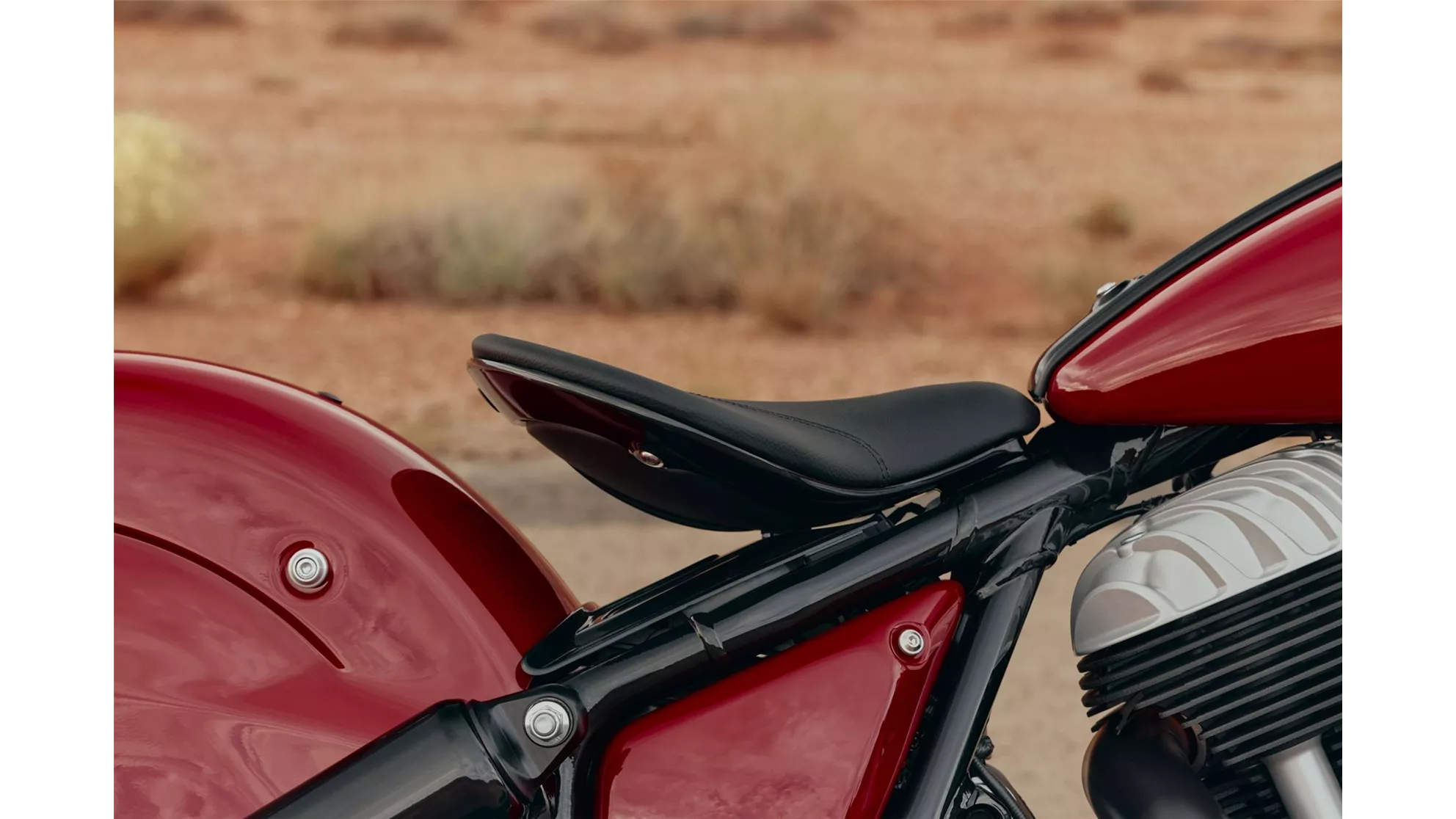
The most striking feature at the rider's position is the so-called Vintage Floating Solo Seat. It looks like a tractor seat. During a conversation with Ola Stenegärd, I learned the backstory: Initially, the engineers kept adding more foam to make the seat more comfortable. Stenegärd halted this and referred back to the archives. The solution was the old Messenger Seat, used on courier and delivery motorcycles of the 1940s. The logic was simple: back then, people rode these machines all day, covering hundreds of miles. These folks knew how to build a seat that was genuinely comfortable.

And indeed, despite its minimalist appearance, the seat is surprisingly comfortable. It rests on a flexible mount that isolates the rider from road irregularities. The only limitation is that you have just one seating position. If you're used to shifting forward or backward while riding, you'll need to adjust. However, in this one position, it feels right from the get-go—the 686 mm seat height makes the bike very accessible even for riders with shorter legs.

The Seat of the Indian Chief Vintage 2026 is Styled After the Classic Messenger Bikes of the 1940s

The seat of the Indian Chief Vintage 2026 is visually inspired by the classic Messenger Bikes of the 1940s.

Technology of the Indian Chief Vintage: Familiar Platform, Clever Twist

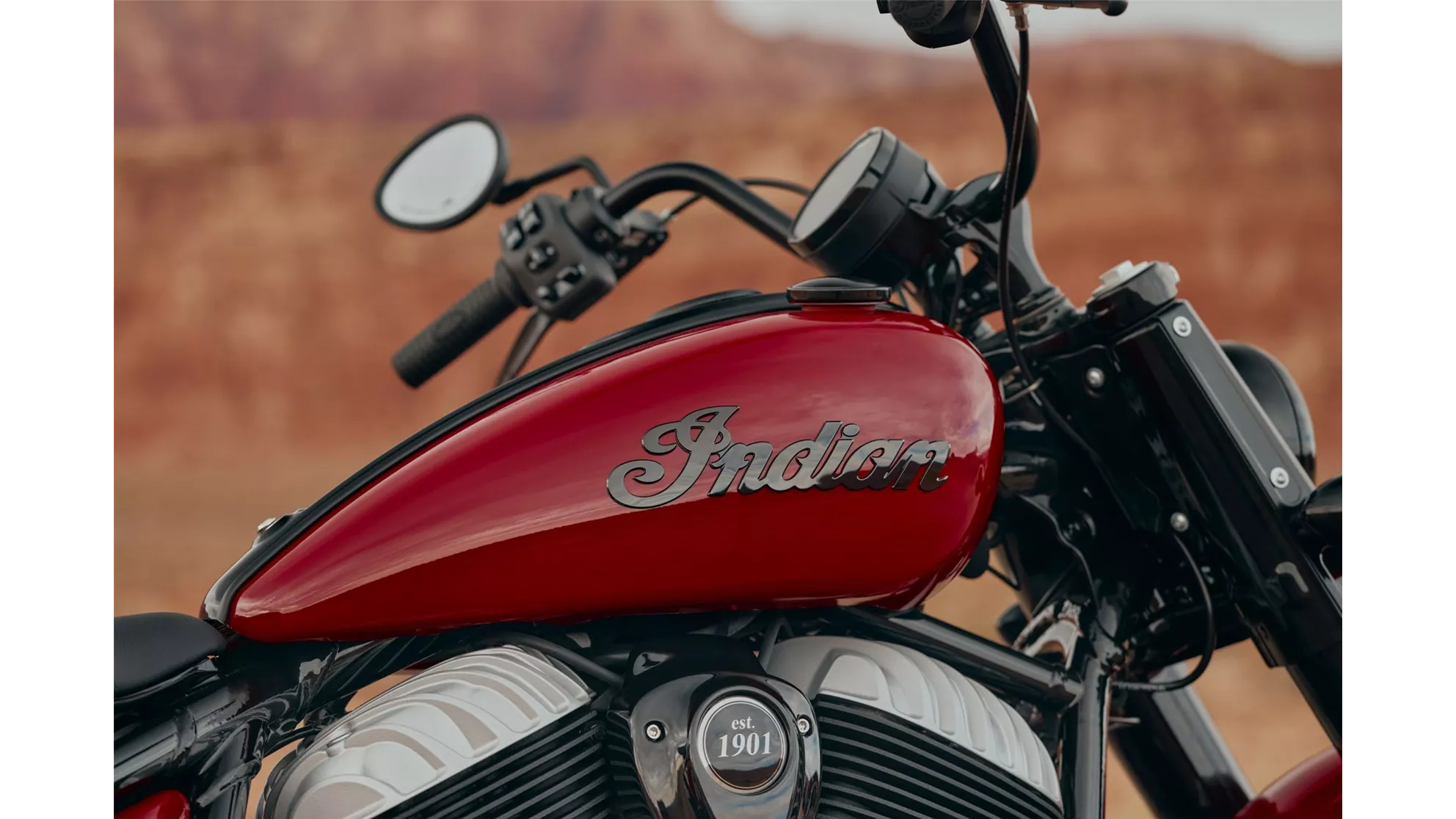
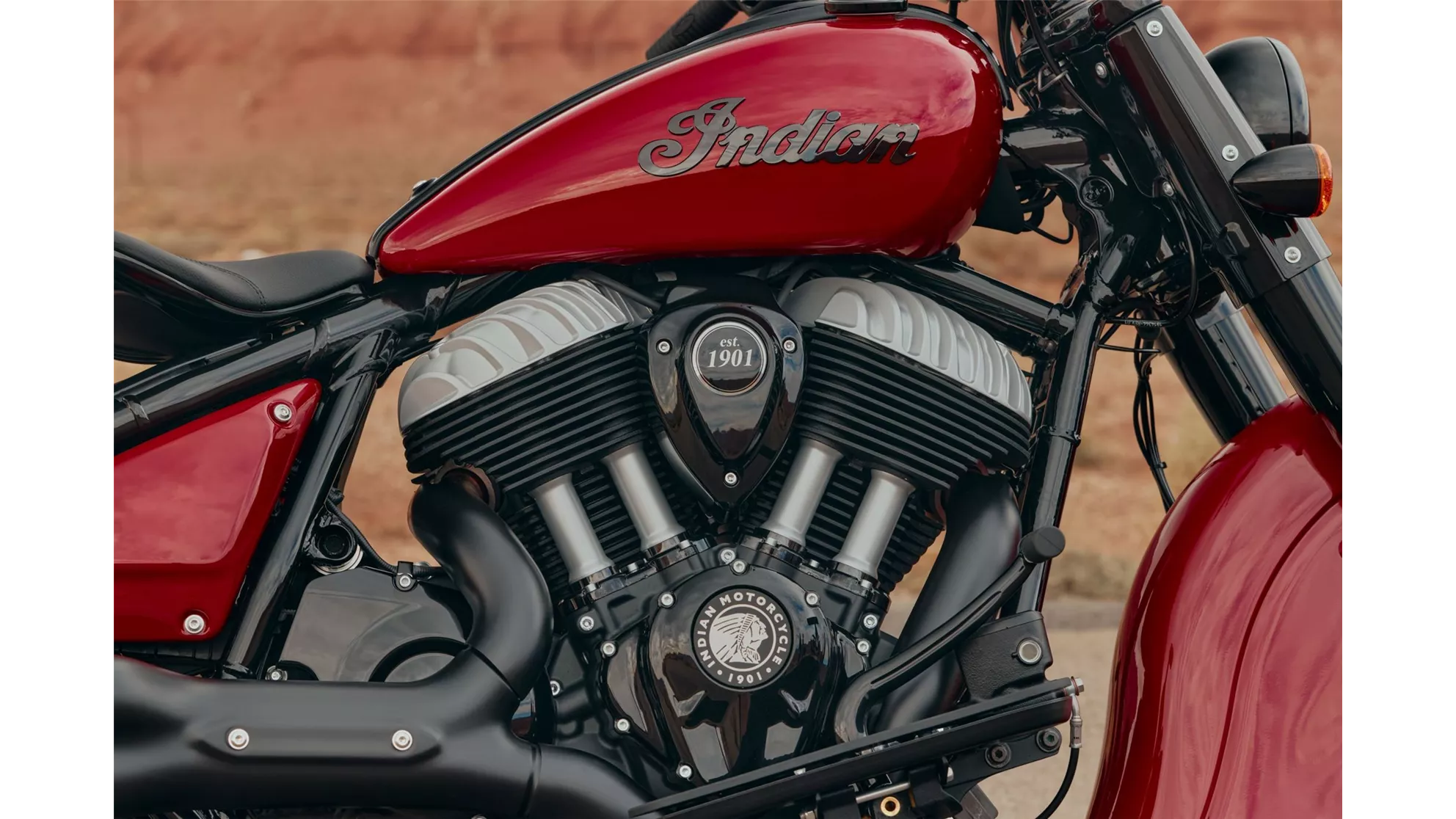
Technically, the Chief Vintage shares the same platform as the rest of the Chief family: Sport Chief, Chief Bobber, and Super Chief. At its core is the tried-and-true Thunderstroke 116—a 1,890cc air-cooled V-Twin that punches out 163 Nm of torque at just 2,900 rpm. Let that sink in: no need to rev to the moon, no rush. The full torque is available before you're even really on the gas. In Sport mode, the throttle response is almost aggressive—quite surprising for a bike of this class.

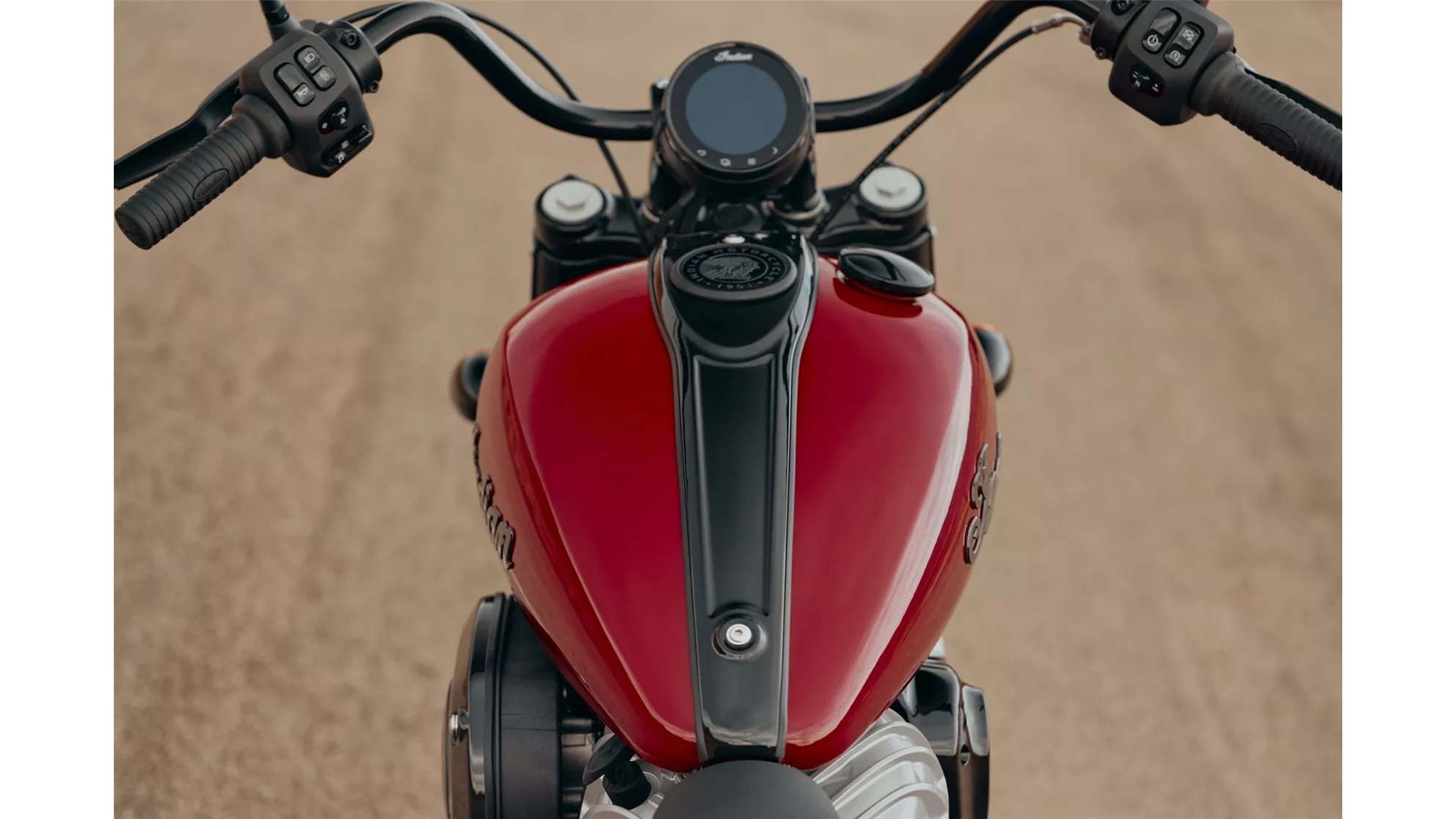
The Ride Command system features a 4-inch touchscreen that remains impressively readable even in direct sunlight. Navigation can be controlled via physical buttons on the handlebars, eliminating the need to tap on the screen—a thoughtful touch. For basic information like gear and speed, the display is perfectly legible. Only when delving into deeper navigation functions does it get slightly smaller, but never to the point of being unusable.

All lighting is LED: headlights, turn signals, and taillights. Modern technology wrapped in a package that truly earns the name Vintage.

1,890cc, 163 Nm at 2,900 RPM: The Thunderstroke 116 of the Indian Chief Vintage Delivers Massive Pull Without Fuss.

1,890cc, 163 Nm at 2,900 RPM: The Thunderstroke 116 of the Indian Chief Vintage delivers massive torque effortlessly.

Indian Chief Vintage Riding Experience: Where the Wolf Emerges from the Sheep

The test ride took us through switchbacks, open country roads, and even highway stretches around Alicante. The morning started with damp roads, but as the sun came out and the asphalt dried, the Chief Vintage was ready to show what it's made of.

Here's where it stands apart from the other members of the Chief family: the rear tire. Instead of the usual 180 size, the Vintage rides on a 150. The reason is both pragmatic and brilliant: a 180 tire would have made the historically accurate Valanced Fenders far too wide. As design chief Stenegärd bluntly put it—it would have simply looked bad. So, a narrower tire was the choice.

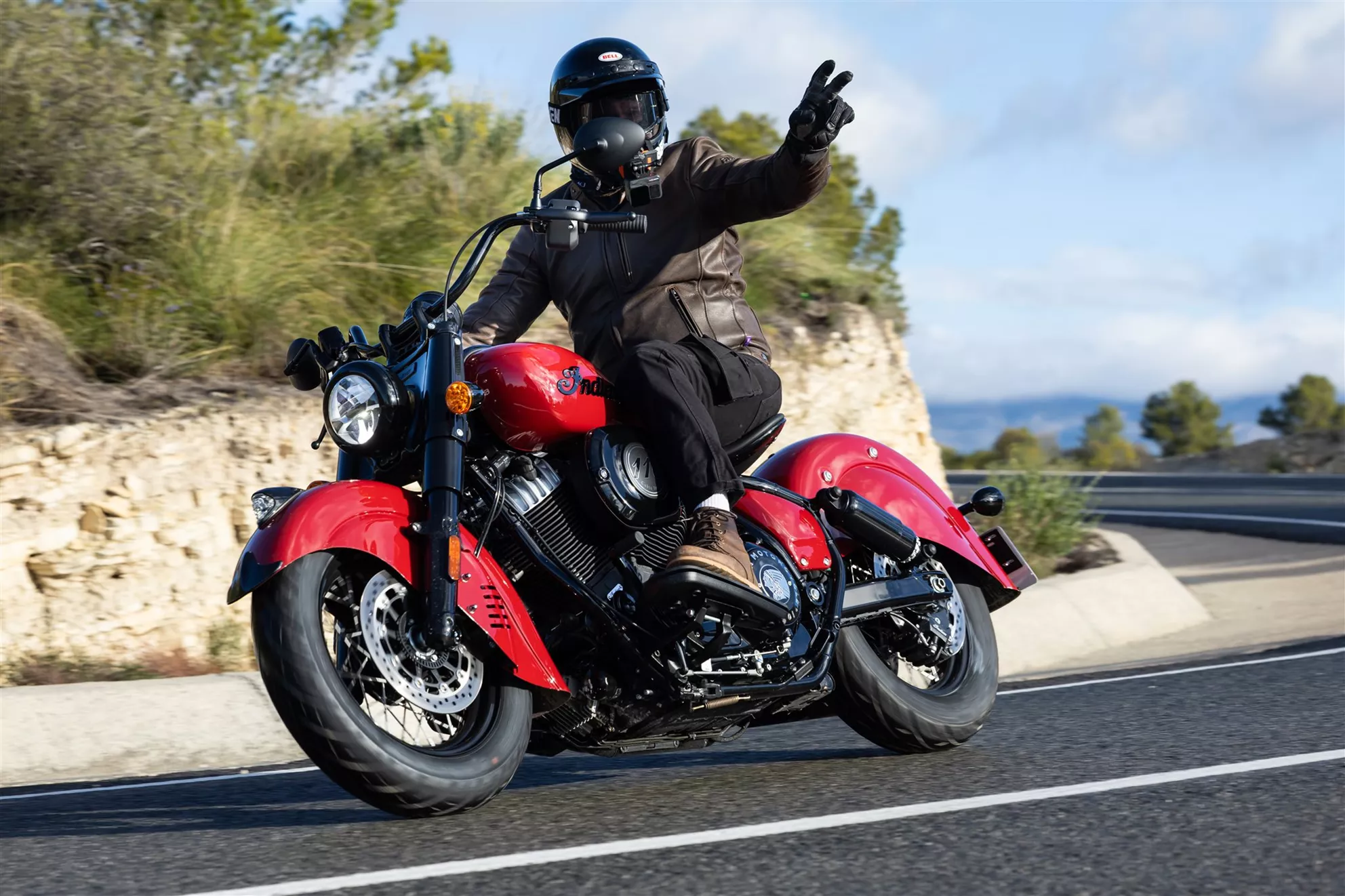
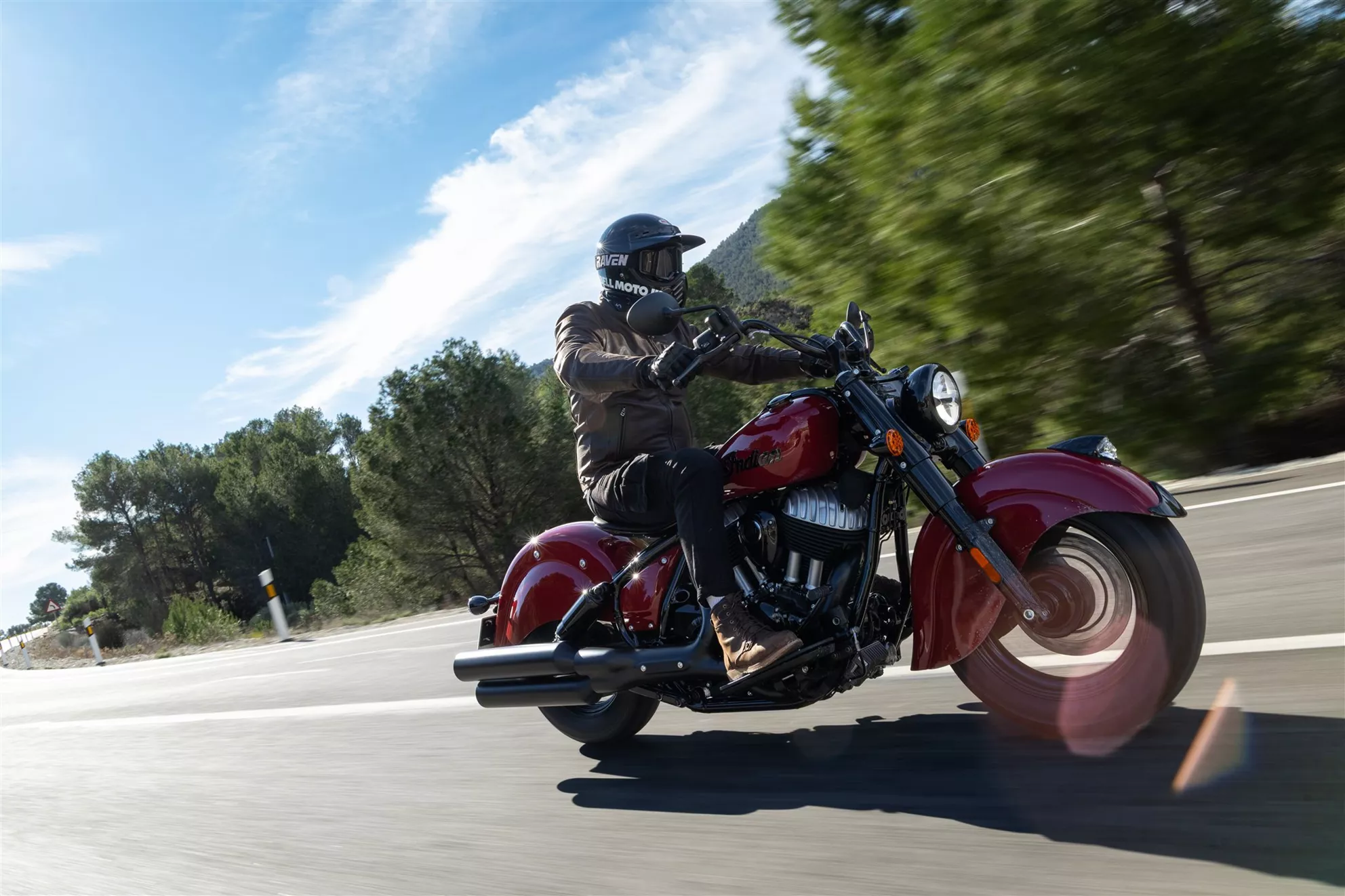
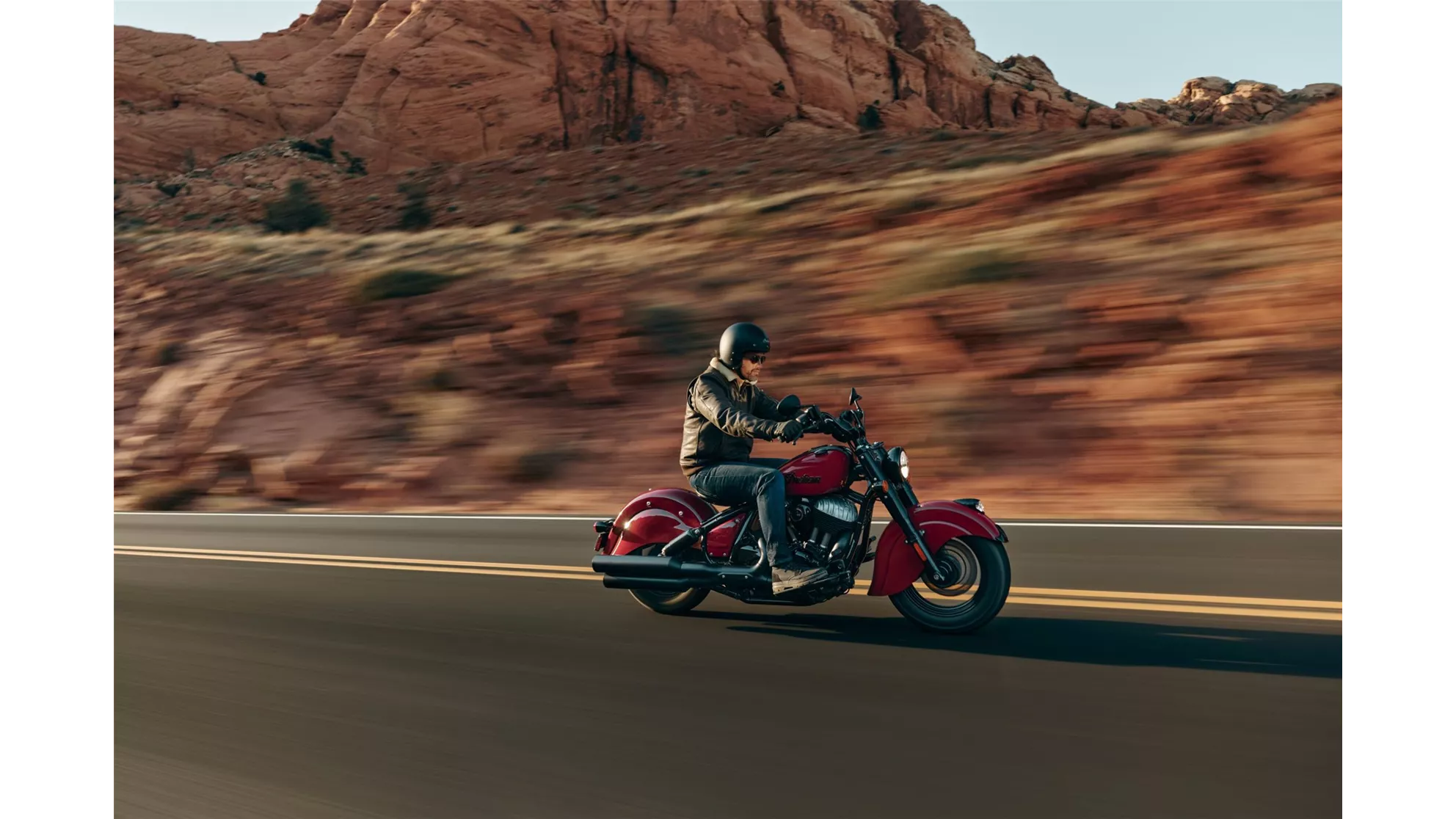
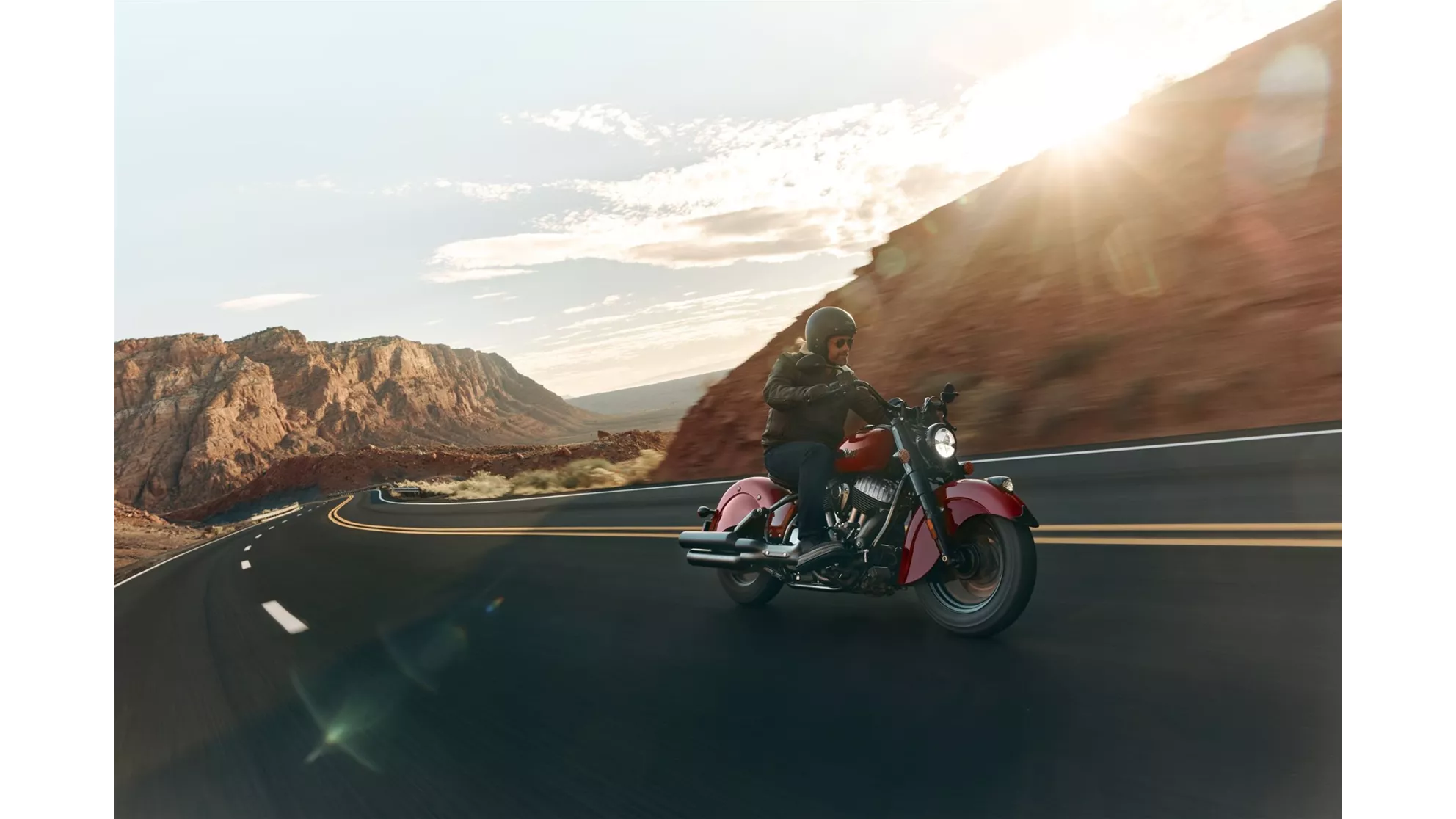
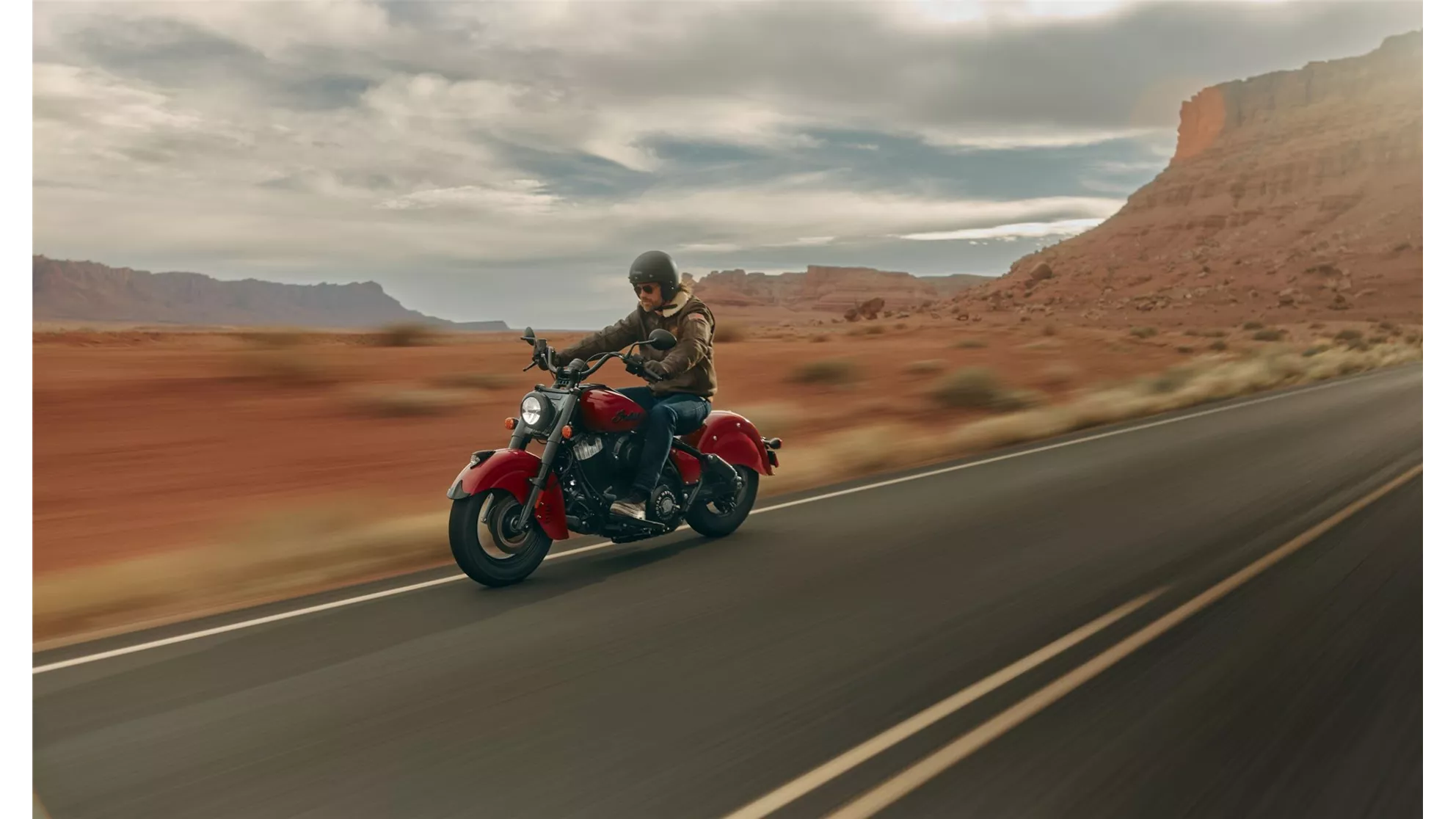
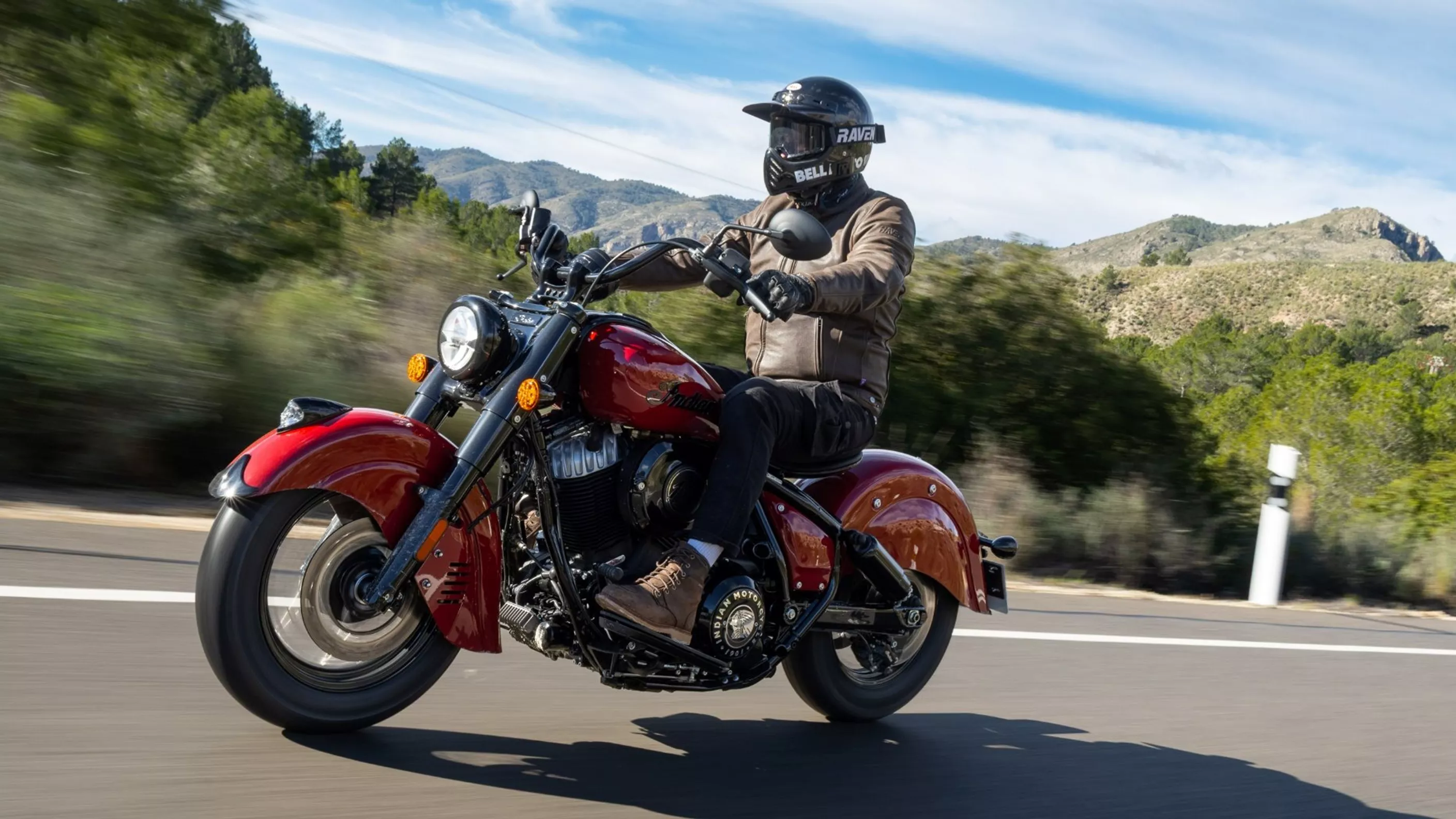
The result on the road is remarkable: the Chief Vintage is noticeably lighter to steer and feels significantly more agile in the corners compared to its siblings. On the switchbacks, I almost felt like I was scraping less metal than I did on the Sport Chief—and this on a bike that at first glance seems anything but sporty. That's exactly where the charm lies. The Chief Vintage is a wolf in sheep's clothing: visually a gentleman, surprisingly sharp in riding dynamics.

Of course, the usual cruiser limitations apply. The large floorboards will eventually scrape during spirited riding, even though they are flexibly mounted and give way. And the very upright seating position means the reach to the rear brake pedal is quite a stretch—on the Sport Chief or Sport Chief RT, where you sit slightly leaned forward, the brake is more intuitively accessible. It's something you get used to, but it's not a dealbreaker.

Thanks to the 150 Rear Tire Instead of a 180, the Indian Chief Vintage Steers More Nimbly Than Its Siblings - Even Sportier Than the Sport Chief.

Thanks to the 150 rear tire instead of a 180, the Indian Chief Vintage steers more nimbly than its siblings—even sportier than the Sport Chief.

Brakes, Engine, and Transmission of the Indian Chief Vintage 2026: Confident and Smooth

The brakes perform excellently in their category. Naturally, you can feel the over 320 kilograms of wet weight—anyone who switches to the noticeably lighter Scout 101 in the afternoon will notice the difference immediately. But within the heavyweight cruiser class, the brakes leave nothing to be desired: well-modulated, with ample bite and reliable ABS. A particular plus is the engine braking of the Thunderstroke 116, which delivers a pleasant, natural deceleration feel during moderate riding.

The real highlight, however, is the interplay between the clutch and transmission. Starting off, shifting gears, the way acceleration kicks in—it all feels like riding on a cloud. No jolts, no clunks, just buttery smooth. Even on the highway in sixth gear, everything remains refined. The typical V-Twin vibrations are present and feel authentic, yet they stay within a range where your hands don’t go numb and nothing tingles. Indian has struck a very good balance between character and comfort here.

Price and Features of the Indian Chief Vintage: The Catch with the Extras

Here's where it gets a bit tricky. The Chief Vintage starts at €20,990 in Germany, CHF 20,990 in Switzerland, and €24,450 in Austria. This pricing puts it on par with the Harley-Davidson Heritage Classic—its direct competitor.

The difference: Harley comes with saddlebags and a passenger seat as standard. In contrast, the Chief Vintage is more purist—essentially bare. If you want to ride two-up or carry luggage, you'll need to invest in accessories. This somewhat negates the price advantage that Indian traditionally leveraged against Harley. For newcomers who have previously turned to Indian because it was a few francs or euros cheaper, this could be a consideration.

The silver lining: since the Chief Vintage shares the same platform as other Chief models, all accessories from the Chief family fit the Vintage as well. Saddlebags, passenger seat, windshield—all are retrofittable. But, of course, at an additional cost.

The Indian Chief Vintage Starts at €20,990 - Harley-Level Pricing, But Without Saddlebags and Passenger Seat as Standard.

The Indian Chief Vintage starts at €20,990—Harley-level pricing, but without saddlebags and passenger seat as standard.

Conclusion: The Indian Chief Returns to Its Roots

The Indian Chief Vintage 2026 isn't a motorcycle for the spec sheet aficionados. It's a bike for those who want to feel something when they ride. No windshield, no heated seat, no heated grips. That morning in Alicante was cold, the wind hit your face—and that was exactly what made it great. You feel the surroundings. You smell the landscape. You ride a motorcycle the way riding is meant to be.

The fact that this feeling comes from a bike that visually harks back to 1946, yet corners more sportily thanks to its 150 rear tire than the Sport Chief—that's the real story. Indian hasn't just built a retro model. Indian has built an honest motorcycle. One that takes its heritage seriously without hiding behind it.

If you're interested in big cruisers, even as a younger rider: go to an Indian dealer and sit on this thing. 163 Nm at 2,900 rpm—you won't find that on any sportbike. And with the historical fenders, the illuminated Indian head, and this incredibly smooth powertrain, the Chief Vintage might be the most genuine compliment a brand can pay to its own history.

How much does a Indian Chief Vintage cost?
Here you will find an overview of the price level of new and used motorbikes!
FunkyFrankee

Indian Chief Vintage 2026 - Experiences and Expert Review

FunkyFrankee

The Indian Chief Vintage is a motorcycle that looks like it's from 1946 but rides like a surprise. Thanks to its 150 rear tire, it corners more agilely than the Sport Chief—a wolf in sheep's clothing with 163 Nm from 2,900 rpm. No windshield, no heated seat, but wind in your face and a powertrain that feels like shifting on clouds. A cruiser for those who want to rediscover why they started riding motorcycles in the first place.


Surprisingly agile handling thanks to the 150 rear tire

Dreamlike synergy between clutch and transmission

Authentic design with 3D-scanned original fenders

Massive torque available from low revs

Comfortable seat despite a purist look

No passenger seat and saddlebags as standard

Pricing on Harley level with less equipment from the factory

Only one fixed seating position possible

Long reach to the brake pedal in upright seating position

Floorboards scrape during spirited cornering

Indian Chief Vintage 2026 Review: Wolf in Sheep's Clothing? Images

Source: 1000PS

Indian Chief Vintage 2026 Review - Image 1
Indian Chief Vintage 2026 Review - Image 2
Indian Chief Vintage 2026 Review - Image 3
Indian Chief Vintage 2026 Review - Image 4
Indian Chief Vintage 2026 Review - Image 5
Indian Chief Vintage 2026 Review - Image 6
Indian Chief Vintage 2026 Review - Image 7
Indian Chief Vintage 2026 Review - Image 8
Indian Chief Vintage 2026 Review - Image 9
Indian Chief Vintage 2026 Review - Image 10
Indian Chief Vintage 2026 Review - Image 11
Indian Chief Vintage 2026 Review - Image 12
Indian Chief Vintage 2026 Review - Image 13
Indian Chief Vintage 2026 Review - Image 14
Indian Chief Vintage 2026 Review - Image 15
Indian Chief Vintage 2026 Review - Image 16
Indian Chief Vintage 2026 Review - Image 17
Indian Chief Vintage 2026 Review - Image 18
Indian Chief Vintage 2026 Review - Image 19
Indian Chief Vintage 2026 Review - Image 20
Indian Chief Vintage 2026 Review - Image 21
Indian Chief Vintage 2026 Review - Image 22
Indian Chief Vintage 2026 Review - Image 23
Indian Chief Vintage 2026 Review - Image 24
Indian Chief Vintage 2026 Review - Image 25
Indian Chief Vintage 2026 Review - Image 26
Indian Chief Vintage 2026 Review - Image 27
Indian Chief Vintage 2026 Review - Image 28
Indian Chief Vintage 2026 Review - Image 29
Indian Chief Vintage 2026 Review - Image 30
Indian Chief Vintage 2026 Review - Image 31
Indian Chief Vintage 2026 Review - Image 32
Indian Chief Vintage 2026 Review - Image 33
Indian Chief Vintage 2026 Review - Image 34
Indian Chief Vintage 2026 Review - Image 35
Indian Chief Vintage 2026 Review - Image 36
Indian Chief Vintage 2026 Review - Image 37
Indian Chief Vintage 2026 Review - Image 38
Indian Chief Vintage 2026 Review - Image 39
Indian Chief Vintage 2026 Review - Image 40
Indian Chief Vintage 2026 Review - Image 41
Indian Chief Vintage 2026 Review - Image 42
Indian Chief Vintage 2026 Review - Image 43
Indian Chief Vintage 2026 Review - Image 44
Indian Chief Vintage 2026 Review - Image 45
Indian Chief Vintage 2026 Review - Image 46
Indian Chief Vintage 2026 Review - Image 47
Indian Chief Vintage 2026 Review - Image 48
Indian Chief Vintage 2026 - Image 49
Indian Chief Vintage 2026 - Image 50
Indian Chief Vintage 2026 - Image 51
Indian Chief Vintage 2026 - Image 52
Indian Chief Vintage 2026 - Image 53
Indian Chief Vintage 2026 - Image 54
Indian Chief Vintage 2026 - Image 55
Indian Chief Vintage 2026 - Image 56
Indian Chief Vintage 2026 - Image 57
Indian Chief Vintage 2026 - Image 58
Indian Chief Vintage 2026 - Image 59
Indian Chief Vintage 2026 - Image 60
Indian Chief Vintage 2026 - Image 61
Indian Chief Vintage 2026 - Image 62
Indian Chief Vintage 2026 - Image 63
Indian Chief Vintage 2026 - Image 64
Indian Chief Vintage 2026 - Image 65
Indian Chief Vintage 2026 - Image 66
Indian Chief Vintage 2026 - Image 67