
Interview: Zero Motorcycles in Transition

Interview: Zero Motorcycles in Transition

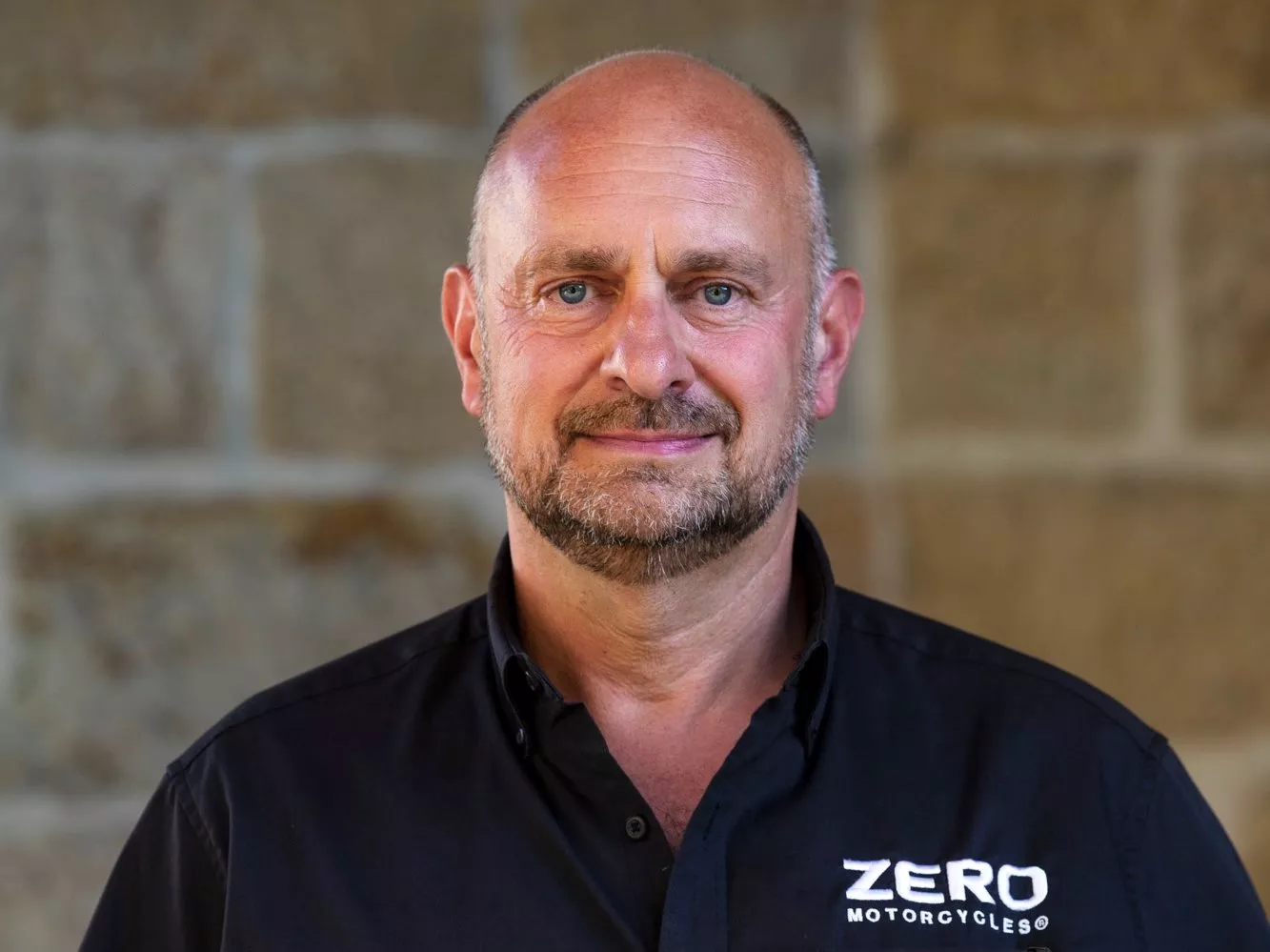
CEO Pierre-Martin Bos and Ralf Czaplinski talking with 1000PS

Zero Motorcycles, a pioneer in electric two-wheelers, is using the 2026 model year for a strategic relaunch: larger batteries, faster charging options, new software strategies – and, for the first time, an A1 scooter specifically tailored to the European market. Pierre-Martin Bos, an experienced automotive executive, is taking over the company's leadership, while Ralf Czaplinski is responsible for strategic development in Europe, with a focus on the German and Austrian markets. In an in-depth interview with 1000PS, both speak candidly about the strengths and weaknesses of previous Zero models, pricing realities, charging infrastructure, Cypher software, new target groups – and why Zero continues to consistently deliver on its premium performance promise despite growing competition from China and India.

Philipp

Philipp

published on 09/02/2026


Pierre-Martin, you have more than two decades of professional background in the car industry, with a strong European track record at Kia and Stellantis/FCA. What personally motivated you to move from large automotive organizations to a pure electric-motorcycle brand?

Pierre-Martin Bos: It was passion, first of all! I am a motorcycle enthusiast, having started to ride mopeds with 14, followed by motorcycles for the last 30 years. Zero builds high performance bikes, and to get the chance to go and sell these bikes is unique. I have been in the automotive industry for the last 27 years and when studying mechanical engineering, I worked on Electric Vehicles already. At Kia Motors I worked on an electric vehicle that won multiple awards when launched last year. I am sure that with the right product, the driving or riding experience is enhanced with electric power. With this background I am convinced that an electric two-wheeler pioneer like Zero will have a strong future.

You’re taking over after Sam Paschel, who shaped Zero for eight years. What do you want to clearly continue — and where do you expect a real change in direction?

The Zero Brand is now well-known as one of the best motorcycle manufacturers in the market (electric or not). This reputation was built by Sam and, before him, by other talented CEOs who all had a vision. We will pursue our current agenda to broaden our portfolio (like dirt bikes and scooters). This will attract more riders with our DNA of performance, reliability and sustainability. This approach, which targets global markets, is complemented by specific European products (like DS and S, or the LS1 launching now). Our customers (present and future) are our most important asset: we need to make sure that their perception of Zero is the absolute best. All our future innovations and processes must take them first into account.

You’re known for scaling brands in Europe. What’s the first “Europe problem” you want to fix at Zero?

I would not speak about a “Europe problem”: Europe represents 2/3 of our sales today, and our products are well adapted. We clearly must approach more customers with a strategy that goes beyond the ‘electric enthusiasts’ community. An important key to this are our new products which have very attractive prices, such as the LS1 scooter for €5,200. At the same time, we must also continue to develop our dealer network in all markets.
Interview Zero Motorcycles

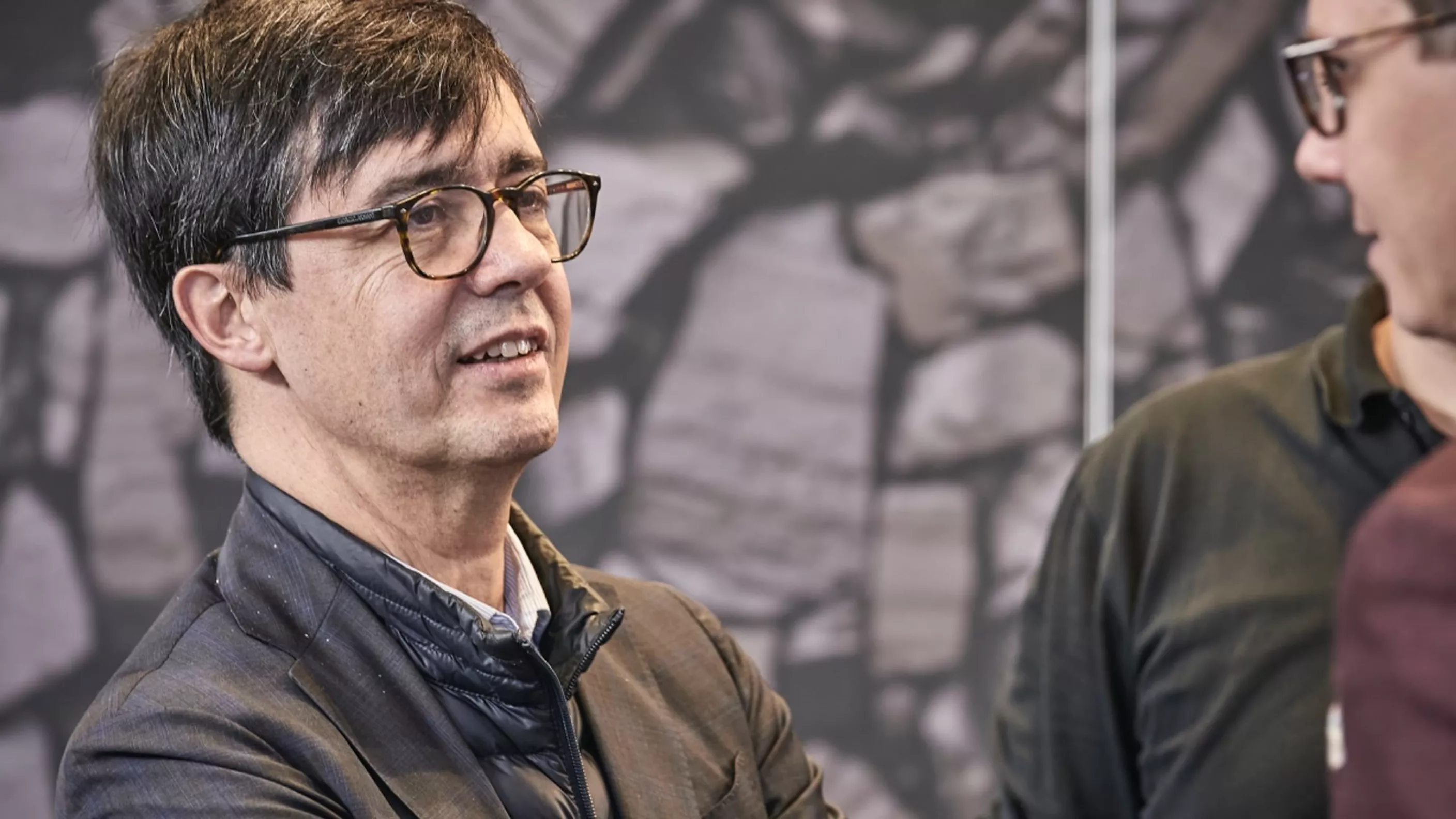
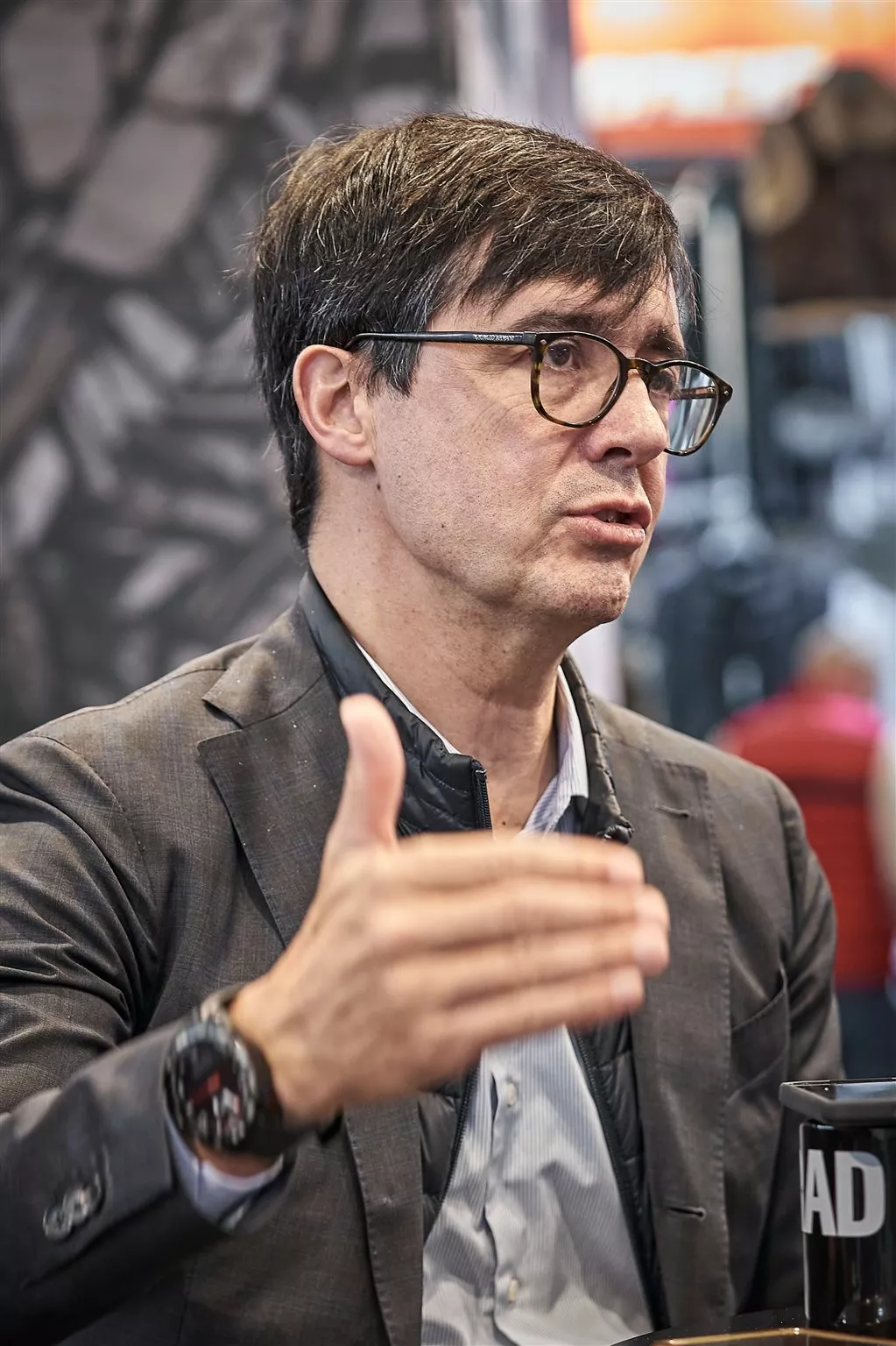
Pierre-Martin Bos, the new CEO of Zero Motorcycles

Zero’s 2026 range feels like a strong update year: better charging, larger batteries, refined assistance systems. From your fresh outside view, what was the biggest real-world weakness in the lineup that you wanted to address first?

Our aim is to change Zeros line-up from being technologically admirable to even more effortlessly usable. The factors often mentioned by prospective customers are range, price, and charging time. With the 2026 model updates, we have addressed two of the three main barriers to electromobility, and we are constantly working on improvements in all these key sectors.

The DSR/X Black Forest now gets 6 kW charging as standard. Is that an admission that Zero was lagging behind on touring usability and charging speed? When will higher charging power — or true fast-charging options — become common across more models, not just the flagship?

Ralf Czaplinski: Equipping the DSR/X Black Forest as standard with a Rapid Charger is a logical conclusion, as many customers in this segment previously retrofitted the RC. This upgrade will make the Black Fores significantly more attractive overall. I believe this is something we owe our customers, at least for now, in the premium segment. Please note that the Rapid Charger is also available for our other models at an additional cost.

The S and DS grow to 15.6 kWh and 3.3 kW onboard charging. Why are these kinds of improvements only arriving now in the series bikes — was cost pressure the limiting factor?

Similar to the above-mentioned upgrade of the DSR/X Black Forest, these upgrades were features that many customers retrofitted via the Cypher Store on these models. To be honest, economies of scale and other cost advantages within the company now allow us to pass on benefits to our customers. These upgrades are part of that.

The SR/F gets winglets and a small fairing, while Zero has shown aero concepts like the WMC SR/S. Is aerodynamics a key lever for you to gain range without simply adding battery mass – or is it a niche topic for single models?

Aerodynamics is not necessarily decisive for range in terms of our customers' usage and driving style as the effect is only relevant at high speeds. The winglets on the 2026 SR/F are primarily a design element that provides a prominent display area for the ‘06’, a reference to Zero’s founding year 2006 and our 20th anniversary.

You’re pushing “All Access” further: XB/XE, and now the LS1 A1 scooter. Is this a deliberate shift from premium niche to everyday volume mobility? Follow-up: How do you prevent long-time Zero fans from feeling the brand is being diluted?

Pierre-Martin Bos: Zero's long-term strategy of establishing a name for itself in the premium segment and becoming the market leader there has been successful for a long time. Now we can diversify into lower price segments, without jeopardising its premium status, while also making the brand accessible to other target groups. Against this backdrop, we see no danger of alienating existing and future Zero premium customers. There are numerous examples in the automotive industry that have successfully demonstrated diversification from premium to volume. Conversely, it is rather difficult.

The LS1 launches as an EU-only A1 scooter with swappable batteries. Why start in Europe with a scooter – and what should a Zero scooter do better than the many cheaper urban EV scooters already on the market?

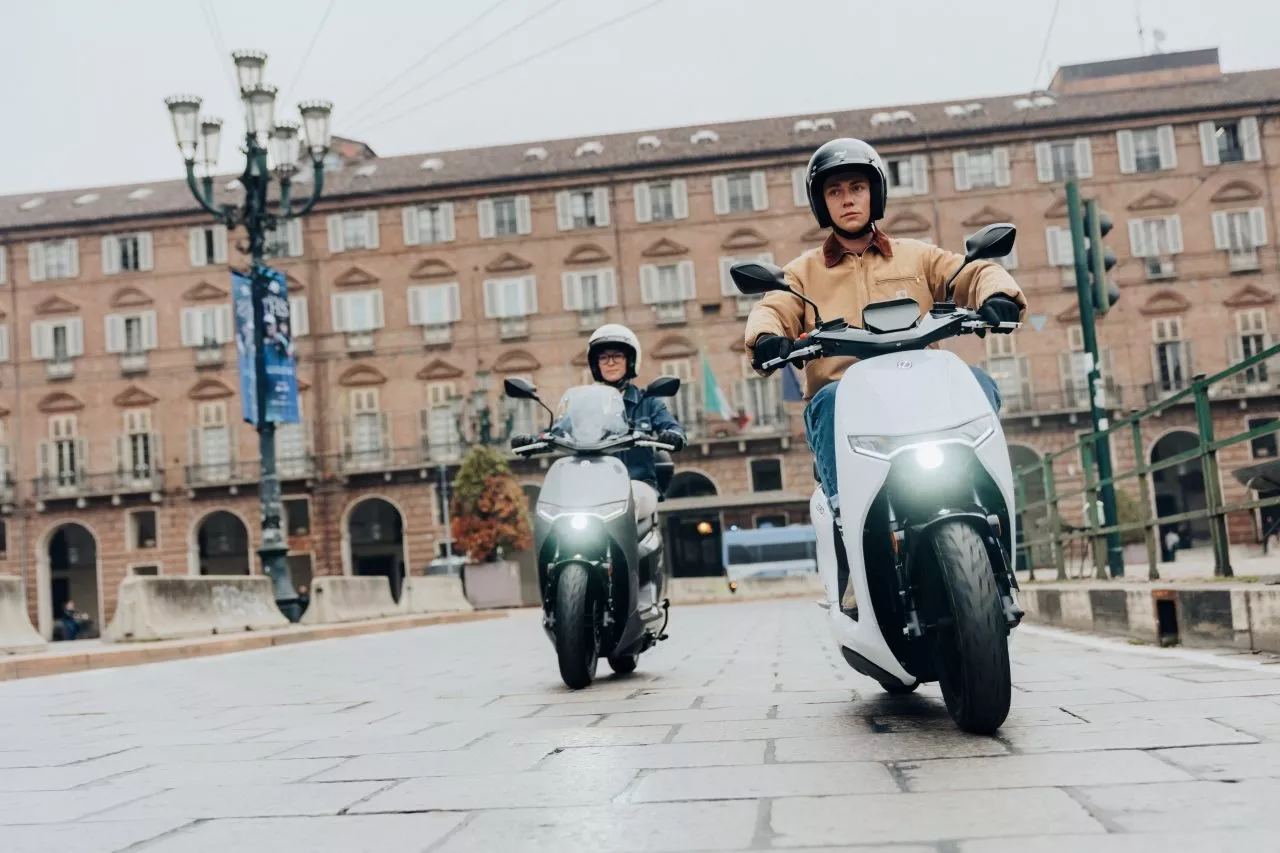
Ralf Czaplinski: In Europe, there is a constantly growing group of buyers who are looking for a high-quality electric scooter for use in metropolitan areas. That is why we are launching the LS1 here. Here are four arguments which, when combined, clearly set the LS1 apart from its lower-priced competitors: 1. Technical advantages: Two lightweight, replaceable batteries are integrated into the floor which brings the centerweight significantly down; centrally mounted motor means improved balance and handling compared to hub-motors; practical helmet storage; third battery optional for increased range; onboard and offboard charging; short wheelbase; ABS and TCS as standard; low seat height and many more. 2. Quality: The experience of our engineers is incorporated into the development of the LS1. Especially when it comes to the power train, our 20 years of experience are irreplaceable. 3. Design: From its confident design to its clean lines, the LS1 carries the unmistakable DNA of a genuine Zero Motorcycles. 4. Size: Unlike many other scooters, the LS1 was designed for people in Europe with an average height of 1.75m and more. When you compare, you immediately notice this advantage in ergonomics.

Interview Zero Motorcycles

The new urban Scooter LS1 from Zero

From your automotive background, you know volume comes from price and financing. How exactly will you lower the entry barrier – clear price anchors, leasing, battery packages, guaranteed residual values?

Pierre-Martin Bos: All of the points you are mentioning are valid at a certain point in time. We are looking at selecting the best partners to provide new financing products to give better access to our products and to maintain the residual value of all Zeros at a very high level. With the scooter LS1 you will see interesting and innovative solutions very soon, both from a sales and after-sales point of view! We are keeping an eye on battery packs and are constantly checking the options for creating added value for our customers, but we have not yet found the right approach.

Europe will be hit hard by new EV two-wheelers from India and China in 2026/27, often far cheaper than Zero. What’s your single strongest argument why a European customer should pay €3,000 more for a Zero?

Competition is always a strong stimulation to make things better. In the EV Car industry, you see two approaches: some OEMs – usually the ones having invested the least in technology – are complaining about competition. Other OEMs just focus on giving the best product to their customers, and winning market share each month. In the motorcycle industry, we focus on the latter approach. In the two-wheeler market in Europe, the Indian and Chinese competition is far from being new, and there is a probably a place for everyone. Does that mean that all products are now below 5,000 €? No, there are still very expensive motorcycles which appeal to various customers, and we also have some bikes for 2-3,000 € that are delivering a customer experience at a different level. This is not new, at Zero we believe that we need to build the right motorcycles at the right price for our customers’ needs and expectations. What is also clear is that Zero’s DNA is more on a premium performance experience.

You’ve worked with dealer networks across Europe for years. What is Zero currently missing most in European after-sales – and what will you change so that a customer in Austria, Spain, or Poland has the same service confidence they’d have with established ICE brands?

As I mentioned, Zero Motorcycles is a global Brand, selling worldwide in more than 30 countries. I’ve always heard: “Customers Expectations are different from one country to another”. My point of view is that in all countries our customers want the right bike, in terms of performance, efficiency, passion, aesthetics too, at the right price and with a customer service always at their side. So, our after-sales processes must be on a constantly very high level, able to solve issues quickly and with precision. We are launching a new diagnosis tool very soon, allowing our service points to easily gain all information very quickly – and using AI components to optimize the process for us and our dealers. Globally speaking, our motorcycles are easy to maintain and repair. This is due to two facts: electrical engines are simple, and Zero has been in the business for 20 years (by far the longest time of all electric motorcycles manufacturers). This gives us a strong edge when it comes to acting quickly and efficiently.

Which segments in Europe do you see as the most realistic growth areas? A1 urban, mid-class naked, adventure-touring? And are there segments that are not meaningfully electrifiable mid-term because infrastructure or user profiles just don’t fit yet?

We are constantly predicting what will be the next trend for electric motorcycles and scooters in Europe. In 2025, our global growth has been of +88%, meaning that our bets were right. Also, for high performance motorcycles, our existing range, we still saw a growth in our volumes in a declining industry. So, we are looking at all segments with the same approach: where can we make a difference, with the right customer mindset, in terms of performance and pricing? Scooters will most likely grow continuously, and there is a clear segmentation. We just launched our LS1 with strong expectations, as we provide up to 172km of range and 100km/h max speed. You mention adventure-touring: look at our DSR/X Black Forest, built to ride on and off-road with absolutely no limits. I come from an industry where it was the engineers putting limits in their minds for what and EV could do: I know that we can electrify the whole motorcycles industry (and please don’t get me wrong, I will always be happy to see a few combustion engined motorcycles around…). We need to give clear messages to our future customers database so they know that they can switch to Electric with peace of mind and a smile on their face.

Let’s do the cold math: A Zero typically costs €5000 to €8000 more than a comparable ICE bike but saves roughly €600 to €800 per year at about 8,000 km/year in running costs. Why should a European leisure rider switch today if break-even only comes many years down the road?

Ralf Czaplinski: If the monetary advantage is the only reason for driving an electric vehicle this is indeed a valid question. Fortunately, there are many other factors for our customers to buy a Zero. Some have more idealistic reasons, others love the effortless, linear power delivery of our bikes. Experience has shown that Zero owners ride their motorcycles more and more once they have made the switch to electric bikes. Not only for leisure rides, but also for commuting and other purpose-driven trips which increases the potential for savings significantly. No matter what the reason for using electric motorcycles is, one fact is certain: with our low-noise mode of transport, we are promoting the motorcycling lobby.

Interview Zero Motorcycles

Ralf Czaplinski, Brand Manager Zero Motorcycles DACH region

What’s your target for cost parity? Are we talking price per kWh, price per real-world km of range, or new business models like battery leasing and performance/charging upgrades?

Ralf Czaplinski: We won’t talk about future actions and campaigns by Zero Motorcycles at this time. What is certain is that we will not be relying on outside support. Governmental grants certainly have short-term advantages, but in the medium and long term we prefer to rely on our own strategies. The economies of scale and measures such as moving our headquarters to Europe will generate cost advantages that we will pass on to our customers. Attractive leasing options for electric two-wheelers are already available in some markets today. One good example is leasing through salary conversion.

Zero is leaning heavily into Cypher software and paid upgrades. European customers are skeptical when core functions feel paywalled. How do you avoid Zero being perceived as a “subscription motorcycle”?

Like products from competitive brands in the EV-Industry, our technology provides a wide variety of upgradeable features. The Cypher features make our Full Steel Trellis (FST) Motorcycles the most customizable Electric Motorcycle in the world. Depending on the rider’s needs, some features are considered true “must haves”, however others are “nice to haves” or even no needs. To accommodate the riders’ needs, we offer vehicles with Cypher features locked as well with features fully unlocked. We think that this allows us to suit the riders’ needs best at the right price point.

Which features will be non-negotiably standard going forward — and which will remain optional? (e.g., charging features, ride modes, assistance systems)

Based on our historical purchase records (i.e. attach rates) we continuously measure the needs of our customers for Cypher upgrades. Main contributors have been range extenders (i.e. extra battery capacity) and faster charge. To take away that range anxiety and make our vehicles attractive to a wider audience we started to unlock the features also on the 26MY entry models S & DS. On top of unlocking those features, also commonly ordered features like park assistance and heated grips now come unlocked.