Why Japanese Motorcycles Are So Incredibly Reliable

Why Japanese Motorcycles Are So Incredibly Reliable

Adventure Riding Through the Wild West: An Experience

1,700 miles through the American West. Extreme temperature shifts. Elevations reaching 9,000 feet. Endless gravel roads. And at the end: Not a single breakdown. What’s the secret behind the legendary reliability of Japanese motorcycles?

nastynils

nastynils

published on 01/01/2026

12,859 Views

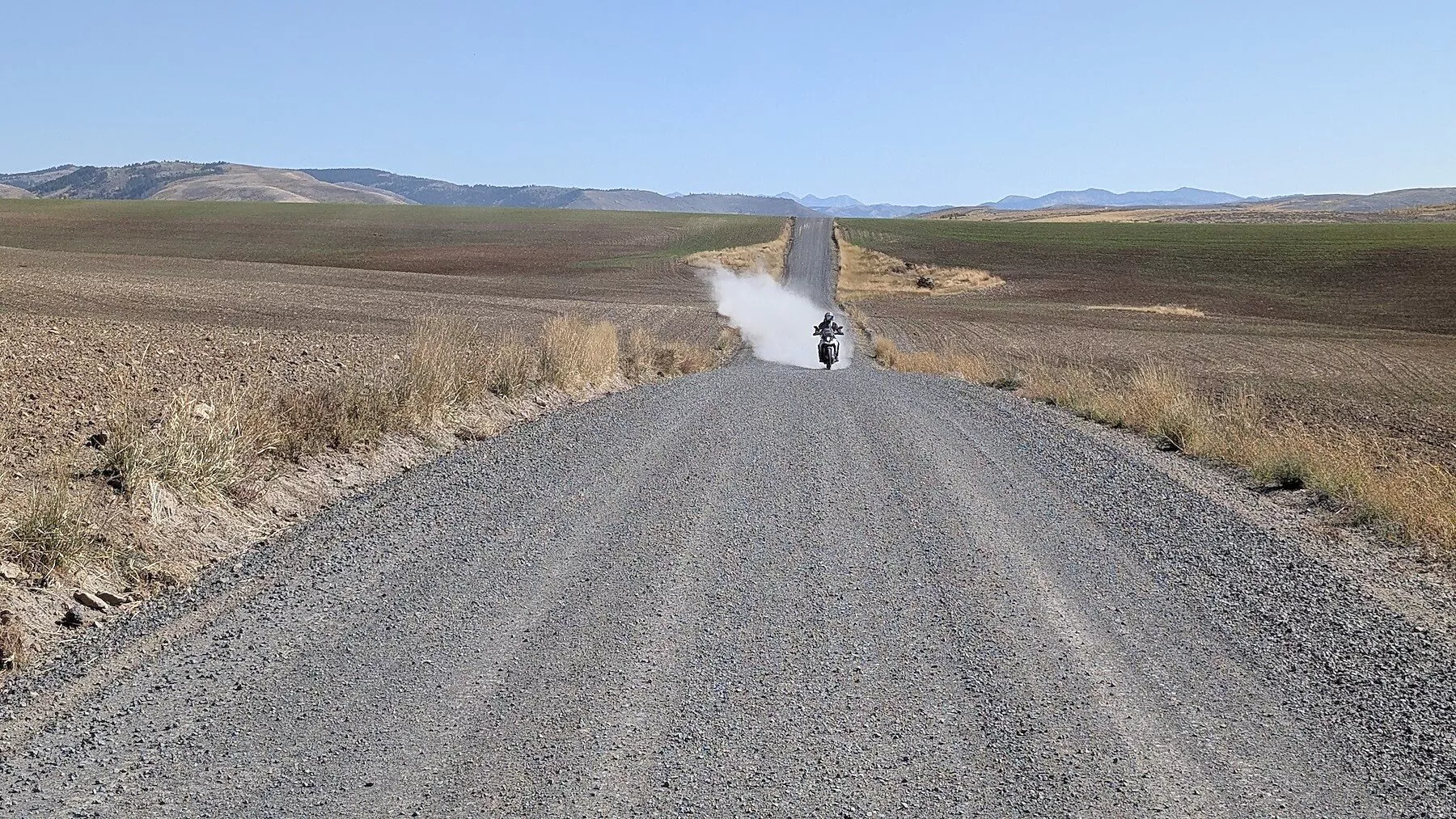
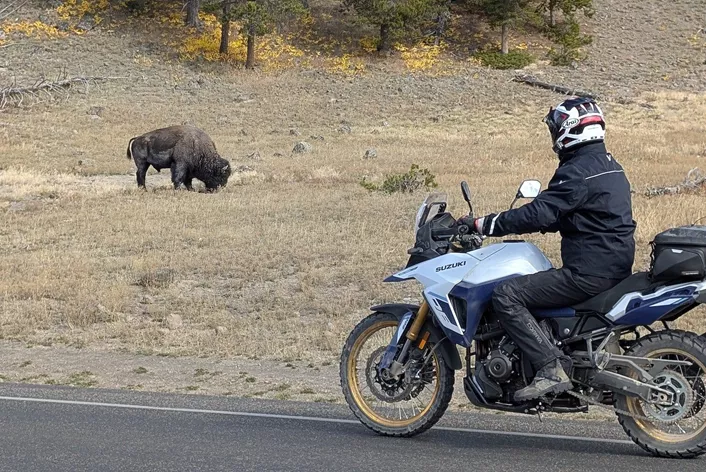
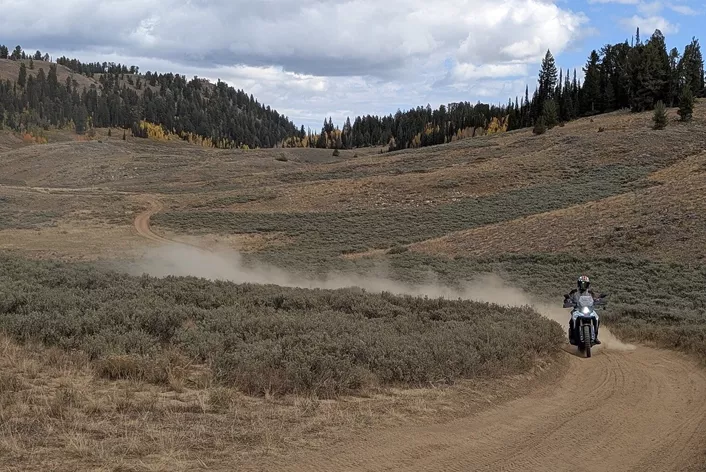
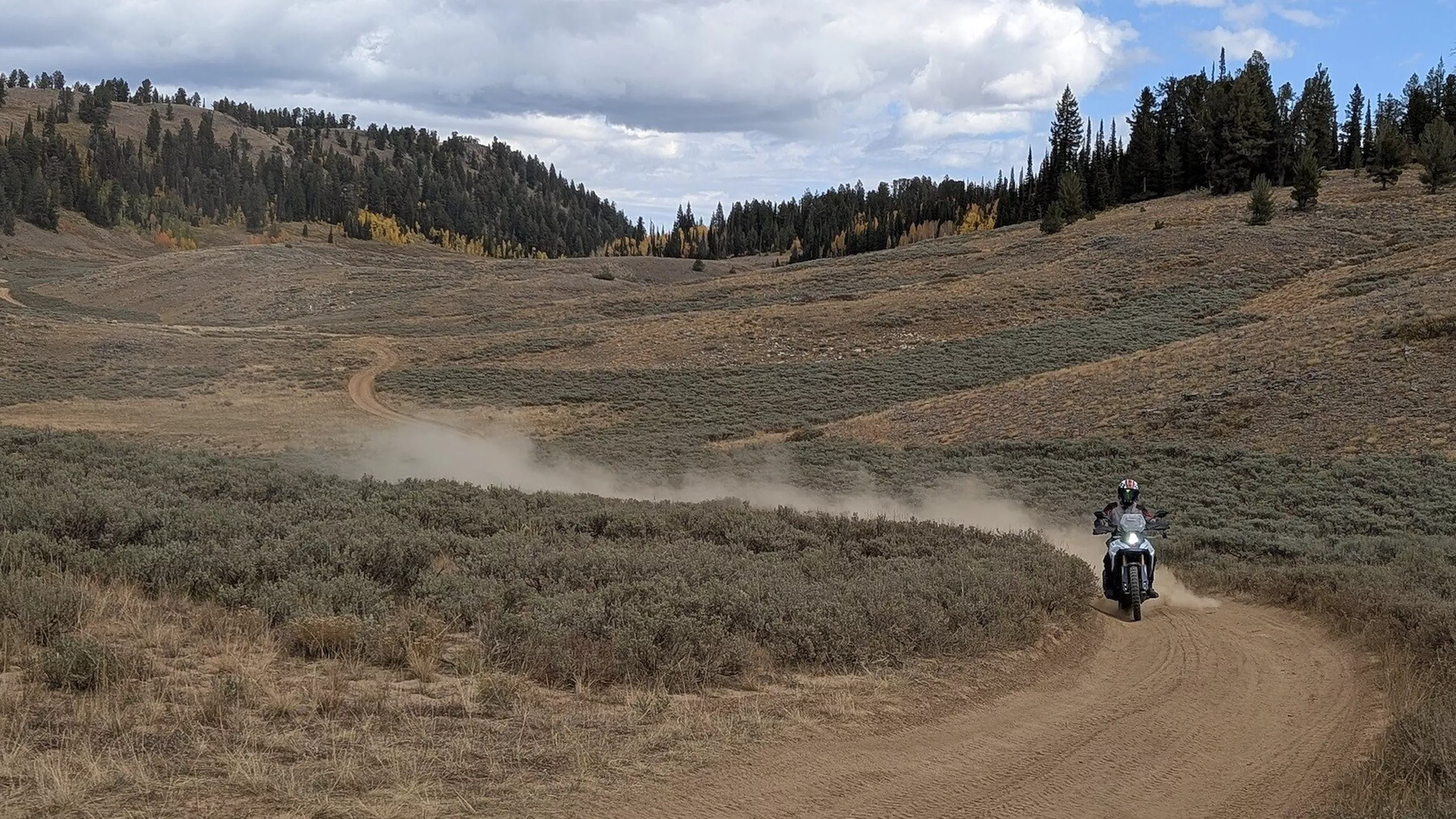
It was the eighth day of our tour through Idaho when, during a fuel stop in Stanley, it hit me what I was experiencing. Behind me were over 1,200 miles across four US states, about 80 percent on unpaved roads. Starting the mornings at 33°F and blasting through bone-dry valleys in the afternoon at over 86°F. Steep gravel passes, washboard tracks at 70 mph, eroded forest roads. The Suzuki V-Strom 800DE beneath me? Running like it did on day one. No oil leaks, no loose bolts, no fuss. Simply: works.

So why are Japanese motorcycles so relentlessly reliable? The answer isn't in a single engineering trick but in a philosophy that has shaped Japanese manufacturing for over 70 years.
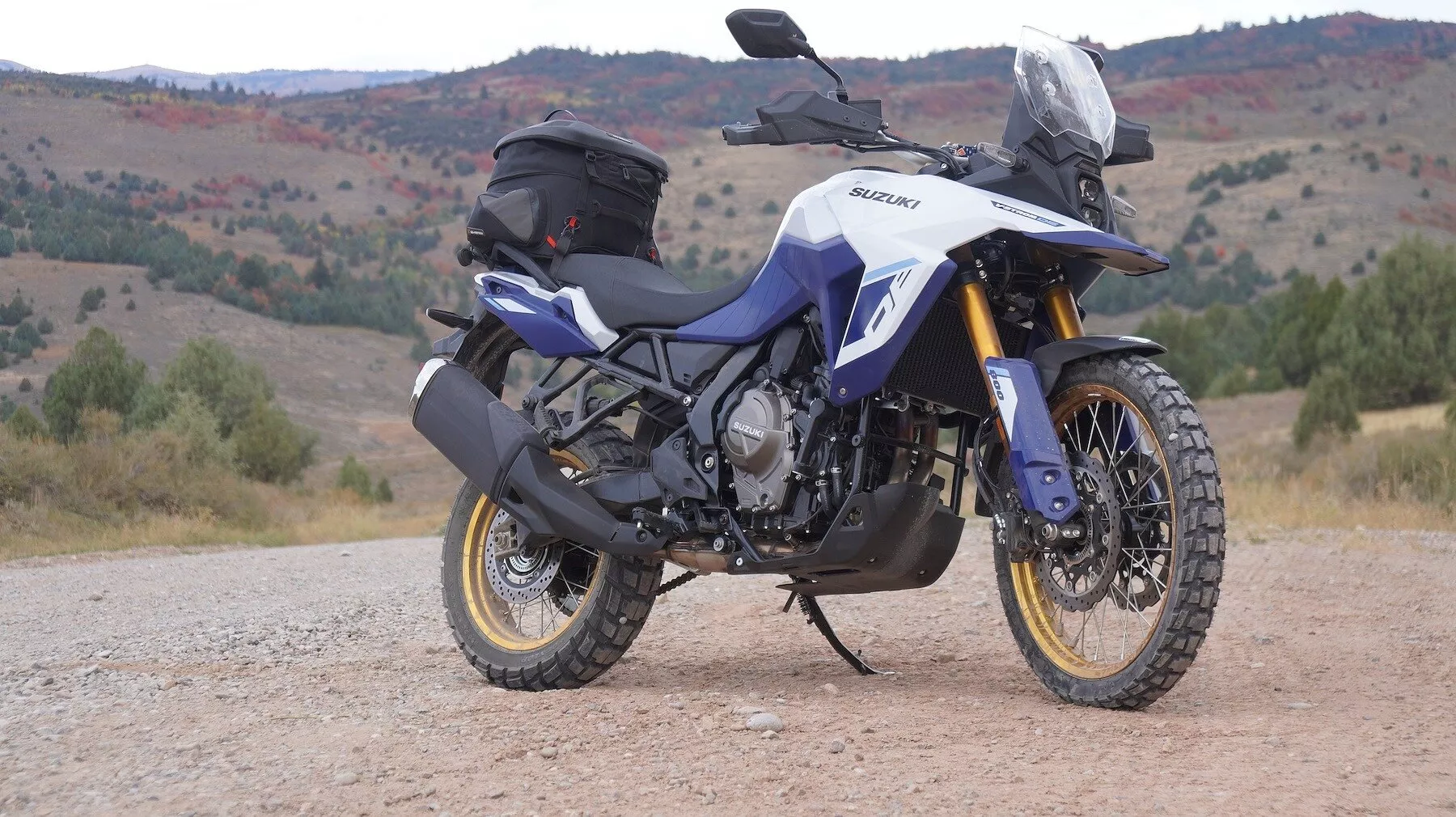
Conquered 1,700 Miles Through the Wild West - Suzuki V-Strom 800DE

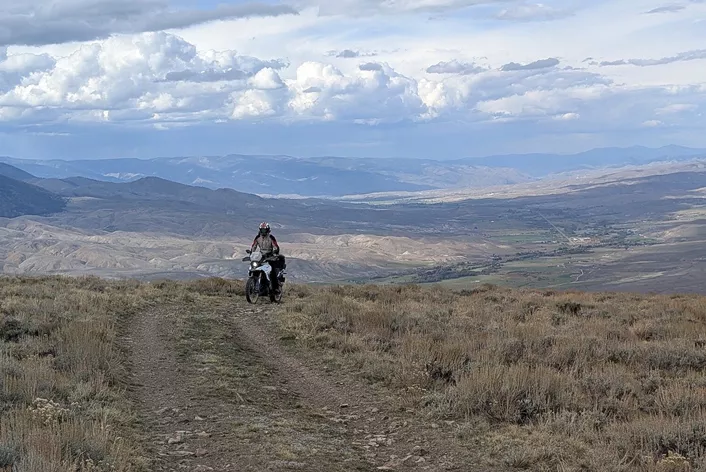
Carried Us 1,700 Miles Across the Wild West - Suzuki V-Strom 800DE

The Cultural DNA of Reliability

During my research for this report, I came across three Japanese terms that explain it all: Kaizen, Monozukuri, and Genchi Genbutsu. What might sound like management buzzwords are actually deeply ingrained cultural imperatives.

Kaizen means continuous improvement. Not the spectacular revolution every five years, but thousands of small optimizations over decades. Kaizen is a philosophy of incremental progress, where every tiny problem is addressed before it can become systemic. While European manufacturers radically reinvent their platforms every three to five years, Suzuki has been refining the same foundation for decades. The DR650? Essentially unchanged since 1996. The V-Strom family? On the market since 2002, with continuous detail improvements instead of marketing-driven revolutions.

Monozukuri – the art of making – elevates manufacturing from work to craftsmanship. It combines human creativity with technological precision, creating an intrinsic pride in quality that no incentive system in the world can replicate.

Genchi Genbutsu – go and see for yourself – forces managers to investigate problems directly at the source. No PowerPoint presentations, no filtered reports. Managers have to step into the production hall and see problems with their own eyes. This directness prevents issues from getting lost in hierarchies.

But the real game-changer is something Western manufacturers can never replicate: honor and shame. In Japanese culture, producing faulty products brings collective shame upon the individual, the team, the company, and the nation. A defective motorcycle is not a production glitch but a personal failure. This cultural imprint creates a zero-defect mentality that statistical quality controls alone can never achieve.

Suzuki's Conservative Boldness – Or: Why Boring Can Sometimes Be Brilliant

When I first saw the specs for the V-Strom 800DE, I have to admit, I was disappointed. 84 horsepower from 776cc? The KTM 890 Adventure R offers 105 horsepower. No IMU, no adaptive cruise control, not even heated grips as standard? But after 1,700 miles, I understood: this isn't a cost-cutting measure. It's strategy.

Suzuki's corporate philosophy, "Sho-Sho-Kei-Tan-Bi," translates to "smaller, fewer, lighter, shorter, beauty" – essentially: elegant simplicity. The 84 horsepower? Deliberately conservative. Suzuki prioritizes controllable, torque-rich response from low revs over spec sheet boasting. This "less is more" strategy runs throughout Suzuki's entire lineup. The DR650 has been using the same carburetor, air-oil cooling, cable clutch, and five-speed gearbox since 1996 – because the design simply works. Several owners report over 60,000 miles with nothing but oil changes and routine maintenance. By the way, the DR650 is still available in the U.S. – for $7,290.

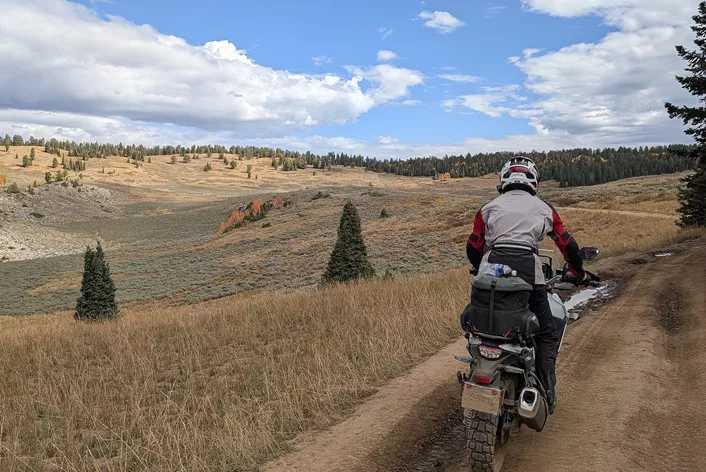
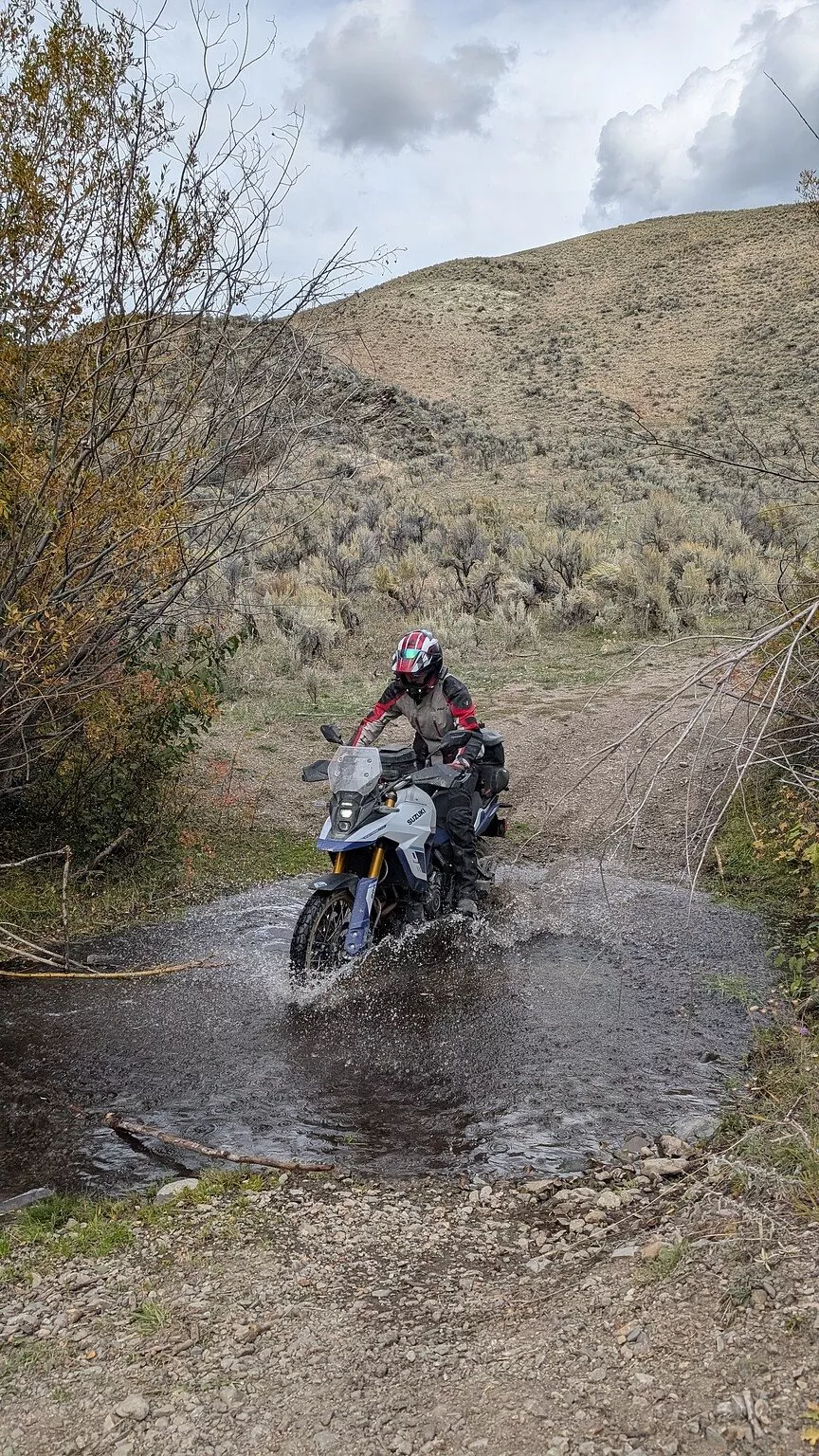
Dust, Water, Vibrations - Yet a Hassle-Free 1,700 Miles on the Suzuki V-Strom Saddle

Dust, Water, Vibrations - Yet a Trouble-Free 1,700 Miles on the Suzuki V-Strom Saddle

The Innovation Gap – Or: Why the Japanese Are Always Two Years Behind

Here's where it gets interesting. Japanese manufacturers undeniably have a disadvantage: they're often two to five years behind Europeans technologically. Think about the introduction of ABS, the performance lead the BMW S1000RR once had over Japanese brands, or the widespread adoption of IMU systems and adaptive cruise controls. Europeans are usually quicker to market.

The reason is simple: Japanese brands adopt new technology only after thorough testing. Europeans, on the other hand, embrace innovations with a higher risk tolerance. This creates predictable technology delays—but also predictable reliability advantages.

Trust in Japanese products is based on personal experiences we've all had. But let's also look at the numbers. Take, for instance, a 2015 article from "Consumer Reports." 11,000 owners were surveyed. Link

The difference is striking. Europeans have a four-year failure rate between 29 and 40%, while Japanese brands fall between 11 and 15%. We consistently see similar results in surveys on our social media channels!

Some Gravel Roads Were Full of Bumps and Stretched Up to 100 Miles Long!

Some gravel roads were riddled with bumps and stretched up to 100 miles long!

What I Learned About Manufacturing Quality in the Rocky Mountains

On day six of our tour, somewhere in the Caribou-Targhee National Forest, I calculated the strain the V-Strom was under: over 70 miles per hour on gravel roads. Continuous washboard bumps. Dust infiltration that creeps into every nook and cranny. Temperatures ranging from freezing mornings to 86°F in the afternoon. Why did the bike hold up? Because Japanese manufacturing quality is based on systems developed over generations.

The Verdict After 1,700 Miles

When we returned the V-Stroms to Edge Powersports in Salt Lake City, the mechanic routinely inspected the bikes. His comment: “You guys actually rode them?” Not a scratch on the engine case, no loose parts, no leaks. After ten days of intense strain, the machines looked like they’d been out for a leisurely weekend ride. That's Japanese reliability. No flashy marketing story, just plain competence. My 1,700 miles without issues weren't remarkable—they were statistically expected based on Suzuki's 12-percent four-year failure rate and decades of conservative engineering refinement.

But the conservative approach also has tangible downsides. The Suzuki enduros are notably heavier than comparable KTMs. And missing gadgets like cruise control or heated grips were sorely missed in practice. Sometimes, the Japanese get in their own way. Still delivering touring bikes without heated grips in 2025? Come on! These things have become a tried-and-true standard. Finally integrate them into standard products—I’m tired of aftermarket installations. I'm lenient on the weight—because you can make a motorcycle light for two reasons: either to build it cheaply or to build it sturdily. After my test ride, I trust that reason number two was the motivation for the V-Strom.

Japanese motorcycle reliability isn't a stroke of luck. It's the inevitable result of interlocking cultural principles—Kaizen's continuous refinement, Monozukuri's craftsmanship pride, Genchi Genbutsu's direct problem-solving, the quality imperatives of the honor culture, and the patient capital of long-term thinking. These philosophies multiply over decades through manufacturing systems refined over generations.

Western manufacturers have adopted these tools, but they can't replicate the cultural foundation that makes these systems work in Japan. When European manufacturers focus on innovation, they deliver cutting-edge technology with predictable teething troubles. When Japanese manufacturers focus on reliability, they provide proven technology with predictable longevity. Neither approach is objectively superior—they cater to different priorities.

Our Tour - The Gear!

  • Motorcycle: Suzuki V-Strom 800DE – rugged, reliable, adventure-ready: Info and Prices
  • Tires: Dunlop Trailmax Raid – perfect balance between road & gravel - Info
  • Luggage: SW-Motech PRO Rearbag – lightweight & indestructible: Price and Info PLUS Waterproof Tank Bag for camera gear:
  • Apparel: Vanucci VAJ-4 / VAT-6 / VAG-4 / VAB-10 – tested from 1°C to 30°C: Link to Jacket at LOUIS
  • Communication: Cardo Packtalk Edge – always connected, even in the middle of nowhere: Buy Here
  • Helmet: ARAI Tour-X5 – premium comfort for long distances: Info and Designs

1,700 Miles Through the Wild West

Why Japanese Motorcycles Are So Incredibly Reliable Images

Source: 1000PS

Image 1
Image 2
Image 3
Tag 1 - Ankunft in Salt Lake City und  - Image 4

Tag 1 - Ankunft in Salt Lake City und

Tag 1 - Ankunft in Salt Lake City und  - Image 5

Tag 1 - Ankunft in Salt Lake City und

Image 6
Image 7
Image 8
Image 9
Image 10
Image 11
Tag 2 - Wyoming - Image 12

Tag 2 - Wyoming

Tag 2 - Wyoming - Image 13

Tag 2 - Wyoming

Tag 2 - Wyoming - Image 14

Tag 2 - Wyoming

Image 15
Tag 2 - Image 16

Tag 2

Image 17
Image 18
Image 19
Image 20
Image 21
Image 22
Image 23
Image 24
Image 25
Image 26
Image 27
Image 28
Image 29
Image 30
Image 31
Image 32
Image 33
Image 34
Image 35
Image 36
Image 37
Image 38
Image 39
Image 40
Image 41
Image 42
Tag 3 - Island Park - Image 43

Tag 3 - Island Park

Image 44
Image 45
Image 46
Image 47
Image 48
Image 49
Image 50
Image 51
Image 52
Image 53
Image 54
Image 55
Image 56
Image 57
Image 58
Image 59
Image 60
Image 61
Image 62
Image 63
Tag 4 - Yellowstone Nationalpark - Image 64

Tag 4 - Yellowstone Nationalpark

Image 65
Image 66
Image 67
Image 68
Image 69
Image 70
Image 71
Image 72
Image 73
Image 74
Image 75
Image 76
Image 77
Image 78
Image 79
Image 80
Image 81
Image 82
Image 83
Image 84
Image 85
Image 86
Image 87
Image 88
Image 89
Image 90
Image 91
Image 92
Image 93
Image 94
Image 95
Image 96
Image 97
Image 98
Image 99
Image 100
Image 101
Tag 5 - Über den Lemhi Pass nach Salmon - Image 102

Tag 5 - Über den Lemhi Pass nach Salmon

Image 103
Image 104
Image 105
Image 106
Image 107
Image 108
Image 109
Image 110
Image 111
Image 112
Image 113
Image 114
Image 115
Image 116
Image 117
Image 118
Image 119
Image 120
Image 121
Image 122
Image 123
Image 124
Image 125
Image 126
Image 127
Image 128
Image 129
Image 130
Image 131
Tag 6 - Von Salmon nach Stanley - Image 132

Tag 6 - Von Salmon nach Stanley

Image 133
Image 134
Tag 6 - Von Salmon nach Stanley - Image 135

Tag 6 - Von Salmon nach Stanley

Image 136
Image 137
Image 138
Image 139
Image 140
Image 141
Image 142
Image 143
Image 144
Image 145
Image 146
Image 147
Image 148
Image 149
Image 150
Image 151
Image 152
Image 153
Image 154
Image 155
Tag 7 - Wellness im Wald - Am Weg in die Hauptstadt - Image 156

Tag 7 - Wellness im Wald - Am Weg in die Hauptstadt

Image 157
Image 158
Image 159
Image 160
Image 161
Image 162
Image 163
Image 164
Image 165
Image 166
Image 167
Image 168
Image 169
Image 170
Image 171
Image 172
Das Finale - Von Boise zurück nach Salt Lake City - Image 173

Das Finale - Von Boise zurück nach Salt Lake City

Image 174
Image 175
Image 176
Image 177
Image 178
Image 179
Image 180
Image 181
Image 182
Image 183
Image 184
Image 185
Image 186
Image 187
Image 188
Image 189
Image 190