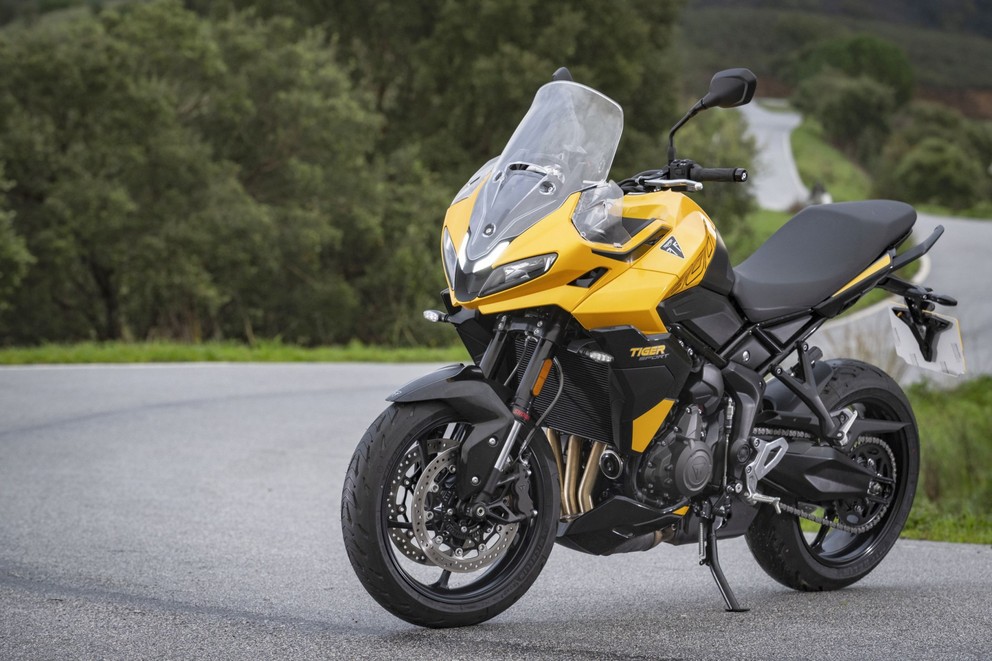
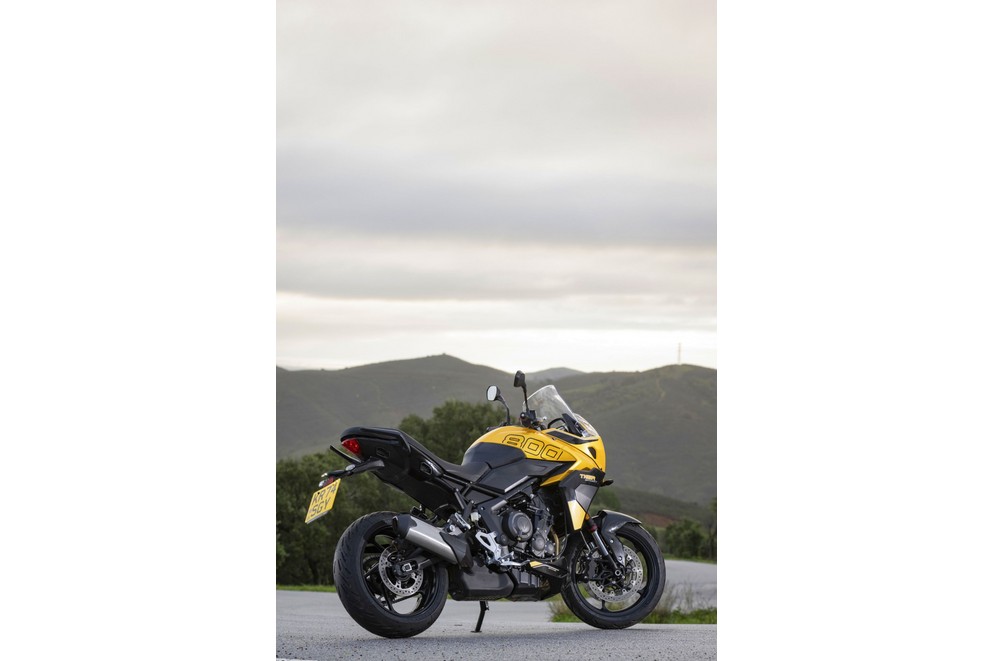
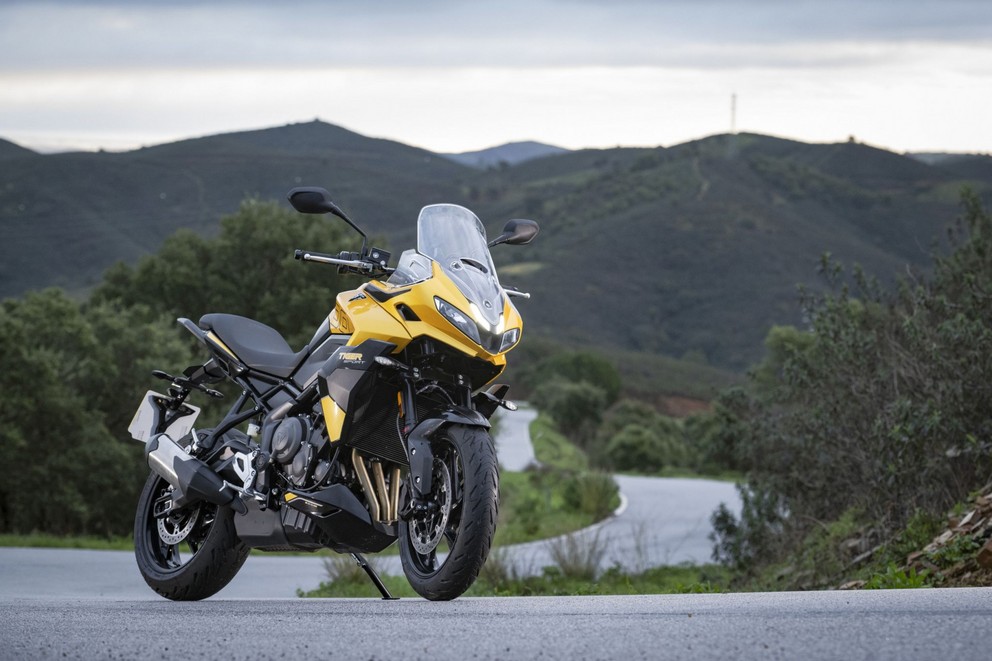
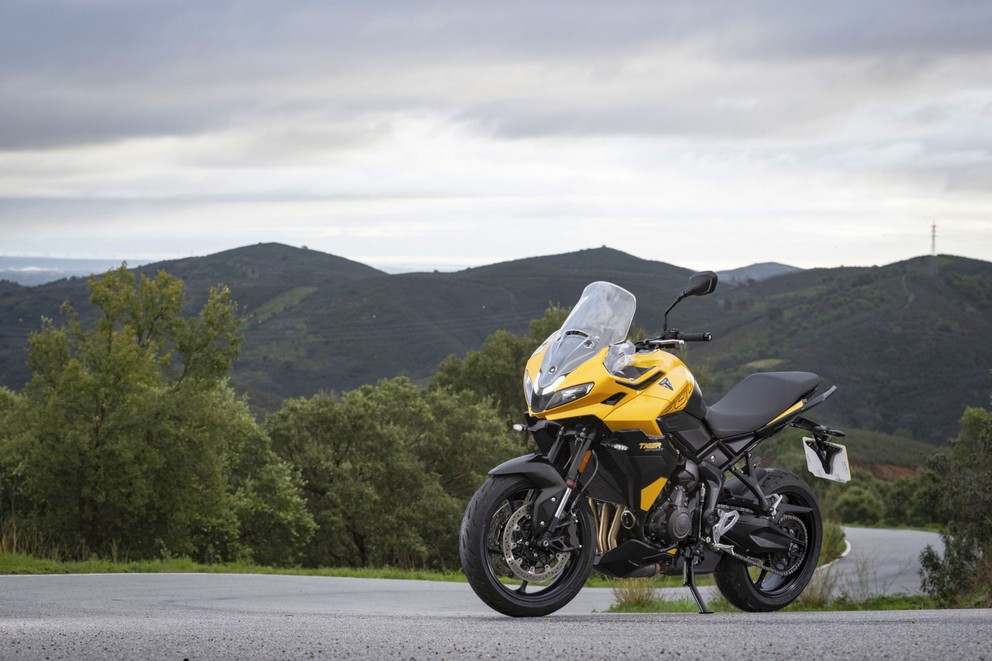
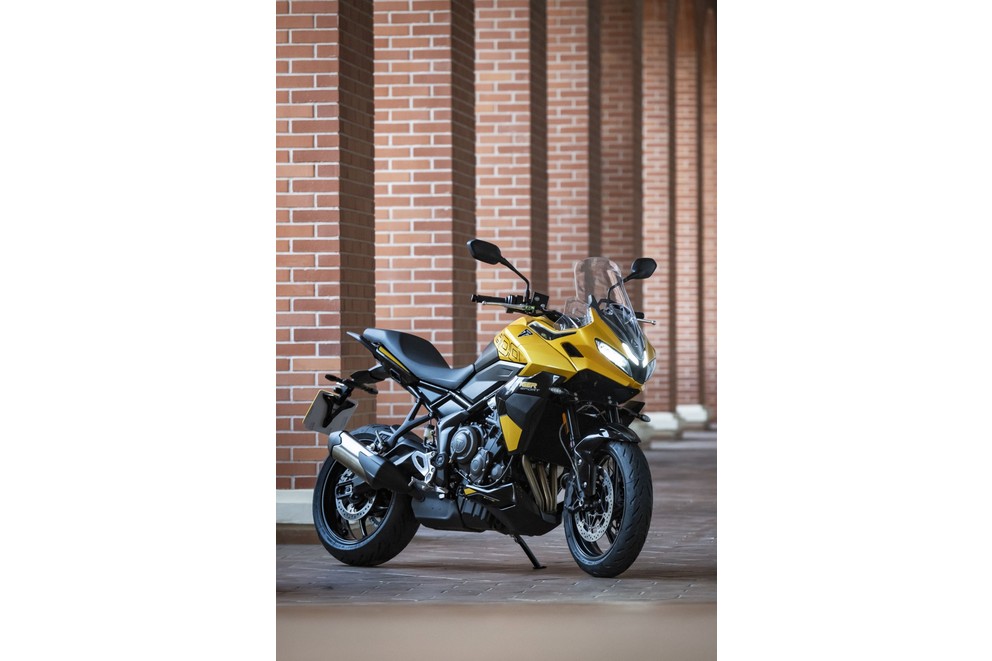
The first Triumph Tiger Sport arrived in 2013, back then as a further development of the Tiger 1050. Especially after the first major overhaul in 2016, this bike matured into a crowd favourite thanks to its extremely torquey triple, upright ergonomics and generous features. Whether as a daily companion, as a sportbike hunter in the twisties, or for relaxed touring with the boss on the back – the Tiger Sport excelled everywhere. In 2020 the bike, with its Speed Triple engine at heart, had to give way to strict emissions standards, and ever since there's been a hole in Triumph's motorcycle portfolio. The name did return with the Tiger Sport 660, but that more entry-level oriented 95 hp bike was never meant to fill the gap left behind. That, however, does not apply to the new Tiger Sport 800.
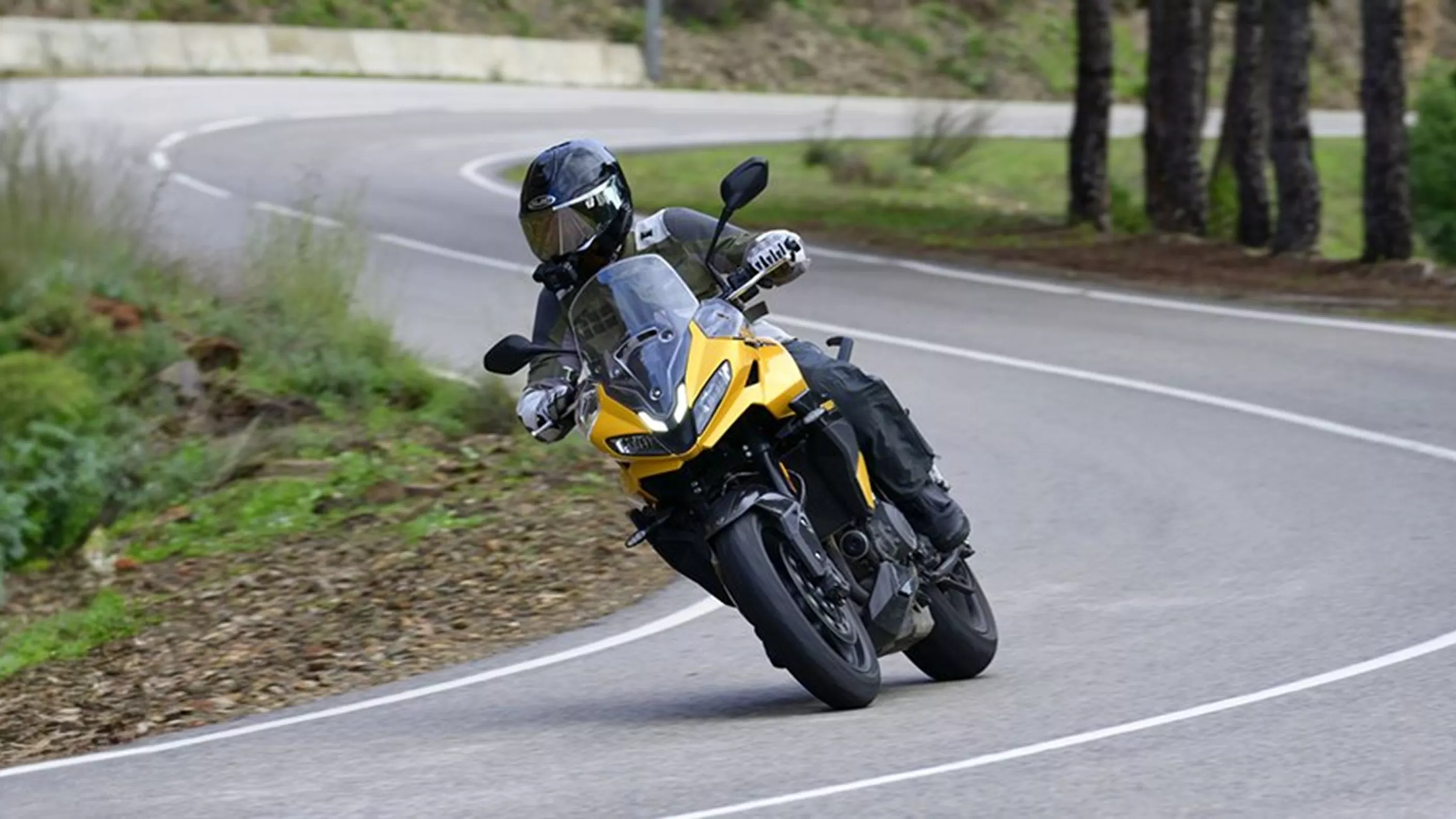
Triumph Tiger Sport 800 - First Test 2025
The Tiger Sport is back!
We finally got to test Triumph's new Tiger Sport 800 in Portugal. On the twisty roads of the Algarve, not only the new inline-triple but also the versatile overall package of the Tiger Sport has to prove itself. Does it manage to fill the big shoes of its predecessor?
&width=72&height=72&bgcolor=rgba_39_42_44_0&mode=crop "Author: Gregor")
Gregor
published on 28/01/2025
Triumph Tiger Sport 800 2025 - Key Facts
Engine and Drive Train
| Engine type | In line |
|---|---|
| Bore | 78 mm |
| Stroke | 55.7 mm |
| Engine power | 115 HP |
| Rpm at Max. Power | 10,750 rpm |
| Torque | 84 Nm |
| Rpm at Torque | 8,500 rpm |
| Compression Ratio | 13.2 |
| Fuel system | Injection |
| Starter | Electric |
| Clutch Type | Multiplate in oil-bath, Antihopping |
| Transmission | Chain |
| Transmission Type | Gearshift |
| Number of gears | 6 |
| Cylinders | 3 |
| Strokes | 4-Stroke |
| Valves per cylinder | 4 |
| Valves | DOHC |
| Cooling | liquid |
| Displacement | 798 ccm |
Suspension Front
| Front suspension | Upside-Down telescopic fork |
|---|---|
| Brand | Showa |
| Diameter | 41 mm |
| Travel | 150 mm |
| Adjustment | Compression, Rebound |
Suspension Rear
| Suspension | Swing arm |
|---|---|
| Shock absorber | Monoshock |
| Shock mount | Deflection |
| Brand | Showa |
| Travel | 150 mm |
| Adjustment | Preload, Rebound |
| Material | Steel |
Chassis
| Frame | Steel |
|---|---|
| Frame type | Perimeter |
| Rake | 23.8 degree |
| Trail | 99 mm |
Brakes Front
| Type | Double disk |
|---|---|
| Diameter | 310 mm |
| Piston | Four pistons |
| Shock mount | Floating caliper |
| Technology | radial |
Brakes Rear
| Type | Disc |
|---|---|
| Diameter | 255 mm |
| Piston | Double piston |
Assistance Systems
| Advanced Rider Assistance Systems | Riding modes, Cornering ABS, Ride by Wire, Shift assistant with blipper, Cruise control, Traction control |
|---|
Dimensions and Weights
| Front tyre width | 120 mm |
|---|---|
| Front tyre height | 70 % |
| Front tyre diameter | 17 inch |
| Rear tyre width | 180 mm |
| Rear tyre height | 55 % |
| Rear tyre diameter | 17 inch |
| Width | 828 mm |
| Height | 1,386 mm |
| Wheelbase | 1,422 mm |
| Seat Height | 835 mm |
| Kerb Weight (with ABS) | 214 kg |
| Fuel Tank Capacity | 18.6 l |
| License compliancy | A |
| Range | 395 km |
| Combined CO2 emissions | 109 g/km |
| Combined fuel consumption | 4.7 l/100km |
Equipment
| Equipment | LED daytime running lights, LED-Headlights, TFT display, Windscreen adjustable |
|---|
Technical differences: Triumph Tiger Sport 800 2025 versus Tiger Sport 1050 2016
Comparing the key data of the Triumph Tiger Sport 800 and Tiger Sport 1050 shows that the new Triumph is close to its ancestor in many areas. In certain areas, however, differences become visible that raise interesting questions. For example, the torque-heavy character of the 1050's triple is also evident on paper. The maximum output of 125 hp at 9,400 rpm and the torque of 104 Nm at a legendary 4,300 rpm were already present at much lower revs than the 115 hp and 84 Nm of torque of the new 798 cc inline-triple in the Tiger Sport 800.
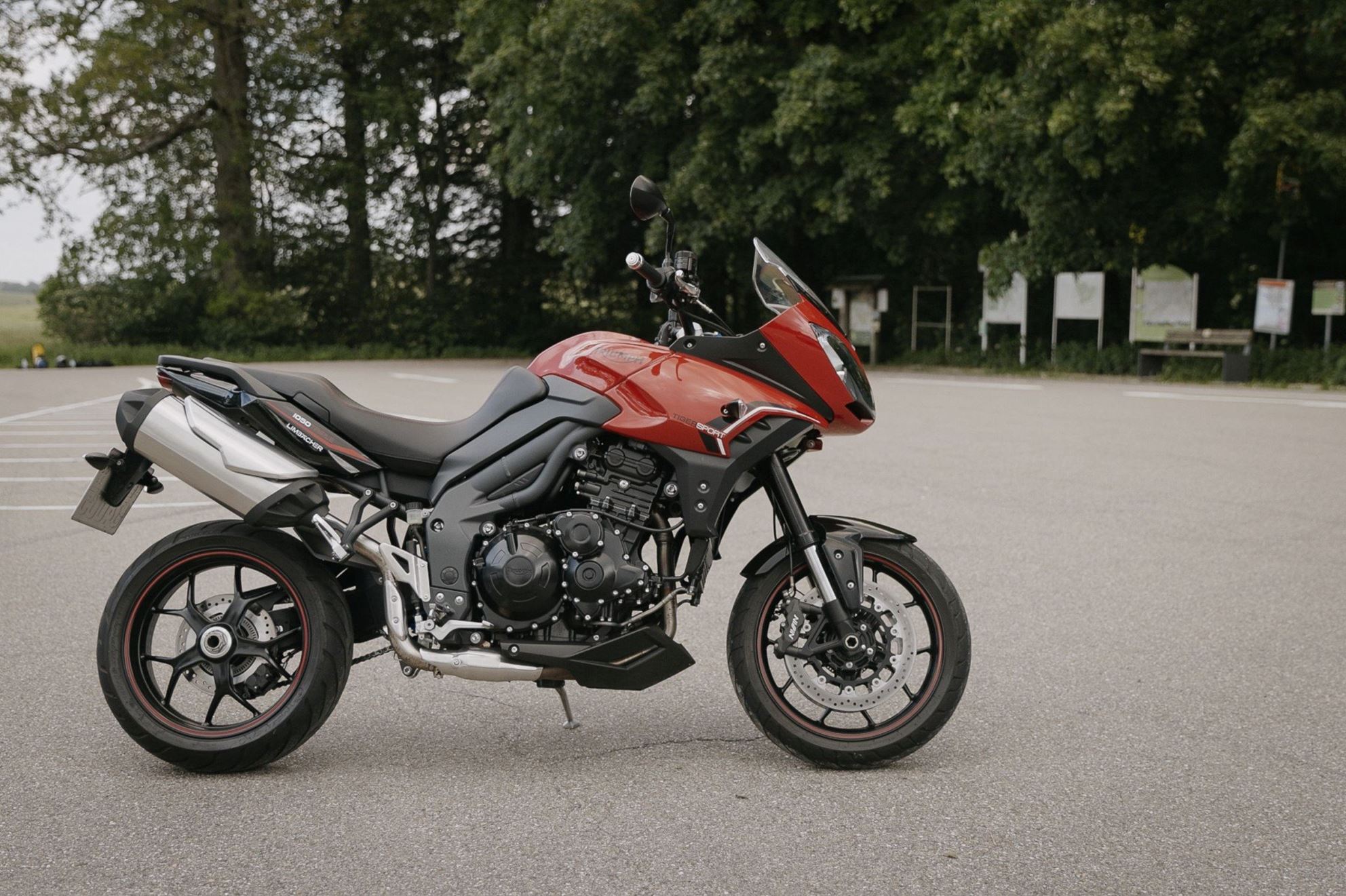
The first Tiger Sport also looks quite similar to the new 800. Can the Tiger Sport 800 live up to the success of its ancestor?
So the new Tiger Sport will certainly not accelerate as powerfully from low revs, but it could make up for that with significantly higher agility. This is suggested by the noticeably shorter wheelbase (1,422 mm vs. 1,540 mm) as well as the weight. Manufacturing technology for motorcycles has come a long way in recent years, not to mention electronic features, and so the new Tiger Sport weighs more than 20 kg less despite a tank that's only 1.4 litres smaller. So it will be extremely exciting to see how well the Tiger Sport 800 fills the 1050's shoes. As the Tiger Sport 800 presentation kicks off in Portugal, the anticipation is palpable.
Where does the new 800cc triple from Triumph come from?
The 798cc triple in the Triumph Tiger Sport 800 is a new development based on the architecture of Triumph's well-known 660 and 765 triples. Similarities can be found in the basic structure, such as the cylinder angle and engine casing, as well as in some internal components. Nevertheless, the new 800 triple is unique and newly developed in many respects. For example, pistons, cylinders, crankshaft and valve timing were specifically adapted for the new engine. A notable feature is the use of three separate throttle bodies (as opposed to just one in the Tiger Sport 660), which significantly improves throttle response. This change, however, required adjustments to the chassis, clutch and gearbox. The gearbox is geared longer in the first three gears than in the Tiger Sport 660, giving the engine greater versatility.
Ergonomics and city riding: How the Triumph Tiger Sport 800 performs in everyday use
At the start of the test day for the Tiger Sport 800, everyone is eager for the new bike. The mood is quickly dampened, however, by the bad weather. We hope for the best and set off. First up are urban areas on the agenda. The ergonomics stand out immediately. With a seat height of 835 mm and a slim build, even riders with shorter legs get their feet down on the ground without any problem. The seating position is comfortably upright and quite close to the front of the bike, with the arms angled towards the handlebar. This closeness to the handlebar creates a relaxed posture while also providing a good connection to the front wheel, which will prove its worth later on. The knee angle is neither excessively sharp nor too passive. Even the taller colleagues don't complain about cramped space in the saddle. For my 1.85 m it was pretty much perfect.
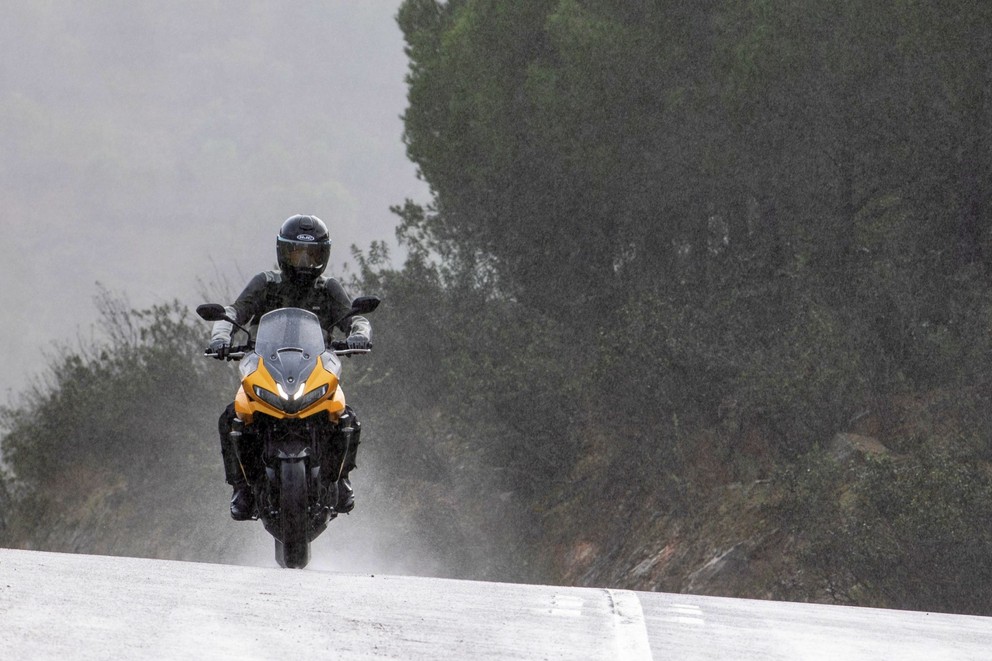
With this riding position, the bike can be nimbly guided through city traffic. Thanks to the short wheelbase, it can be steered playfully through columns of traffic. Here the engine of the Tiger Sport 800 shows its strengths to the full. The 798cc triple impresses with smooth throttle response and linear power delivery, making it easy to handle – even in adverse conditions like rain or slippery roads. The standard Rain mode provides an even softer throttle pickup, but the Street mode is already so precise and well-metered that experienced riders can comfortably stay in the middle mode even in poor weather.
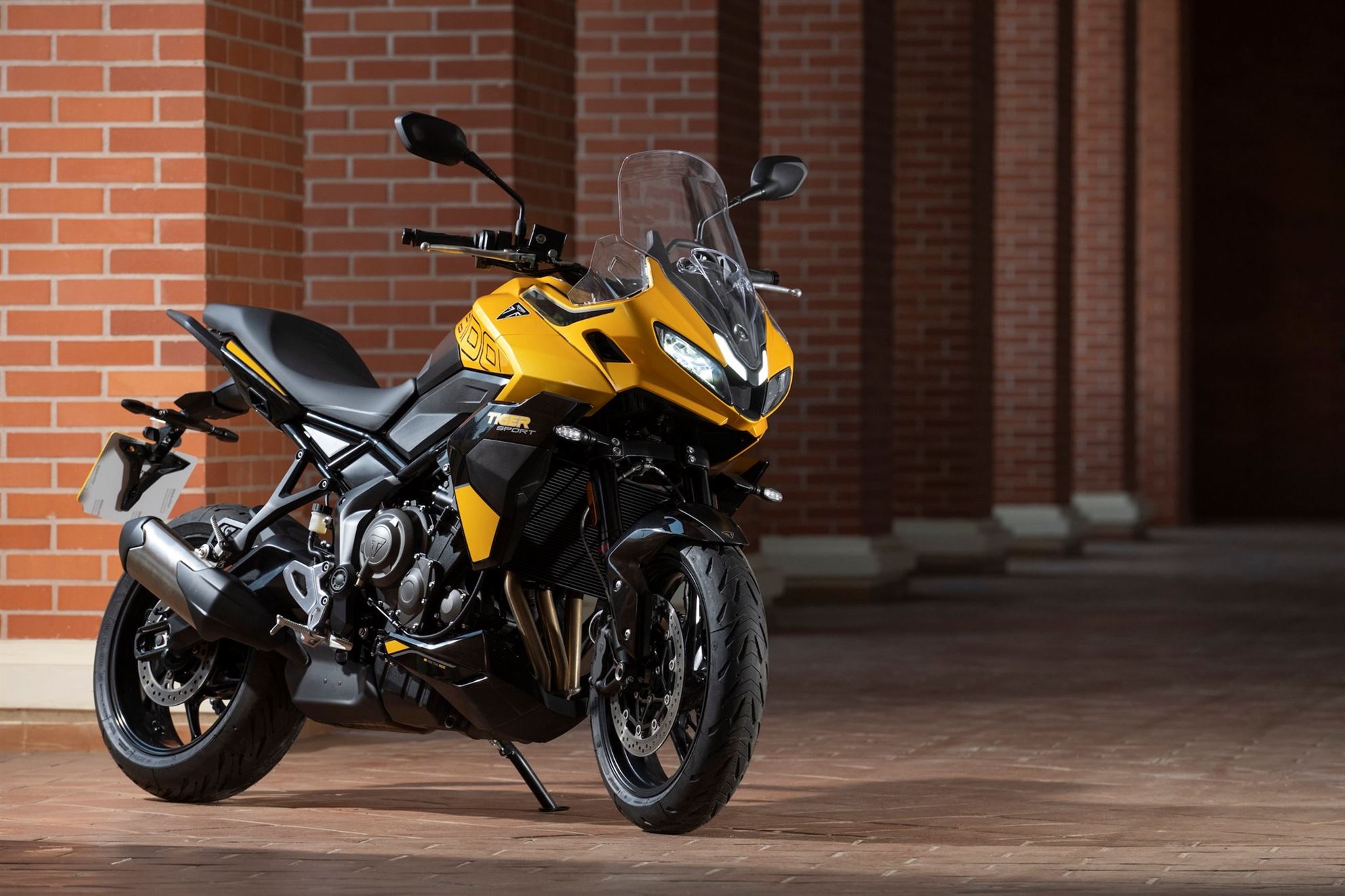
Thanks to the silky power delivery, the flexible gears and an always-working quickshifter, city riding is an effortless endeavour.
Another strength is shown in the interplay between engine, gearbox and shift assist. The quickshifter works smoothly even at the lowest revs, enabling effortless up- and downshifts. The gears are not too short geared, giving the rider plenty of freedom in gear choice. So in the city you can cruise relaxed at 50 km/h in second gear, or even in a surprisingly refined first gear, without engine vibrations, running behaviour or noise becoming bothersome. At the same time, the bike can also be ridden calmly and with little vibration in fifth or sixth gear at low speeds like 40 km/h – ideal for neighbourhood-friendly cruising.
Touring capability of the Triumph Tiger Sport 800: Comfort and practicality in focus
After the densely populated coastal region of Portugal, a few motorway-like country roads still separate us from the twisty Algarve. The touring capability of the Triumph Tiger Sport 800 convinces in many areas, though it also has a few small weaknesses. One criticism is the wind protection. In principle, the system for adjusting the windscreen is good and can also be operated while riding. In the lowest position, the wind hits me at the neck, in the highest position at nose height. Especially in the latter position, loud turbulence is directed at the helmet, causing it to vibrate noticeably on the head. Other touring bikes do this better. On the plus side, the additional wind deflectors on the sides of the windscreen deserve praise, as they noticeably reduce the pressure on the shoulders.
The range of the Tiger Sport 800 is another plus point: with consumption of about 5.2 litres per 100 kilometres after 230 kilometres ridden and an 18.6-litre tank, decent stints of well over 300 kilometres are possible – even with spirited riding. Some colleagues even achieved consumption of under 5 l/100km.
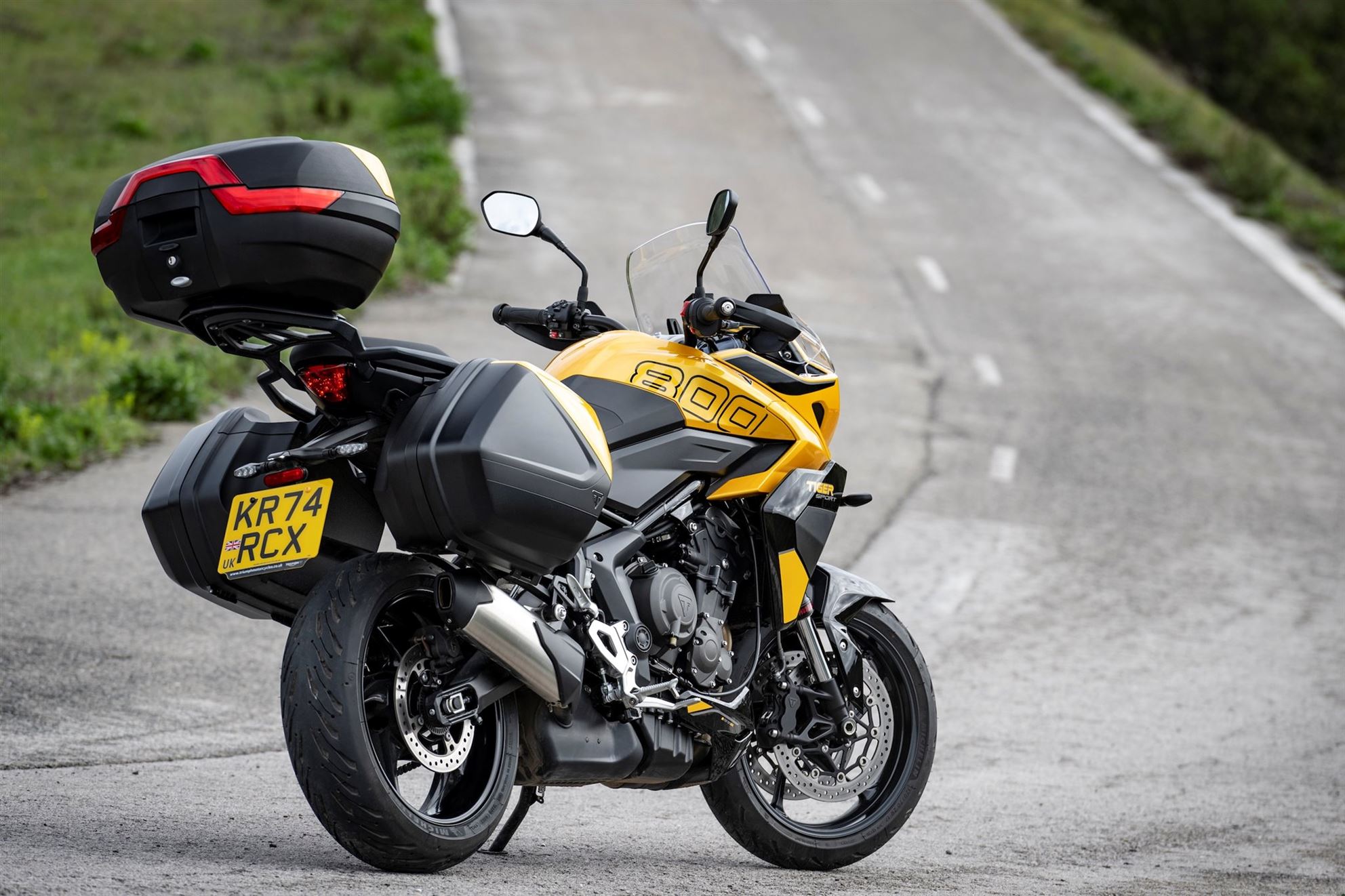
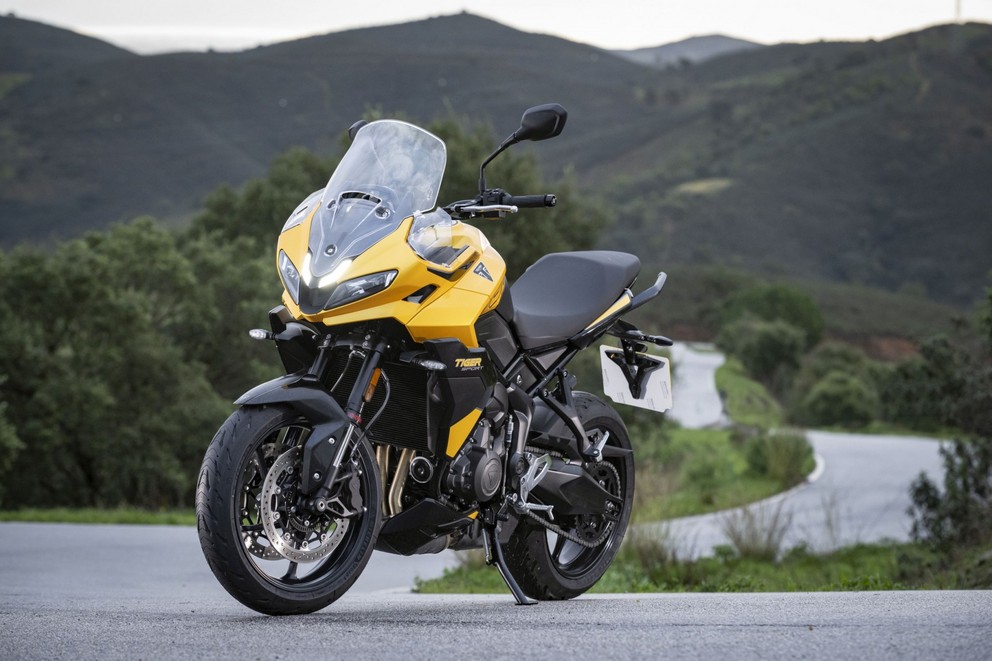
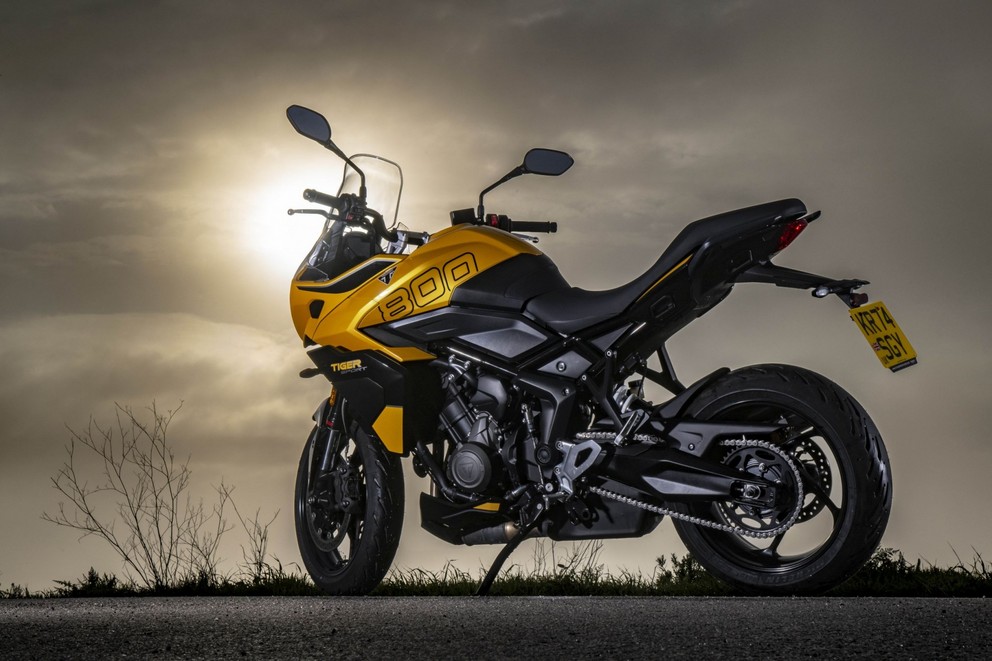
The minimalist tail only gets some protection from the elements once luggage is fitted around it.
The optional luggage solutions are well thought out. The side cases offer a volume of 57 litres and each has room for a full-face helmet, while the 49-litre top case even holds two helmets. The mounting of the side cases is discreet, leaving the brackets nearly invisible without the cases fitted. However, the minimalist tail also has drawbacks: firstly, the optional luggage rack with or without top case is not particularly elegantly integrated as a hefty extension, and secondly, after our long rainy ride it became very clear that without side cases, the splash protection for the pillion area is rather poor. On the journalists' bikes without cases fitted, the rear part of the seat was heavily soiled, whereas on the guide bikes with side cases it was much less so.
On the plus side, the maximum payload of 224 kilograms is particularly commendable, being noticeably higher than the direct competition and enabling touring with plenty of luggage. The optional, very attractively priced GT-Pack, offered in the UK and including heated grips, handguards and side cases, offers a sensible addition for touring riders, but is currently not yet available in German-speaking markets.
Engine and performance: The Triumph Tiger Sport 800's triple in detail
We return to the initial question: can the Tiger Sport 800 fill the shoes of the Tiger Sport 1050? Can a modern engine leave as strong an impression as the mighty 1050 triple once did? The 798cc triple of the Triumph Tiger Sport 800 convinces with versatility and predictability, without ever feeling emotionless. In the city, the engine excels with smooth throttle response and linear power delivery, making it easy to handle. Even on slippery roads or in rain, as encountered during the test ride, the engine remains composed and instils confidence. On country roads, the triple shows its second side: from about 4,500 to 5,000 rpm it starts with a powerful roar that builds into an aggressive howl at higher revs. Grunt is always available. Across the entire rev range, torque remains consistently between just under 70 and the maximum 84 Nm. Of course, the drive from low revs can't match the 1050 triple, but not by much, and in return the new engine is much easier to maintain if desired. This is a huge plus, especially given the miserable weather conditions of our test ride.
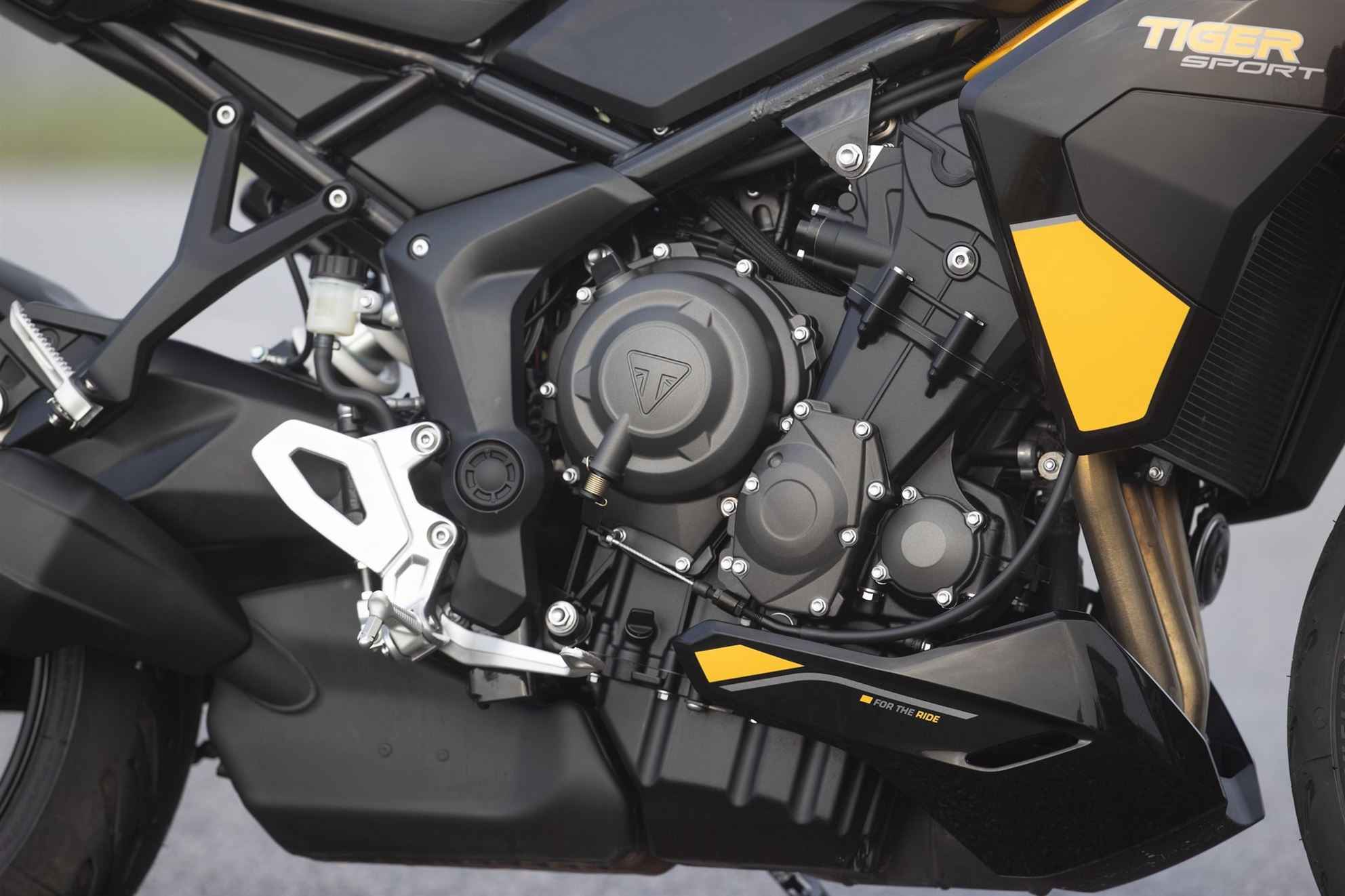
Significantly more grunty than the 660 triple, yet still more torquey and slightly less rev-hungry than the 765 Street Triple engine – the new inline-triple, like the Tiger Sport 800 itself, skilfully fills the gap in Triumph's lineup.
But in the afternoon the sun peeks out a little and we can pull the throttle a bit harder. In twisty sections, the power characteristics show their best side. Thanks to the precise and even throttle response, the throttle can be finely metered at the apex of the corner. If you're then in the right rev range of around 6,000 to 7,000 rpm at the corner exit, things really get going. The engine, however, remains predictable at all times, allowing even less experienced riders to benefit from its performance.
Another plus point is the harmony between engine, gearbox and shift assist. The well-spaced gearbox, combined with the generous torque, also allows for very lazy-to-shift riding. The quickshifter works smoothly across all rev ranges, facilitating both quick gear changes during spirited riding and relaxed shifting in everyday use. Overall, the triple in the Tiger Sport 800 combines performance, everyday usability and riding pleasure in a remarkable way.
Riding performance, chassis and brakes: The Triumph Tiger Sport 800 tested
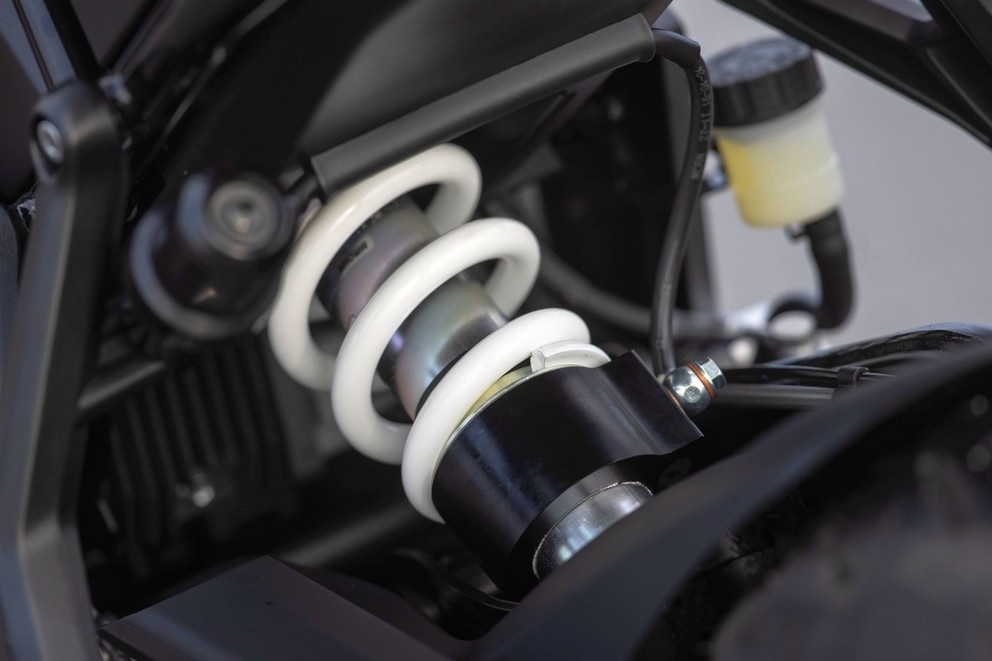
A good engine alone doesn't make a good bike, though. The adjustable chassis of the Triumph Tiger Sport 800 doesn't need to hide either, offering a well-judged balance between comfort and sportiness. Over small road imperfections, the initial damping shows itself on the softer side, allowing small bumps to be nicely filtered out and not transmitted directly to the rider. Over bigger bumps, such as rougher asphalt waves or speed bumps, however, the sporty setup of the chassis becomes noticeable: the damping firms up nicely and progressively, giving good feedback from the contact between tyre and road surface. This good feeling is further enhanced at the front wheel by the front-oriented ergonomics.
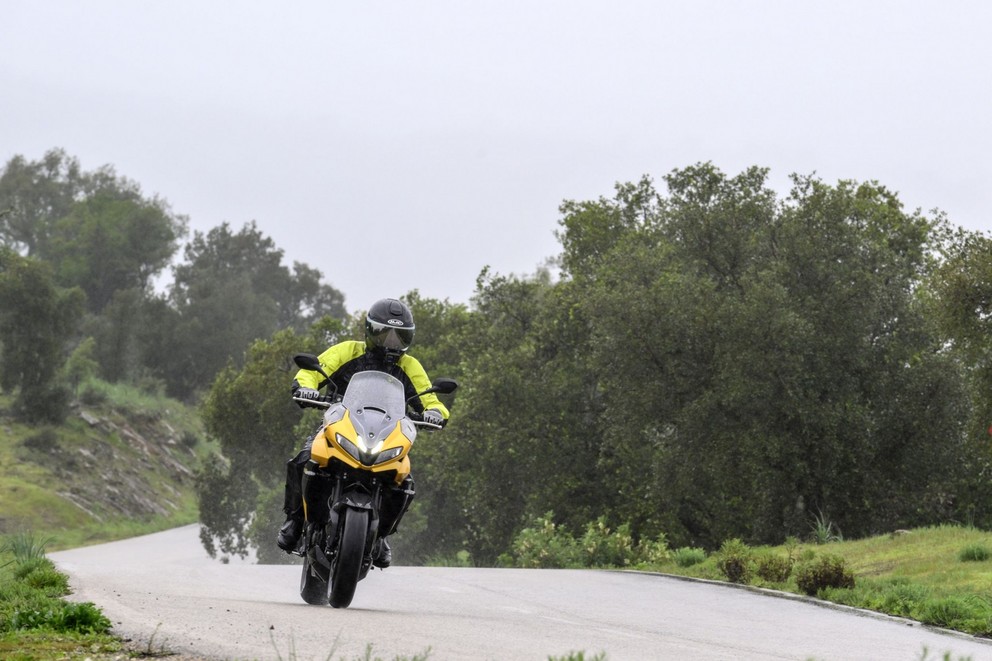
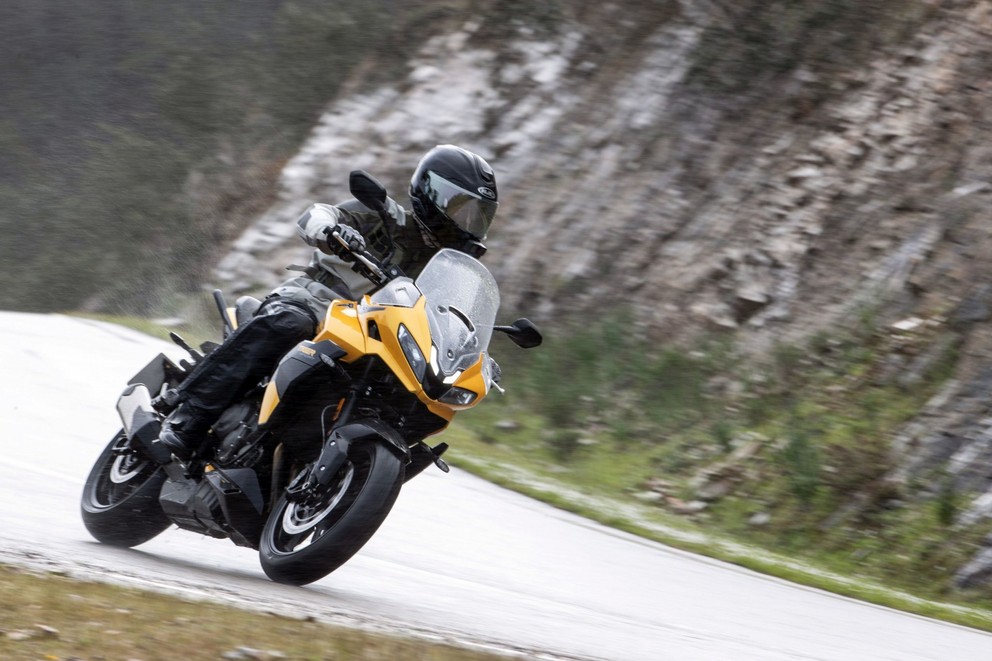
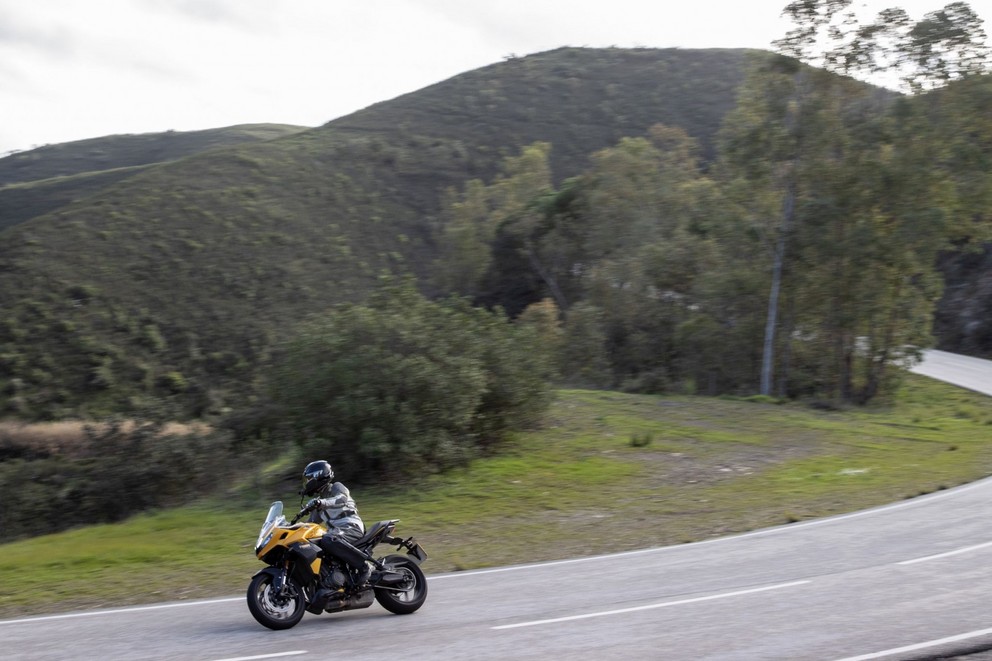
Turn-in behaviour with the standard-fitment Michelin Road 5 tyres is agile and harmonious. At the start of a corner, the bike responds nimbly, with the tipping moment flattening out after about 5 degrees of lean angle and transitioning into neutral, stable handling. This setup instils confidence and trust, especially in adverse conditions like wet roads, which prevailed during the test ride. The rider can thus feel their way towards the limits of grip and steer the bike precisely through corners.
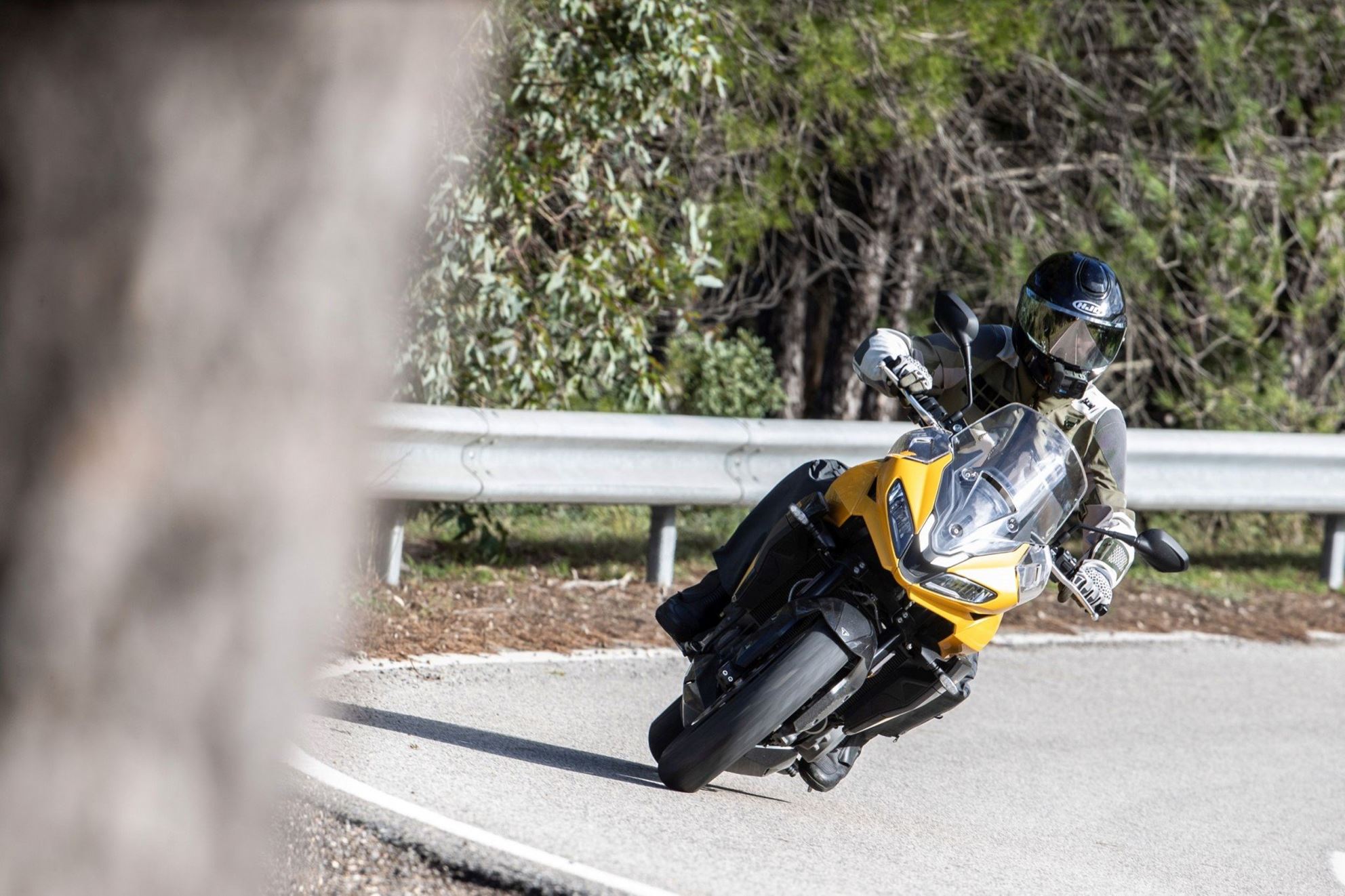
In the twisties, the Tiger Sport 800 presents itself as a well-rounded overall package, in which every component fulfils its role. Swing into the saddle, ride off and feel comfortable straight away!
The brakes on the Tiger Sport 800 come from Triumph and offer well-calibrated performance. The front brake lever initially has a soft pressure point, which, after a few millimetres, quickly becomes defined and direct. This enables precise deceleration without requiring much force. The rear brake impresses with its progressive responsiveness, providing stability and additional control in corners – ideal for poor weather conditions.
Thanks to the well-tuned Showa chassis and the precise braking system, the Tiger Sport 800 delivers composed yet dynamic riding performance. Especially in twisty sections, the rider benefits from the successful combination of chassis setup, braking performance and vehicle geometry, which instils a high degree of confidence even at semi-sporty speeds. Due to the bad weather, unfortunately I was unable to test the Tiger Sport at maximum lean angle and full sportiness. So there's at least more excitement left for the upcoming tests of the 2025 season.
Triumph Tiger Sport 800: Price, features and maintenance-friendliness at a glance
Now we come to perhaps the biggest argument in favour of the Tiger Sport 800. With a starting price of 11,795 euros in Germany and 12,995 euros in Austria, the Triumph Tiger Sport 800 offers an extremely attractive price-to-performance ratio in the sport touring segment. The extensive standard equipment, consisting of a quickshifter with blipper, cornering ABS, lean-angle-sensitive traction control, three riding modes and cruise control, sets standards in this price class. Particularly noteworthy are the maintenance intervals of 16,000 km and valve clearance checks every 32,000 km, which are above average compared to the competition and lower running costs. According to Triumph, the Tiger Sport 800's total cost per kilometre – including maintenance and fuel consumption – is lower than comparable models, making it an economically sound choice for high-mileage riders.
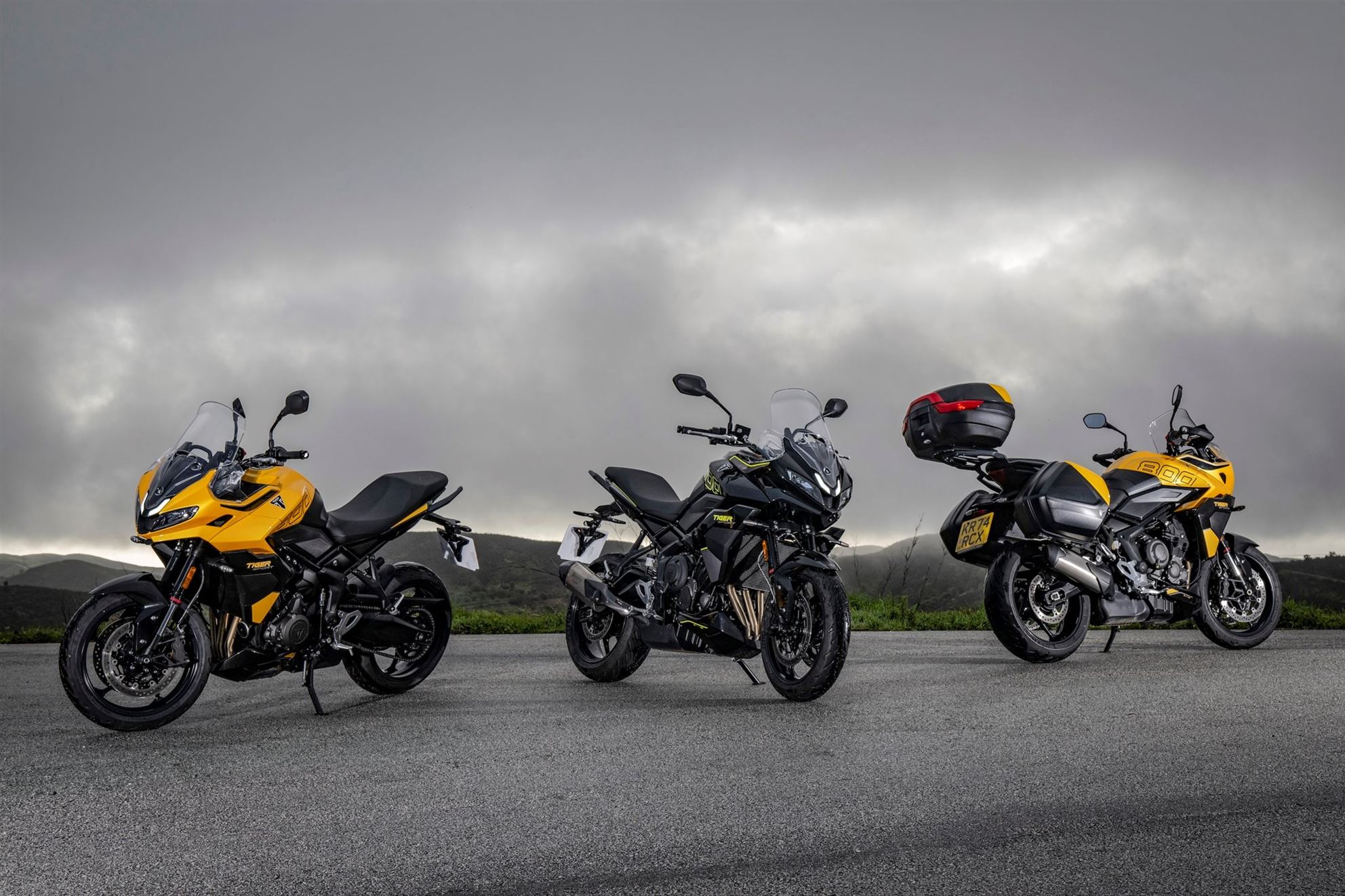
Is the Triumph Tiger Sport 800 the price-to-performance winner of 2025? At least in the touring bike segment, it's a hot candidate for that title.
So if the many strengths of the Tiger Sport 800 I've mentioned don't convince you, the attractive pricing alone justifies a test ride. In Austria, only the Yamaha Tracer 9, which costs almost 1,000 € more, comes close. In Germany, however, there's only the Tracer 9 GT and above, which costs at least 16,000 €. So anyone looking for a new crossover bike can hardly go past the Triumph Tiger Sport 800.
- How much does a Triumph Tiger Sport 800 cost?
- Here you will find an overview of the price level of new and used motorbikes!
&width=60&height=60&bgcolor=rgba_39_42_44_0&mode=crop "Author: Gregor")
Triumph Tiger Sport 800 2025 - Experiences and Expert Review
Gregor
The Triumph Tiger Sport 800 presents itself as a versatile sport touring bike that offers a successful mix of sportiness and everyday usability. Particularly noteworthy are the new 798cc triple with its linear power delivery yet still present character, as well as the well-tuned Showa chassis, which offers both comfort and stability. The equipment, including standard quickshifter, cruise control, cornering ABS and traction control, also underlines the bike's modern aspirations. The ergonomics are accessible to many riders thanks to the low seat height and slim build, while the fuel consumption and range convince. However, the wind protection shows weaknesses, especially for taller riders. This barely dampens the overall impression though, especially when factoring in the price of the Tiger Sport 800. No other new crossover bike offers such a price-to-performance ratio.
More on sporty crossover motorcycles:


Triumph Tiger Sport 800 - First Test 2025 Images
Source: 1000PS


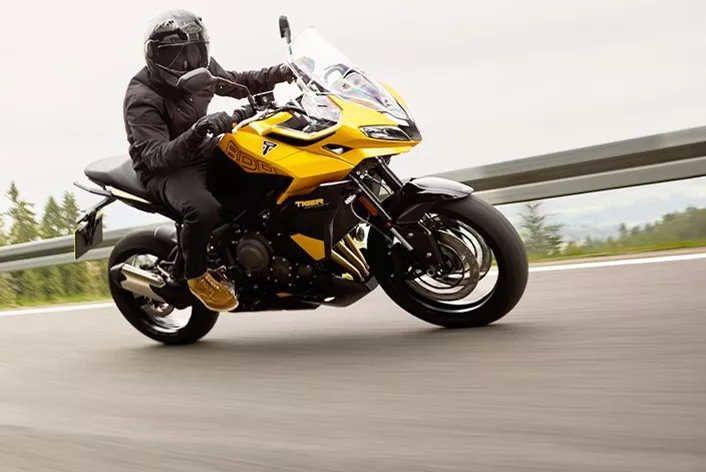
Accessible Ergonomics: With its slim design and 835 mm seat height, the Tiger Sport 800 fits a wide range of rider sizes.

New three-cylinder engine: 798 cc, 115 hp and 84 Nm – the Tiger Sport 800 impresses with its powerful performance.

Modern rider aids: three riding modes, cruise control, front wheel lift control, cornering ABS, and lean-sensitive traction control come standard.
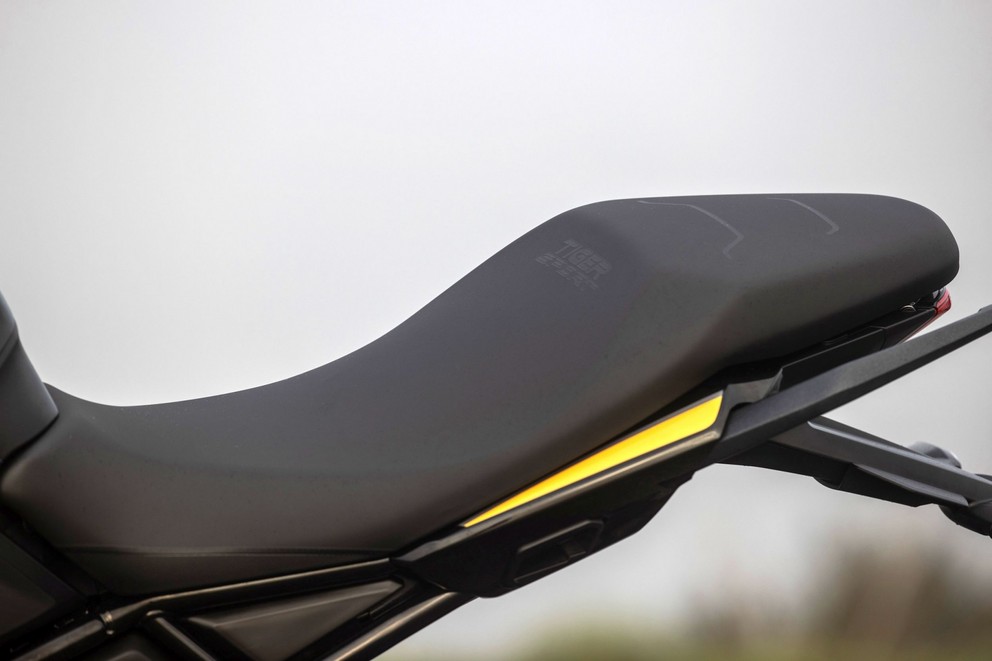


Efficient on the road: With a consumption of 5.2 liters and an 18.6-liter tank, ranges well over 300 km are achievable.


Quickshifter thrills: Effortless upshifts and downshifts, even at low revs.


Wide torque band: From 4,500 RPM, the triple unleashes its full power – perfect for spirited backroad rides.

Rain mode activated: Perfect for nasty conditions – smooth throttle response in the rain and on slick roads.


Max payload: With 224 kg of carrying capacity, the Tiger Sport 800 sets the bar in its class.


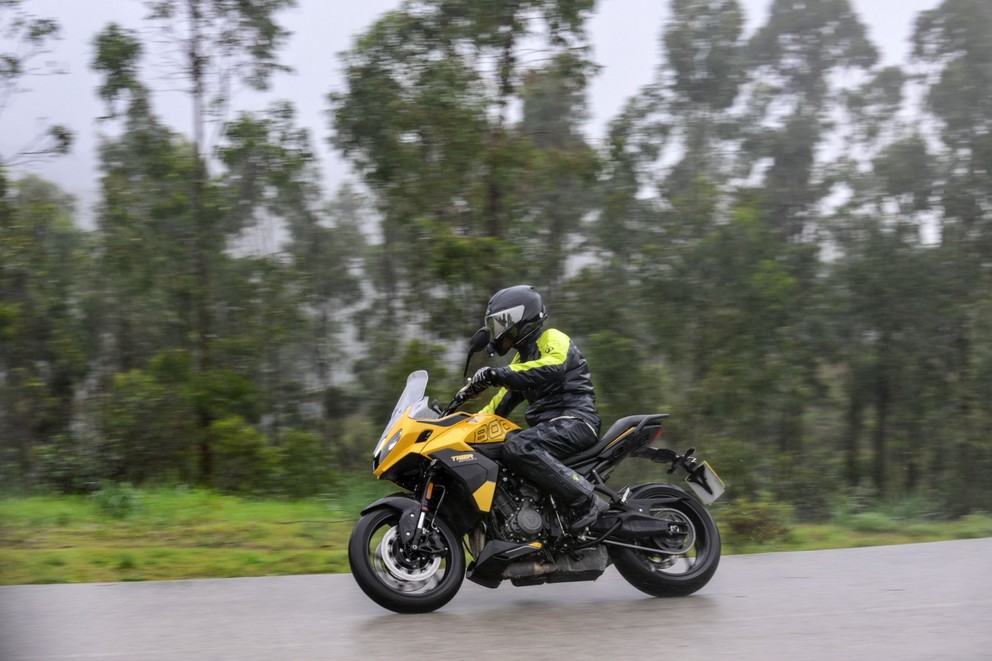


Tour-ready: The adjustable windscreen shields against wind and weather. Taller riders might appreciate better wind protection.

Smooth triple: In the city, the engine impresses with its linear power delivery and user-friendly handling.